
Articles
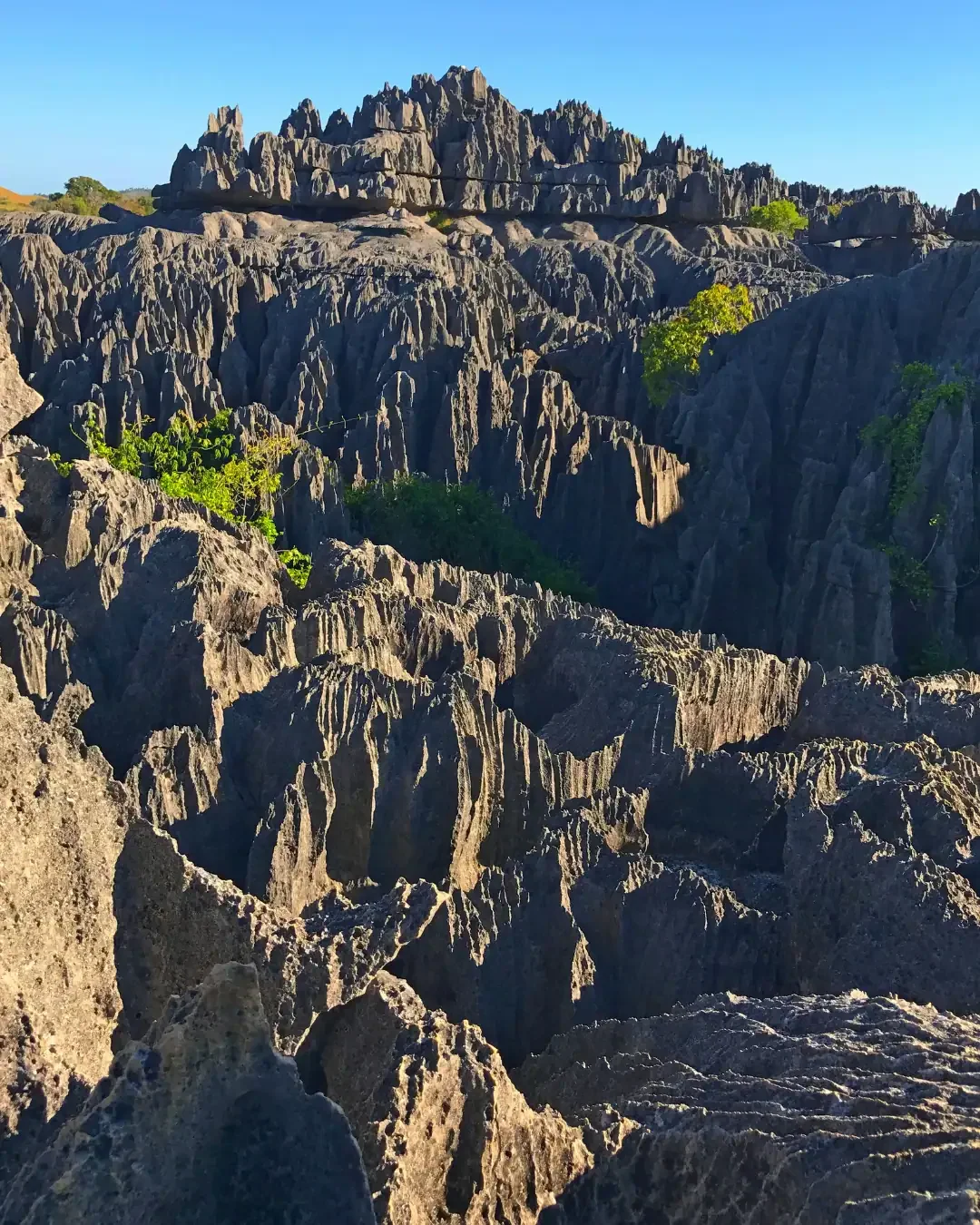
Tsingy de Bemaraha: The Stone Forest Where One Cannot Walk Barefoot
The Tsingy de Bemaraha Strict Nature Reserve in western Madagascar's Melaky Region protects one of the planet's most spectacular and inhospitable geological formations: vast limestone plateaus carved …
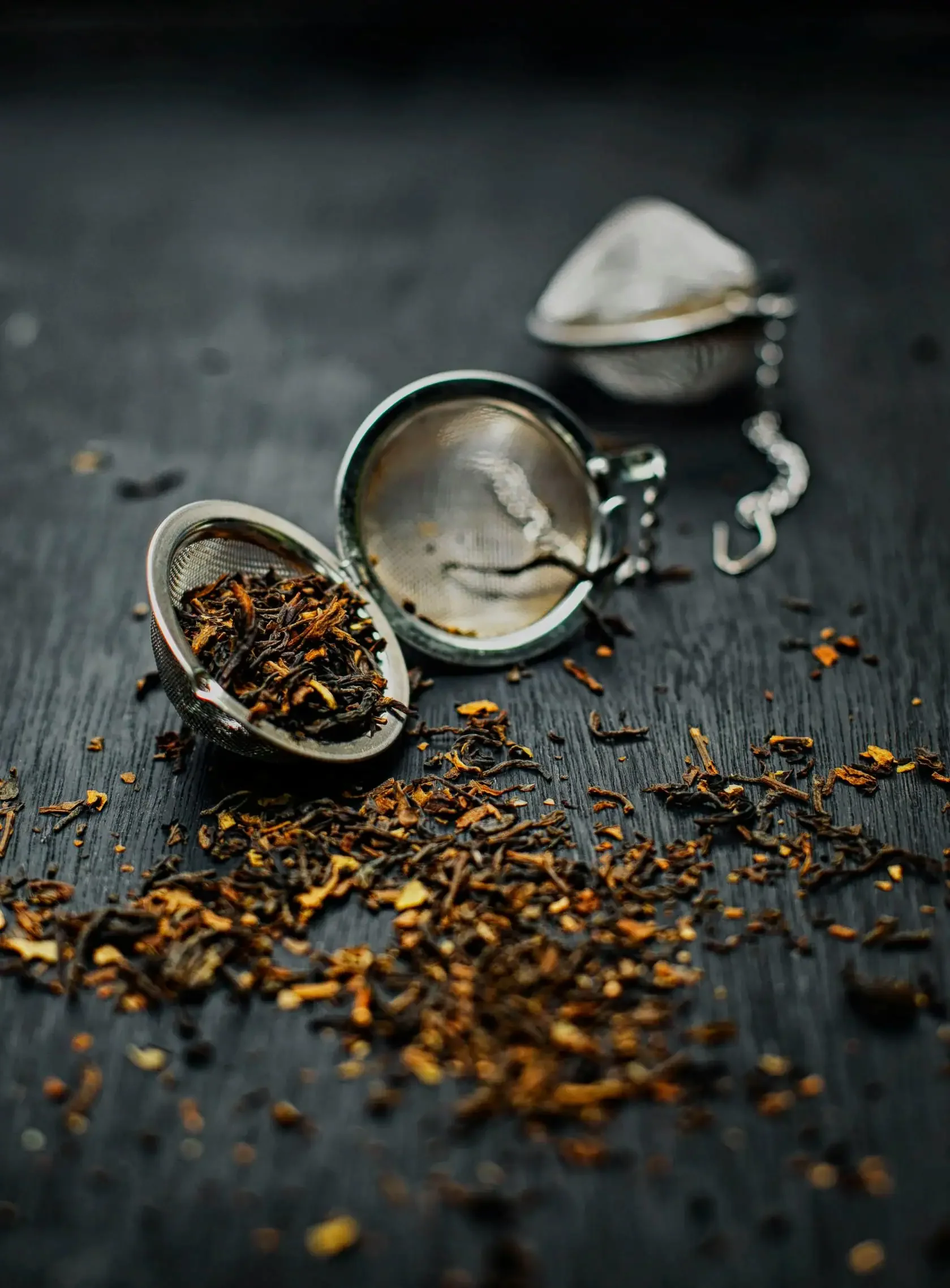
Tea Culture: Social Bonding in Contemporary Madagascar
While tea may not have the same ancient roots in Madagascar as it does in Asia, it has become an important aspect of modern Malagasy social life, particularly in urban areas where tea gardens and cafés …
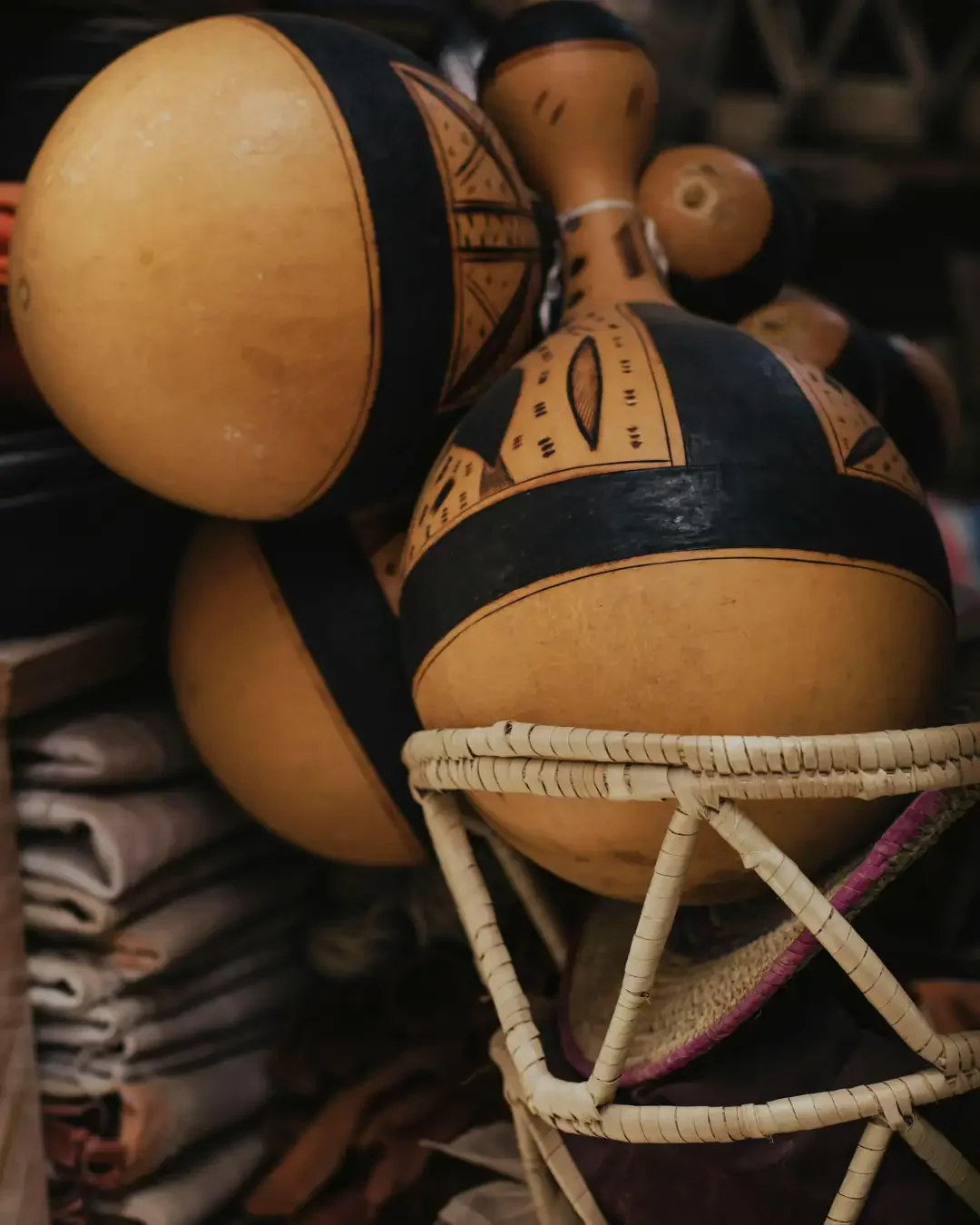
Hiragasy: The Living Theatre of the Malagasy Highlands
In Madagascar's central highlands, a centuries-old performing art captivates audiences with its distinct blend of song, dance, speech, and theatrical narrative. Hiragasy is much more than just …
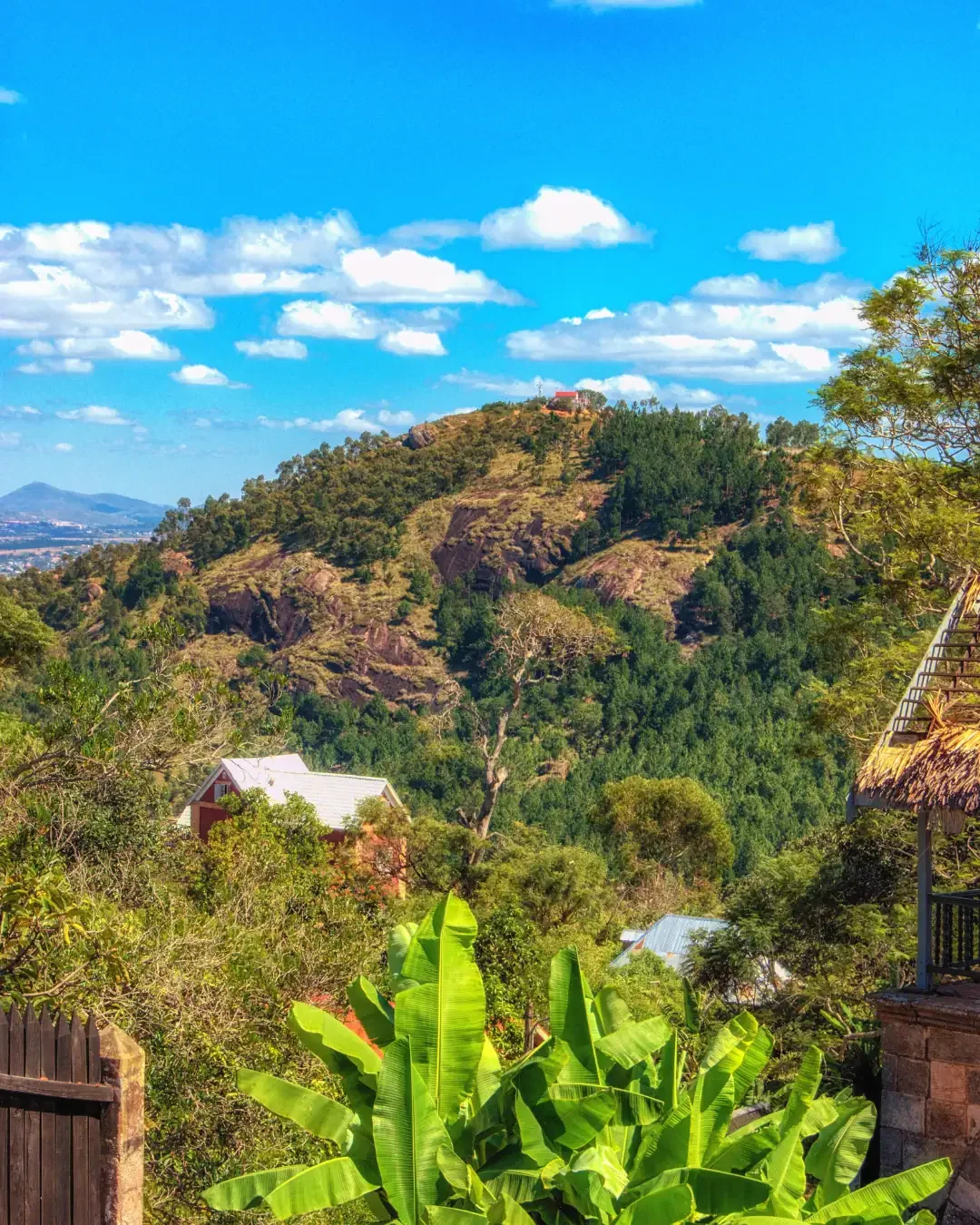
National Parks and Wildlife Tourism: Encountering Madagascar's Endemic Species
Madagascar's network of national parks and protected reserves serves as the backbone of the country's ecotourism, allowing visitors to see extraordinary wildlife while supporting the protection of …
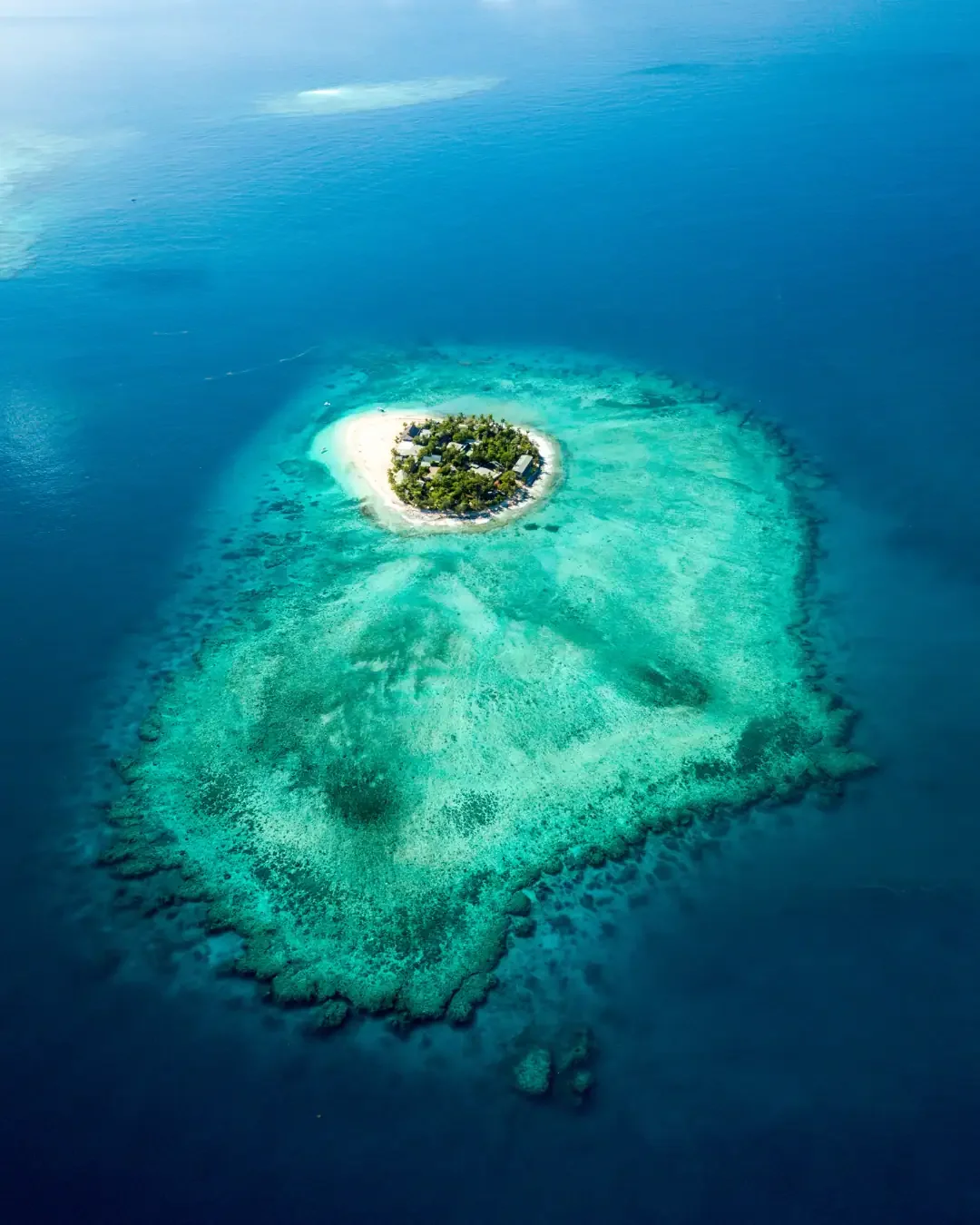
Nosy Be: Madagascar's Perfume Island and Premier Beach Destination
Nosy Be, located off Madagascar's northwest coast, is the country's largest island and premier beach tourism destination. It has earned recognition as one of the world's top ten islands while retaining the …
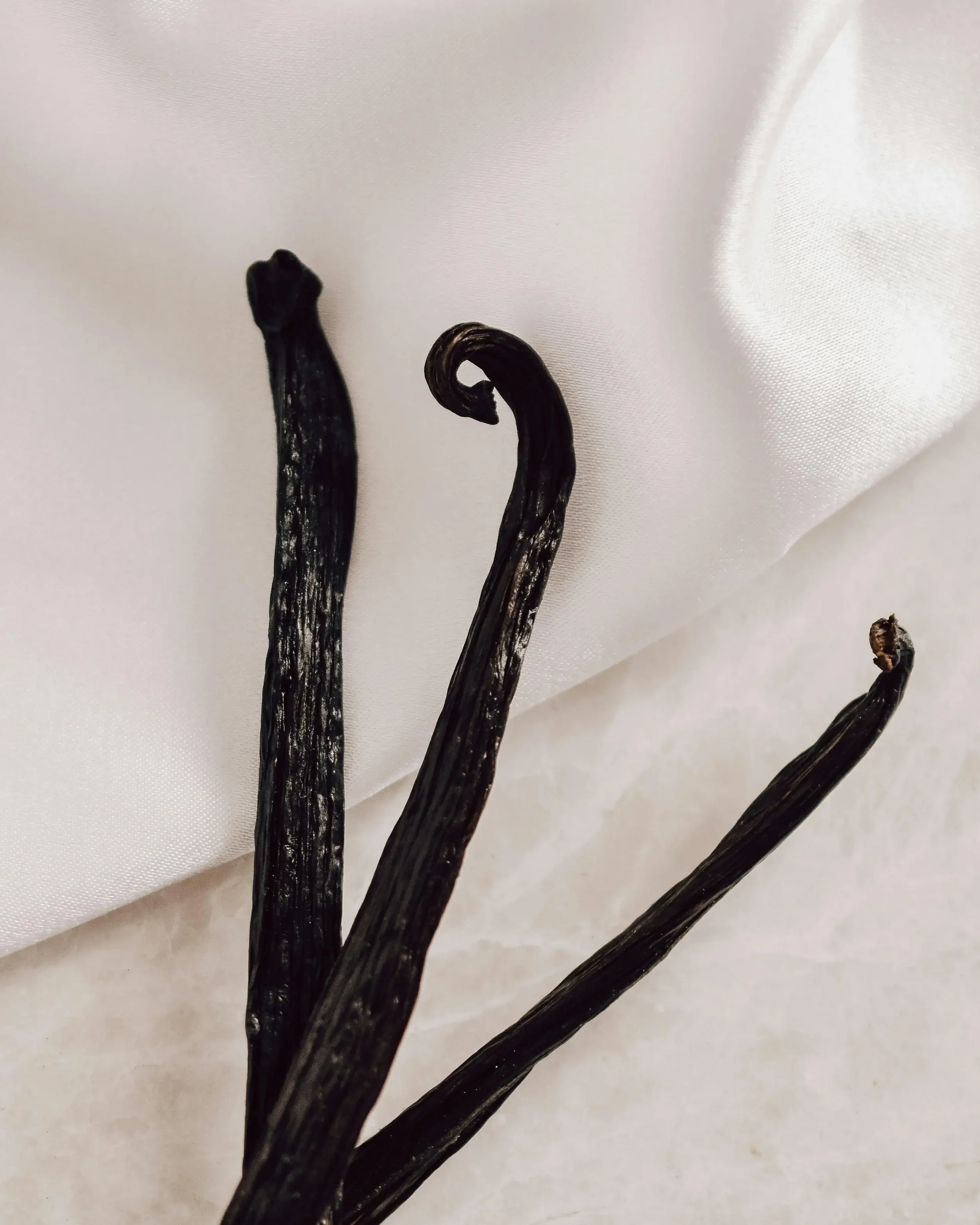
Vanilla Production: Madagascar's Black Gold and Global Dominance
Madagascar is the world's indisputable vanilla kingdom, generating over 80% of the global supply of this valuable spice—the second most expensive after saffron. In 2022, the country exported vanilla worth …
Famadihana: The Turning of the Bones and Celebration of Ancestors
Perhaps no ritual more reflects Madagascar's distinct worldview than Famadihana, the ceremonial activity of exhuming ancestors' corpses, wrapping them in new cloth, and dancing with them in joyful …
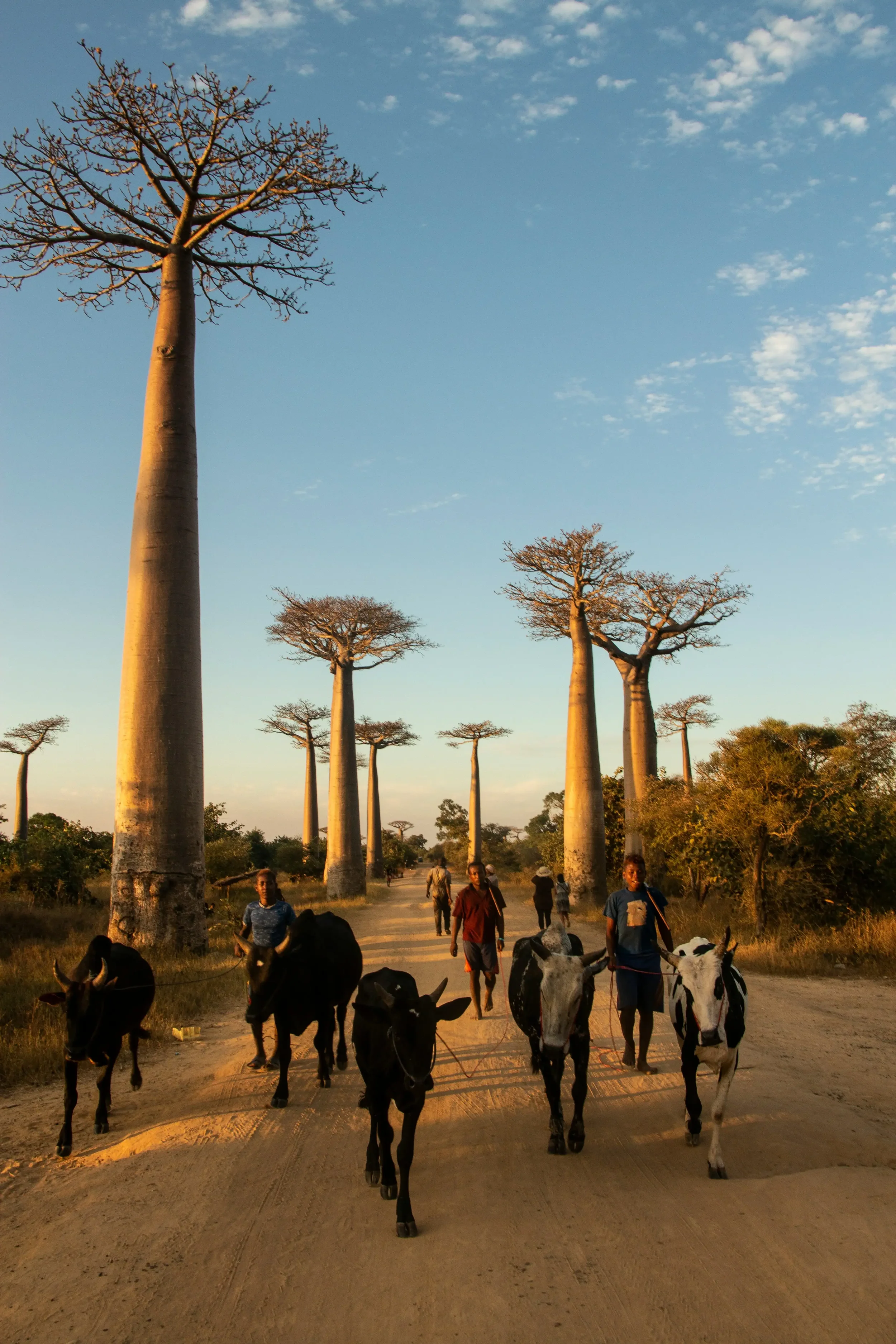
Avenue of the Baobabs: Madagascar's Iconic Natural Monument
One of Africa's most photographed natural wonders is the Avenue of the Baobabs, which runs along a dusty dirt road near Morondava in western Madagascar. Gigantic Grandidier's baobabs …
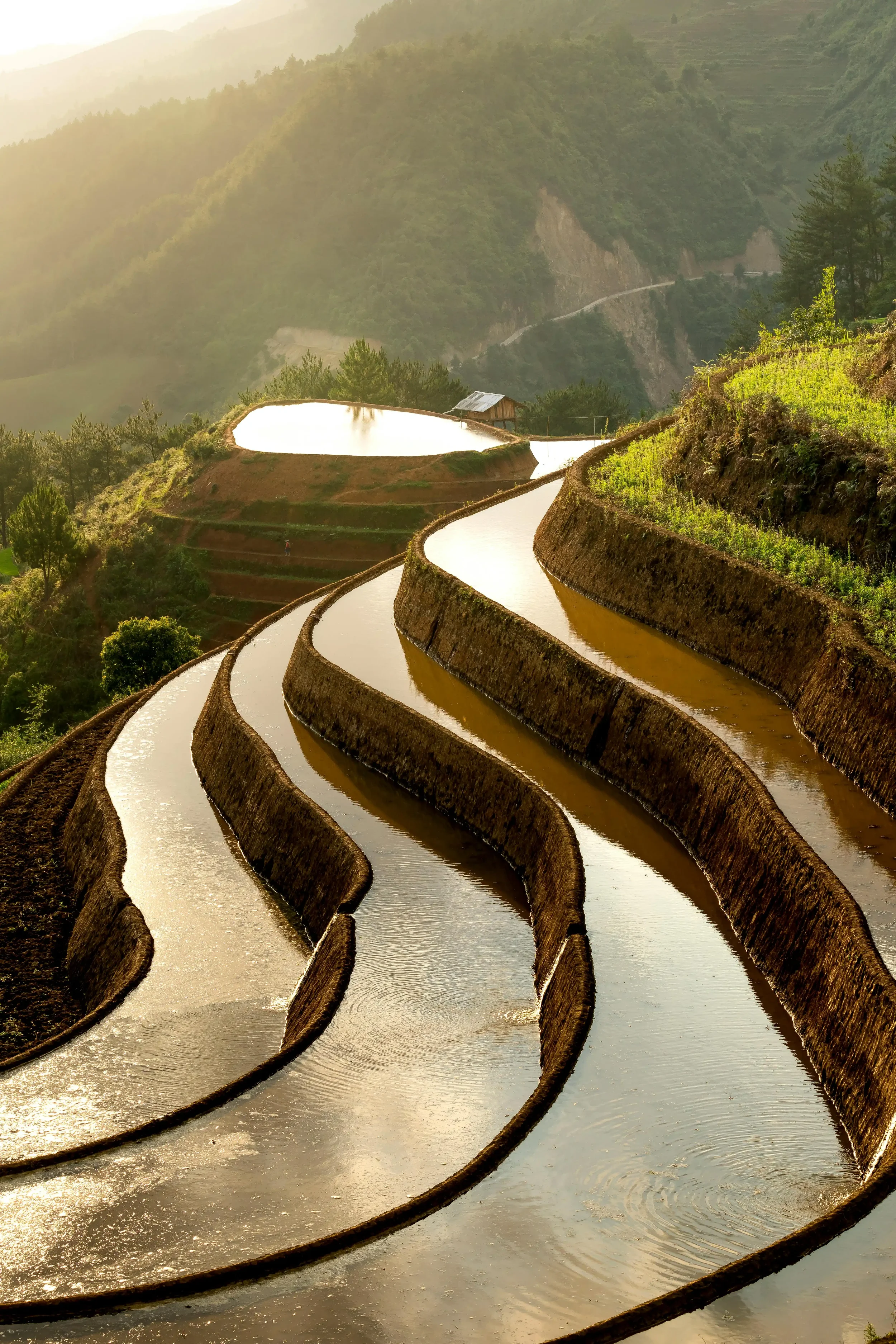
Rice Culture and Terraced Agriculture: The Foundation of Malagasy Society
Rice is more than just a staple food in Madagascar; it is the bedrock of Malagasy culture, economy, and agricultural identity. More than 70% of Madagascar's population is employed in agriculture, with …
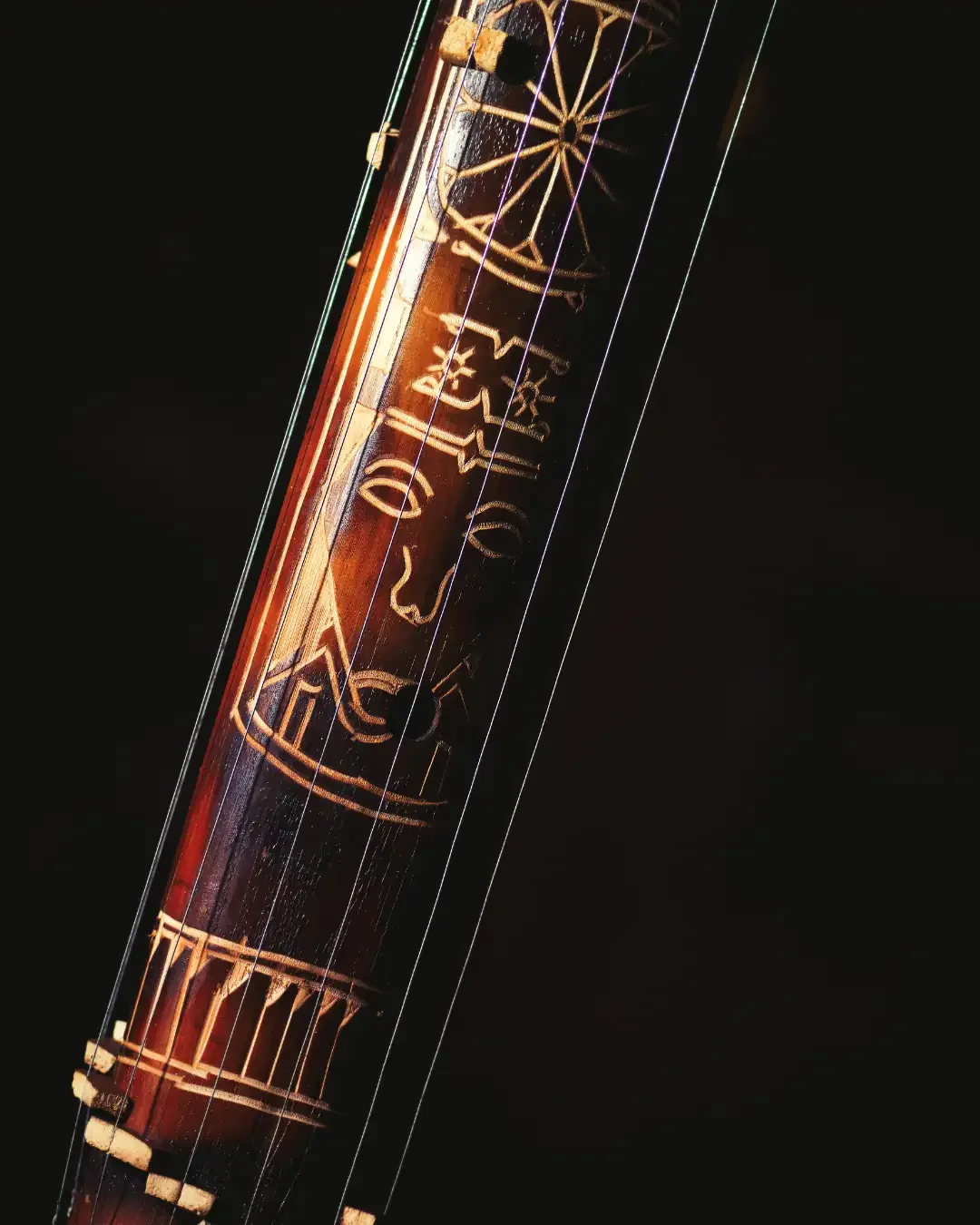
Traditional Malagasy Music: Valiha, Salegy, and the Sounds of the Island
Madagascar's musical traditions reflect the island's unusual cultural synthesis, merging Southeast Asian, African, Arab, Indian, and European influences to create soundscapes found nowhere else on …
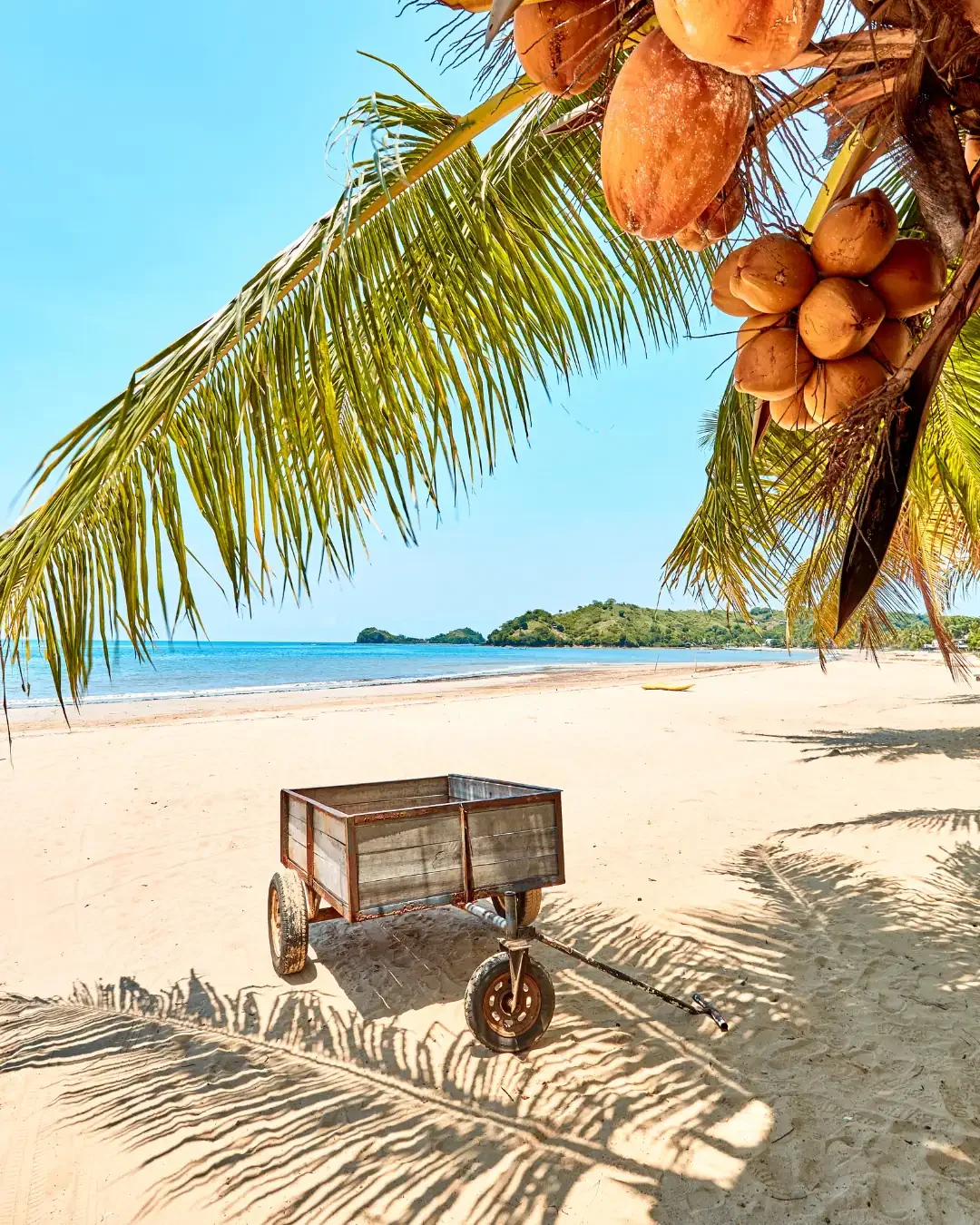
Madagascar Tourism Growth: Recovery and Ambitious Targets for 2028
Following the worldwide health crisis, Madagascar's tourism business displayed exceptional endurance and growth, with notable rebound years in 2024 and 2025. In 2024, Madagascar welcomed 316,873 …
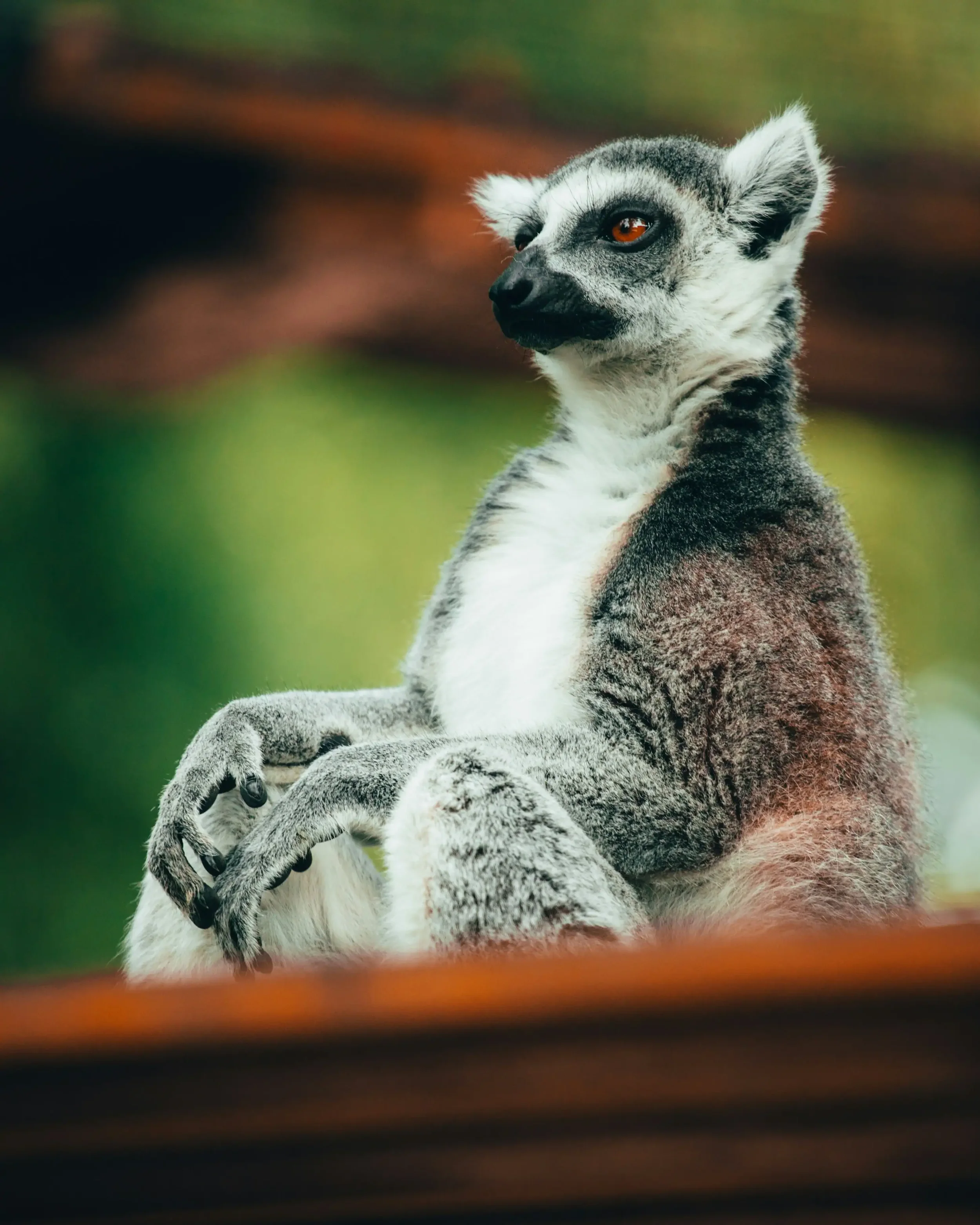
Lemurs and Madagascar's Extraordinary Endemic Biodiversity
Madagascar is properly referred to as a biodiversity hotspot, but its most famous ambassadors are definitely lemurs, primates found nowhere else on Earth. Approximately 115 lemur species live in …