Articles
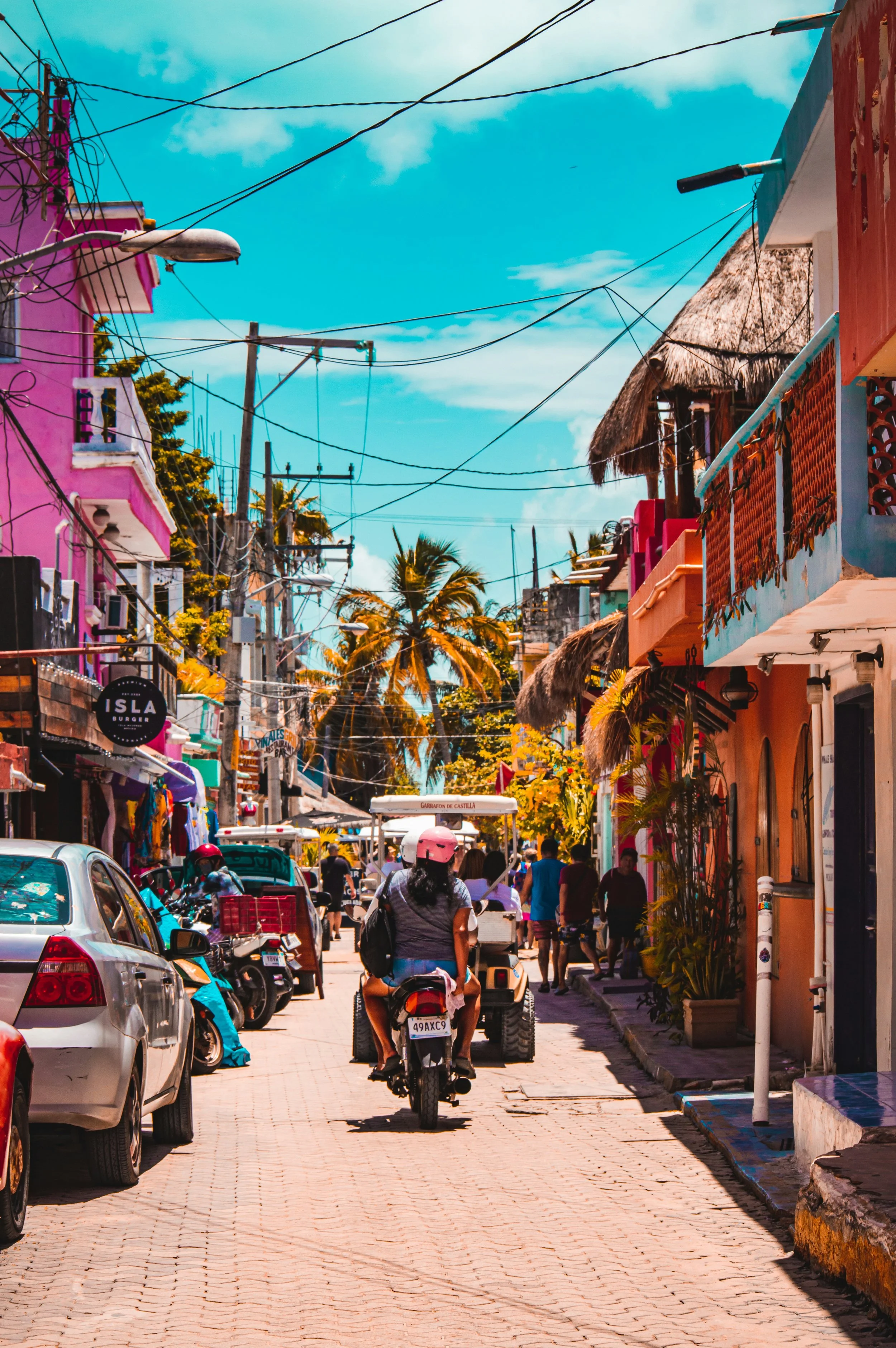
Mexico's Tourism Industry: 45 Million Annual Visitors, $32+ Billion Revenue, and Diverse Destination Portfolio
Mexico is the world's sixth-most visited country and the second-most visited destination in the Americas (after the United States), with approximately 45 million international visitors in…
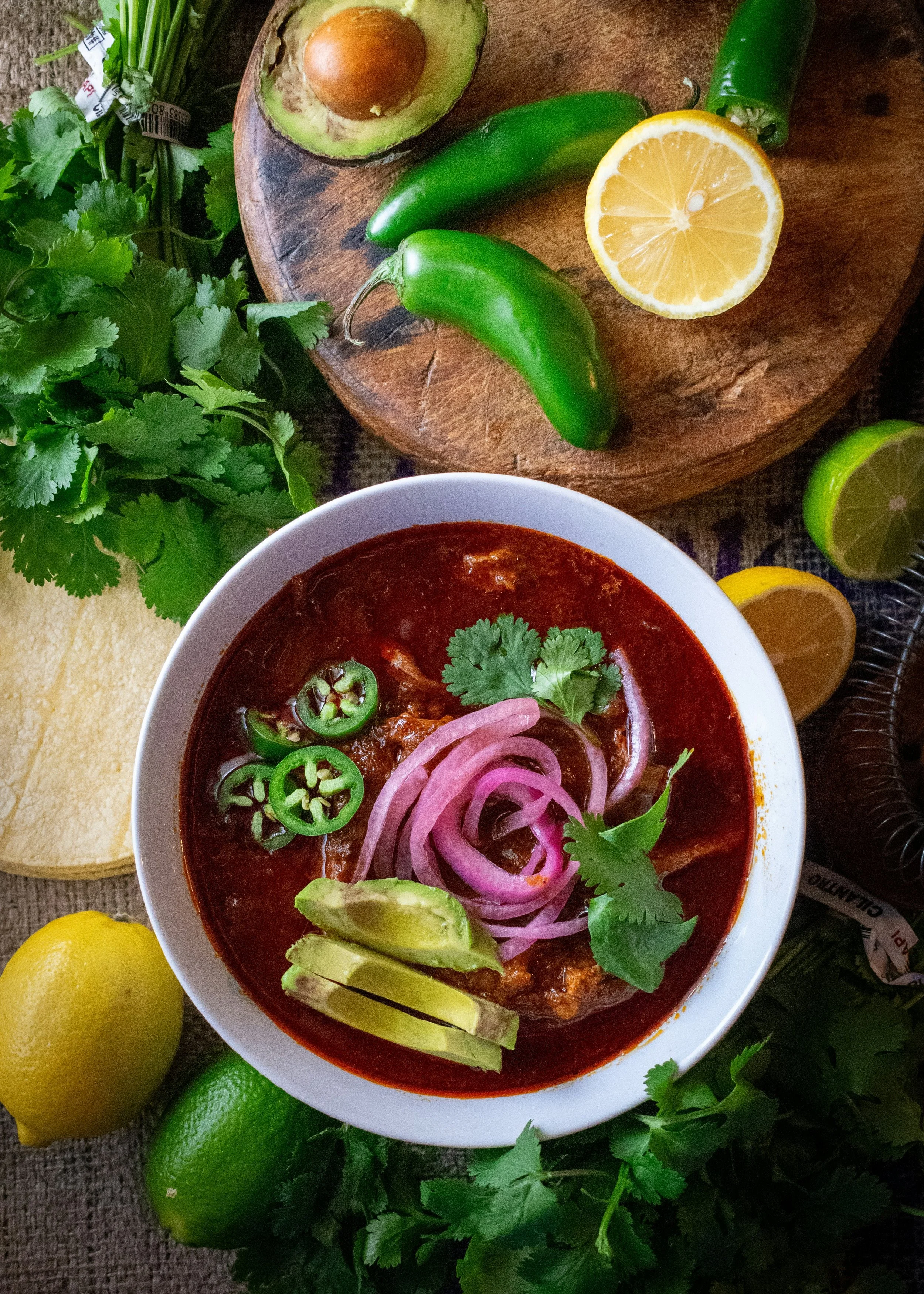
Mexican Cuisine: UNESCO-Recognized Cultural Masterpiece Born from Indigenous Roots and Colonial Fusion
Mexican cuisine is much more than a collection of recipes; it is a full cultural system that was officially recognised by UNESCO in 2010 as Intangible Cultural Heritage of…
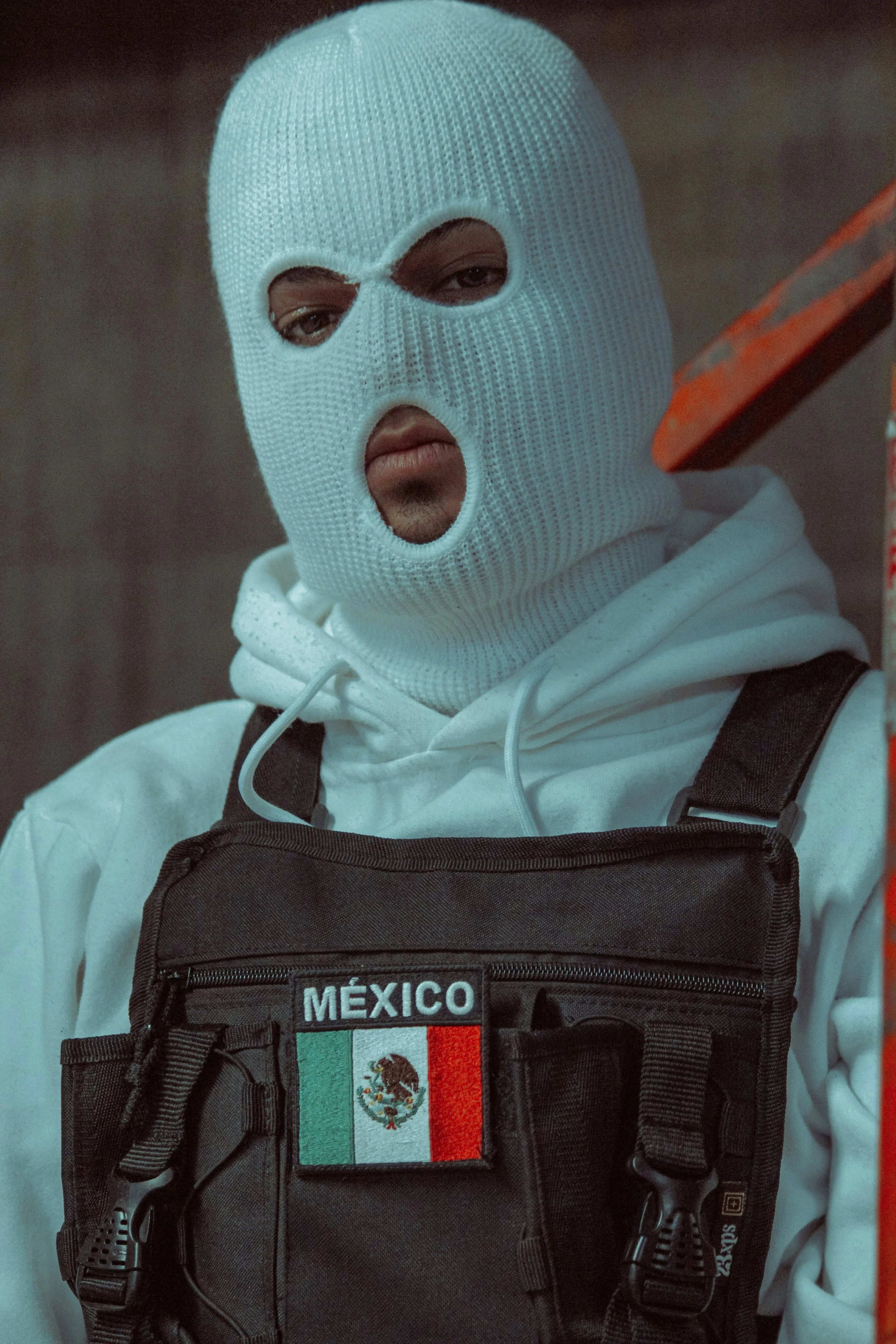
Mexico's Drug Cartels and Organized Crime: A Violent Crisis Reshaping Mexican Society
Since 2018, Mexico has seen an unparalleled epidemic of organised criminal violence, with over 30,000 homicides per year. This has resulted in widespread instability and rendered drug trafficking…
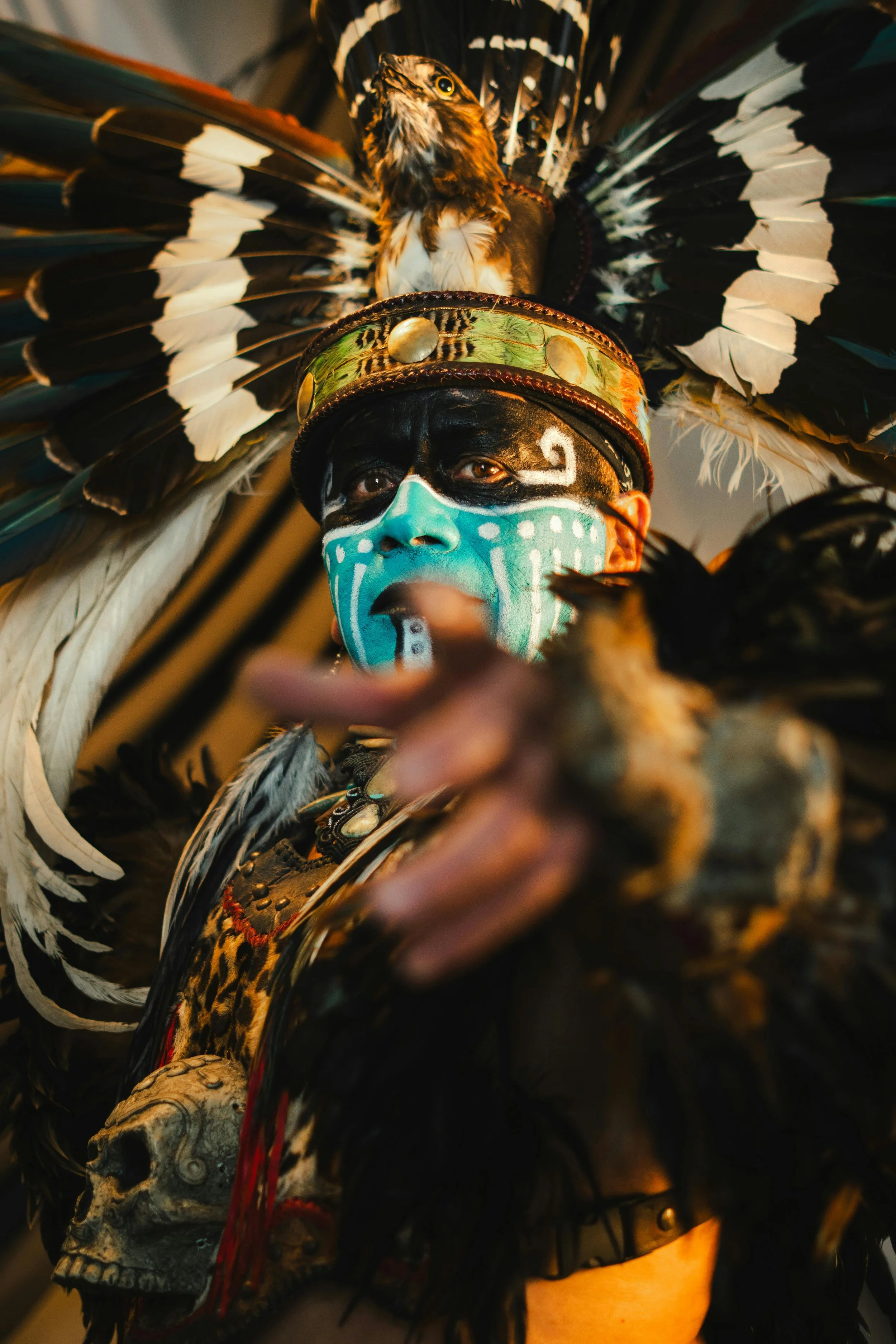
Día de Muertos (Day of the Dead): A Three-Day Festival Blending Indigenous and Catholic Traditions
Día de Muertos (Day of the Dead) is Mexico's most distinctive and globally recognised cultural celebration, a three-day festival (October 31-November 2) where families gather to…
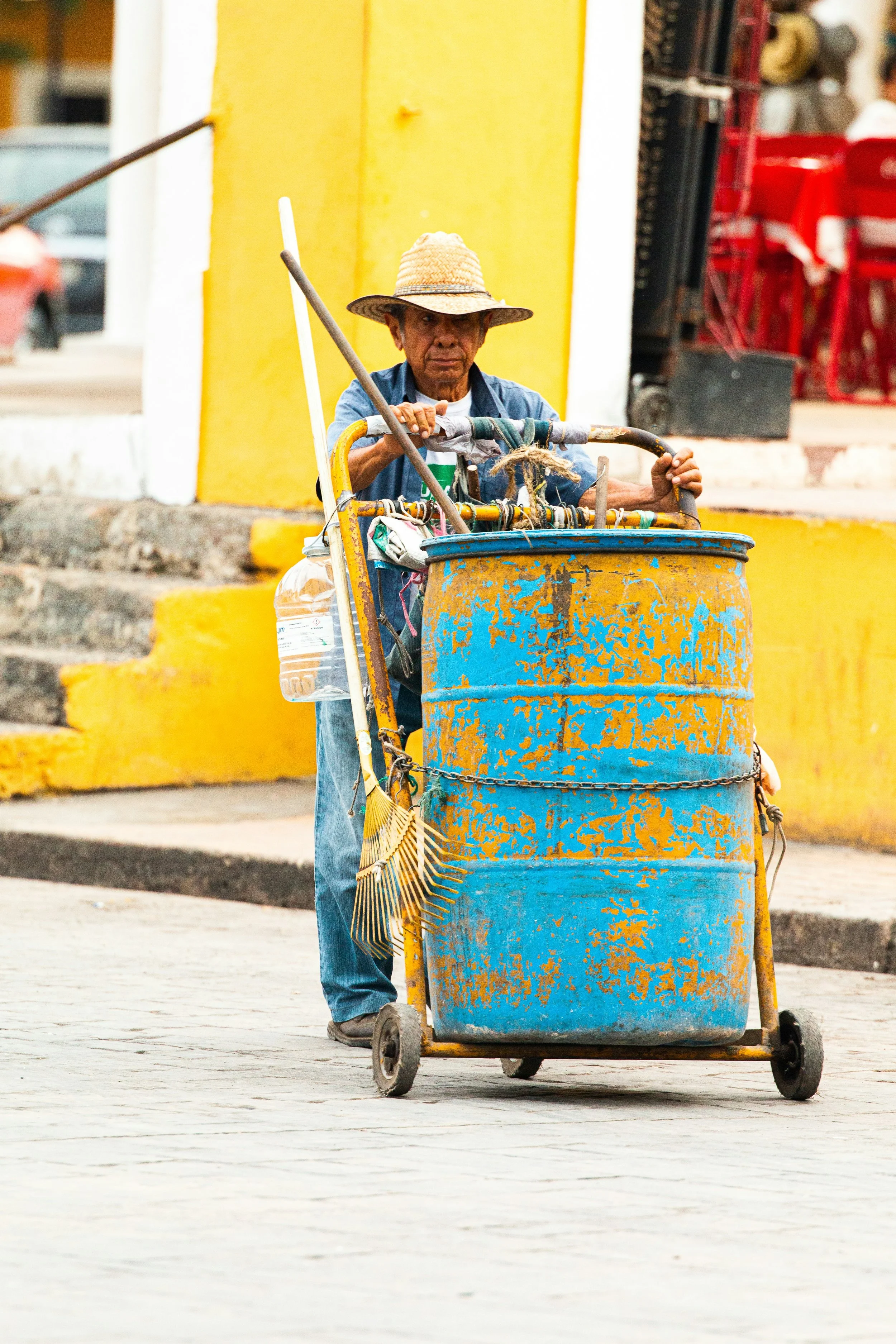
Inequality and Poverty in Mexico: Extreme Wealth Concentration Amid Persistent Systemic Deprivation
Mexico's economic landscape is starkly paradoxical, with extraordinary wealth concentration coexisting with persistent mass poverty affecting approximately 29.6% of the population…
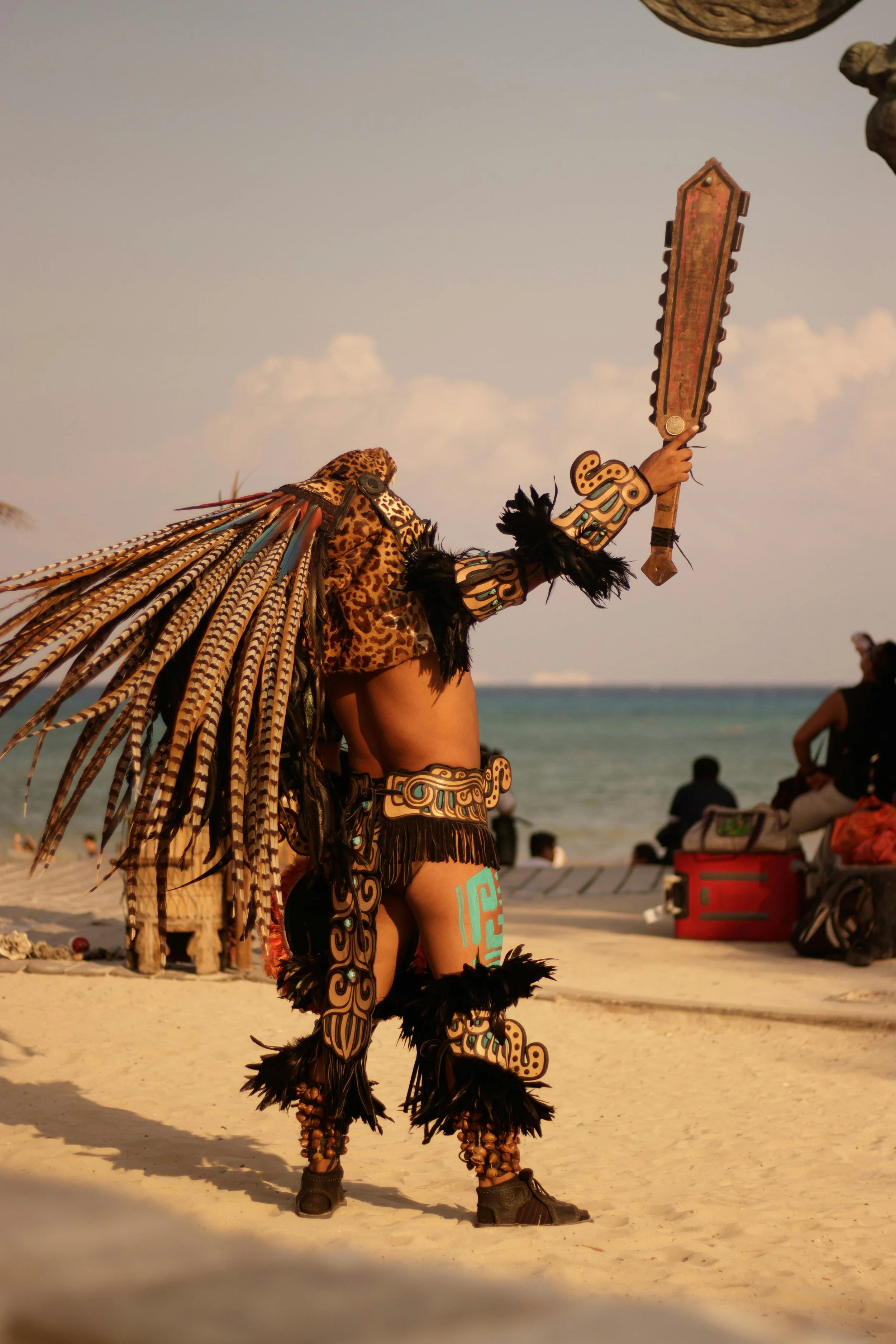
Indigenous Rights and Land Dispossession: Historical Oppression and Contemporary Struggles for Recognition
Despite constitutional acknowledgement of collective rights and autonomous administration, Mexico's indigenous peoples, who account for around 10% of the national population…
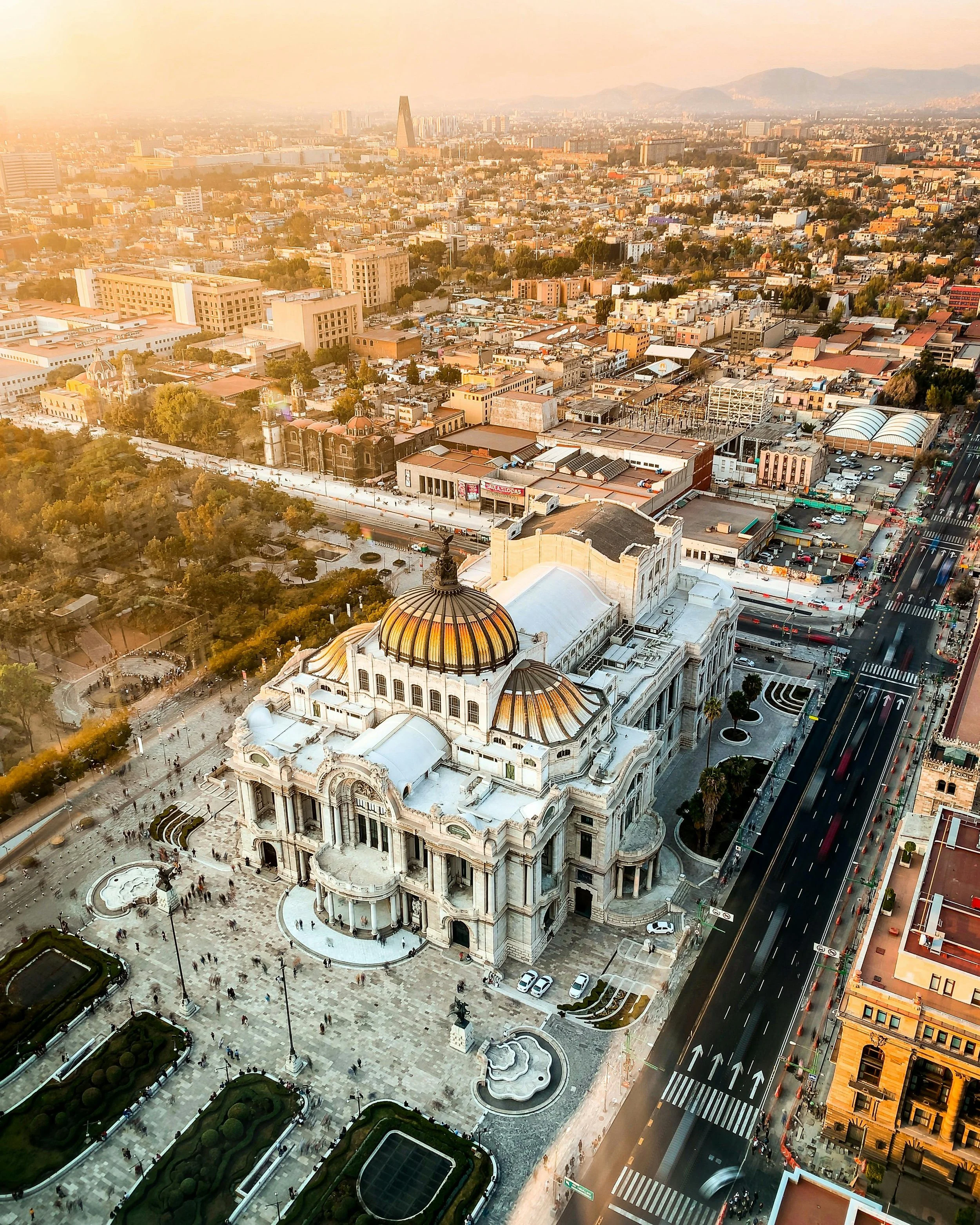
Mexico City and Tenochtitlan: An Ancient Island City in Lake Texcoco Revealing Extraordinary Aztec Engineering
Mexico City, built atop the ruins of Tenochtitlan, is one of history's most geographically improbable and architecturally sophisticated urban centers—an island city built in the middle of…
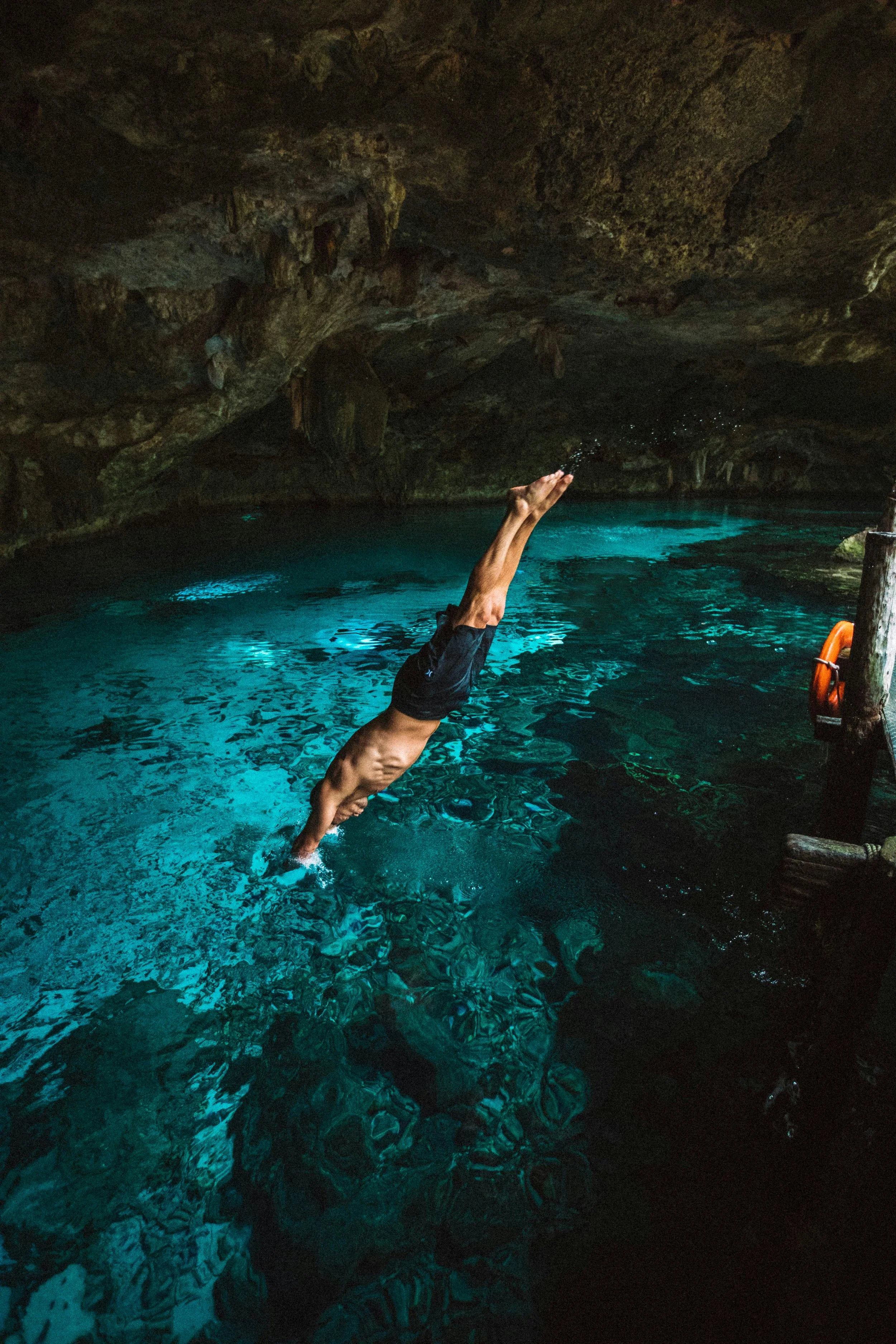
Cenote Diving and Cave Exploration: Exploring Mexico's Underwater Mayan Archaeology
Cenote diving in Tulum and the Yucatán Peninsula is one of the world's most extraordinary adventure tourism experiences, providing direct access to crystalline underground freshwater…
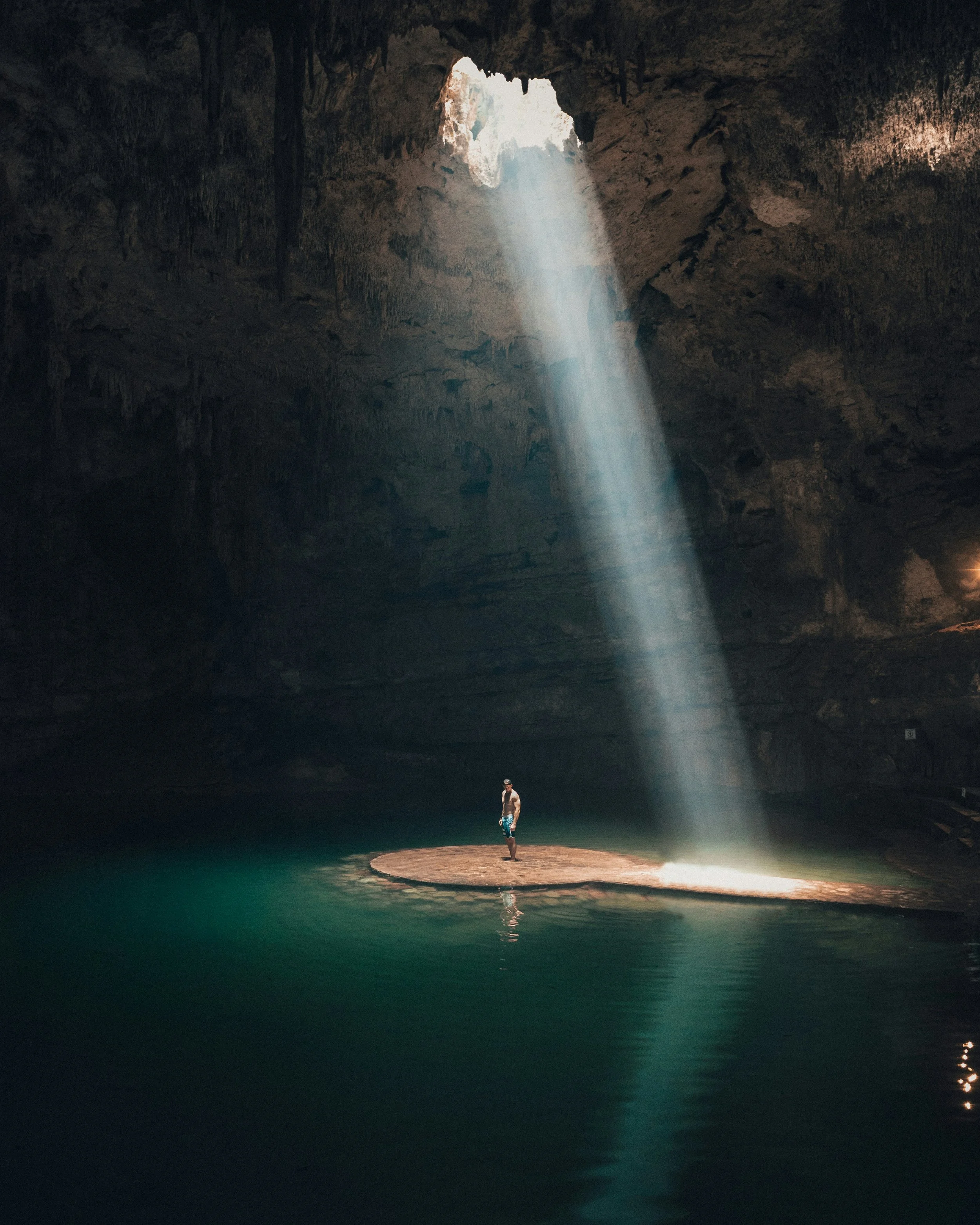
Cenotes: Sacred Underground Limestone Sinkholes and Aquifer System Sustaining the Yucatán Peninsula
Cenotes are one of Earth's most distinctive geological and hydrological features—natural sinkholes formed in limestone bedrock where cave ceilings have collapsed, exposing underground…
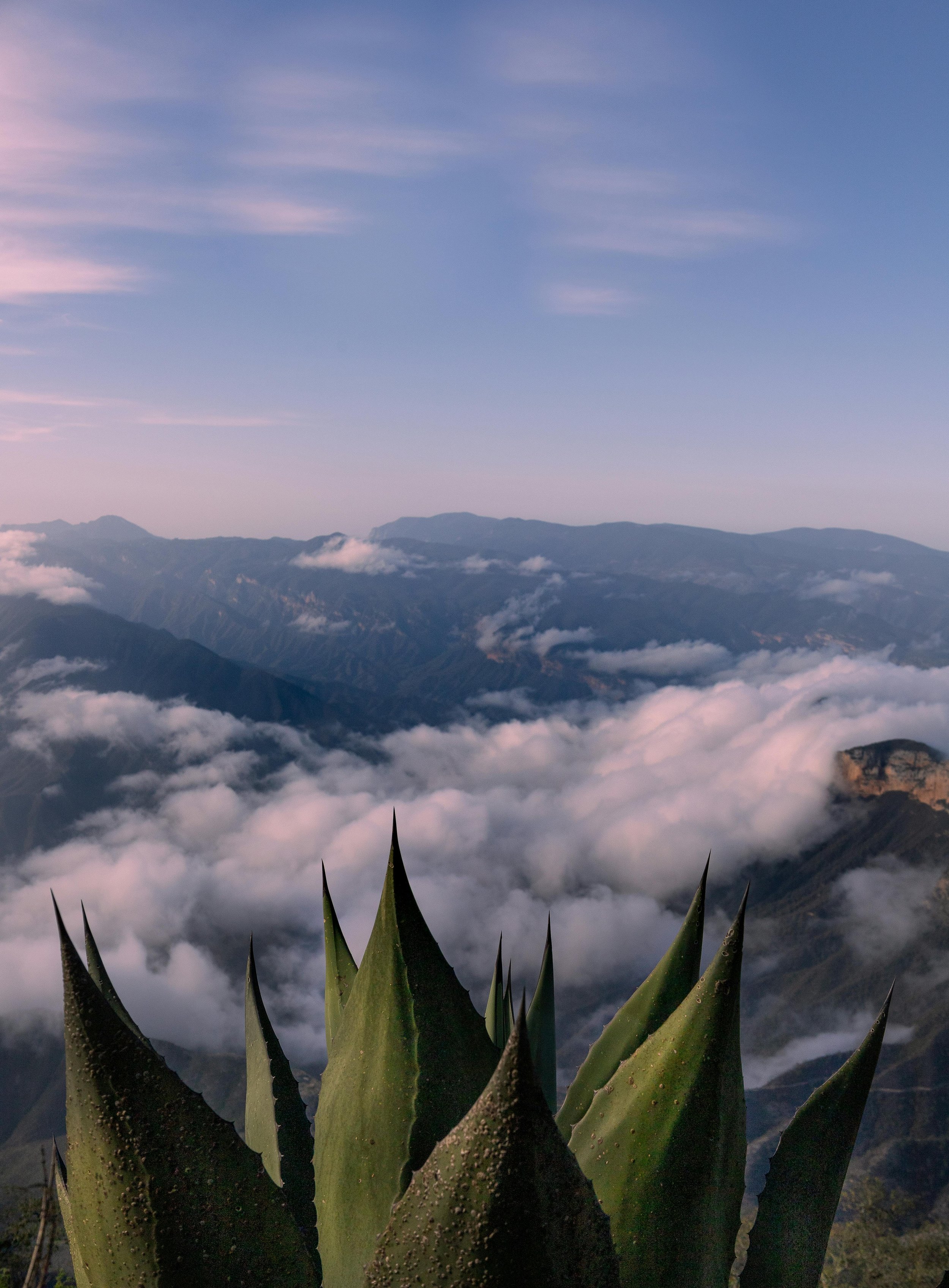
Sierra Madre Mountain System: Three Massive Ranges Enclosing the Mexican Plateau and Defining Continental Geography
The Sierra Madre is Mexico's primary mountain system, consisting of three major ranges—Sierra Madre Occidental, Sierra Madre Oriental, and Sierra Madre del Sur—that form a…
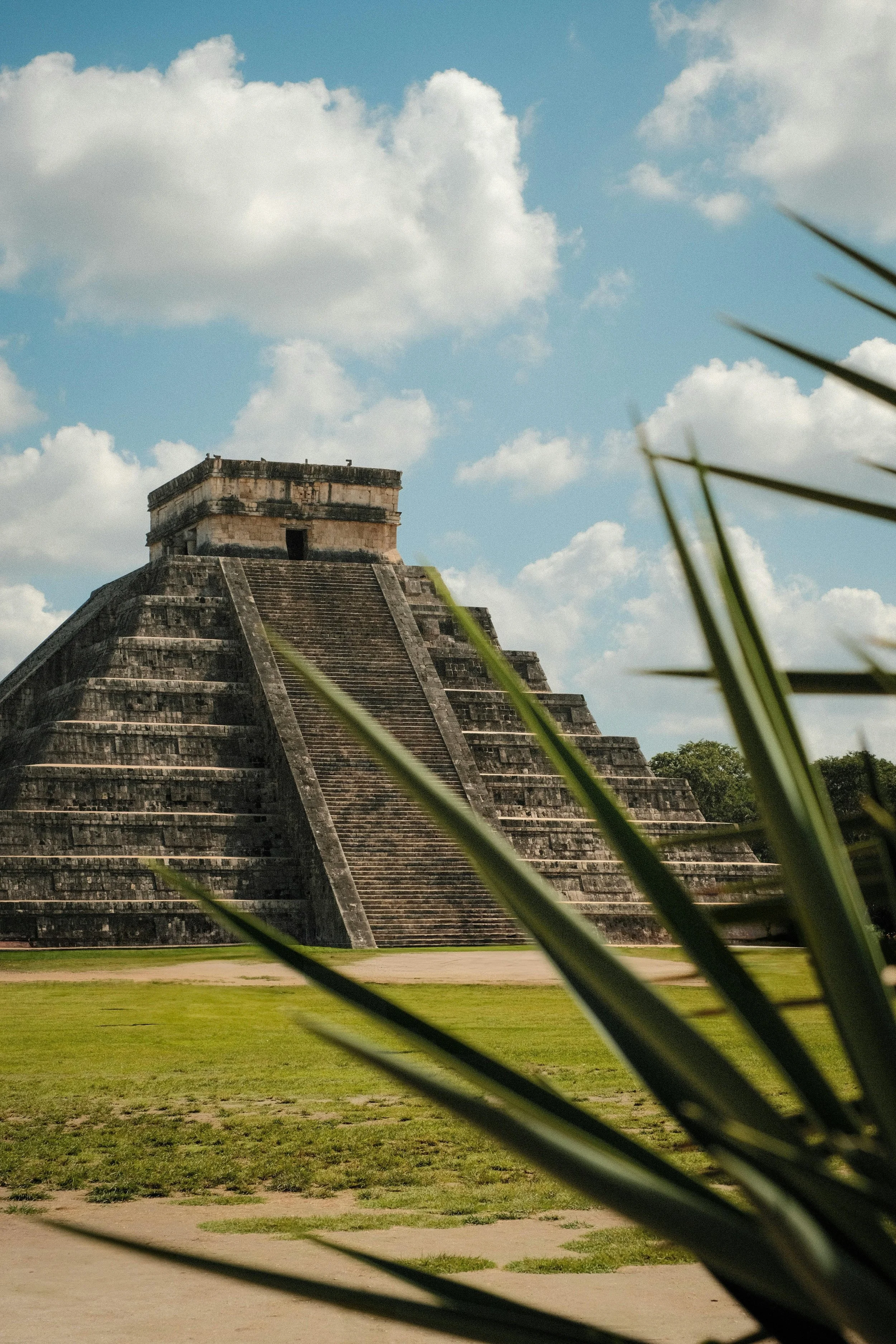
Chichén Itzá: One of the World's Greatest Maya Archaeological Sites and New Seven Wonders
Chichén Itzá, located on Mexico's Yucatán Peninsula, was designated a UNESCO World Heritage Site in 1988 and a New Seven Wonders of the World in 2007. It is one of the world's most…
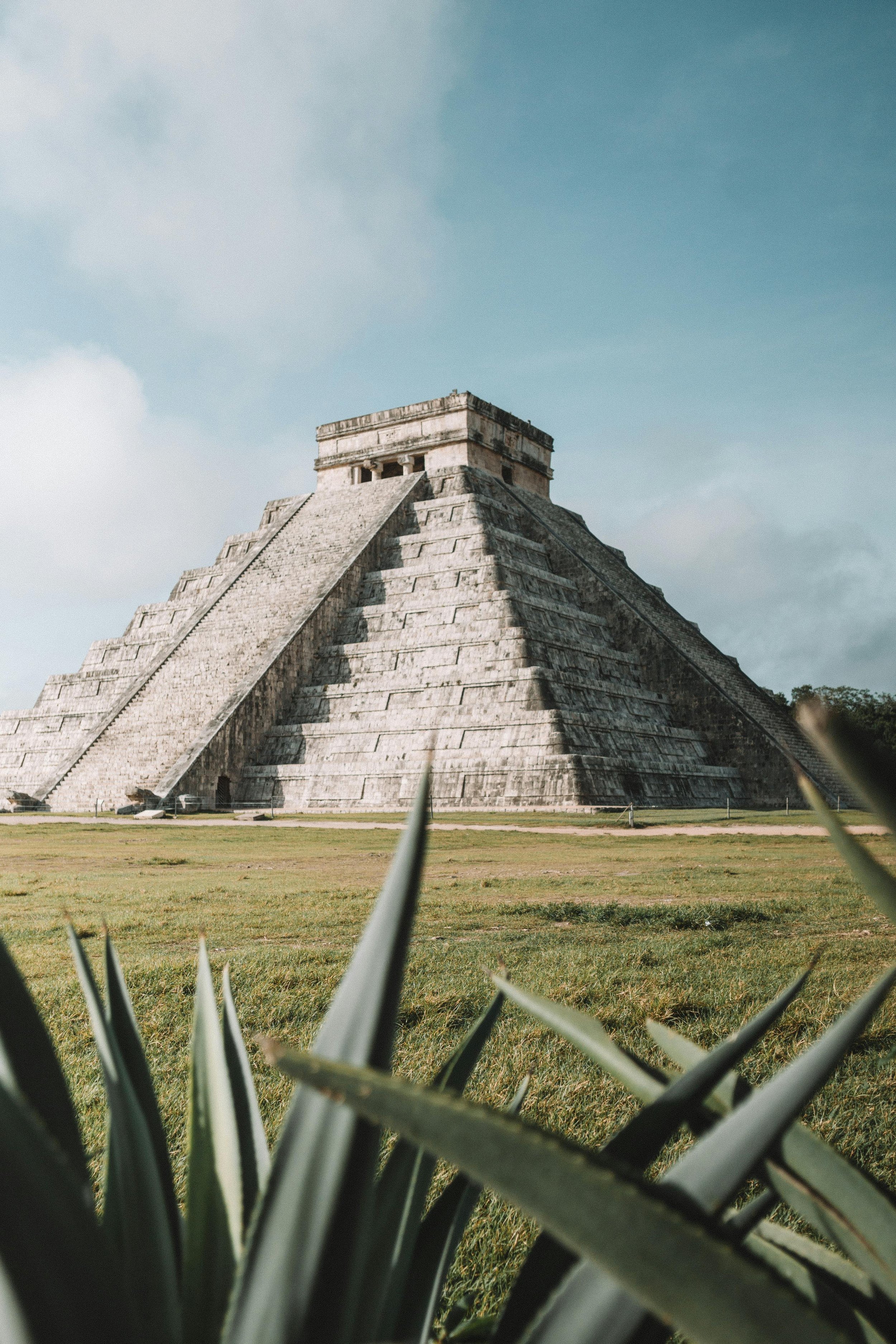
Ancient Aztec and Maya Civilizations: Two Monumental Cultures That Shaped Mesoamerica
Mexico's ancient Aztec and Maya civilisations are among the world's most sophisticated and important pre-Columbian societies, with each achieving astonishing achievements in…