
Articles
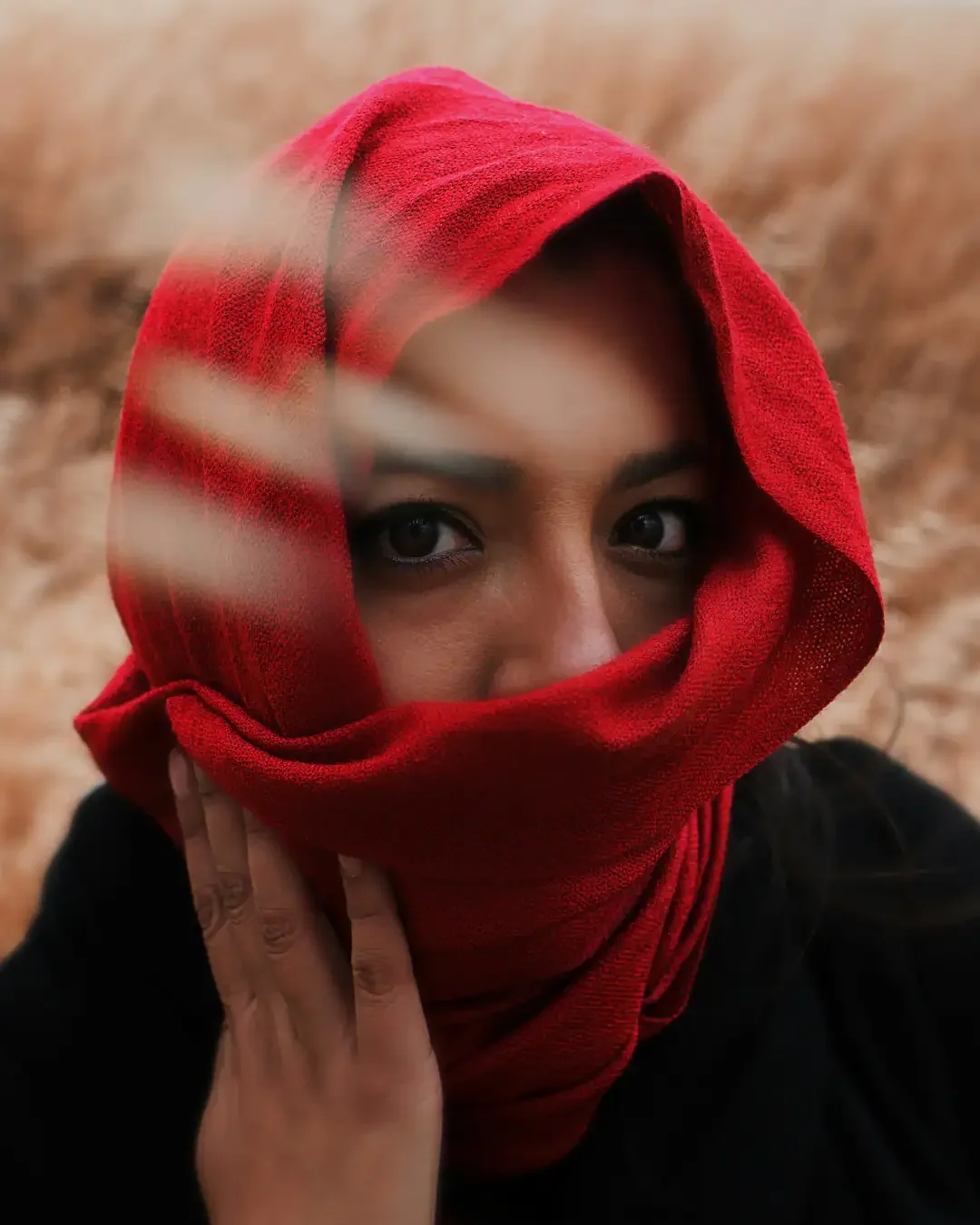
Tunisian Women and the Arab World's Most Progressive Gender Laws
When Tunisia obtained independence from France in 1956, its first president, Habib Bourguiba, promptly implemented the Code of Personal Status, a set of family laws that distinguished the country from …

Sweden’s Welfare State and Gender Equality
Sweden is well-known for its comprehensive welfare state and strong dedication to gender equality, which influence both daily living and worldwide impressions of the country. Sweden's policies prioritize both high …
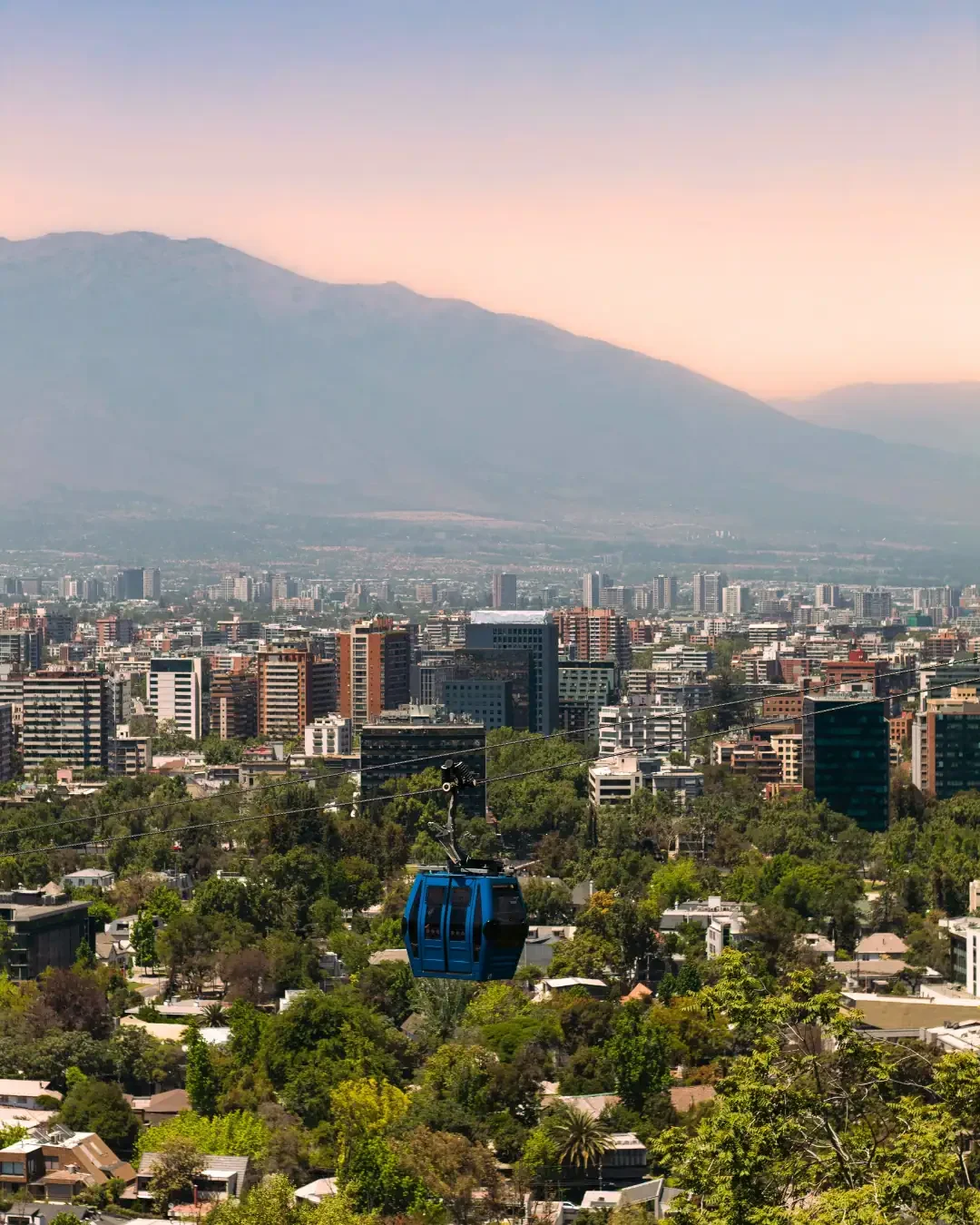
Urban Parks and Social Life in Santiago: The Case of Cerro San Cristóbal
Cerro San Cristóbal, located in the center of Santiago, rises approximately 300 meters above the surrounding city and is part of the Parque Metropolitano, one of the largest urban parks in Latin America. This natural …
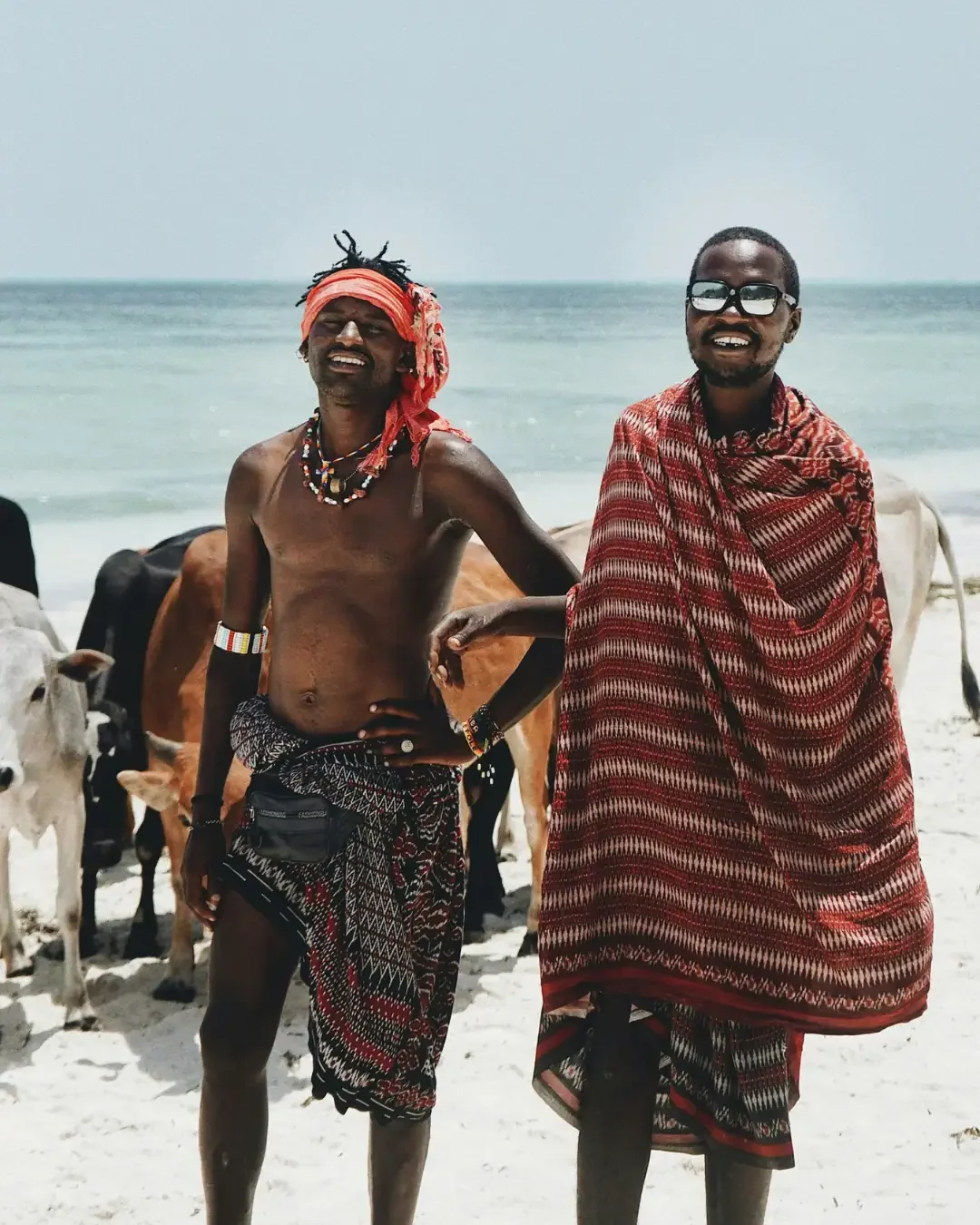
Swahili Language and Cultural Identity
Kiswahili, often known as Swahili, is one of Africa's most important languages, serving as both a useful tool for communication throughout East Africa and a potent symbol of cultural unity and identity. Originating in …
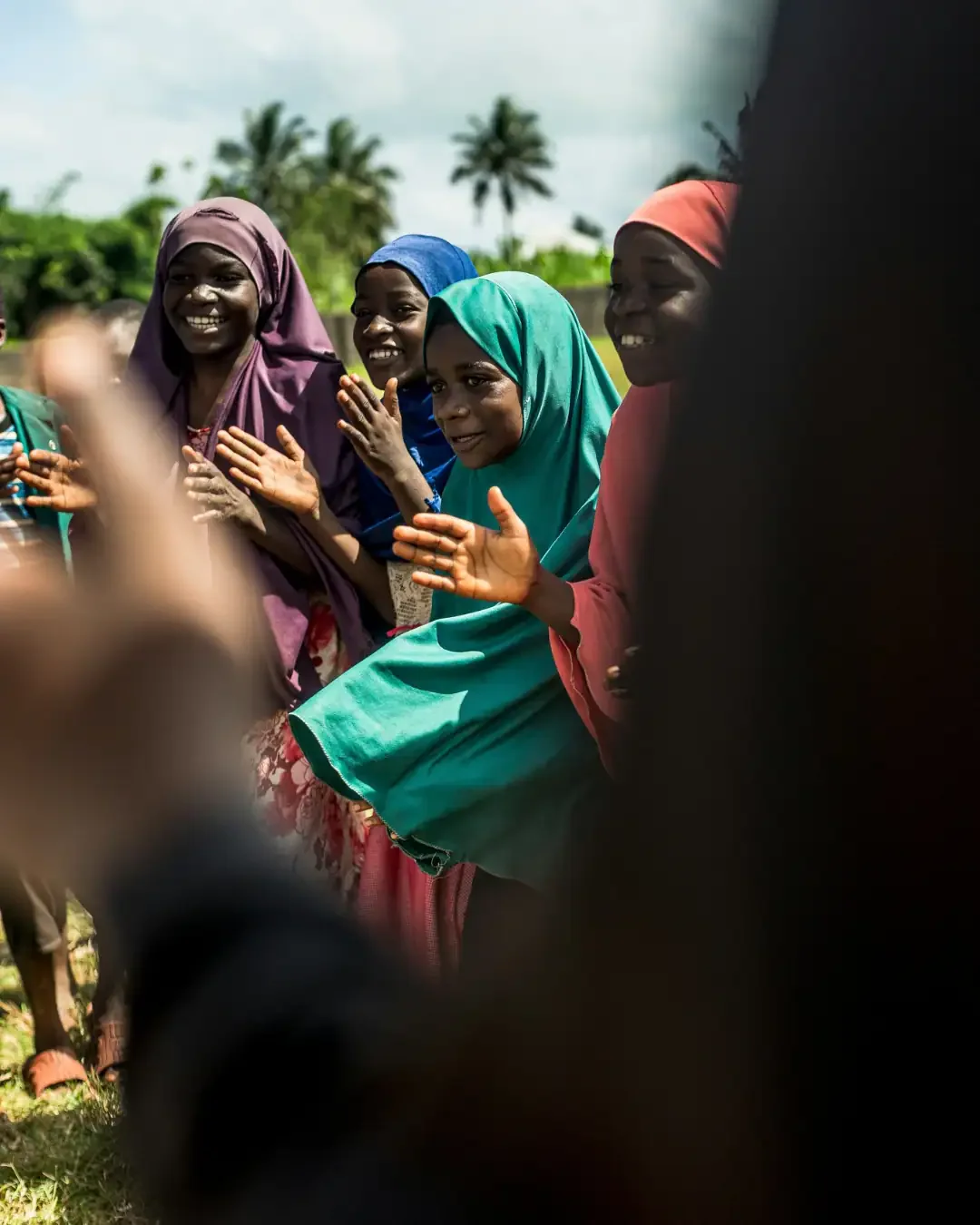
Women's Education and Gender Equality Progress
Tanzania has made great progress in women's education and gender equality during the last decade, accomplishing important milestones while facing serious hurdles. The country's commitment to …
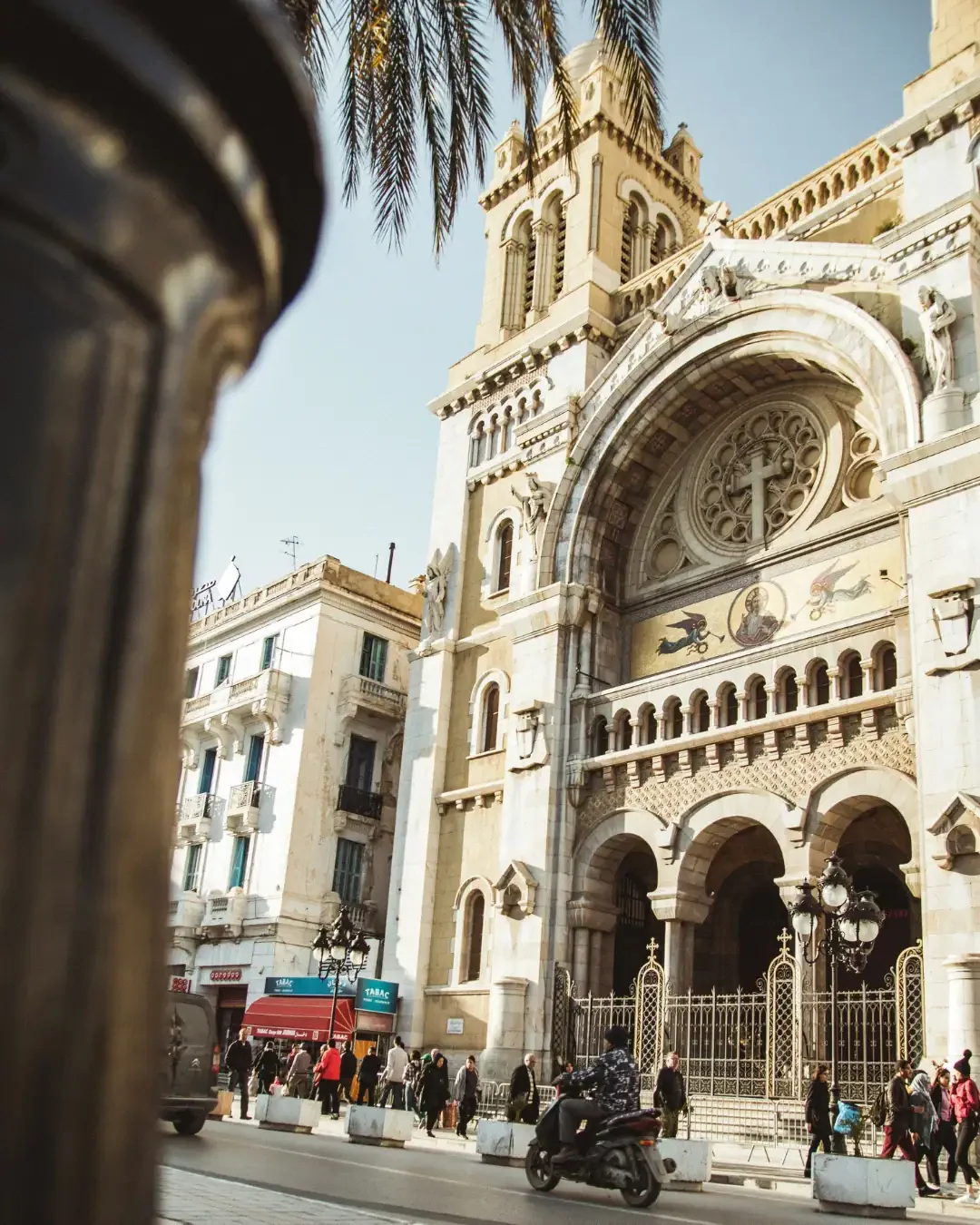
The Jasmine Revolution: How Tunisia Sparked the Arab Spring
On January 14, 2011, an astonishing event occurred on Habib Bourguiba Boulevard in Tunis: President Zine El-Abidine Ben Ali, who had ruled Tunisia for 23 years with a tight grip on surveillance, corruption, and brutality, …

Fika, Lagom, and Work–Life Balance
Sweden's reputation for high productivity and innovation stems from a social philosophy that values balance, moderation, and shared time, generally represented through two important concepts: fika …
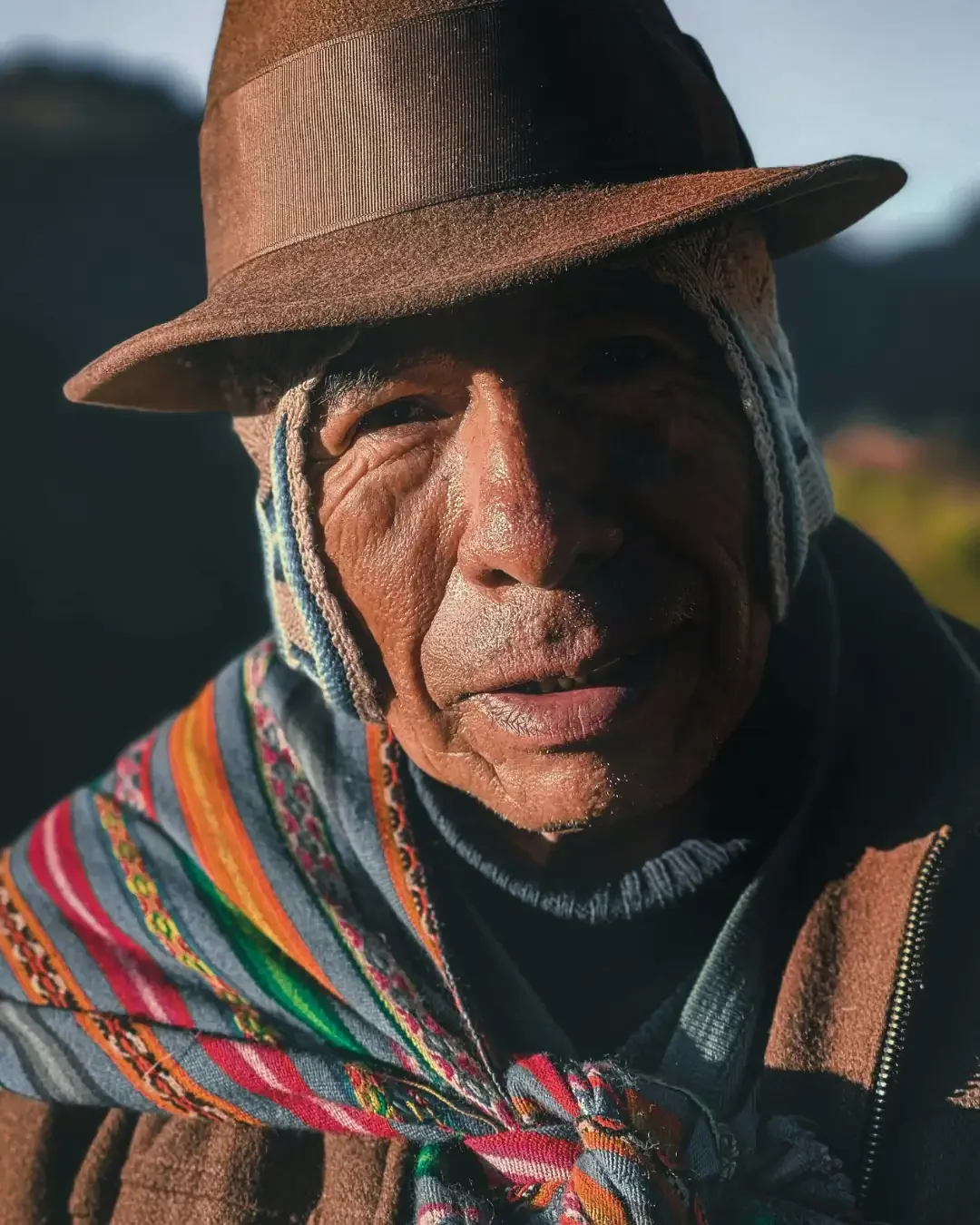
Mapuche Culture and Contemporary Revitalization
The Mapuche are Chile's largest indigenous group, mostly residing in the south-central regions of Araucanía, Biobío, and Los Ríos, as well as metropolitan Santiago. Historically, Mapuche …
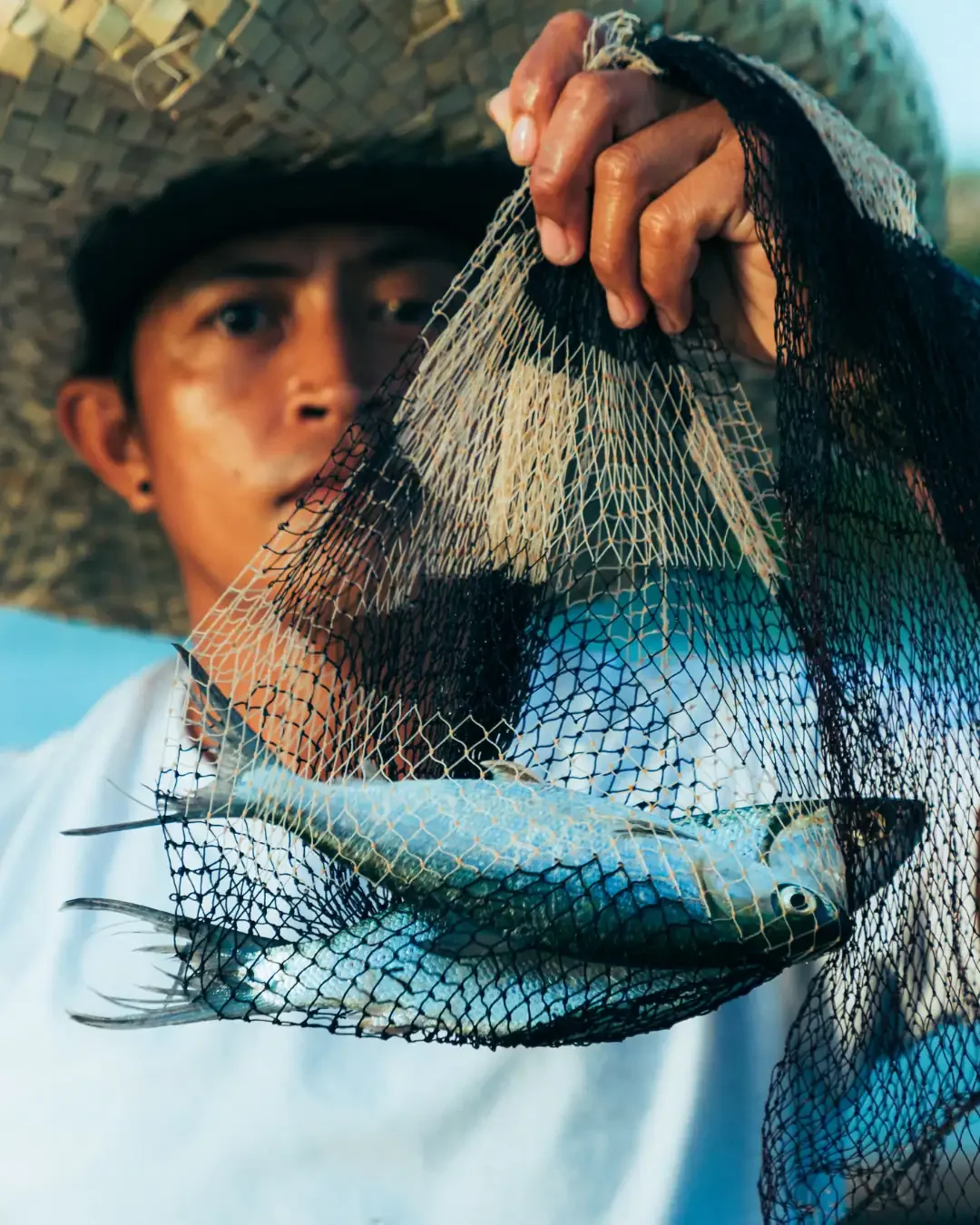
Overseas Filipino Workers: Heroes, Sacrifice, and the Economy of Love
Few social phenomena define the Philippines today as profoundly as the OFW—the Overseas Filipino Worker—a category of human experience that is a source of tremendous national pride, severe economic …
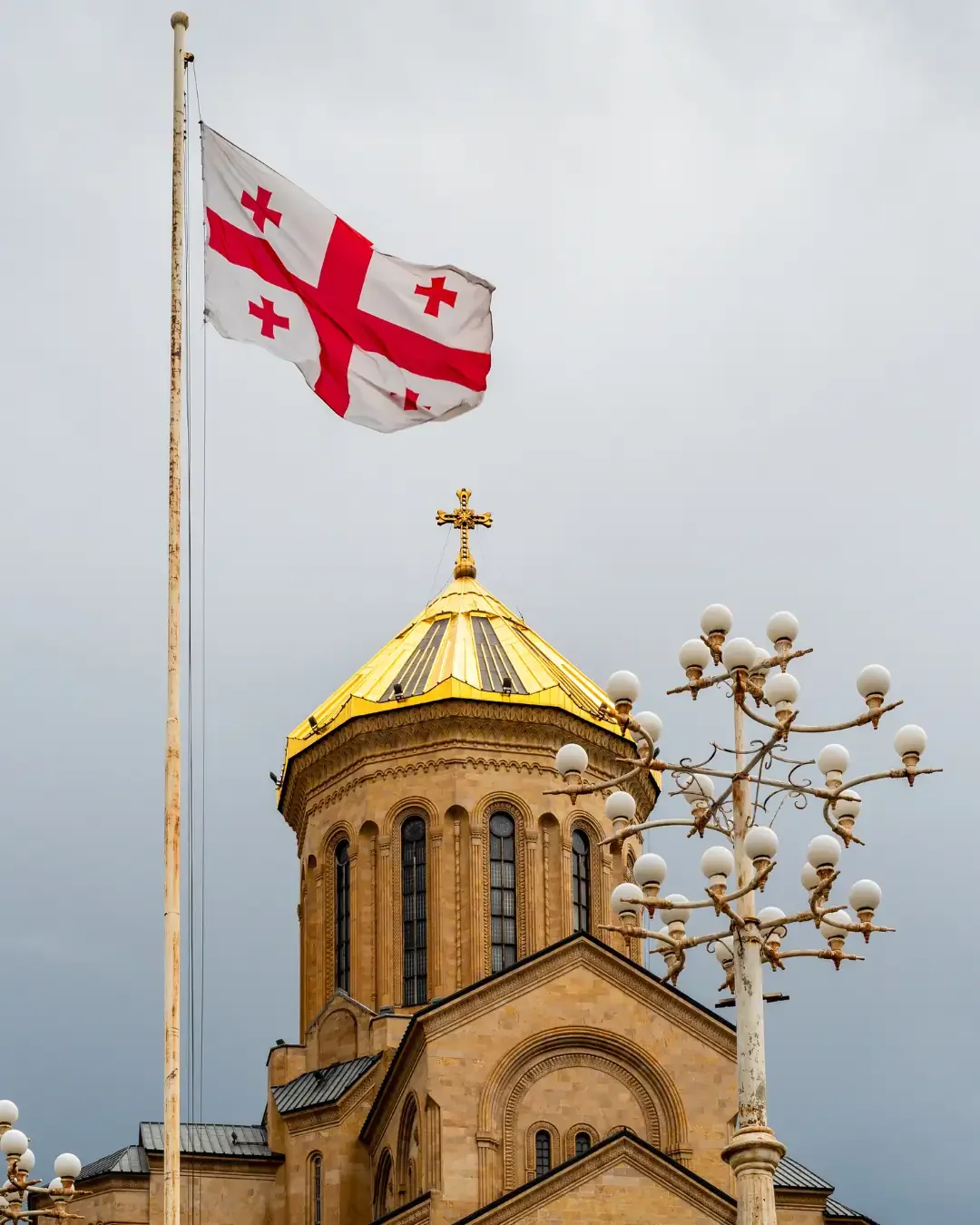
LGBTQ+ Rights: A Nation at a Crossroads Between Europe and Authoritarian Models
Georgia's stance on LGBTQ+ rights has taken an alarming turn in 2025, representing a dramatic shift away from previous efforts toward inclusion. Georgian lawmakers adopted revisions to gender equality …
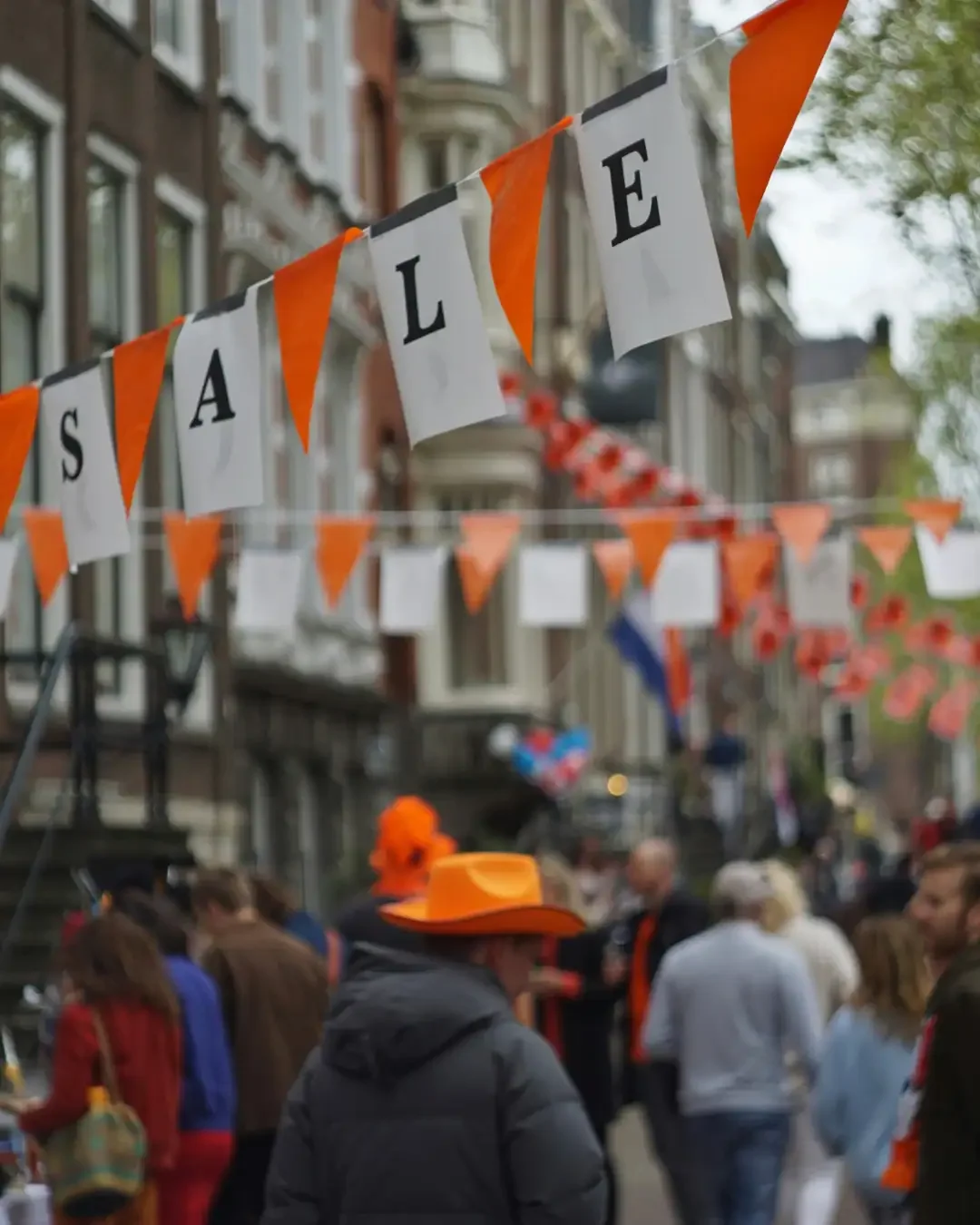
King’s Day: A Sea of Orange on the Canals
Every year on April 27, the Netherlands erupts into a nationwide street party called Koningsdag (King's Day) to celebrate King Willem-Alexander's birthday. The country transforms into an "orange sea" as citizens …
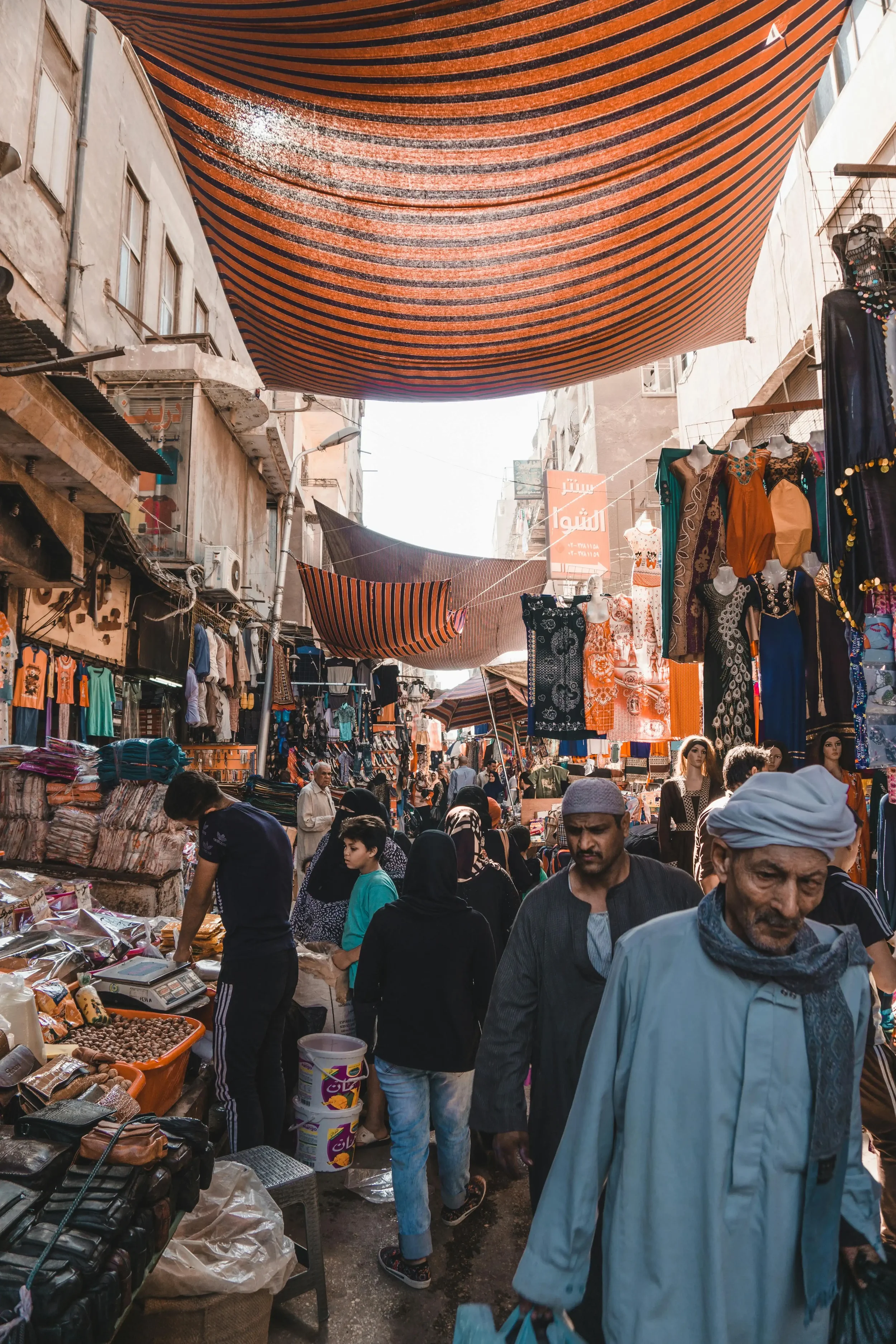
Youth Employment Challenges: Navigating the Demographic Bulge
Egypt's labor market in 2026 presents a complicated paradox: nominally low unemployment rates of around 6.4% conceal profound difficulties in work quality and widespread informality. The country adds about 1.6 …
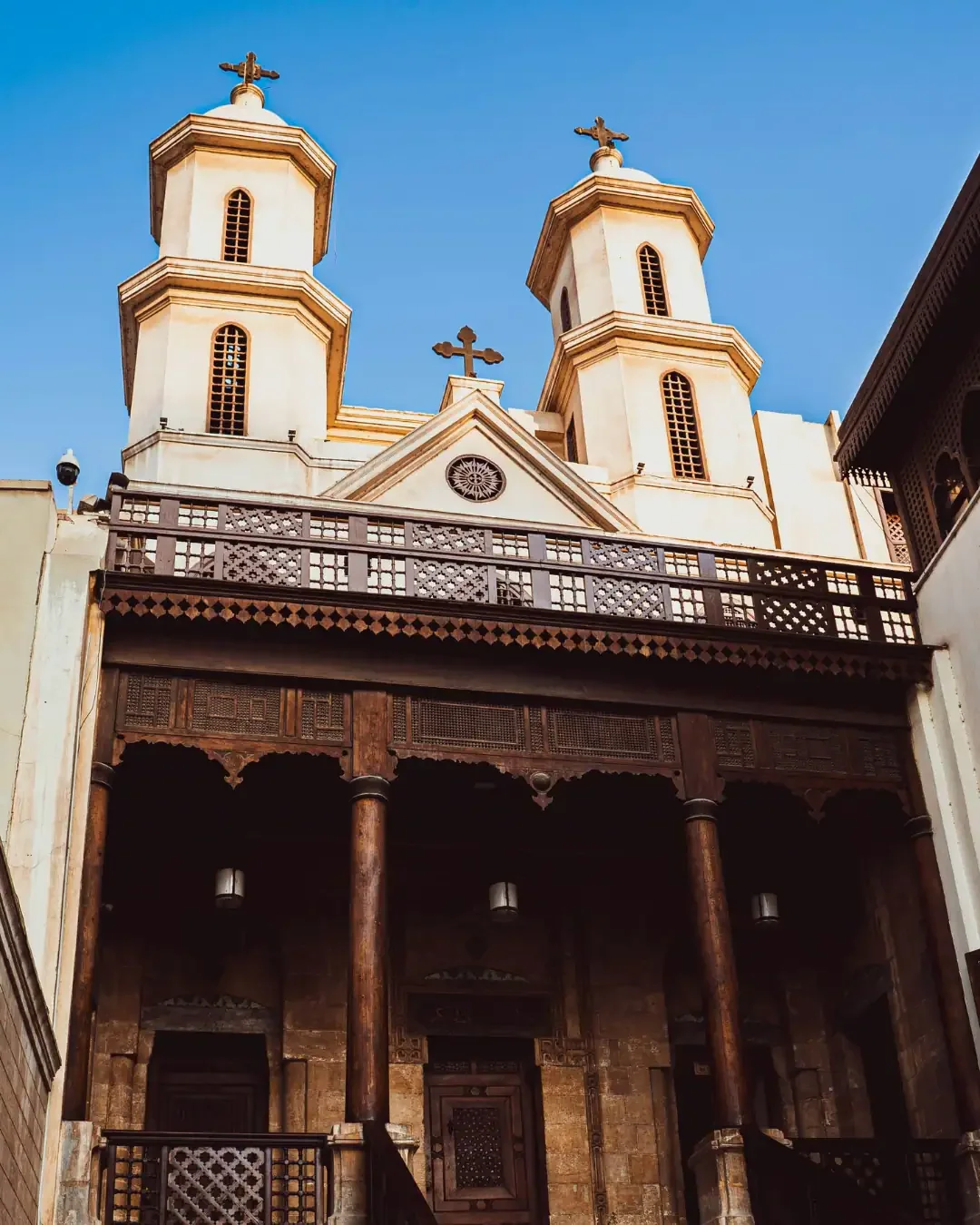
The Coptic Christian Community: Egypt's Ancient Religious Minority
Egypt's Coptic Christian community is one of the world's longest continuous Christian traditions and the Arab world's largest Christian minority. Current 2026 estimates place the population between 10 and 15 …

Coffeeshops and Cannabis: Between Tolerance and Tourism
Amsterdam's cannabis "coffeeshops" are central to its international image, rooted in the Dutch policy of gedoogbeleid (tolerance). This allows licensed shops to sell up to 5 grams of cannabis per person per day …
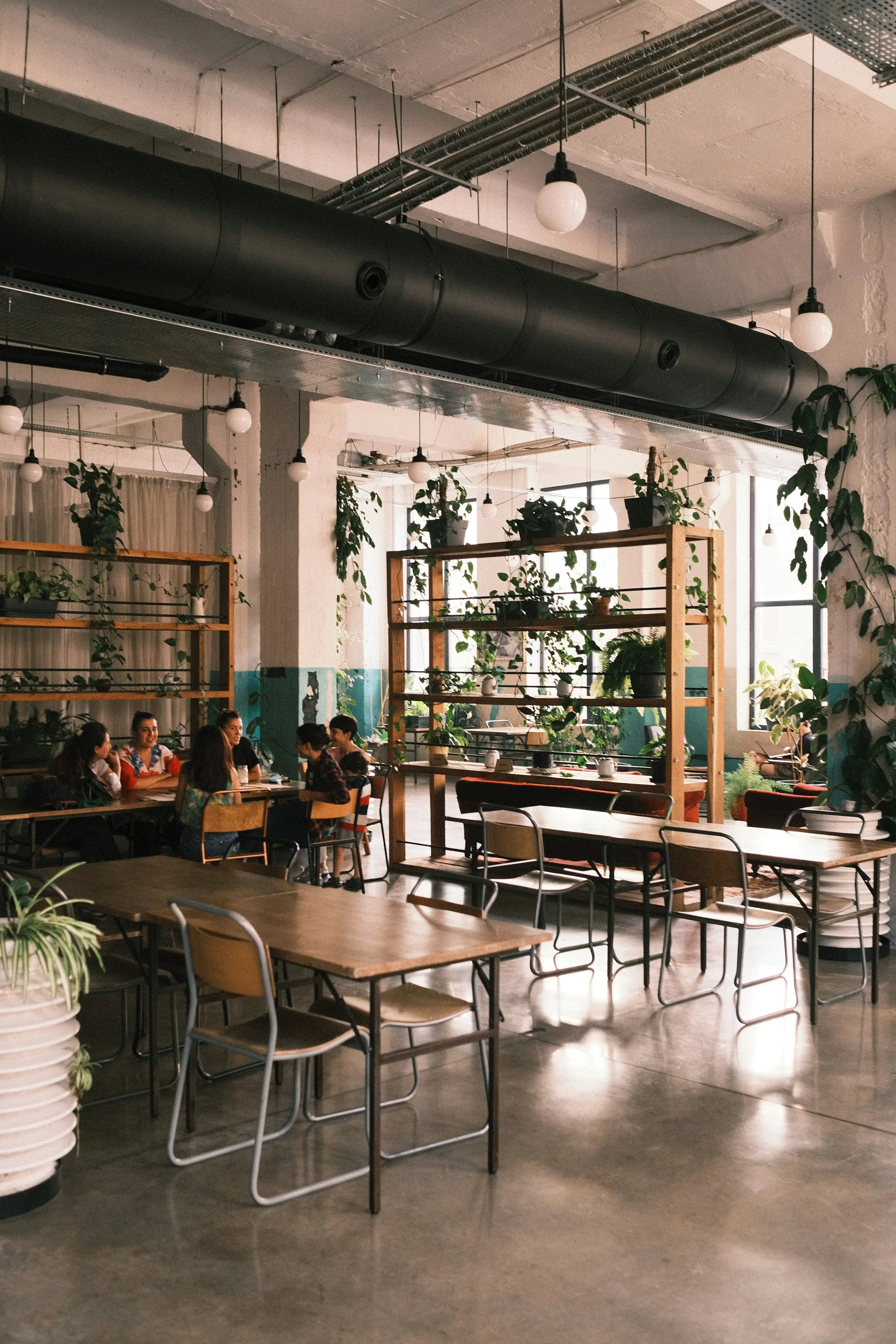
Education System: Soviet Legacy Reforms and Contemporary Centralization Trends
Georgia's education system has experienced a massive transformation since independence in 1991, reflecting efforts to eradicate Soviet-era ideological instruction. For decades, reforms focused on …
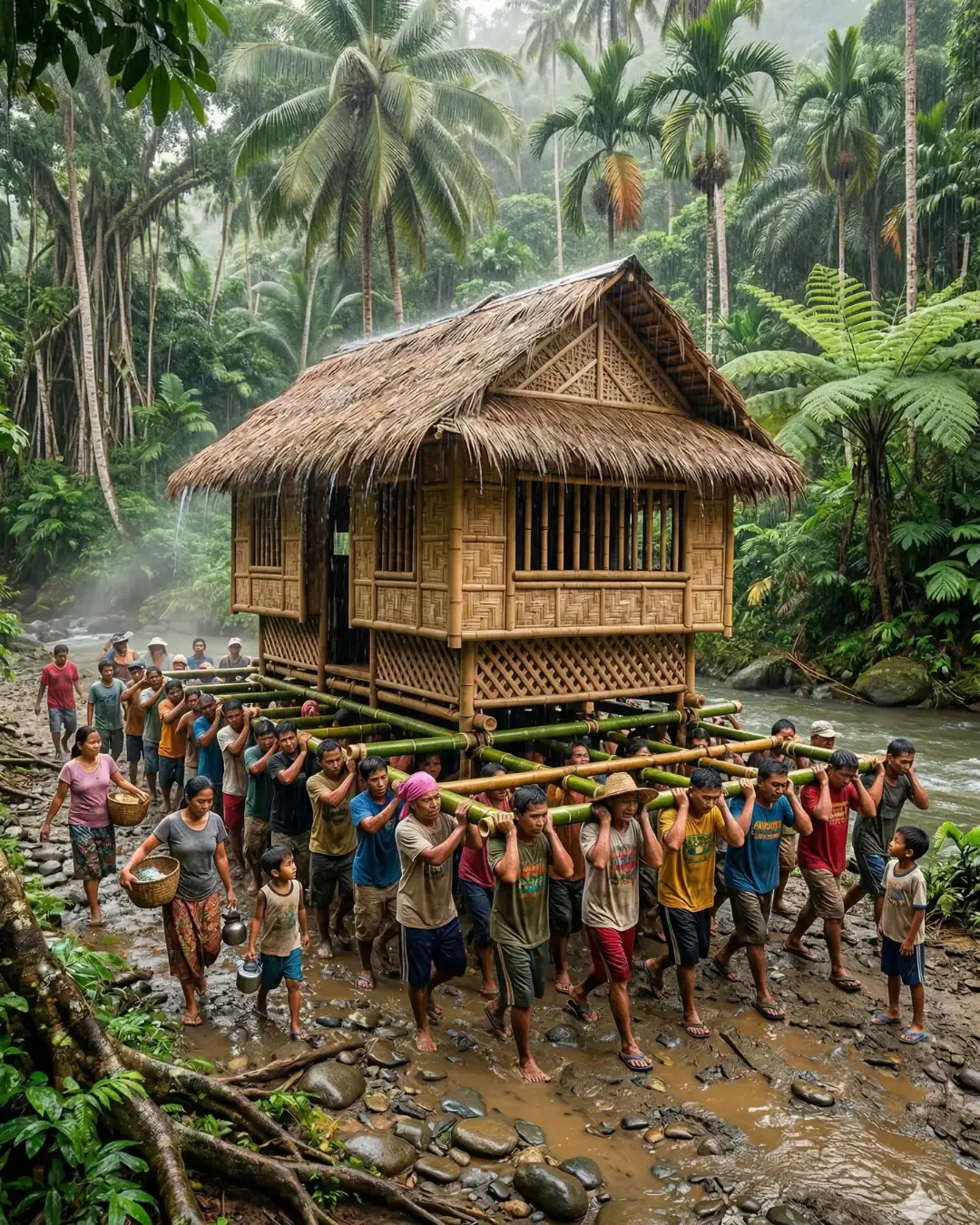
Bayanihan: The Spirit of Community That Defines Filipino Identity
Of all the ideals that define the Filipino people, Bayanihan is the most central. Derived from the word bayan (nation, town, or community), it refers to a centuries-old tradition of social solidarity and …

Cycling Nation: Where Bikes Outnumber People
Bicycles are an everyday necessity in the Netherlands, reflecting an urban design prioritized for people over cars. Cycling accounts for over 27% of all trips nationwide. With approximately 23-24 million …
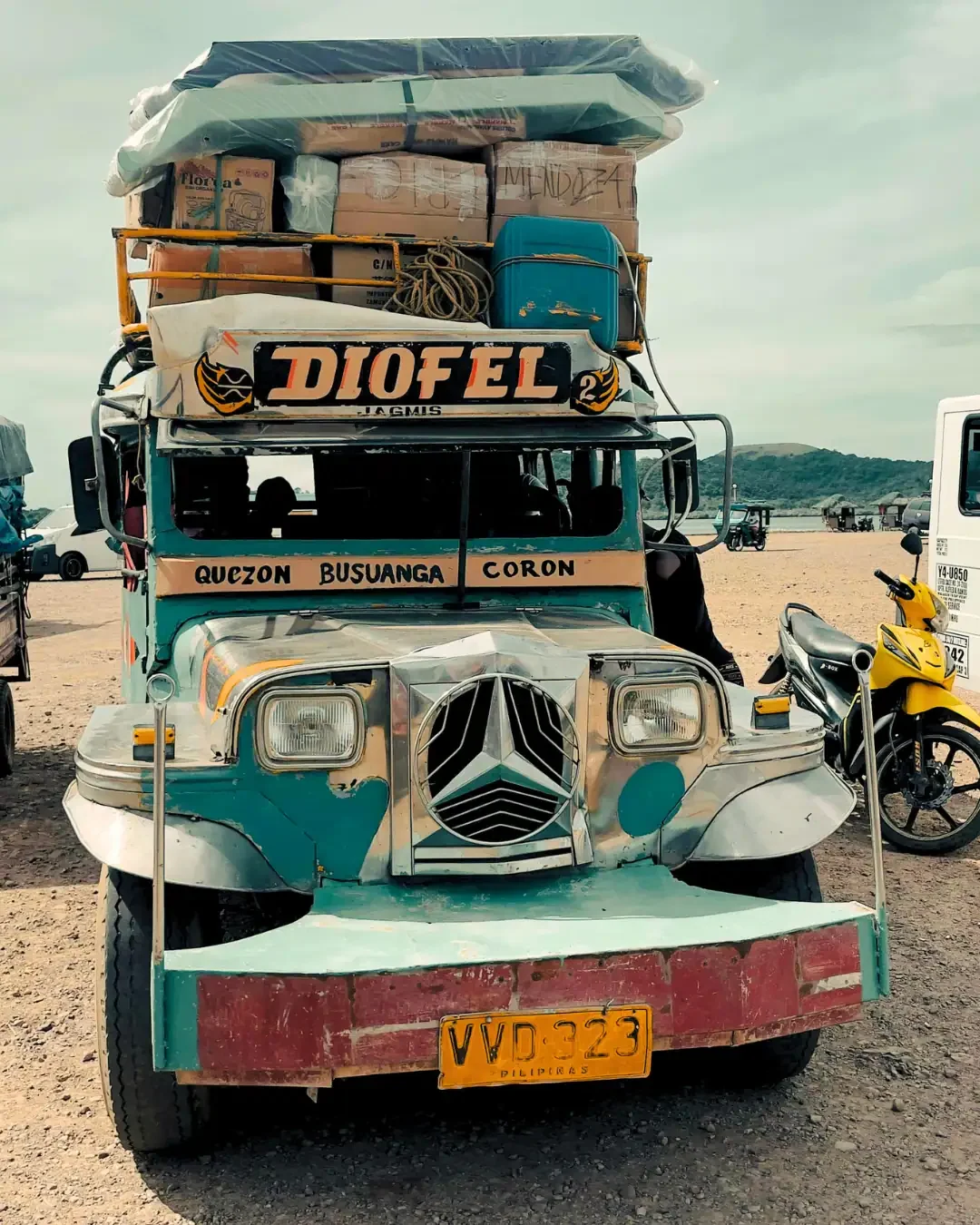
The Jeepney: Reinventing a War Machine as a National Icon
Few cultural objects in the world pack as much history, aesthetics, and social meaning into a single vehicle as the Philippine jeepney. Serving as the most common mode of public transportation since the late 1940s, …
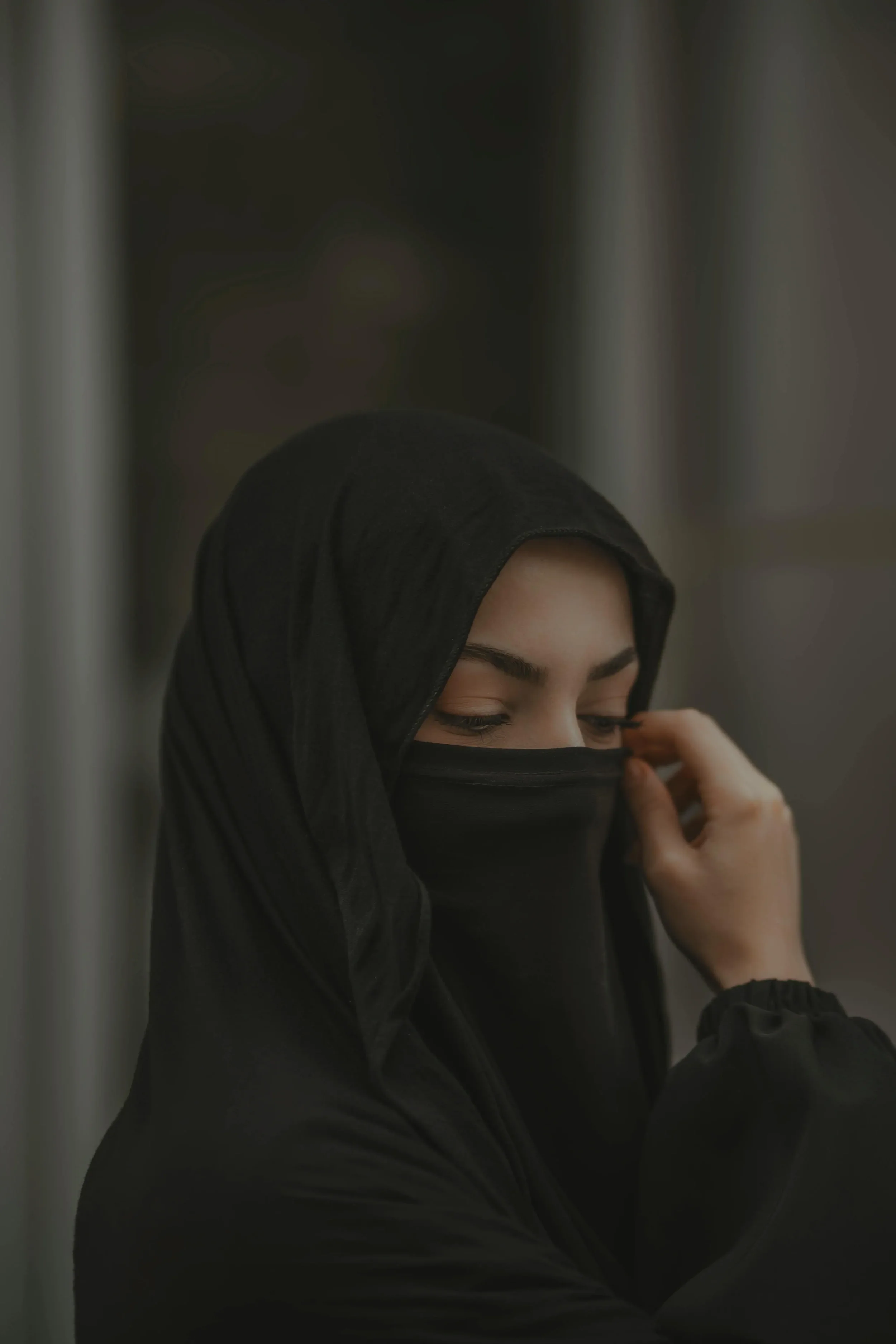
Women's Rights: Progress Amid Persistent Challenges
Egypt's women's rights environment paints a conflicting image: constitutional vows to gender equality and government measures to empower women combine with deeply ingrained legal …

Gender Equality and Women's Rights: Progress Challenged by Political Backsliding
Georgia's path to gender equality is a difficult one, where constitutional safeguards and government efforts coexist with considerable legal inequities. Gender equality is enshrined as a fundamental …