
Articles

Tea Culture: Social Bonding in Contemporary Madagascar
While tea may not have the same ancient roots in Madagascar as it does in Asia, it has become an important aspect of modern Malagasy social life, particularly in urban areas where tea gardens and cafés …
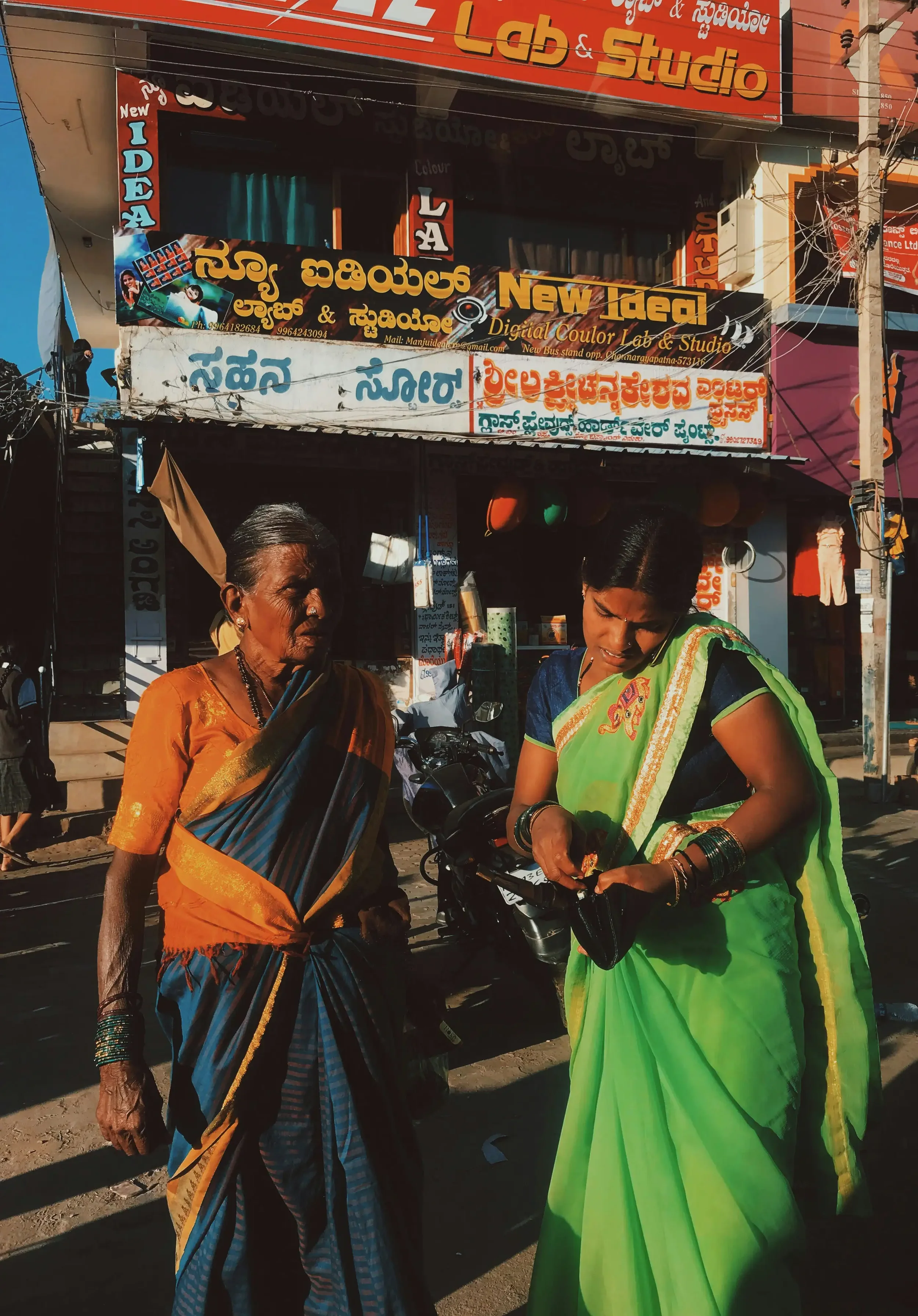
India's Multilingualism: Language Diversity as National Identity
India is one of the world's most linguistically varied countries, a reality reflected in its Constitution, which formally recognizes 22 scheduled languages. Beyond these, hundreds of additional languages and …

Vanilla Production: Madagascar's Black Gold and Global Dominance
Madagascar is the world's indisputable vanilla kingdom, generating over 80% of the global supply of this valuable spice—the second most expensive after saffron. In 2022, the country exported vanilla worth …
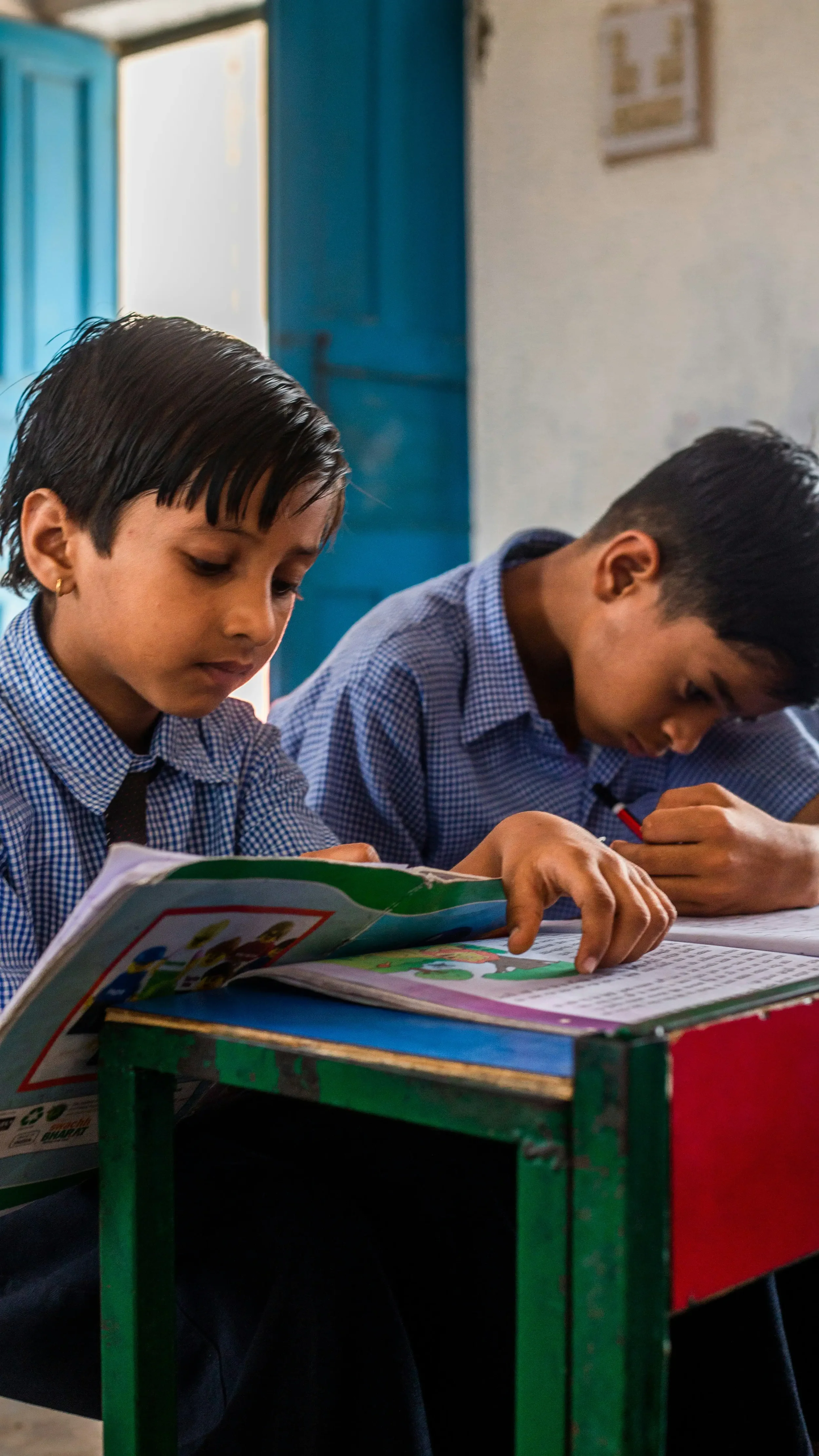
The Caste System: India's Ancient Social Hierarchy and Contemporary Challenges
India's caste system is one of humanity's oldest and most intricate forms of social stratification. It separates Hindu society into hierarchical groups based on birth, which historically determined occupation, marriage …
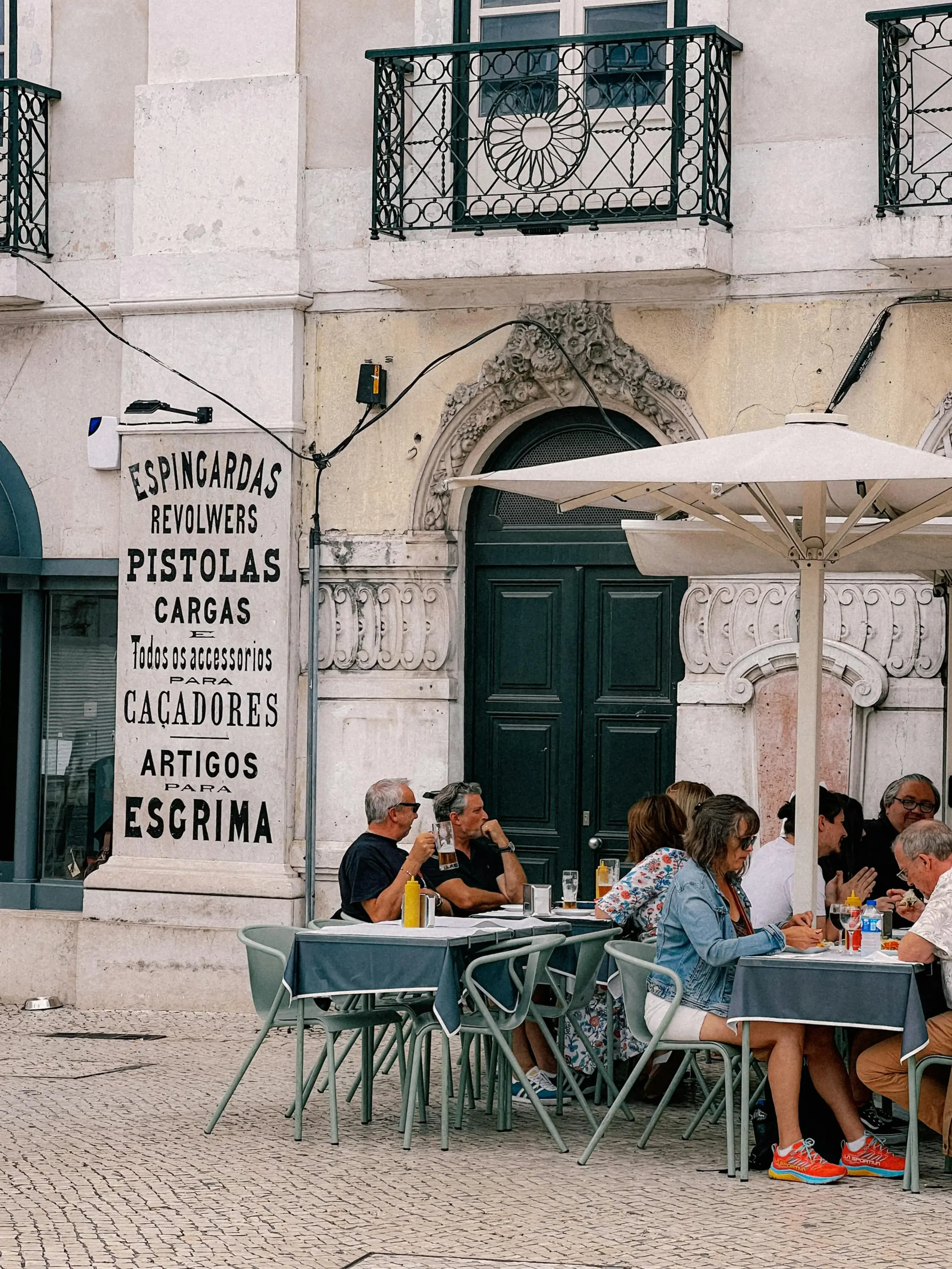
Portuguese Food Culture: Where Meals Build Communities
Food plays an essential role in Portuguese life, reaching far beyond simple nutrition. It serves as a primary language for social connection and the preservation of cultural identity. Unlike …
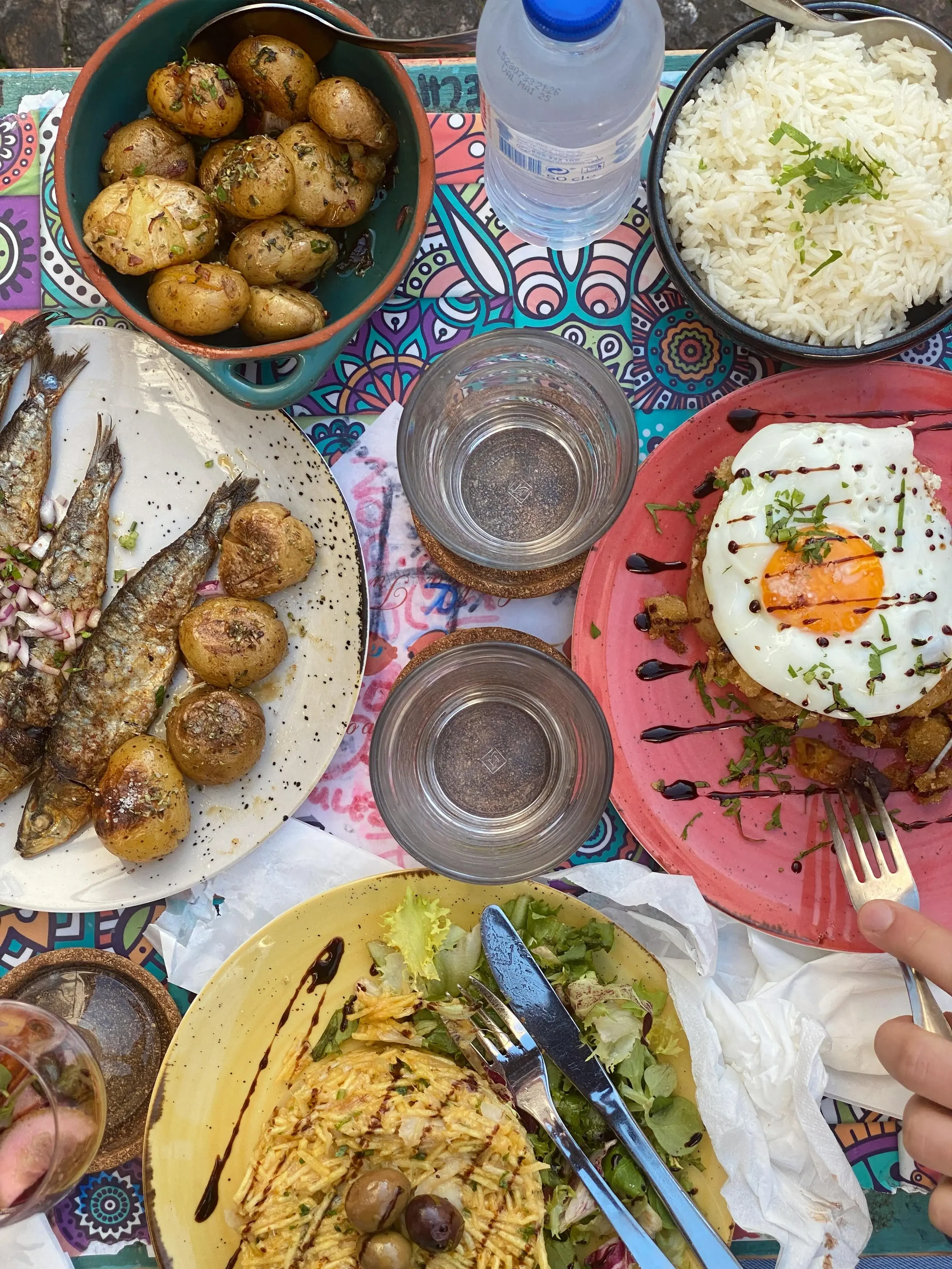
The Sunday Lunch: Portugal's Sacred Weekly Ritual
Sundays in Portugal are sacrosanct, representing the bedrock of social and familial life. The Sunday lunch (o almoço de domingo) is far more than a simple meal; it is a fundamental weekly ceremony where families …
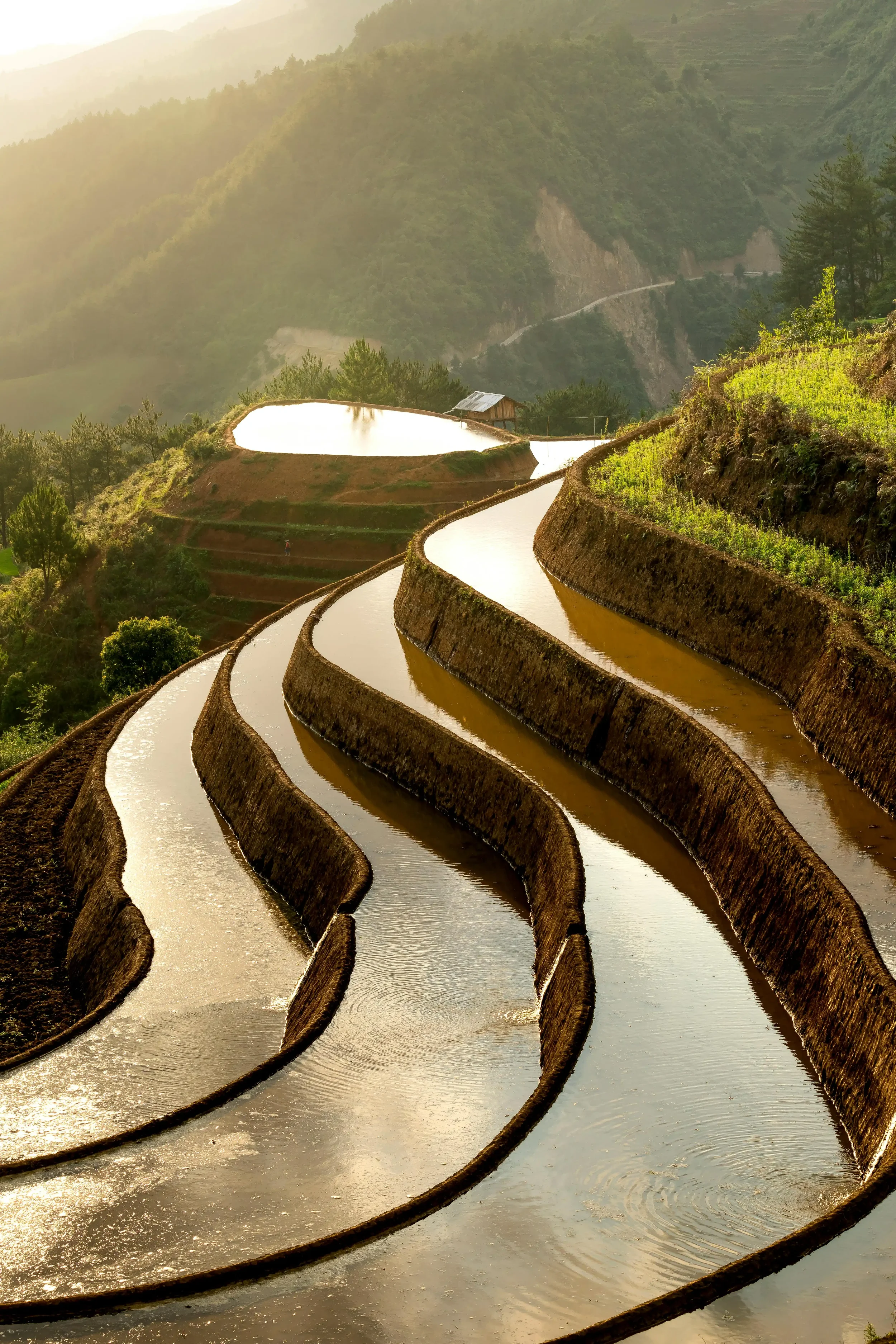
Rice Culture and Terraced Agriculture: The Foundation of Malagasy Society
Rice is more than just a staple food in Madagascar; it is the bedrock of Malagasy culture, economy, and agricultural identity. More than 70% of Madagascar's population is employed in agriculture, with …
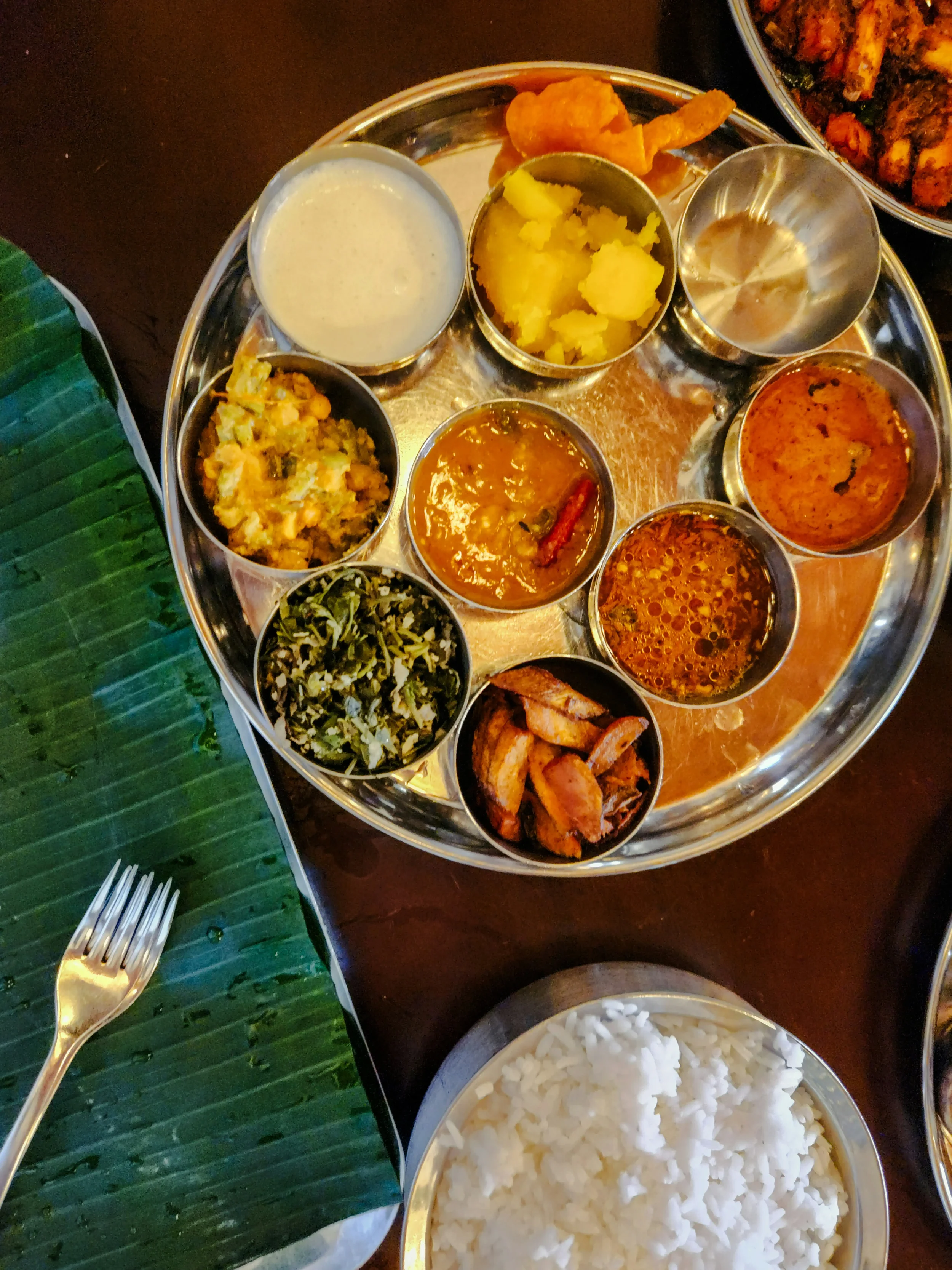
Indian Cuisine: Regional Diversity and the Art of Spice Blending
Indian cuisine is one of the world's most complex and aromatic culinary traditions, acting as a living encyclopedia of flavors that have evolved over millennia. Its foundation rests on a sophisticated …
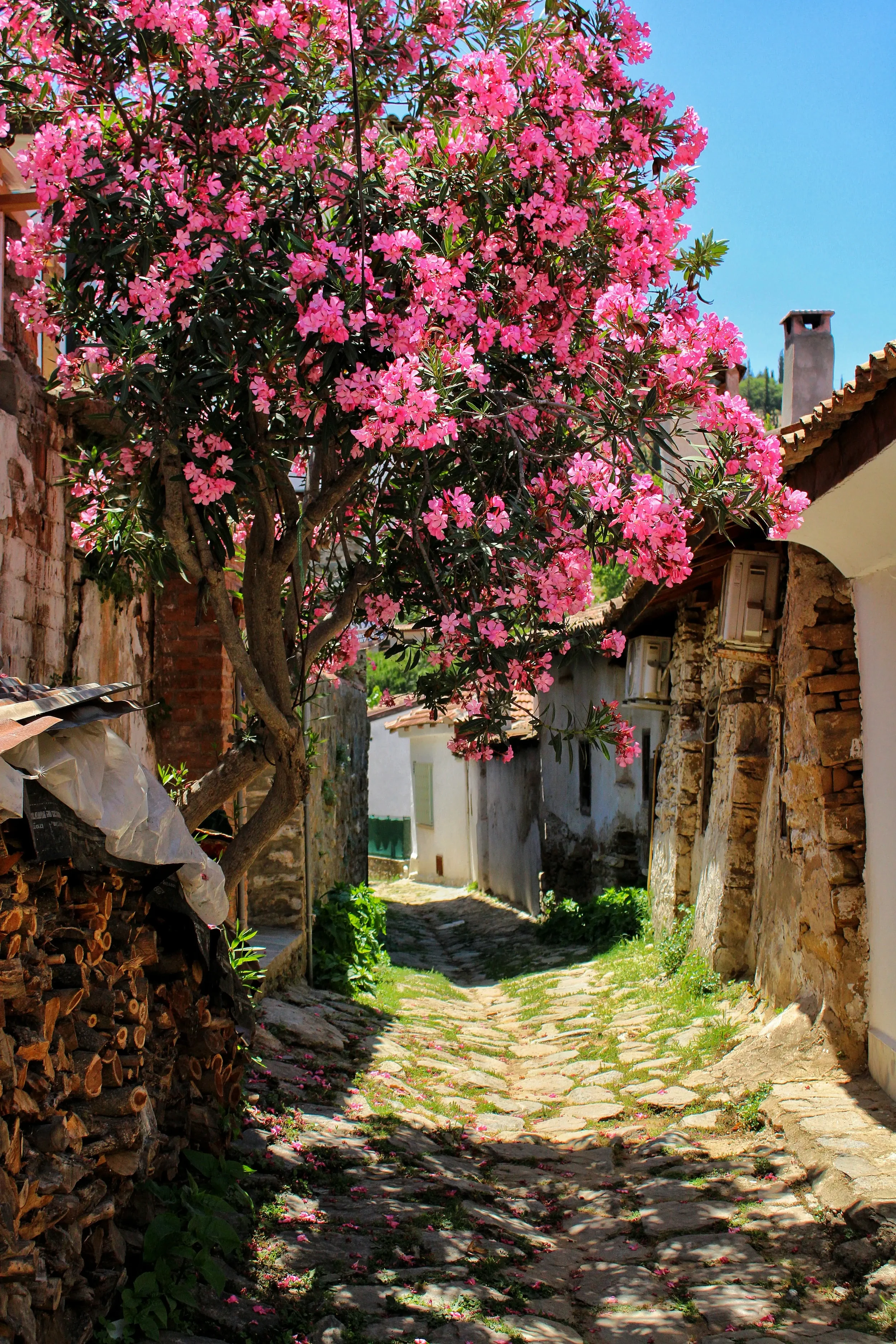
Anatolian Village Life: Traditions, Patriarchal Structures, and Rural Community
Anatolian villages represent the heartland of Turkish cultural tradition—communities maintaining centuries-old patterns of family-centered agricultural life, kinship-based social organization, and patriarchal …

Women's Rights and Gender Equality: Ongoing Struggle Against Violence and Systemic Inequality
Turkey experiences recurrent and severe gender-based violence generating a humanitarian crisis that contradicts the nation's constitutional promises to equality. According to women's rights …

Turkish Coffee Culture: Ritual, Hospitality, and Spiritual Communion Through a Cup
Turkish coffee is more than just a beverage; it represents profound social and spiritual significance—a cultural practice so important to Turkish identity that UNESCO designated it an Intangible Cultural …

The Industrial Revolution: Transformation of Society, Labor, and Human Existence
The British Industrial Revolution (1760–1840) was humanity's most profound social transformation since agricultural settlement—a seismic shift from rural agricultural economies to…

Danish Design Excellence: From Craftsmanship to Global Icons
Denmark's reputation for great design goes far beyond aesthetic preferences; it symbolizes a cultural worldview that combines industrial innovation with craft traditions, resulting in utilitarian…
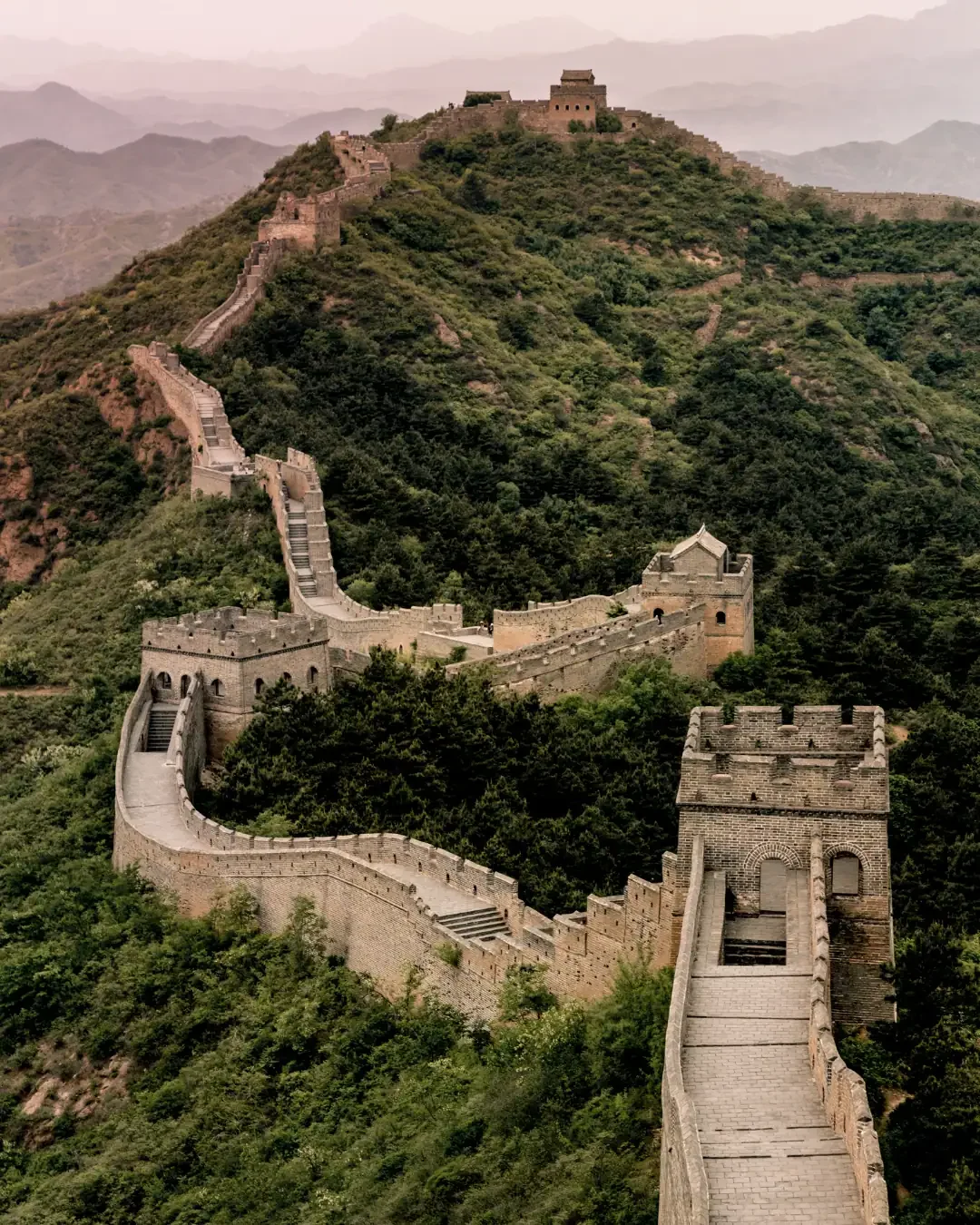
The Great Wall: From Military Monument to Living Cultural Experience
The Great Wall of China remains humanity's most ambitious defensive project, but in the 21st century, it has evolved from a static historical monument to a dynamic cultural hub that attracts…
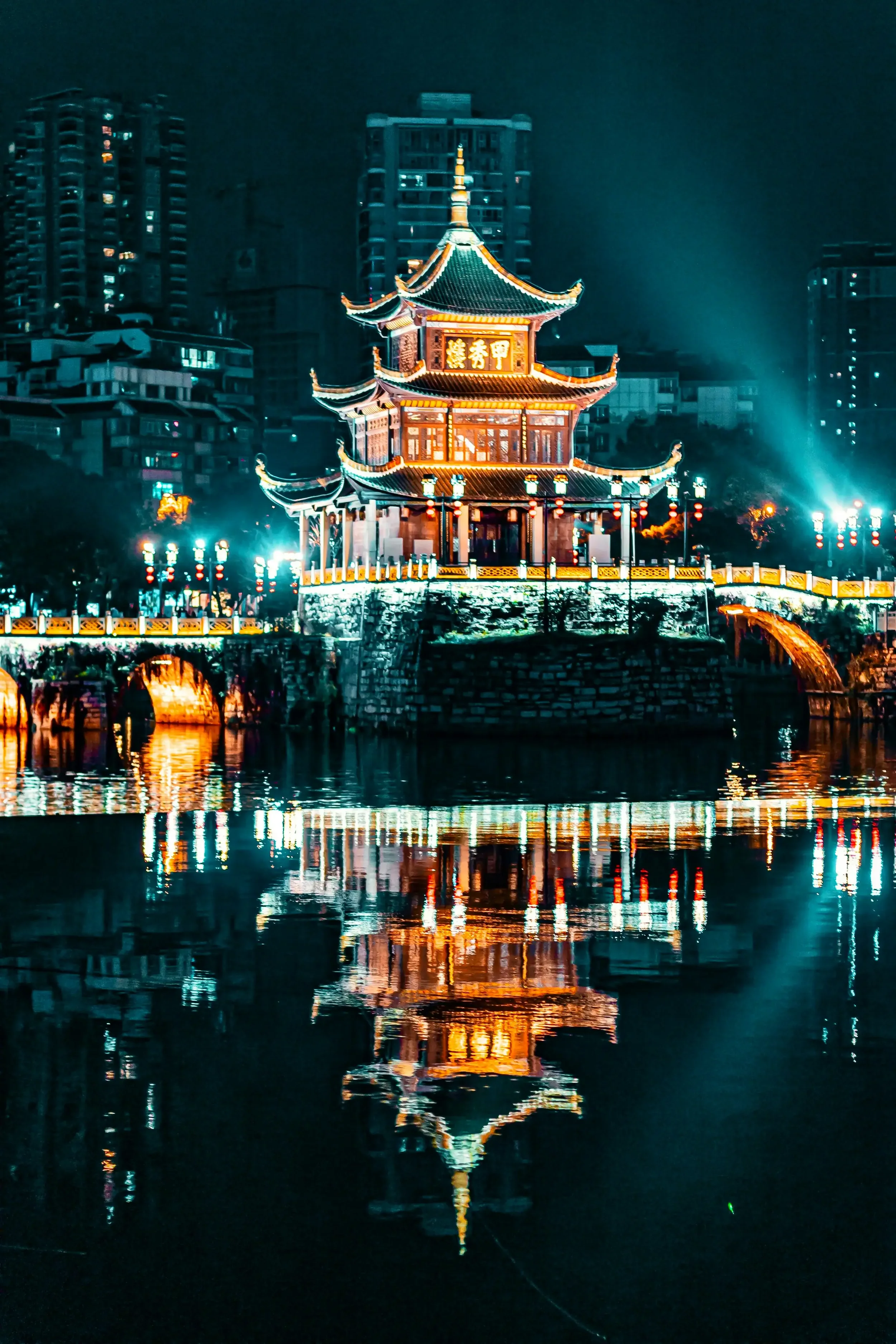
The Emergence of Immersive Cultural Tourism
China's tourism scene is changing dramatically as travelers turn away from traditional sightseeing and towards immersive, personalized cultural experiences. Rather of seeing famous landmarks…
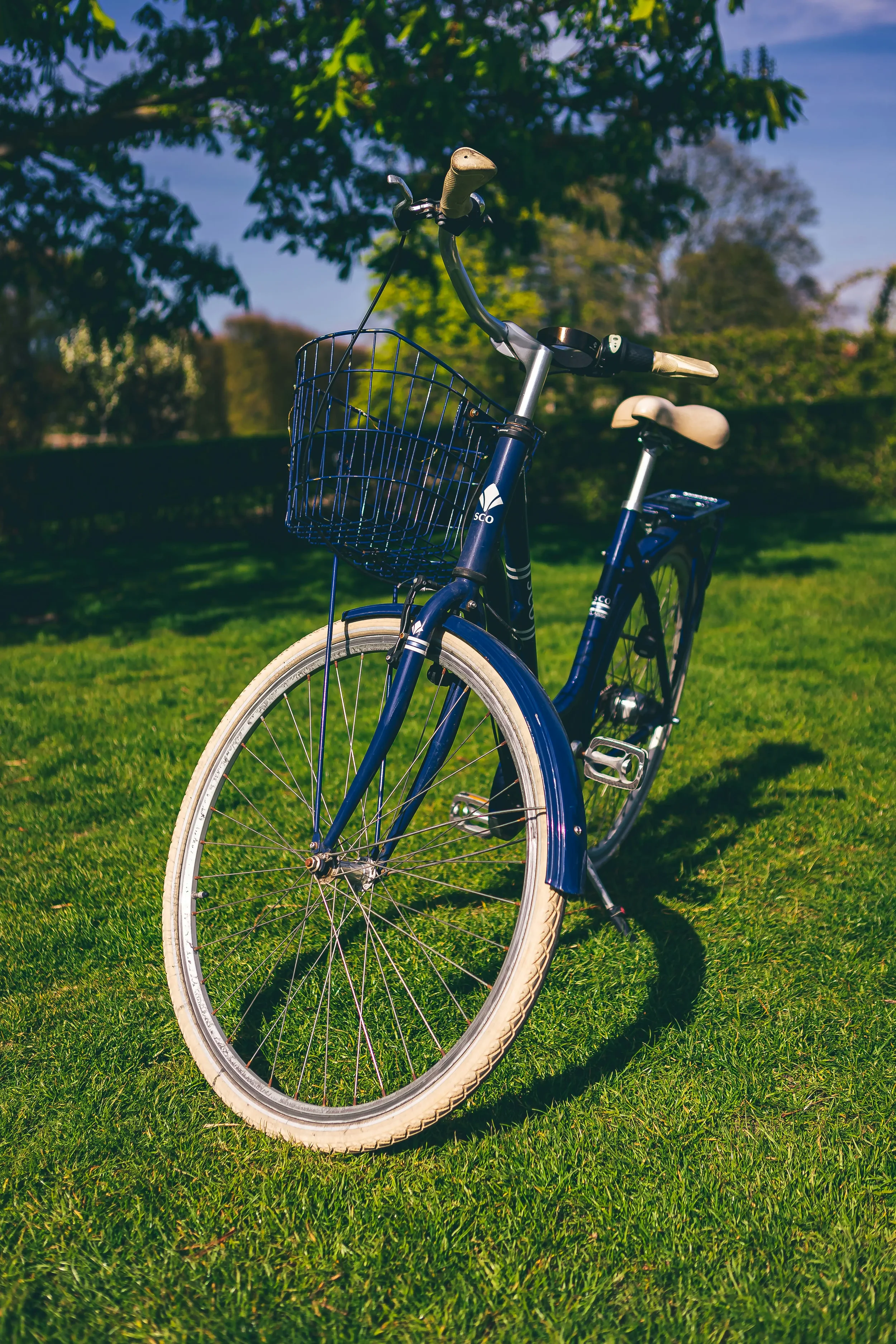
The Bicycle Culture: Copenhagen's Two-Wheeled Revolution
Copenhagen has gained the title of the world's most bicycle-friendly capital. This title derives from a purposeful, research-informed urban planning which turned the city from a car-dependent…

Football Culture: From Working-Class Passion to Global Phenomenon
English football, the world's most popular sport in terms of global participation and following, represents far more than just athletic competition; it embodies social identity, community belonging, class…

The National Health Service: Universal Healthcare as Social Foundation
The National Health Service (NHS), founded in 1948 by Aneurin Bevan (Minister for Health in the post-World War II Labour government), is one of humanity's most ambitious social…
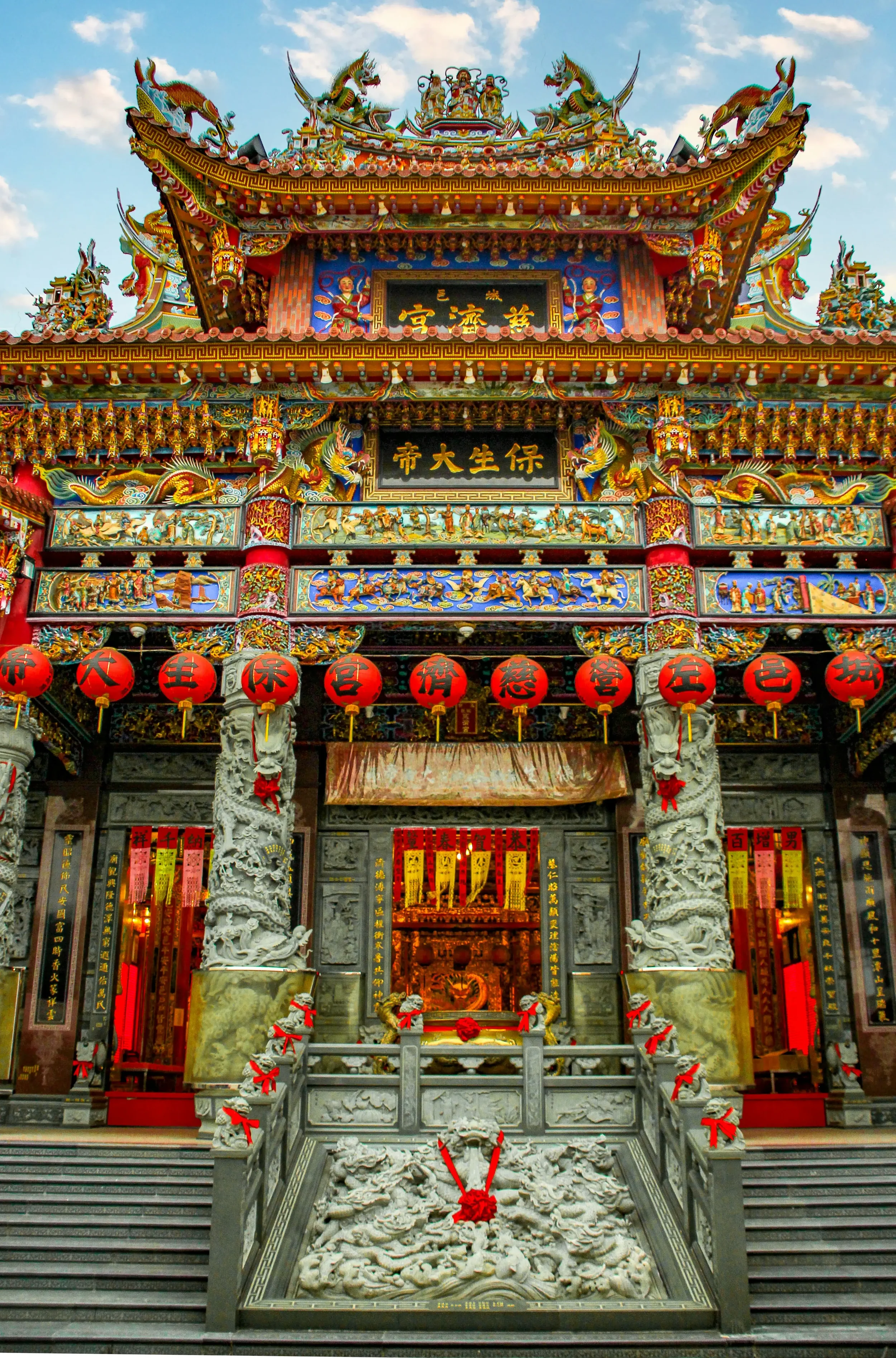
Temple Tourism: A Modern Spiritual Renaissance
In recent years, China has seen a tremendous increase in temple tourism, indicating an intriguing shift in how young people and urban inhabitants seek spiritual renewal and cultural…
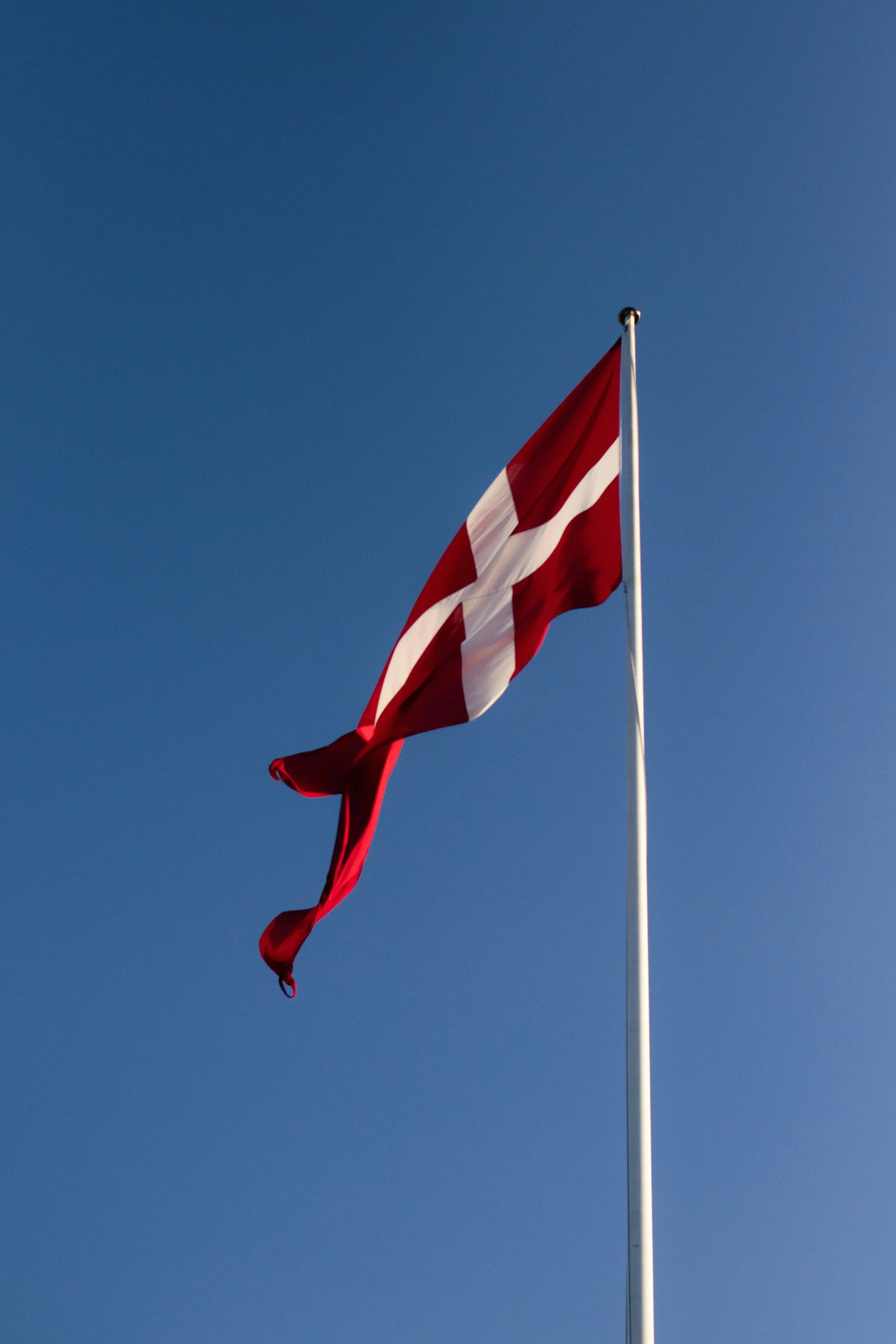
The Danish Welfare State: Universal Care and Social Equality
Denmark has constructed what many consider the world's most comprehensive welfare system—a social model characterized by universal access to healthcare, free education, generous…