Articles
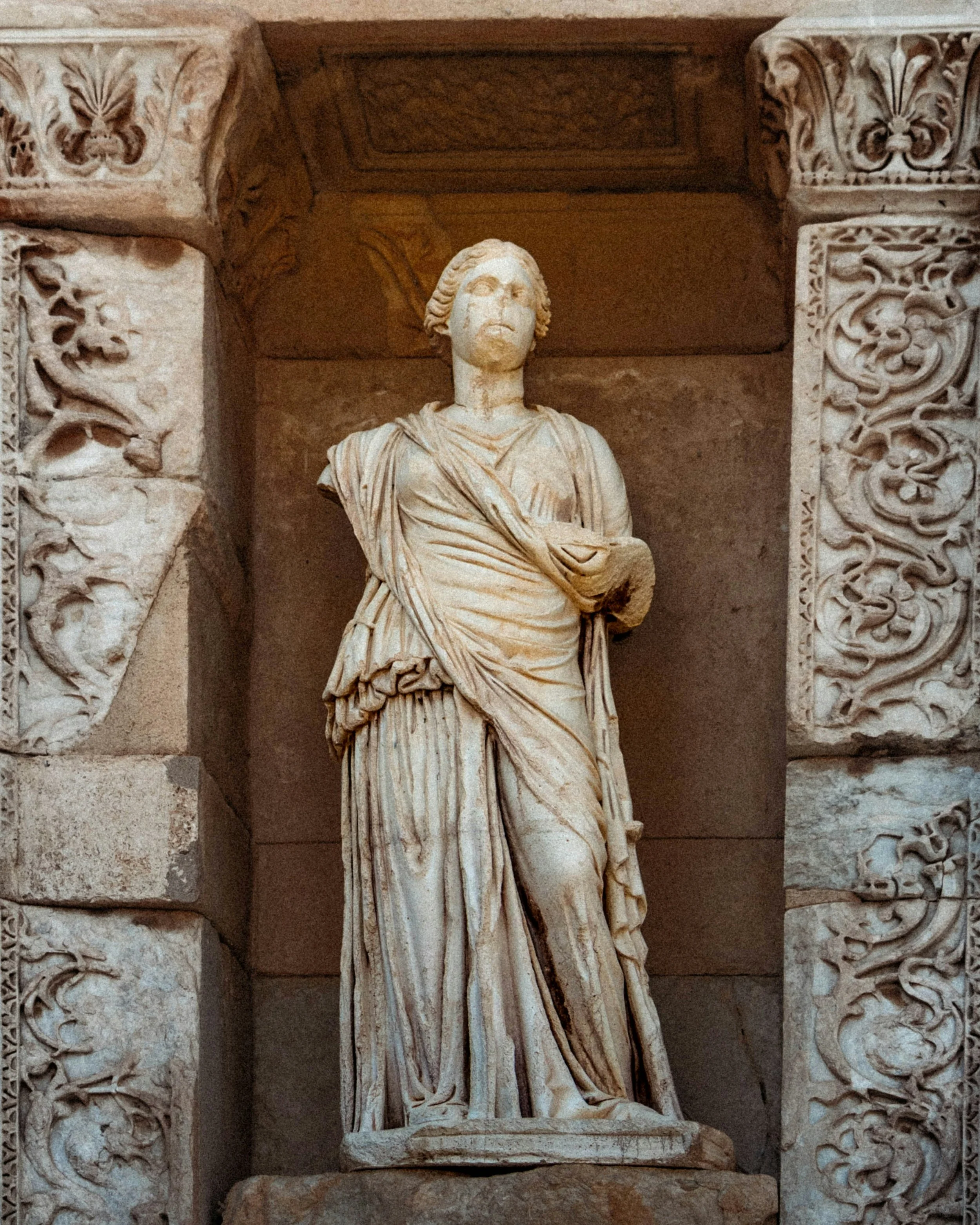
Ephesus and Selcuk: Ancient Greek-Roman Metropolis Preserved Through Millennia
Ephesus (Efes in Turkish), located in western Anatolia near the town of Selçuk, stands as one of the Mediterranean world's most important archaeological sites. During the Roman period …
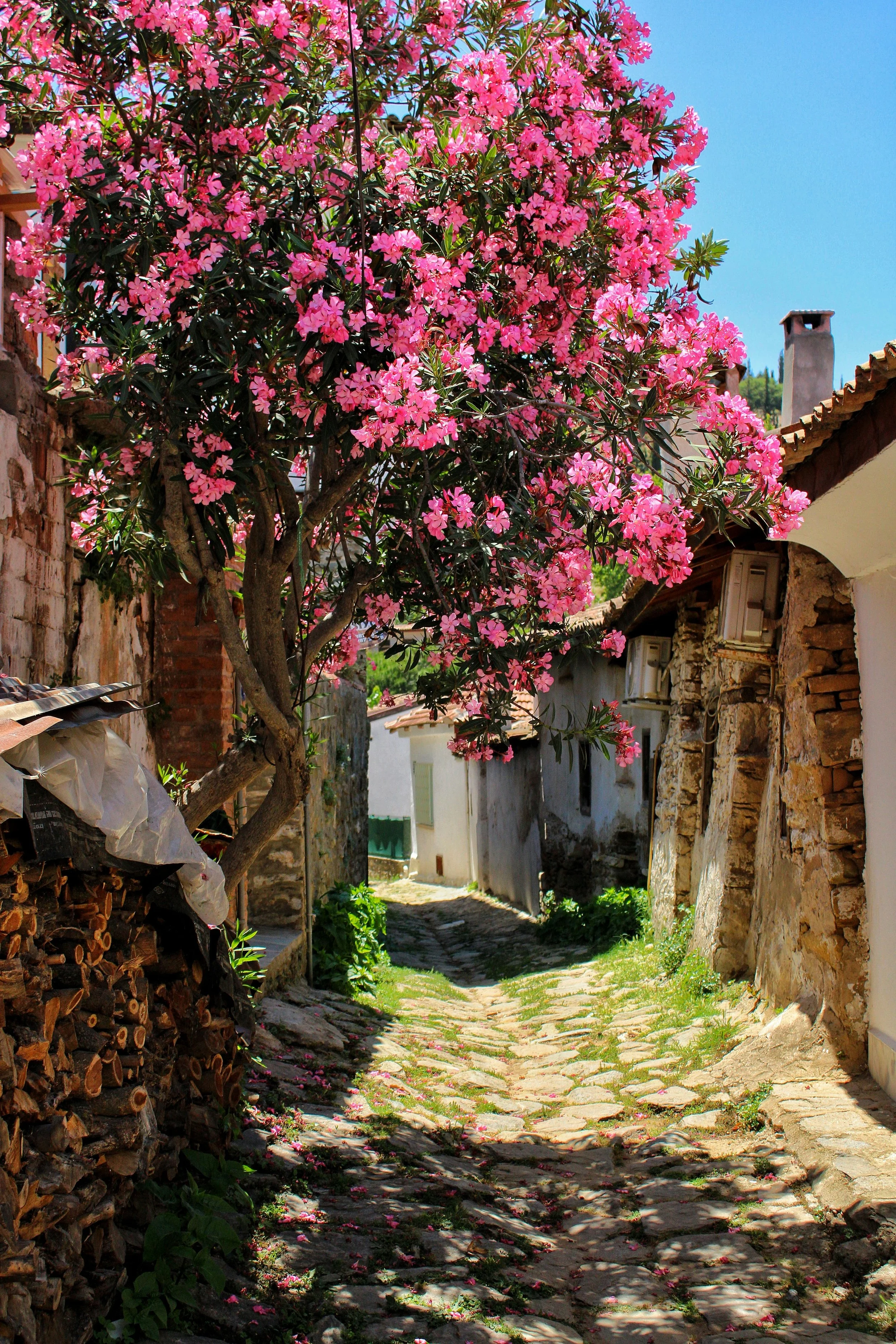
Anatolian Village Life: Traditions, Patriarchal Structures, and Rural Community
Anatolian villages represent the heartland of Turkish cultural tradition—communities maintaining centuries-old patterns of family-centered agricultural life, kinship-based social organization, and patriarchal …
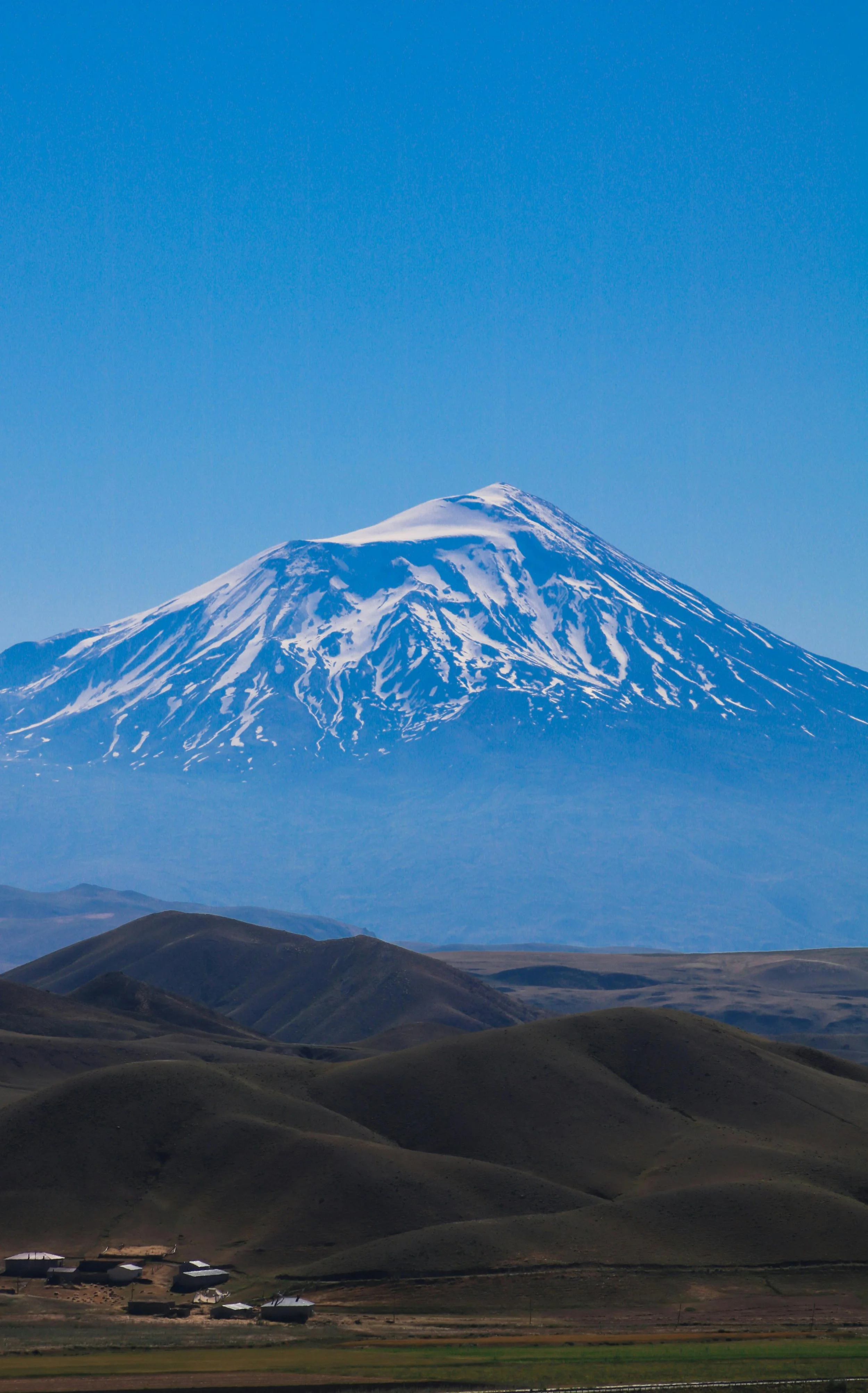
Mount Ararat: Sacred Peak at the Convergence of Nations and Mythologies
Rising majestically from eastern Anatolia at the intersection of the Turkish, Armenian, Iranian, and Azerbaijani borders stands Mount Ararat—a dormant volcanic massif consisting of two major …
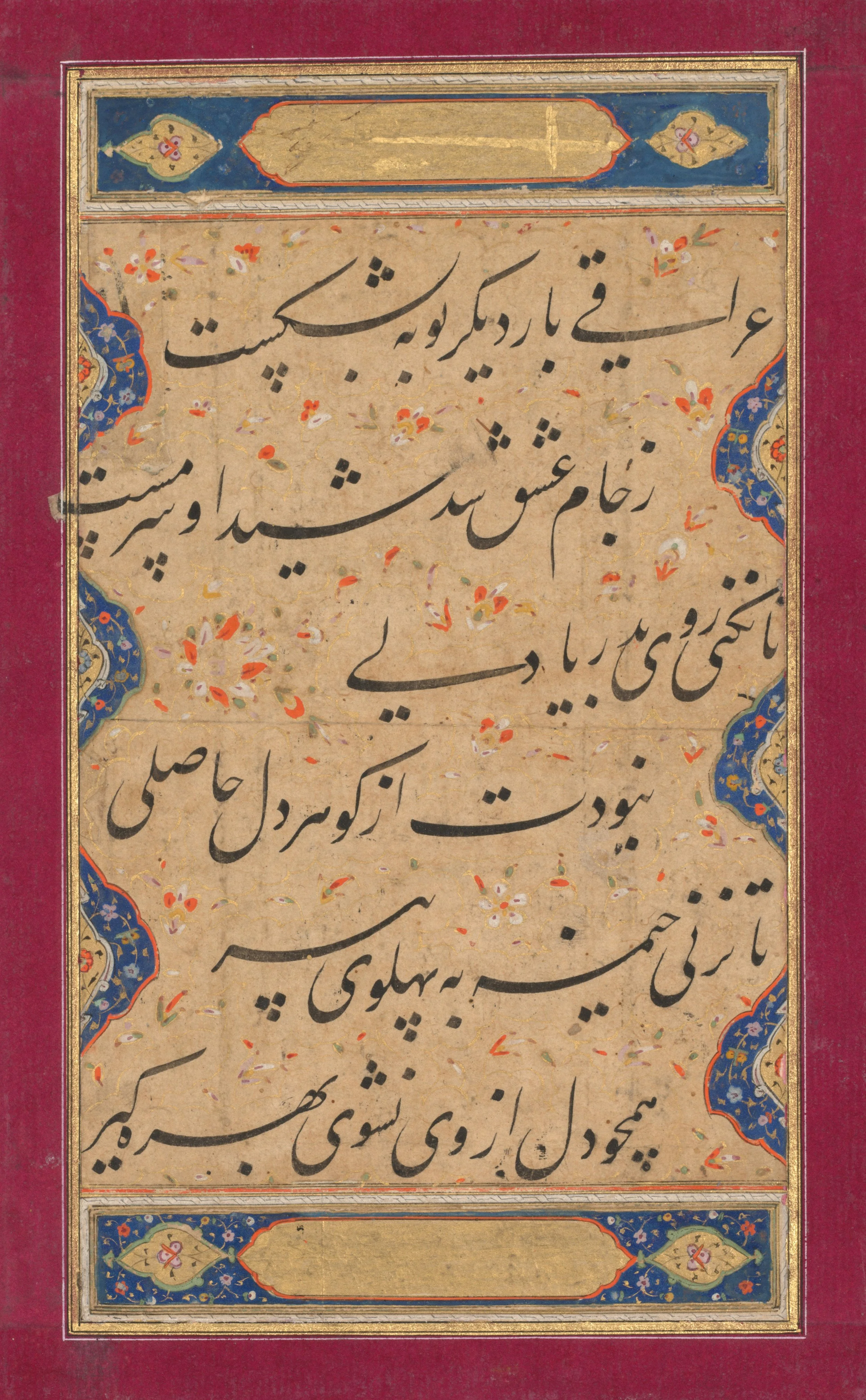
Turkish Calligraphy: Sacred Art Preserving Islamic Spirituality Through the Written Word
Turkish calligraphy, also known as "Hüsn-i Hat" (meaning "beautiful writing"), is one of Islam's most revered art forms—a spiritual practice in which the act of writing serves as prayer, meditation, and …
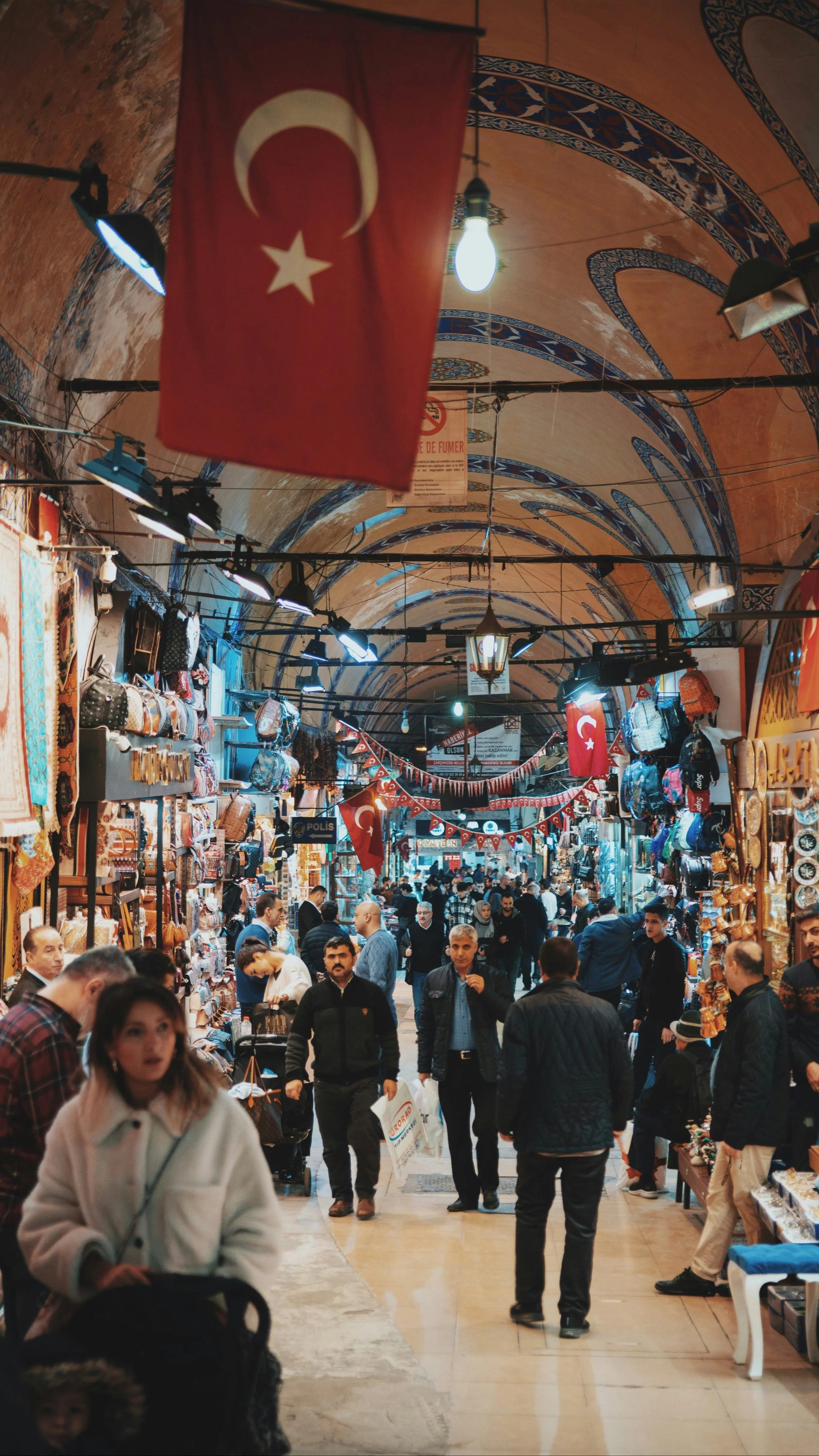
The Grand Bazaar: Ottoman Commerce Spanning 563 Years of Trading Heritage
The Grand Bazaar (Kapalıçarşı in Turkish) was established in 1461 by Sultan Mehmed II after the Ottoman conquest of Constantinople. It is one of the world's oldest and largest covered …

Women's Rights and Gender Equality: Ongoing Struggle Against Violence and Systemic Inequality
Turkey experiences recurrent and severe gender-based violence generating a humanitarian crisis that contradicts the nation's constitutional promises to equality. According to women's rights …
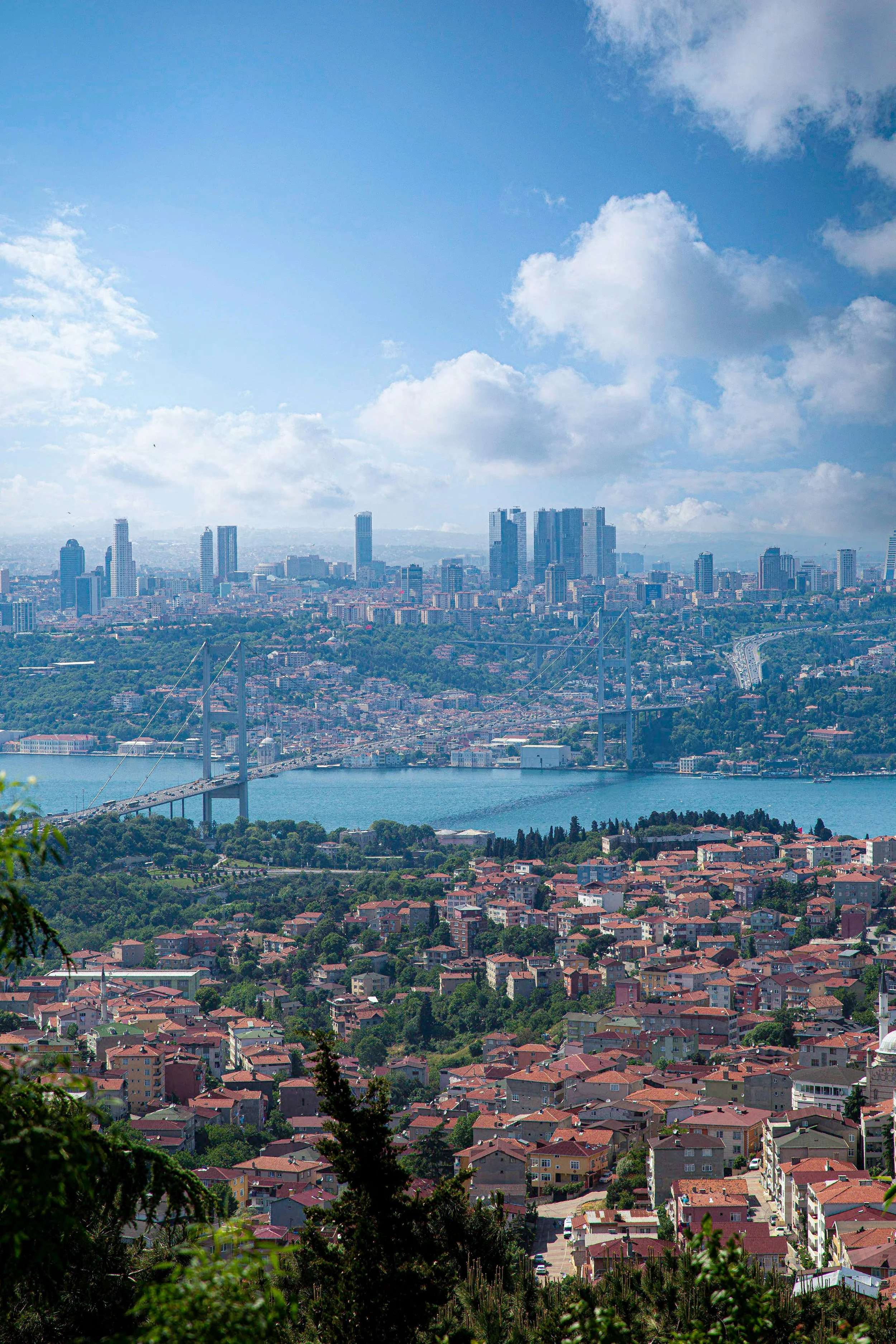
The Bosphorus and Turkish Straits: Waterways Connecting Civilizations and Dividing Continents
The Bosphorus represents one of Earth's most strategically significant waterways—a narrow strait approximately 25 kilometers/15.5 miles long and averaging just 1.5 kilometers/0.9 miles wide …
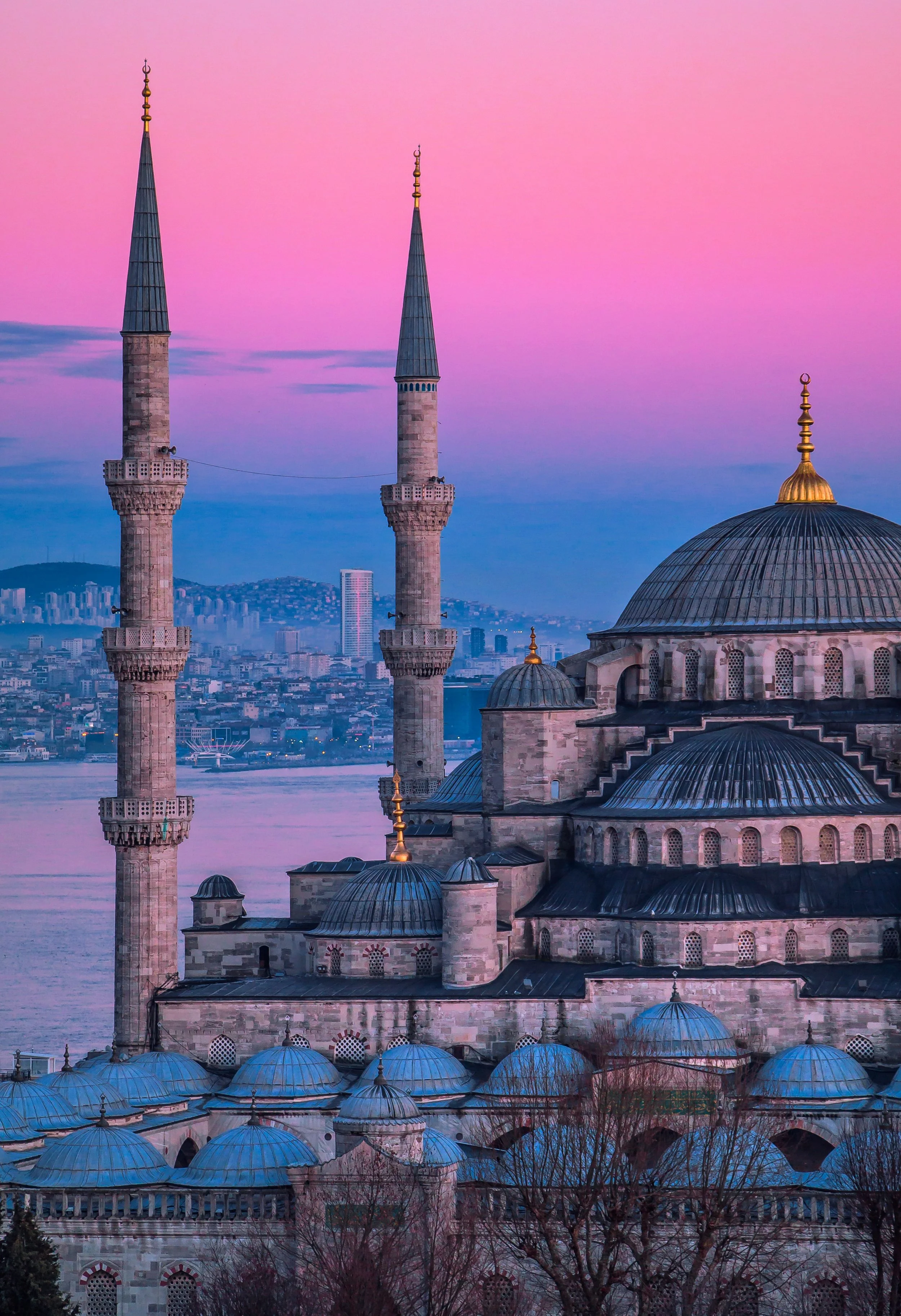
Ottoman Empire Legacy: Bridging Europe and Asia Through Cultural Synthesis
The Ottoman Empire (1299-1922) was history's most comprehensive Islamic state and one of humanity's most persistent political systems, lasting almost 600 years and covering three continents. At its height …
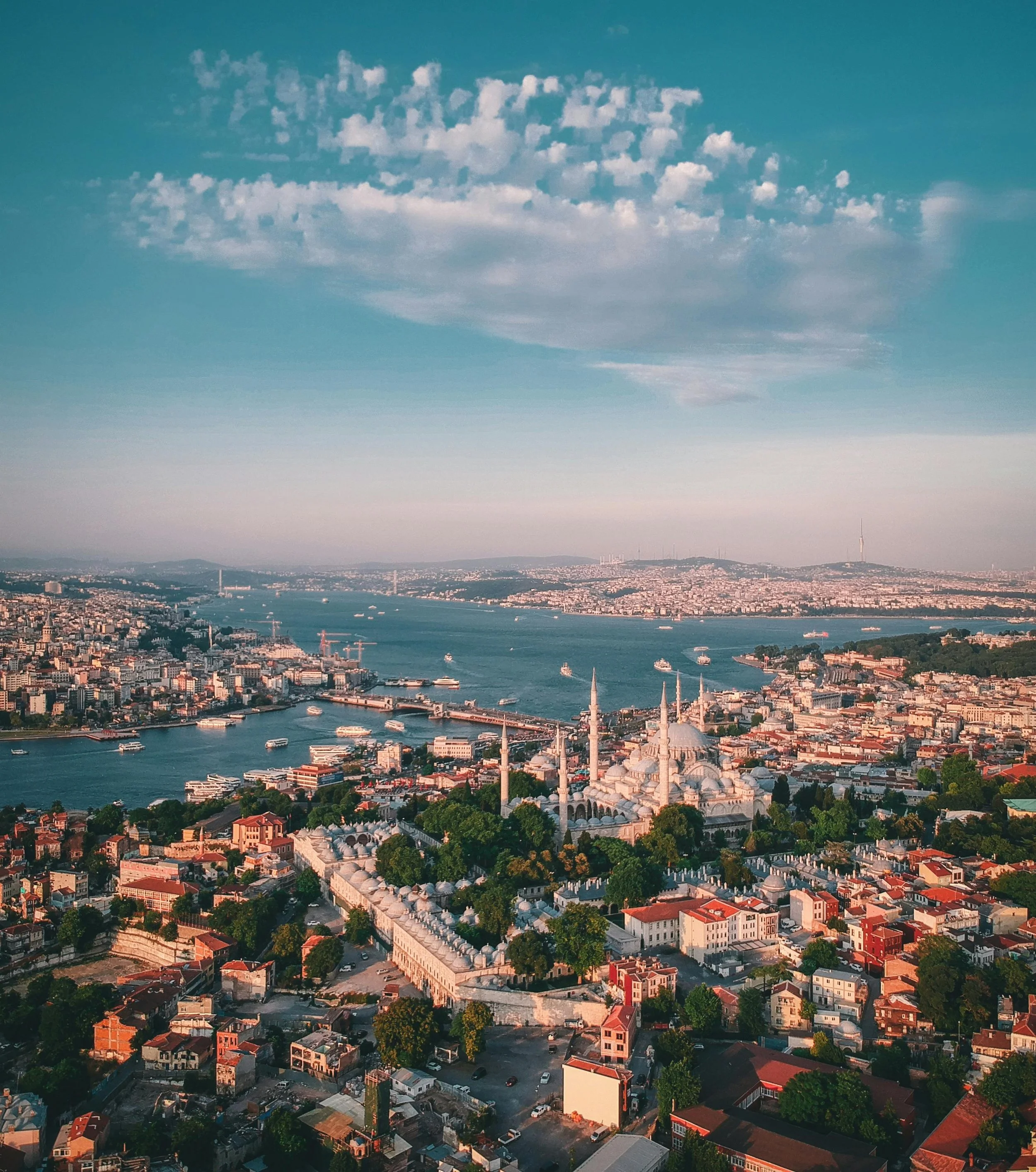
Istanbul: Transcontinental Hub Welcoming 18.6 Million Annual Visitors
Istanbul, the world's only major city spanning two continents, has experienced phenomenal tourism growth, welcoming approximately 18.6 million international tourists in 2024—representing …

Turkish Coffee Culture: Ritual, Hospitality, and Spiritual Communion Through a Cup
Turkish coffee is more than just a beverage; it represents profound social and spiritual significance—a cultural practice so important to Turkish identity that UNESCO designated it an Intangible Cultural …
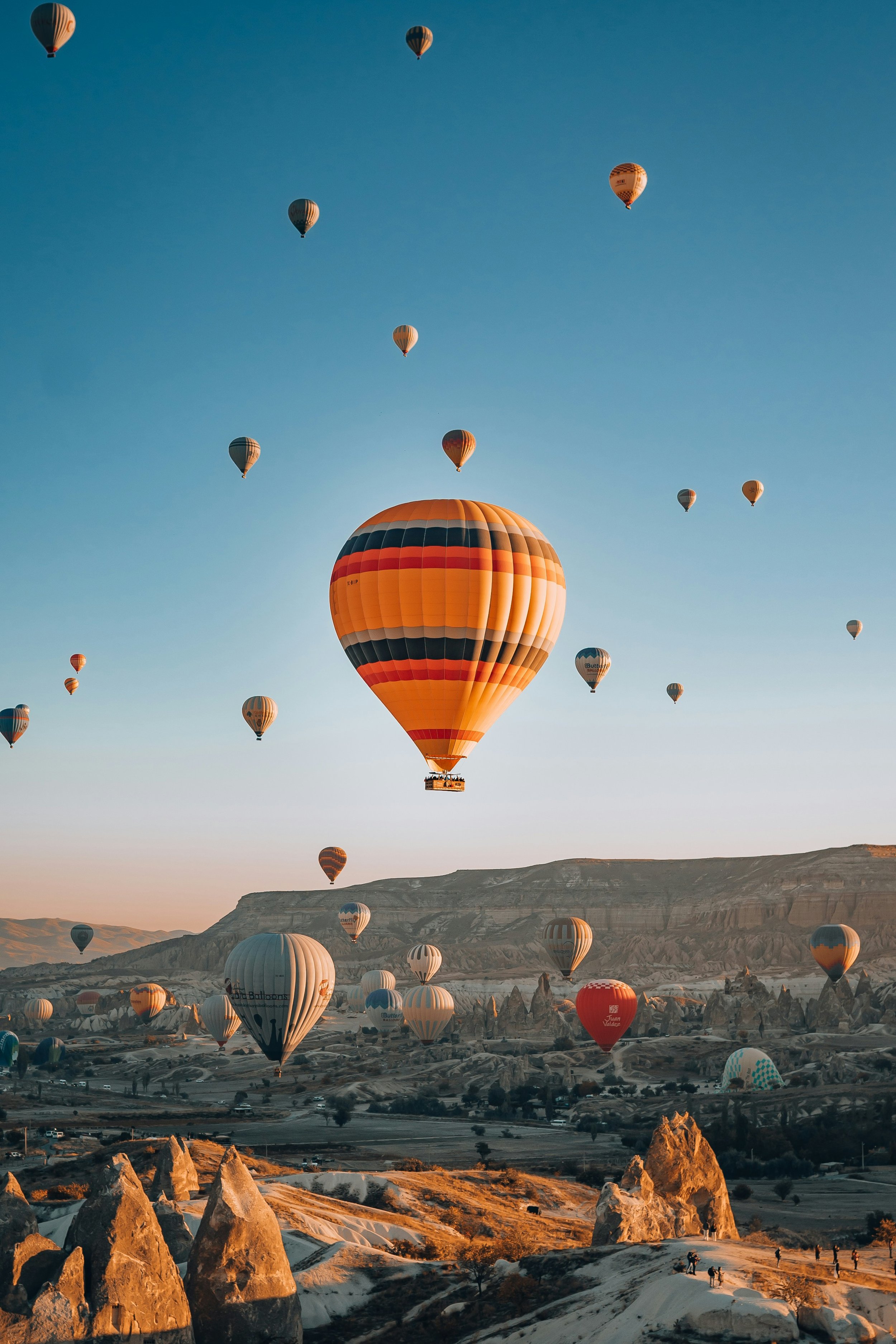
Cappadocia: Otherworldly Landscape of Fairy Chimneys and Ancient Geology
Cappadocia is a surreal area of unusual geological formations in central Anatolia, featuring towering cone-shaped rock pillars that exceed 40 meters/131 feet high, multicolored valleys carved into soft …
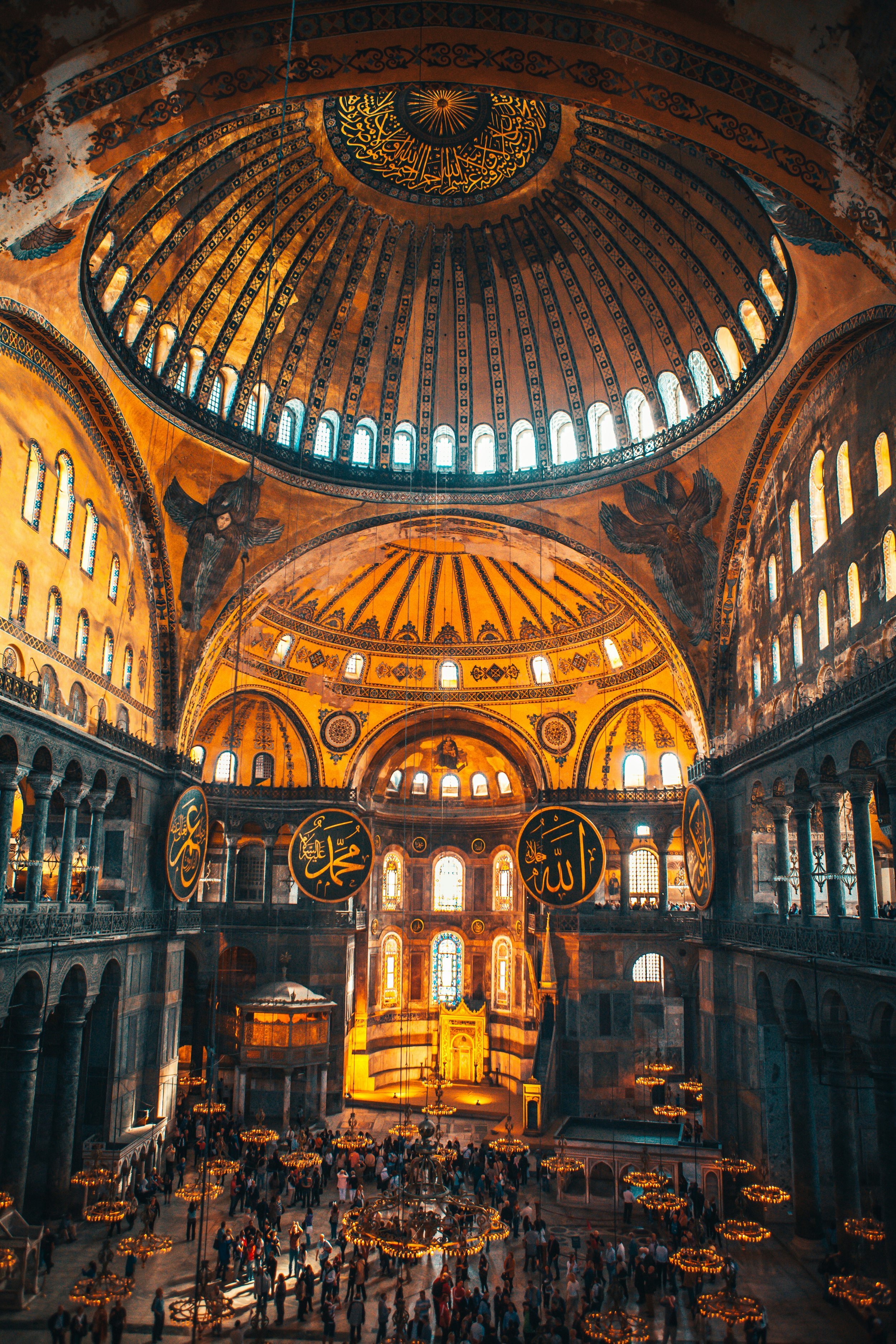
Hagia Sophia: Architectural Masterpiece Bridging Three Faiths and Civilizations
Standing majestically on Istanbul's Sultanahmet peninsula, Hagia Sophia represents one of humanity's most extraordinary architectural achievements—a monumental structure that has simultaneously …