Articles
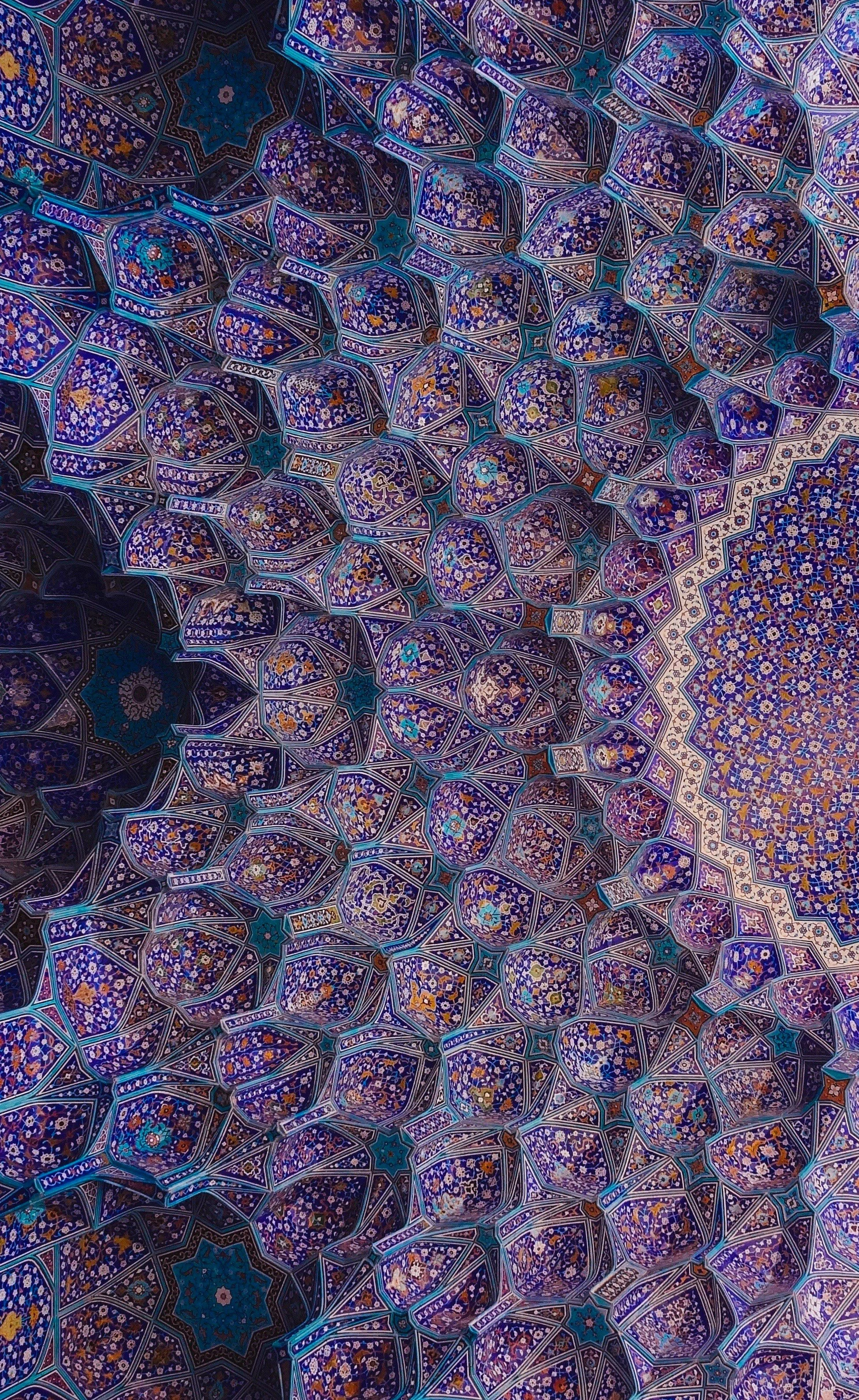
Isfahan: Naqsh-e Jahan Square and Islamic Architecture's Geometric Perfection
Naqsh-e Jahan Square in Isfahan, built during the Safavid Dynasty (1501-1736) under Shah Abbas I in the early 17th century, is a UNESCO World Heritage Site built around the principle of…
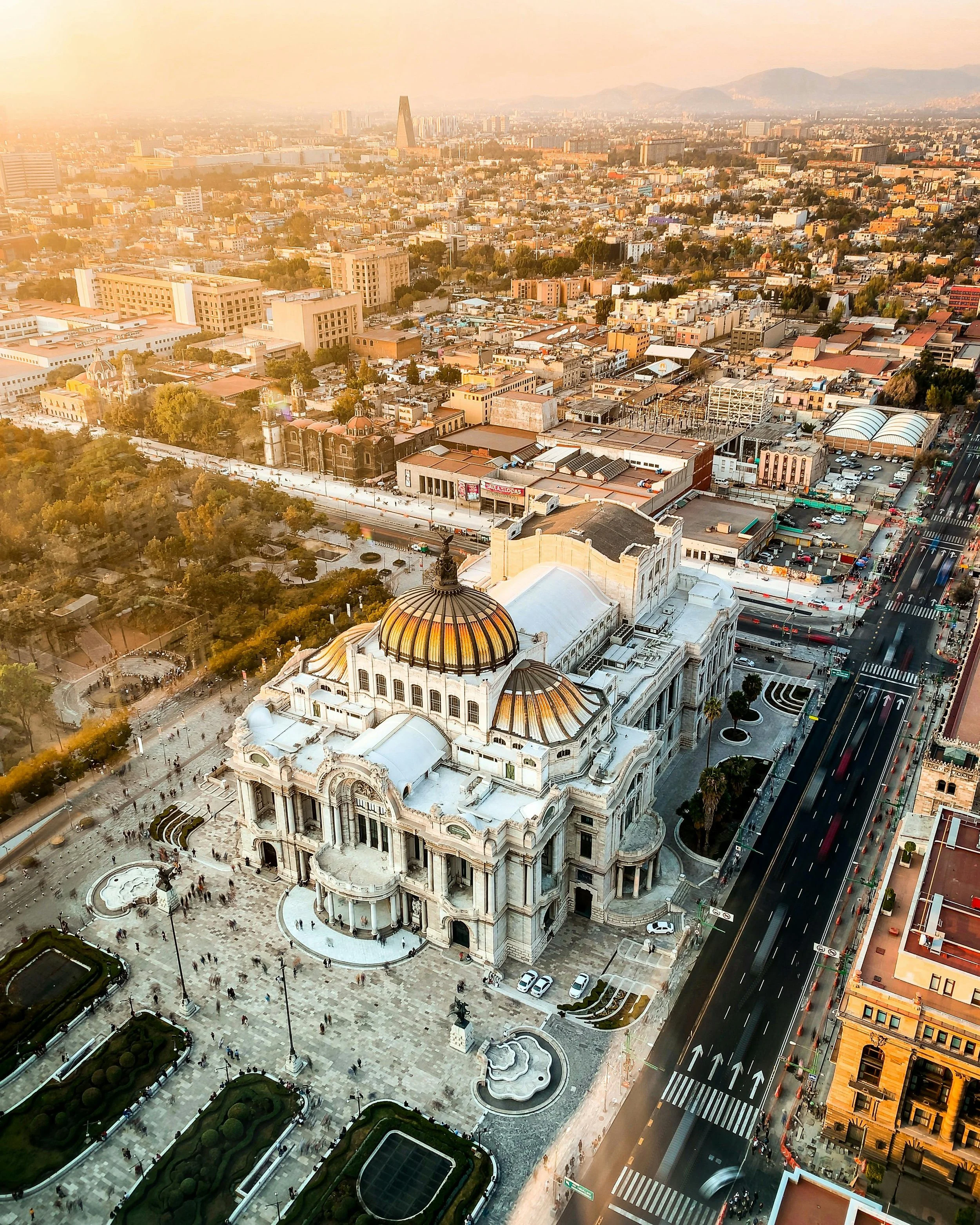
Mexico City and Tenochtitlan: An Ancient Island City in Lake Texcoco Revealing Extraordinary Aztec Engineering
Mexico City, built atop the ruins of Tenochtitlan, is one of history's most geographically improbable and architecturally sophisticated urban centers—an island city built in the middle of…
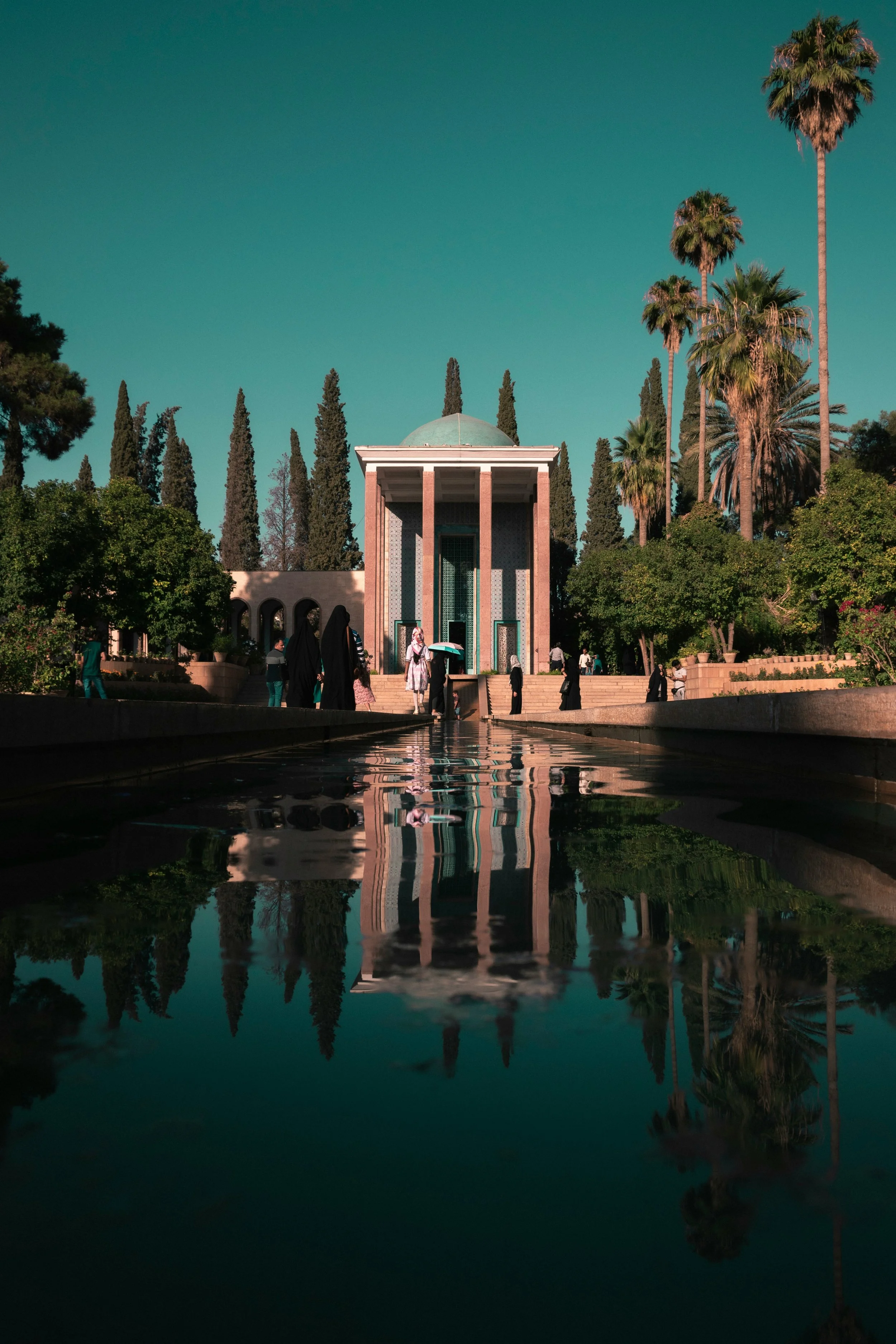
Shiraz: Rose Gardens, Nightingale Poetry, and Ancient Persian Gardens Tradition
Shiraz, located in southwestern Iran's Fars Province (the core of old Persian territory), is one of Iran's most culturally sophisticated cities and a popular tourist destination, recognised for…
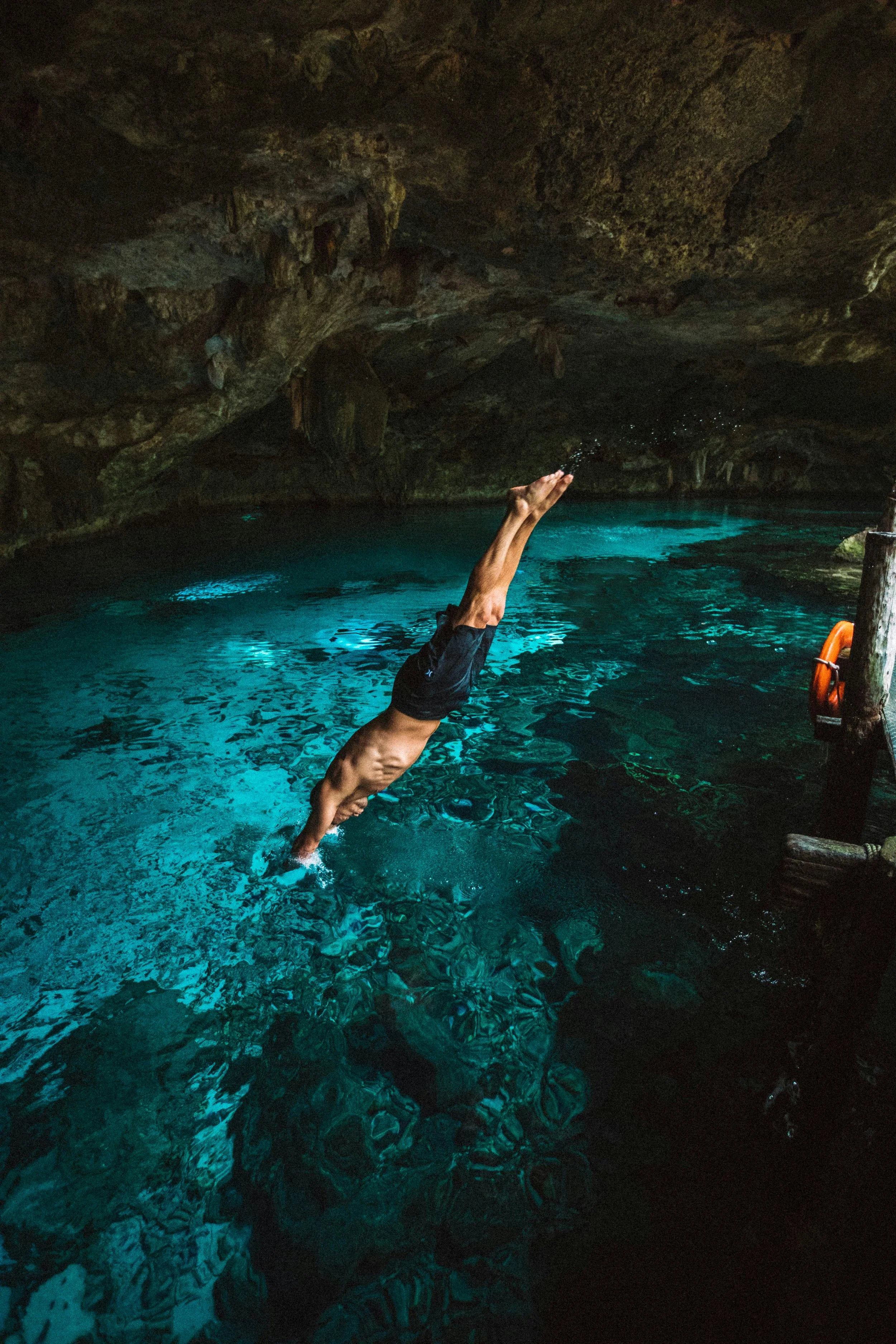
Cenote Diving and Cave Exploration: Exploring Mexico's Underwater Mayan Archaeology
Cenote diving in Tulum and the Yucatán Peninsula is one of the world's most extraordinary adventure tourism experiences, providing direct access to crystalline underground freshwater…
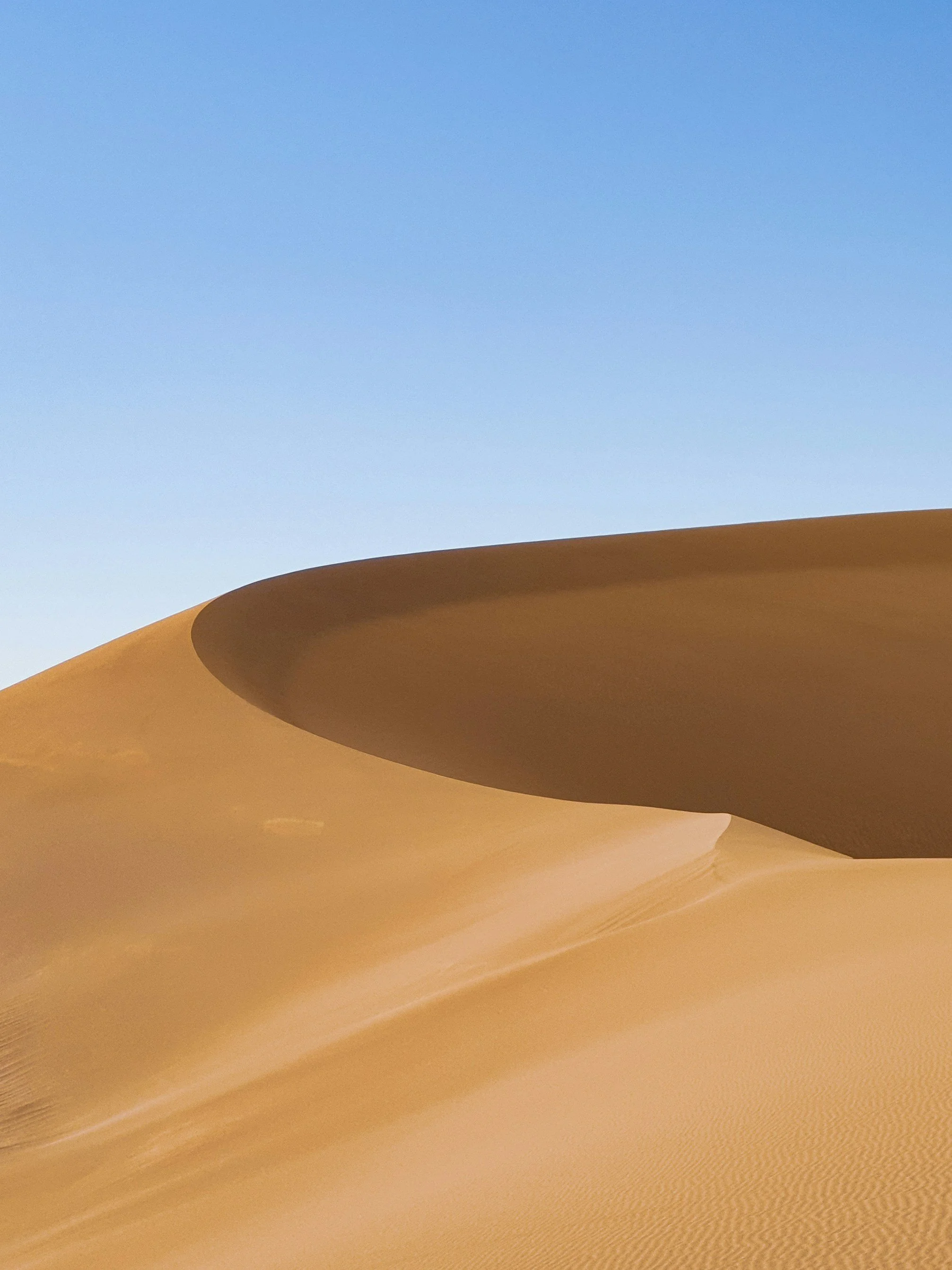
Dasht-e Kavir and Dasht-e Lut: Two Vast Desert Systems Revealing Geological Extremes
The Dasht-e Kavir (Great Salt Desert) and Dasht-e Lut (Lut Desert), which cover roughly two-thirds of Iran's vast interior plateau, are two of the planet's most extreme desert environments, with…
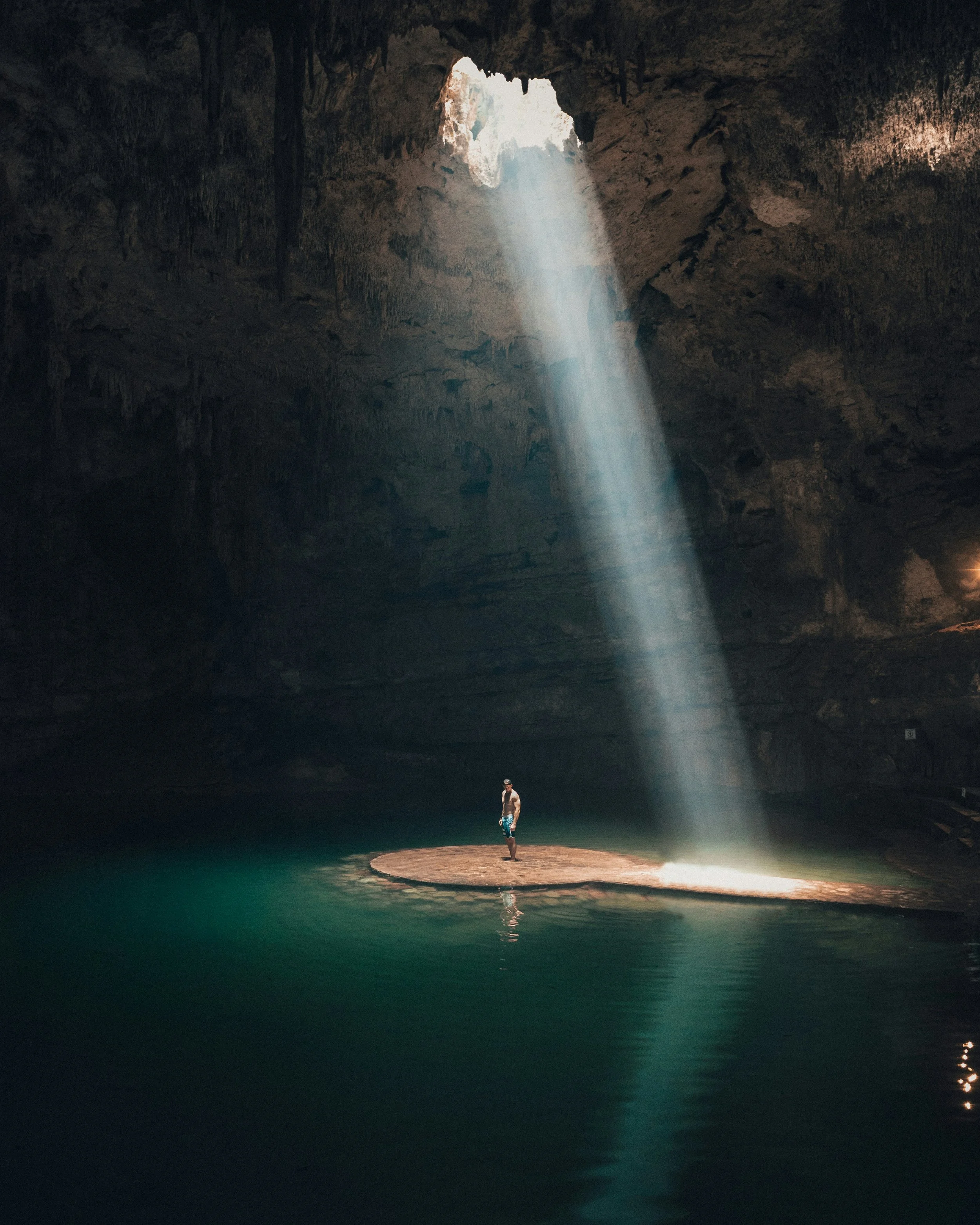
Cenotes: Sacred Underground Limestone Sinkholes and Aquifer System Sustaining the Yucatán Peninsula
Cenotes are one of Earth's most distinctive geological and hydrological features—natural sinkholes formed in limestone bedrock where cave ceilings have collapsed, exposing underground…
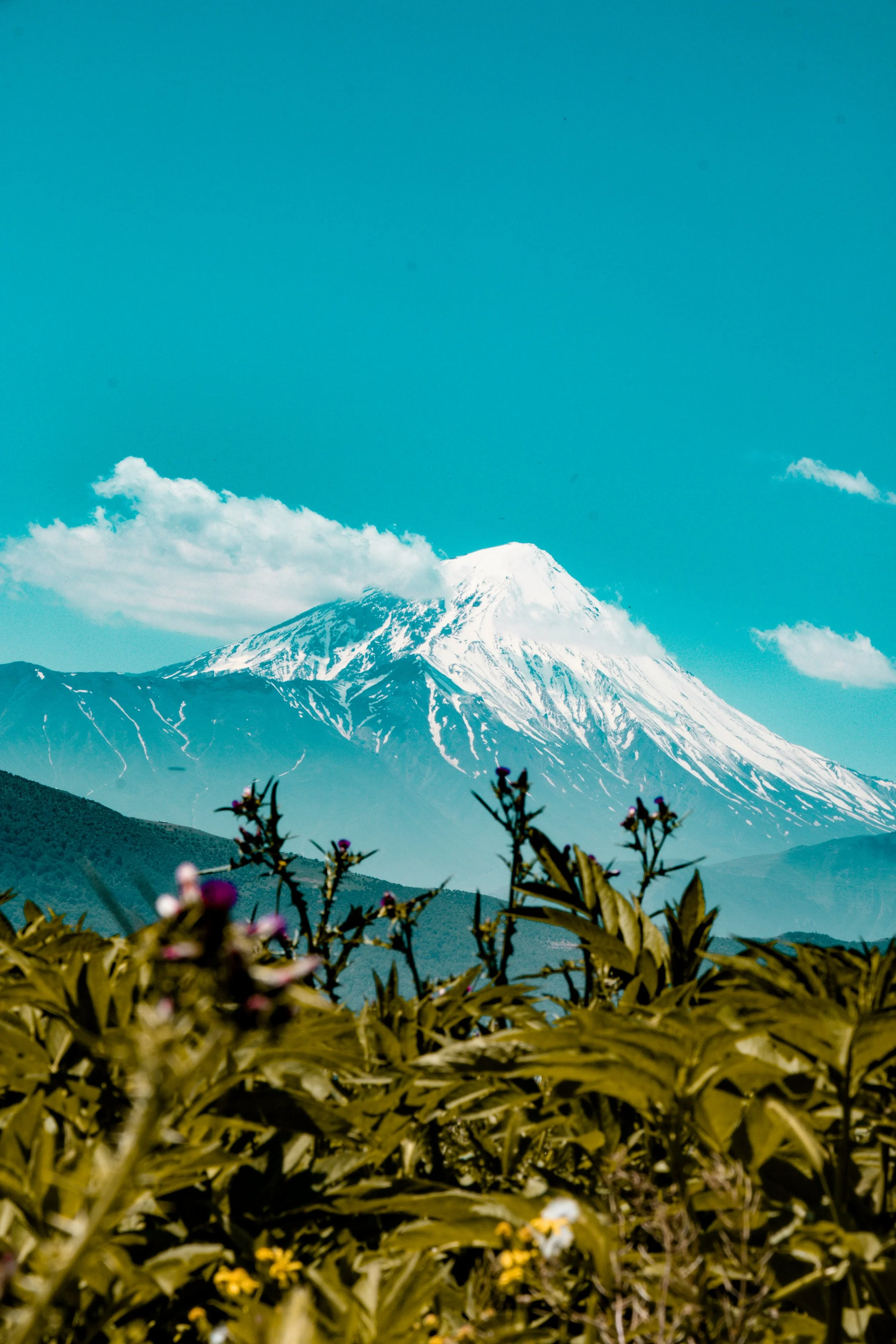
Mount Damavand: Asia's Highest Volcano and Symbol of Persian Endurance
Mount Damavand, at 5,671 meters (18,606 feet) above sea level, is Iran's tallest mountain, the highest peak on the Eurasian continent west of the Hindu Kush range, and the world's highest…
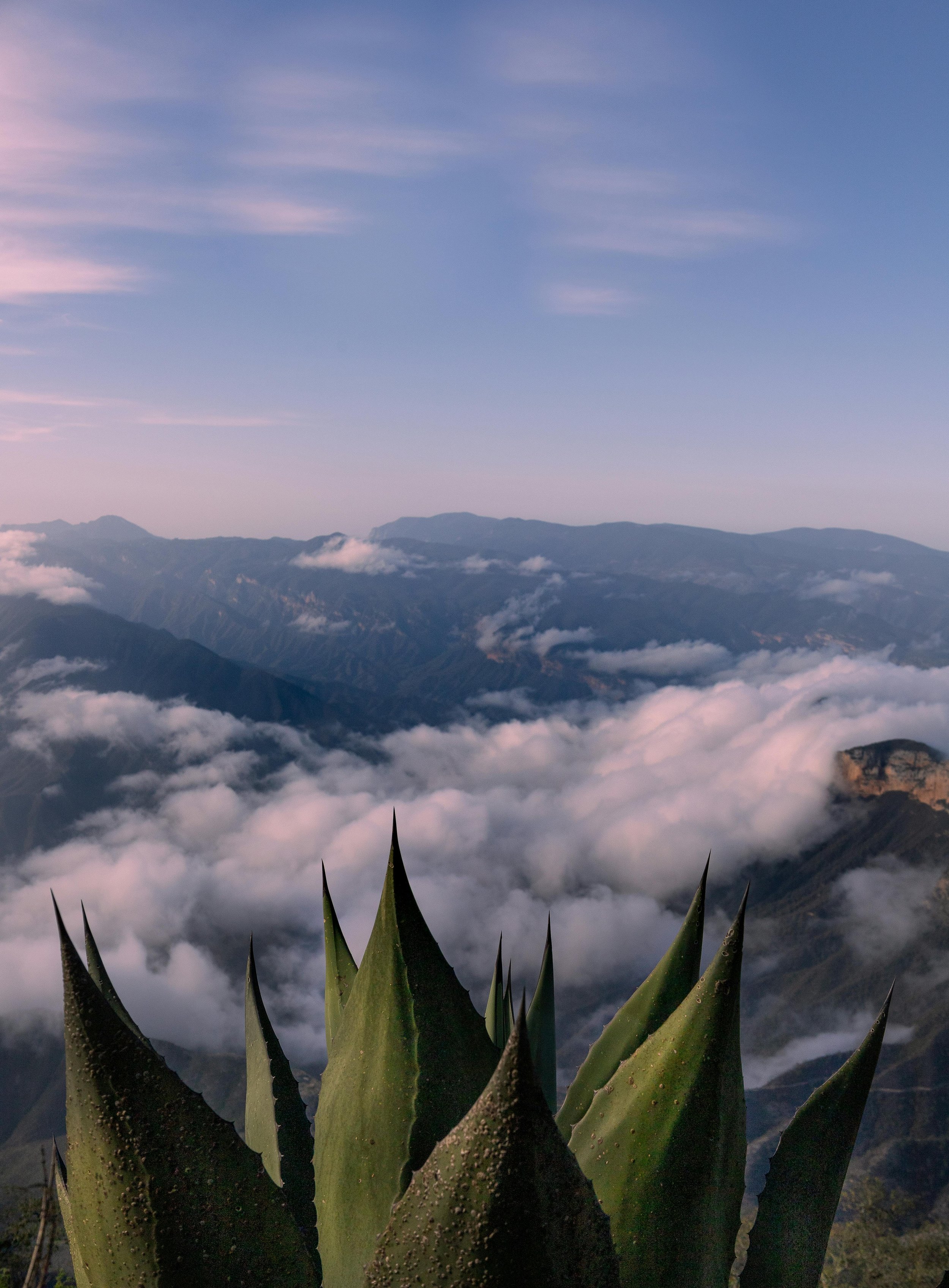
Sierra Madre Mountain System: Three Massive Ranges Enclosing the Mexican Plateau and Defining Continental Geography
The Sierra Madre is Mexico's primary mountain system, consisting of three major ranges—Sierra Madre Occidental, Sierra Madre Oriental, and Sierra Madre del Sur—that form a…
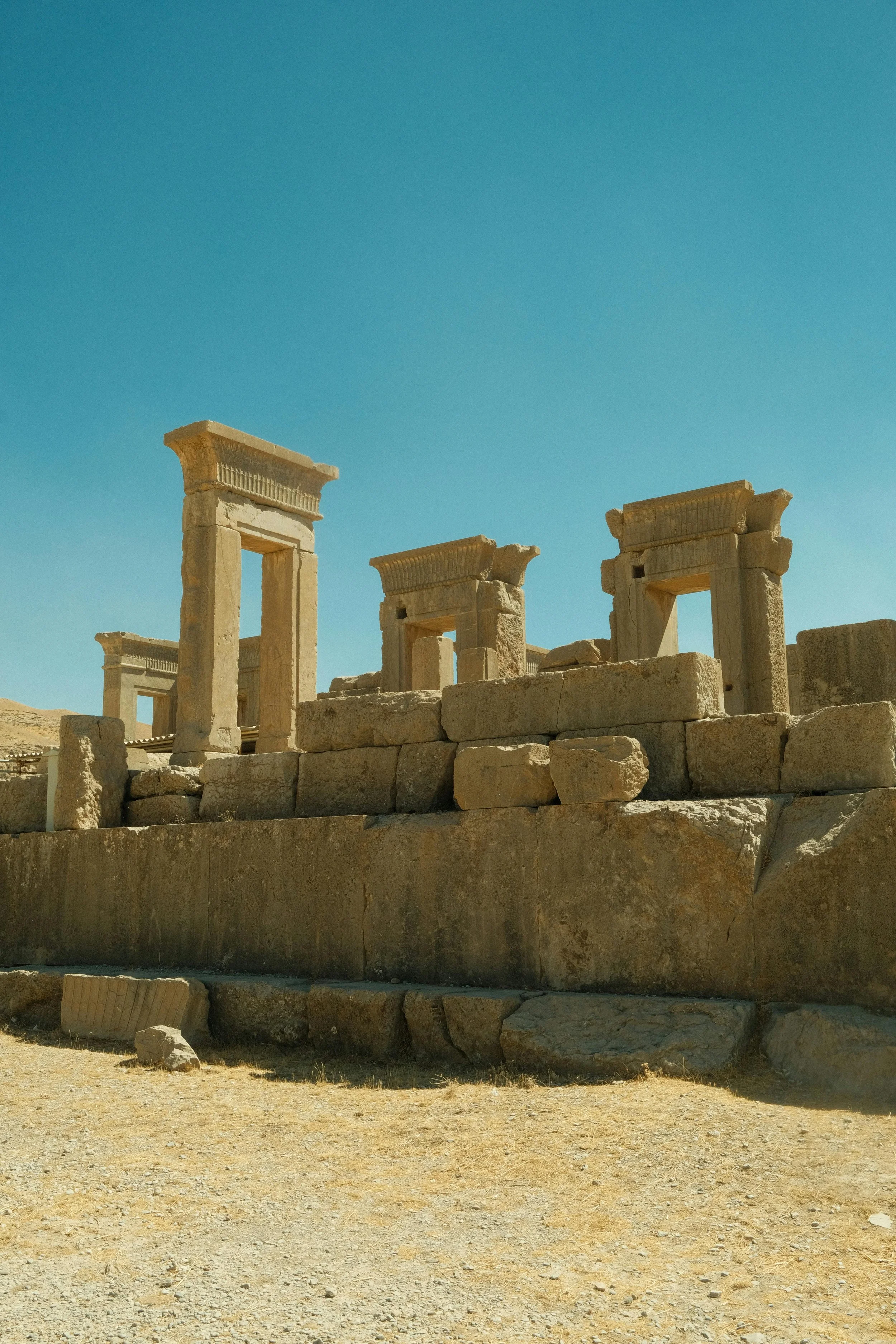
Persepolis: The Ancient Capital of the Achaemenid Empire and Archaeological Grandeur
Persepolis, the ceremonial capital of the Achaemenid Persian Empire (c. 550-330 BCE), is one of the world's most stunning archaeological monuments and a UNESCO World Heritage Site, housing…
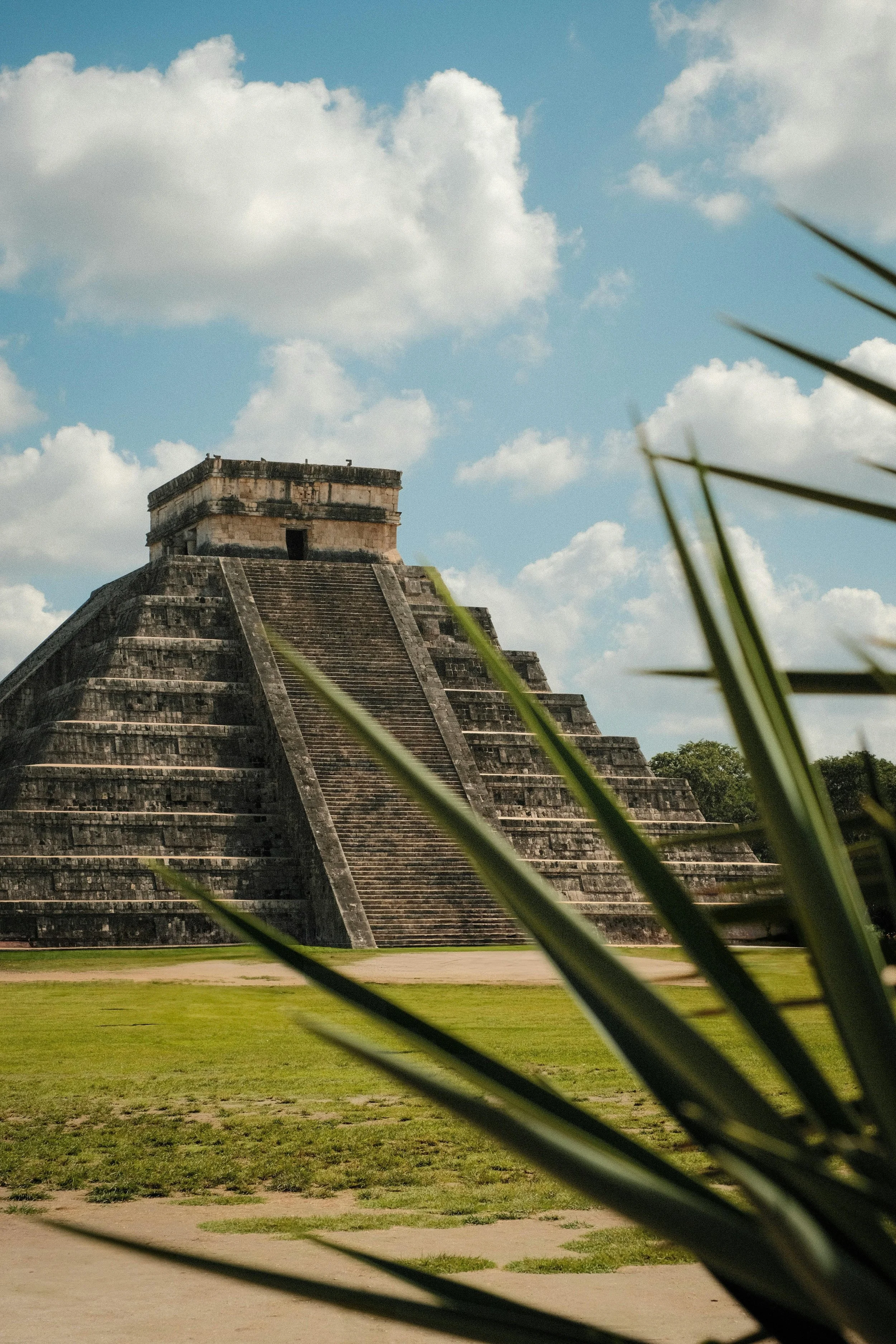
Chichén Itzá: One of the World's Greatest Maya Archaeological Sites and New Seven Wonders
Chichén Itzá, located on Mexico's Yucatán Peninsula, was designated a UNESCO World Heritage Site in 1988 and a New Seven Wonders of the World in 2007. It is one of the world's most…
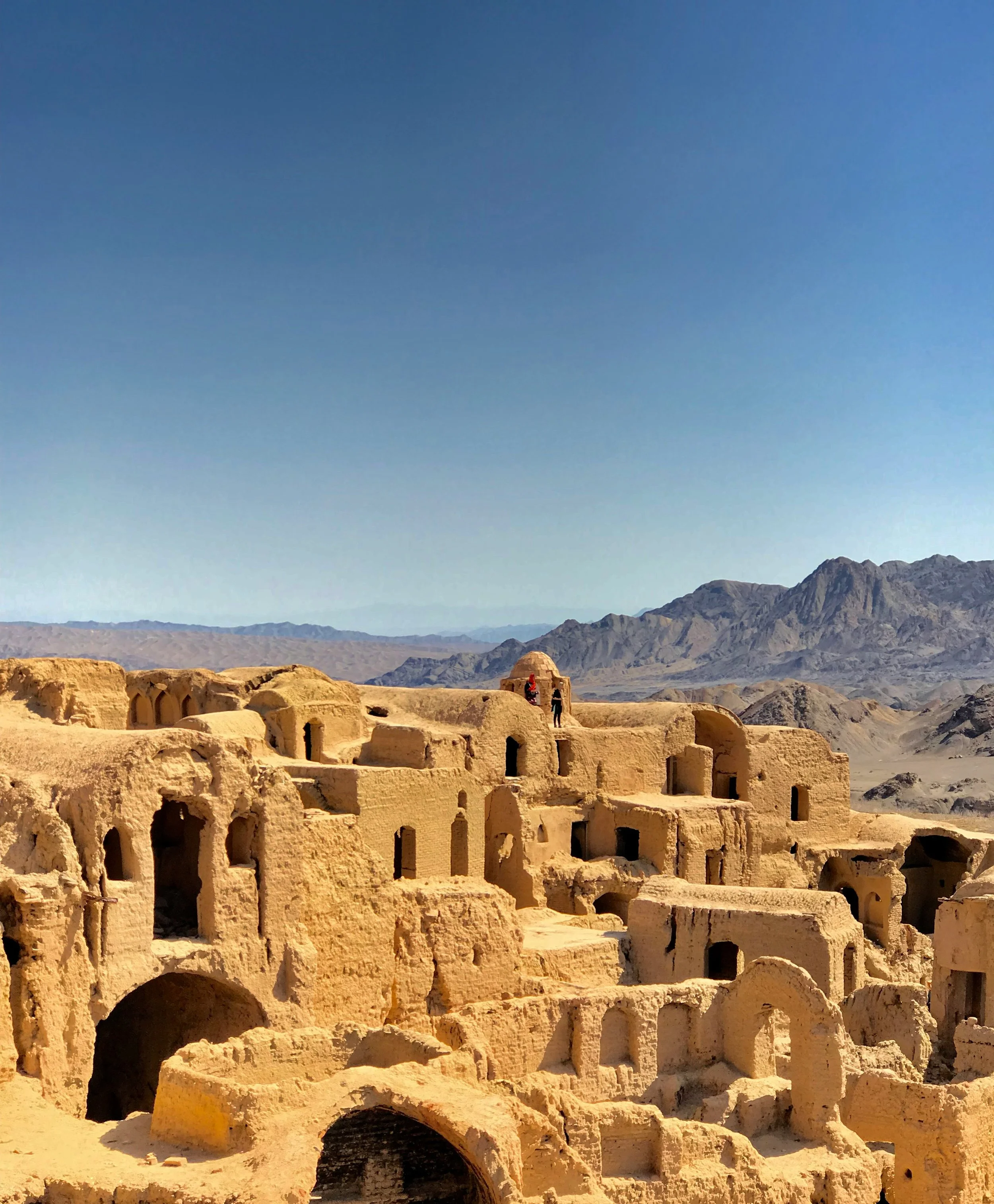
Ancient Persian Civilization: Three Successive Empires and Four Millennia of Continuous Cultural Development
Iran is home to one of the world's oldest civilisations, stretching back 100,000 years to the Palaeolithic period. Organised urban communities were created by 5000 BCE. Over two millennia, the Persian…
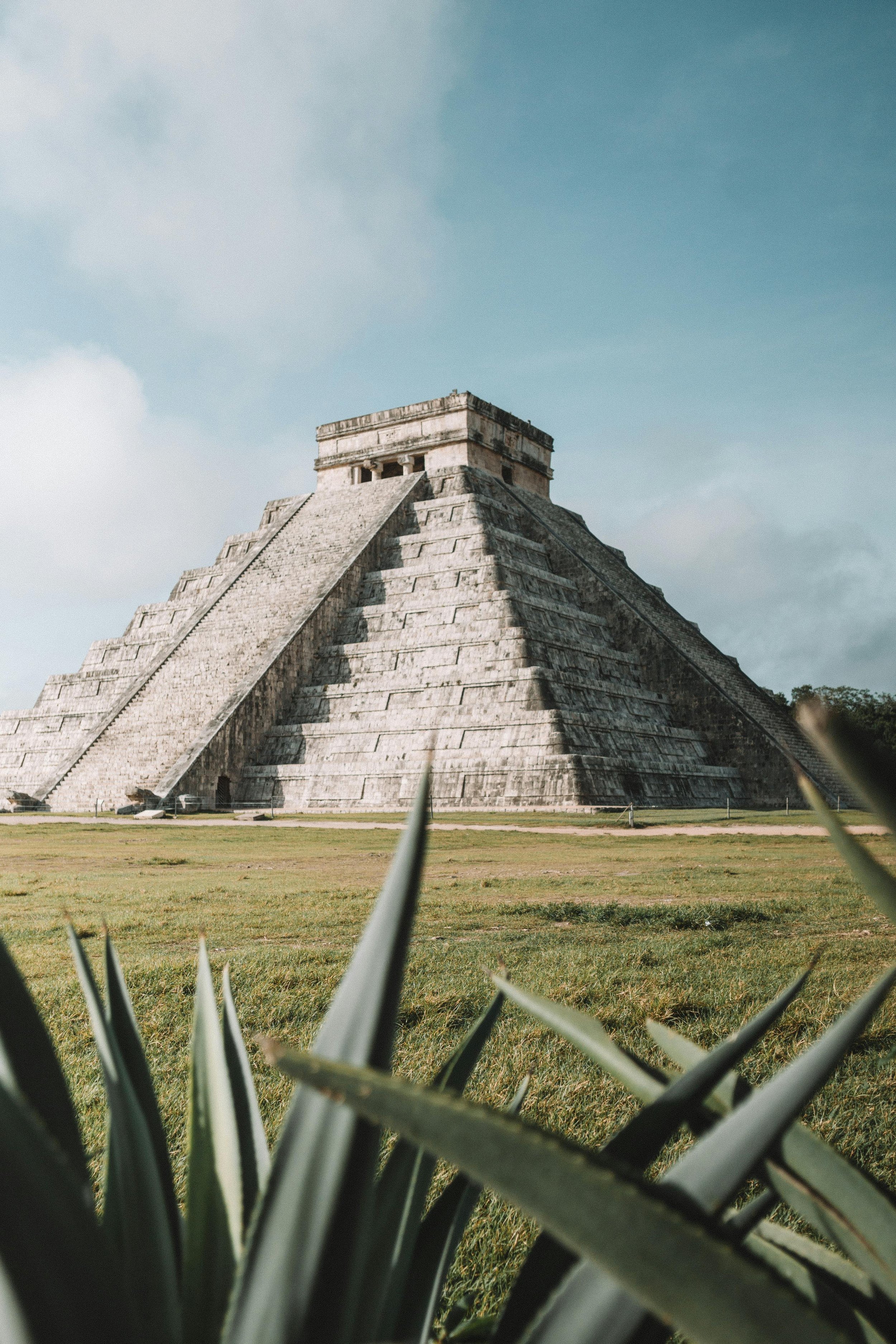
Ancient Aztec and Maya Civilizations: Two Monumental Cultures That Shaped Mesoamerica
Mexico's ancient Aztec and Maya civilisations are among the world's most sophisticated and important pre-Columbian societies, with each achieving astonishing achievements in…

The Statue of Liberty: Transforming from French Gift into Symbol of Immigrant Welcome
The Statue of Liberty, which stands 151 feet (46 meters) tall on Liberty Island in New York Harbour, has become internationally acknowledged as America's defining emblem of freedom…
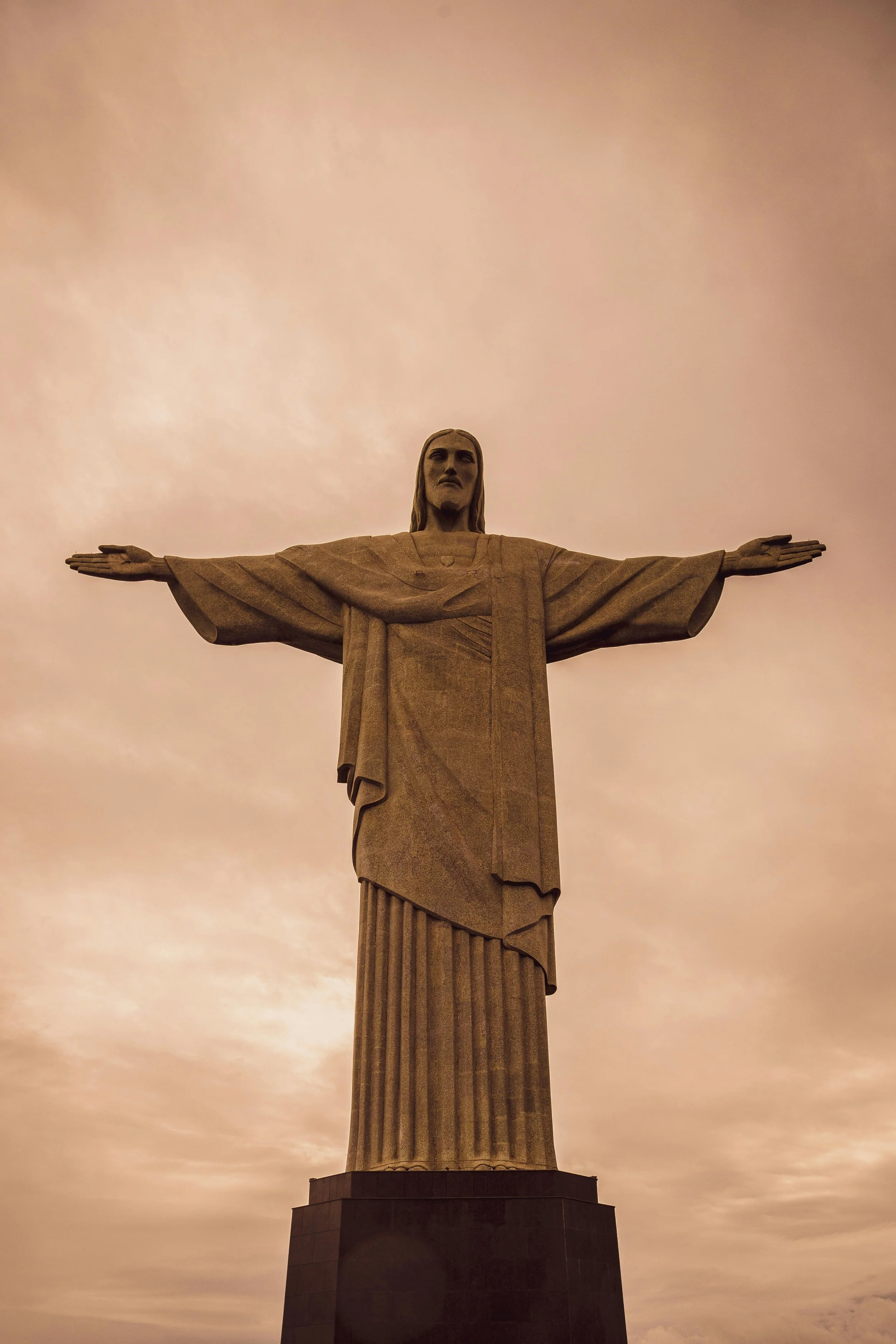
Christ the Redeemer: A 98-Foot Art Deco Masterpiece Overlooking Rio de Janeiro
Christ the Redeemer, the 38-meter (125-foot) statue atop Corcovado Mountain (2,300 meters elevation) in Rio de Janeiro, is one of the world's most iconic religious monuments and one…
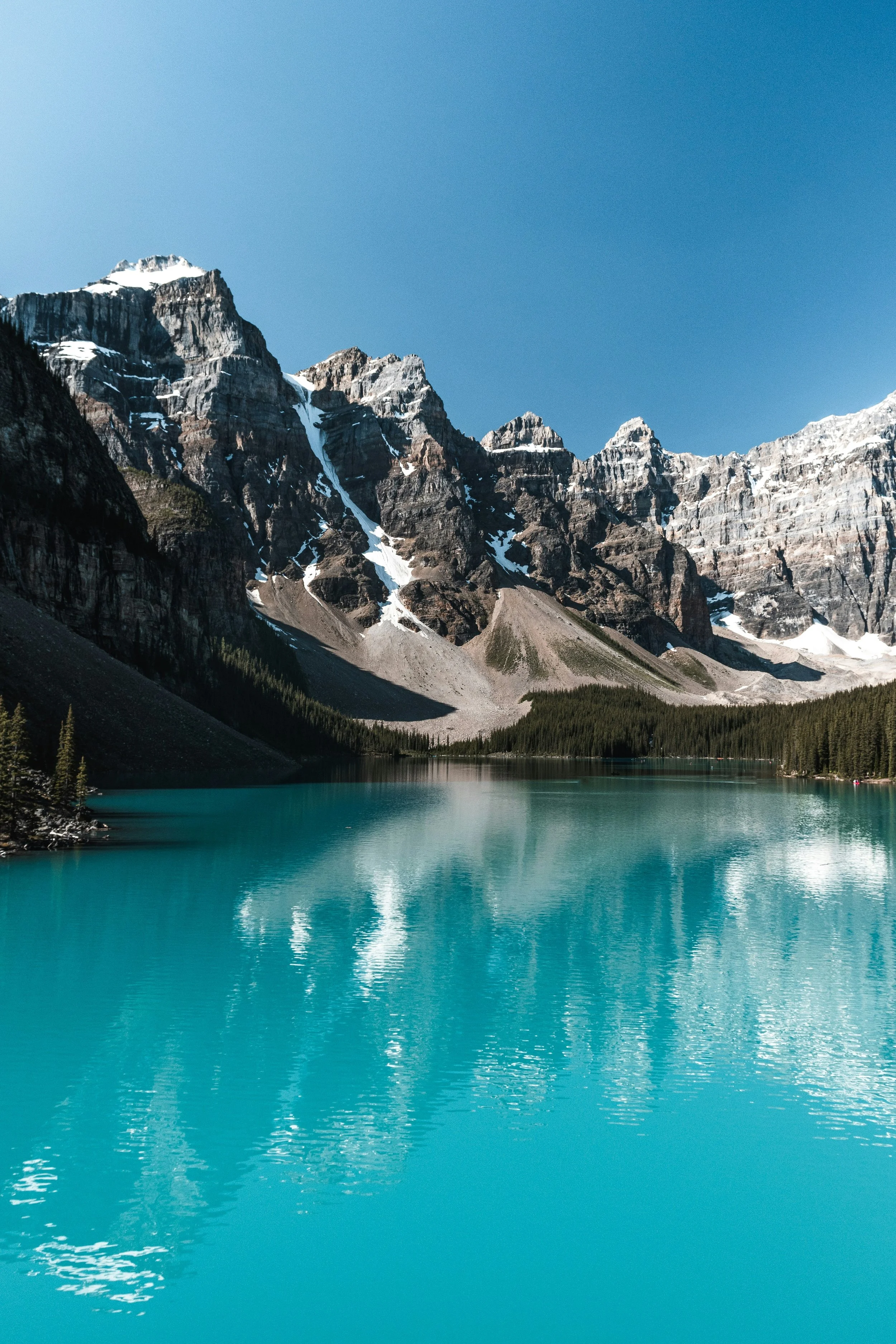
The Rocky Mountains: A Vast Range Built Through Plate Tectonics and Crustal Deformation
The Rocky Mountains, which run nearly 3,000 kilometres (1,860 miles) from Canada to New Mexico, are one of North America's most striking geological features—a mountain range…
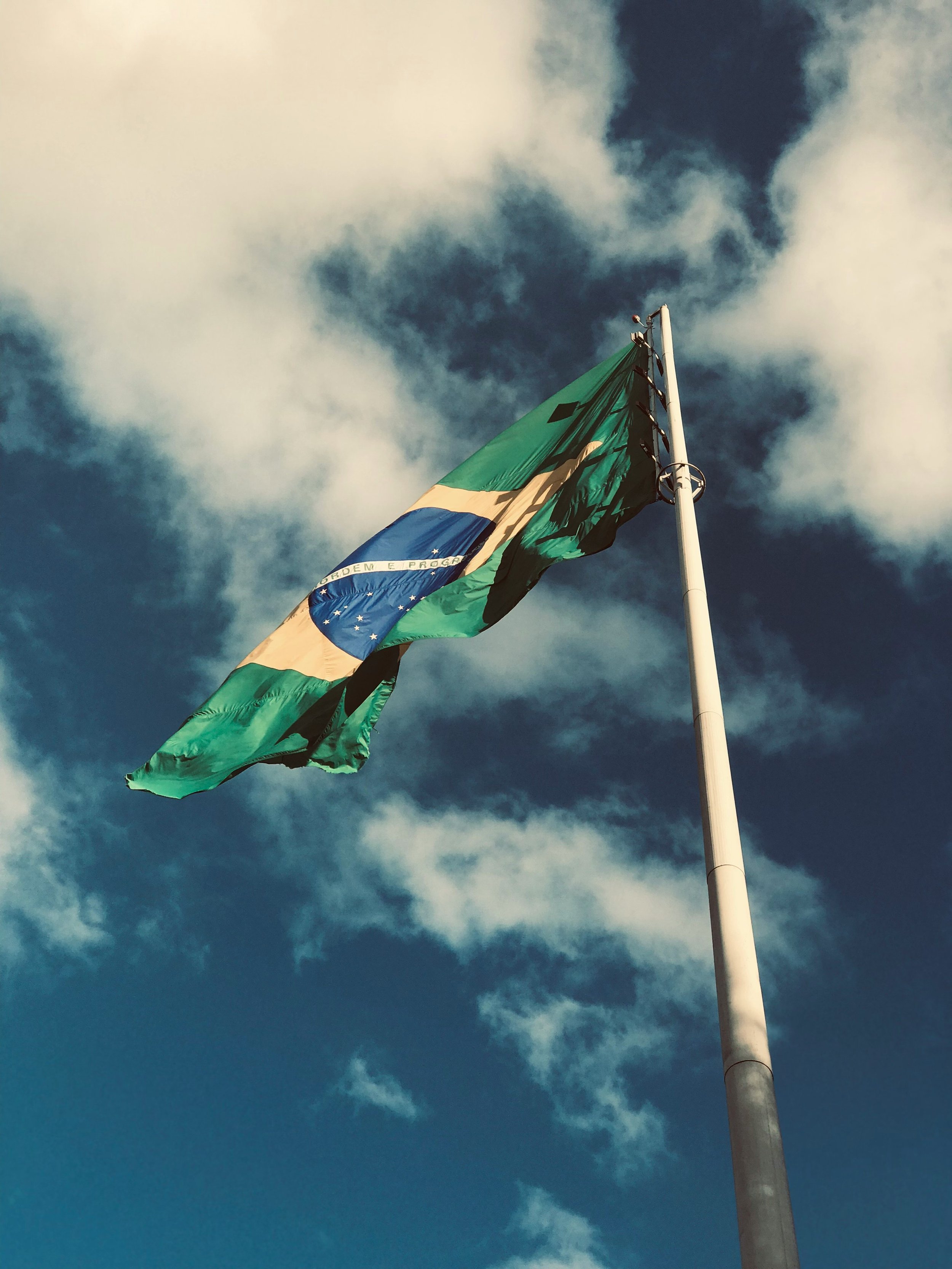
Brazilian Music: From Samba to Bossa Nova—A Global Cultural Revolution
Brazilian music is one of the world's most significant and diverse musical traditions, combining African, Portuguese, and indigenous influences to create distinct genres that were later…
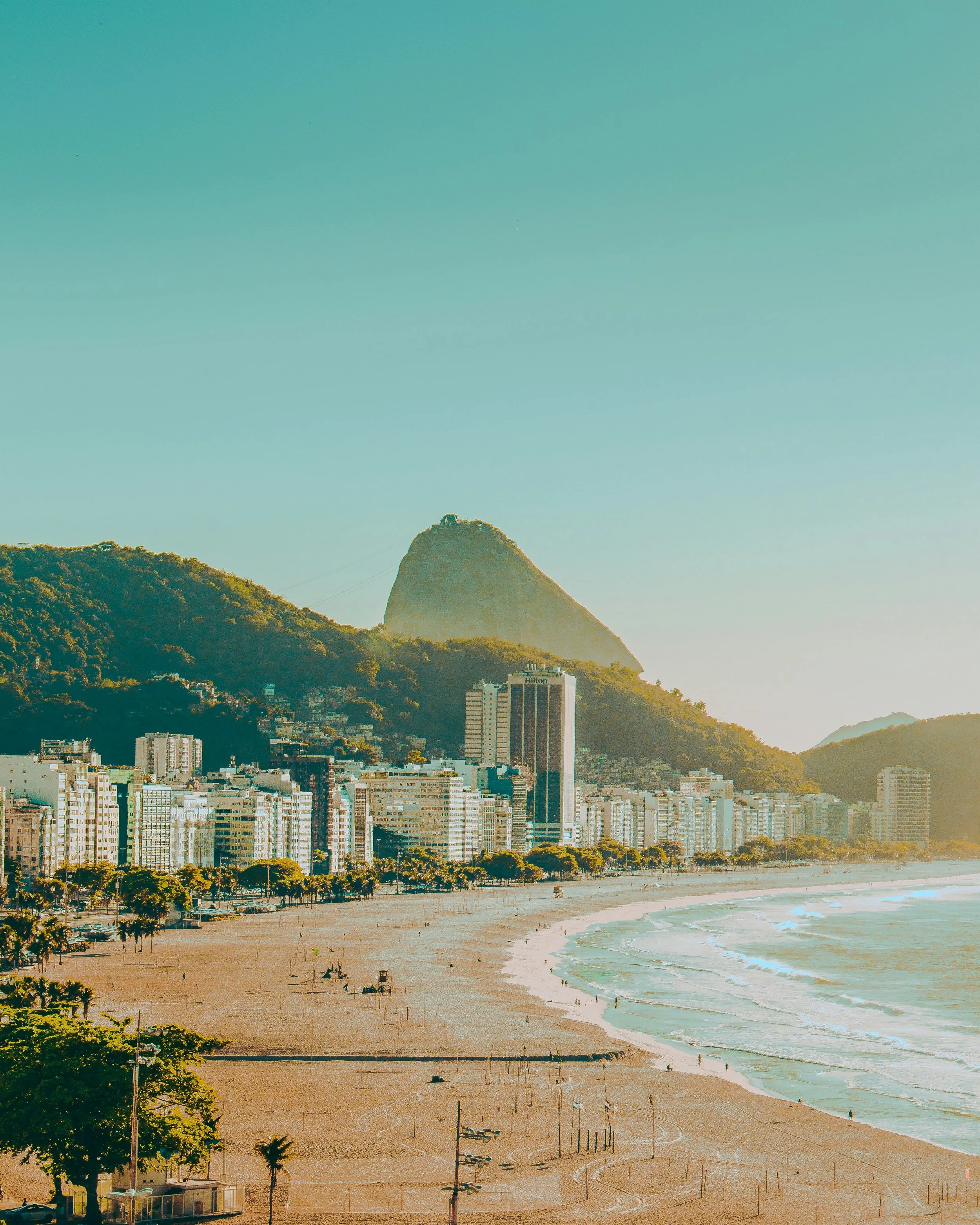
Copacabana: Rio's Iconic Beach Embodying Carioca Culture and Social Life
Copacabana Beach, which stretches around 4 kilometres along Rio de Janeiro's Atlantic coastline, exemplifies the traditional Brazilian beach—a place where social hierarchy collapses, sensuality…

Thanksgiving: From Colonial Myth to National Holiday Celebrating Harvest and Family
Thanksgiving, observed on the fourth Thursday of November in the United States, is one of America's most important annual traditions—a holiday that combines religious thankfulness, harvest…
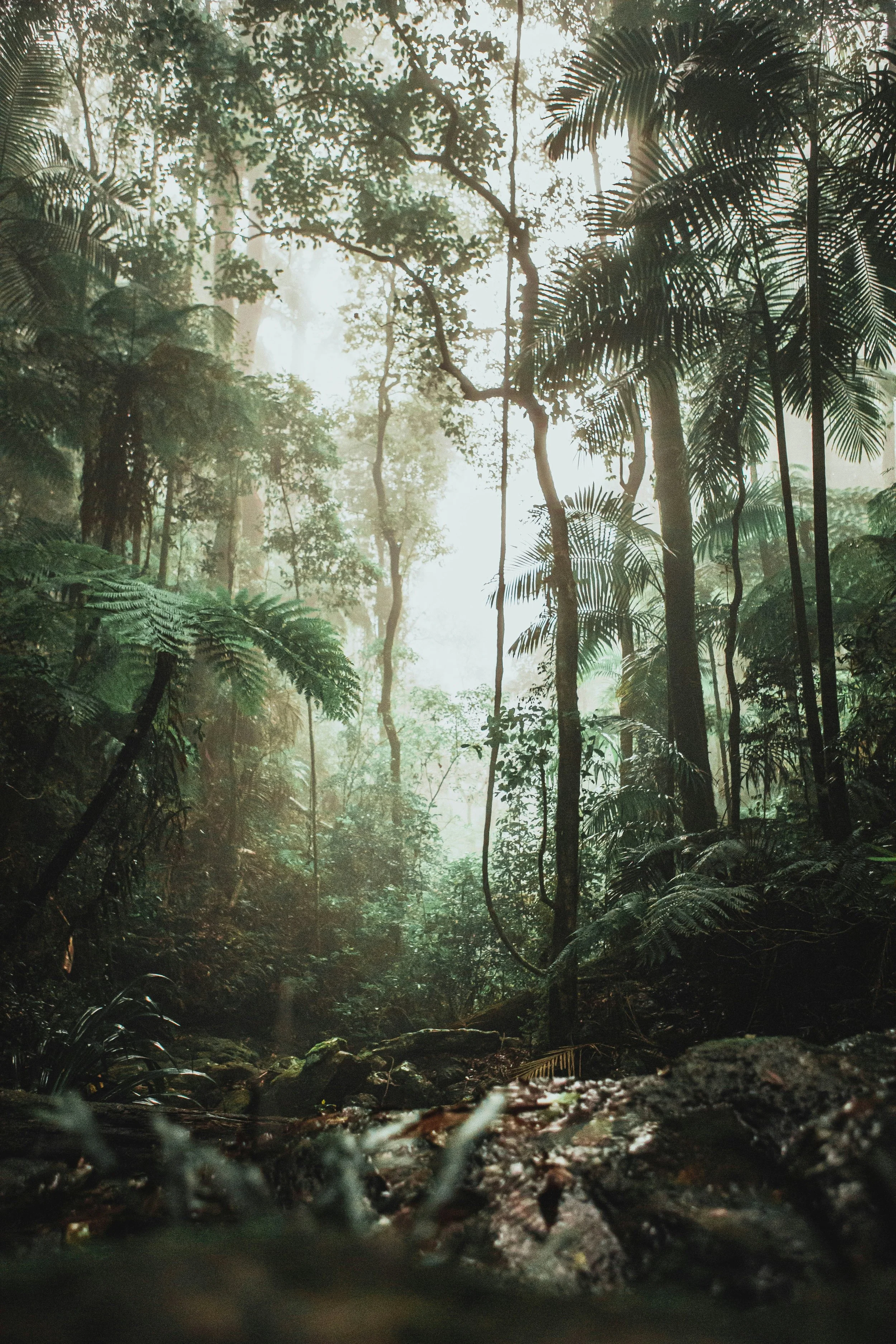
The Amazon Rainforest: Earth's Most Biodiverse Ecosystem Spanning 5.5 Million Square Kilometres
The Amazon rainforest is the world's biggest tropical rainforest and most biodiverse terrestrial environment, comprising over 5.5 million square kilometres (2.1 million square miles) across nine…

Jazz Music: America's Unique Cultural Gift Born from New Orleans Fusion
Jazz, often referred to as "America's classical music," arose in early twentieth-century New Orleans as a truly novel musical form—the first significant musical genre created entirely within American…