Latest Notes
In primo piano
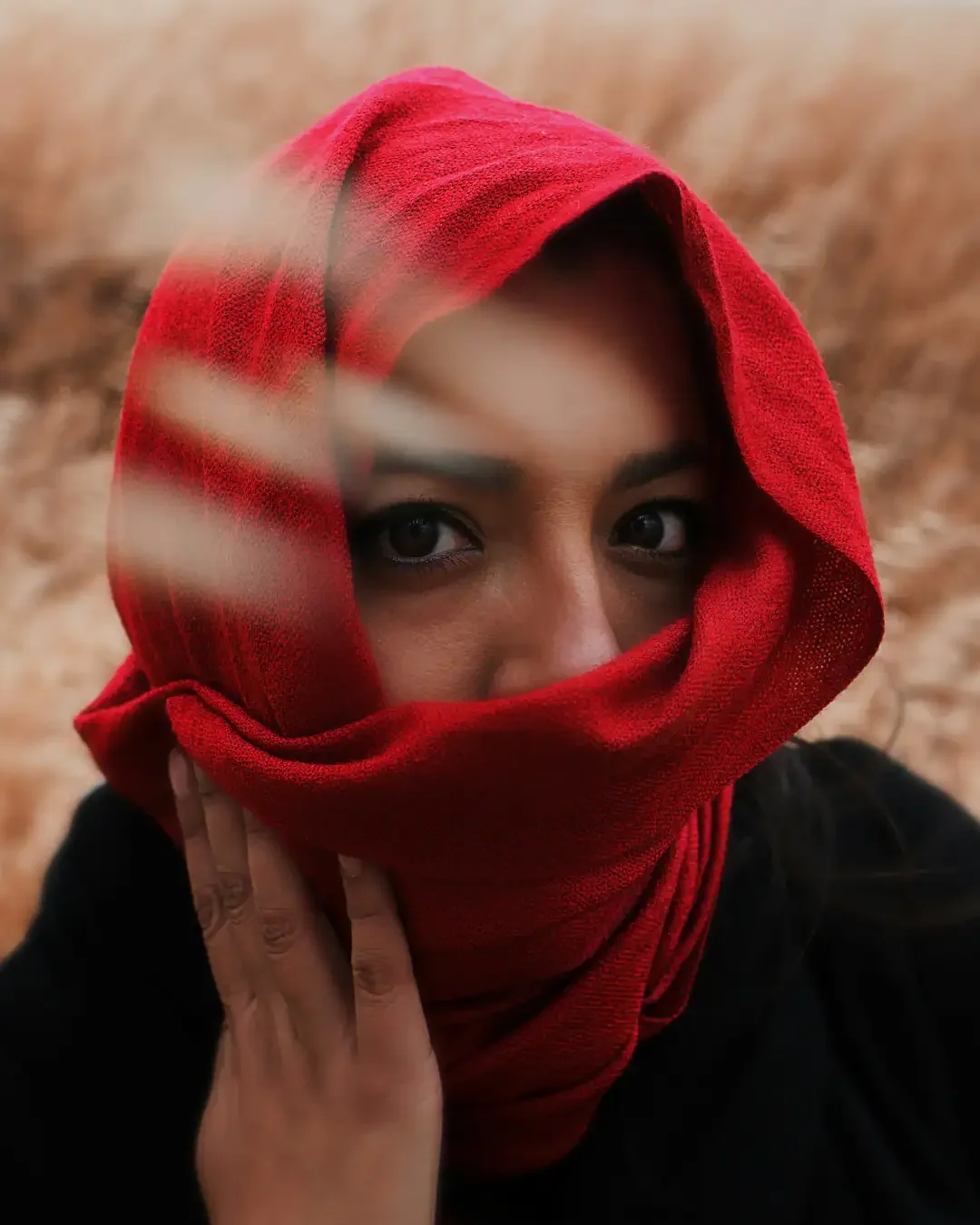

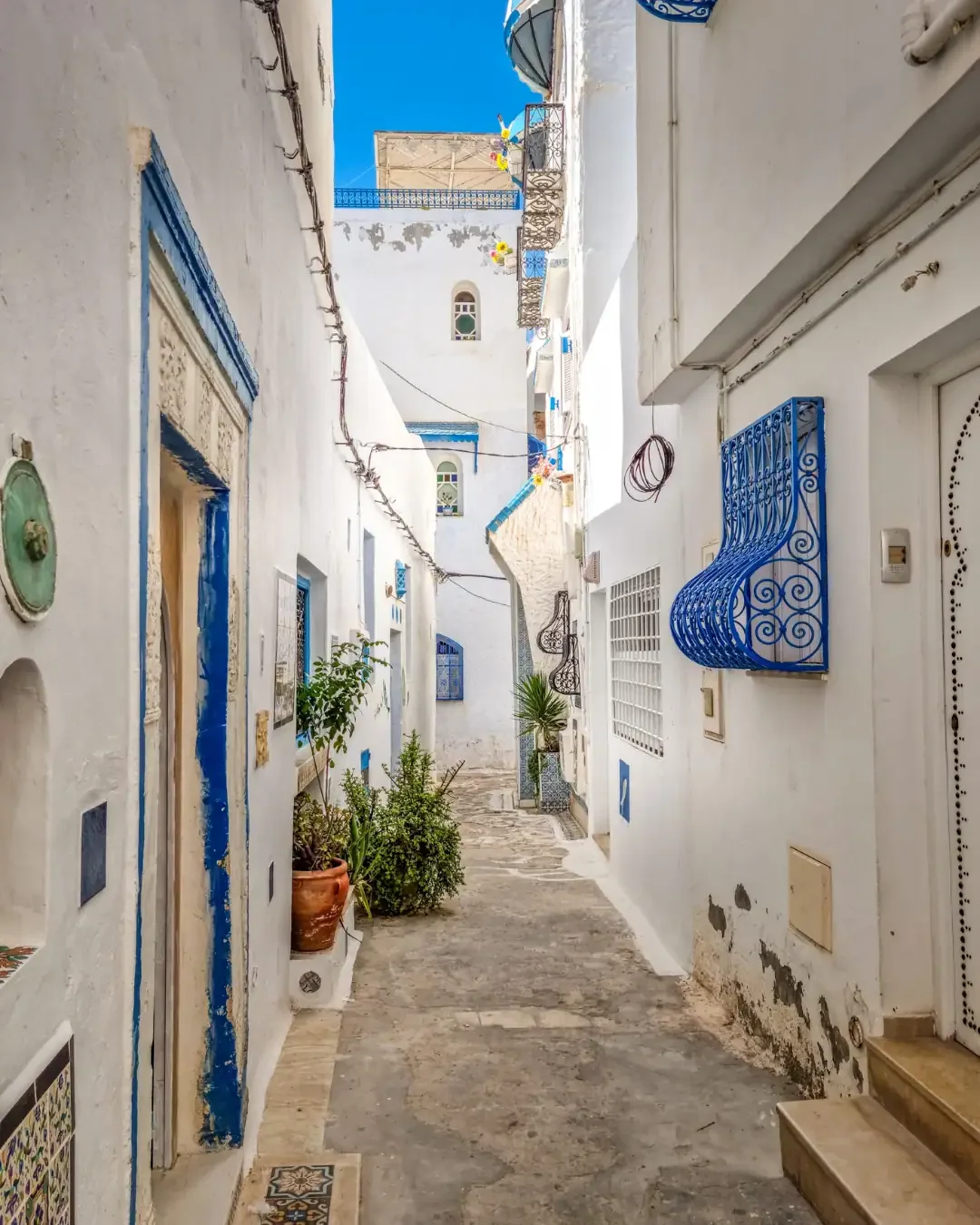

When Tunisia obtained independence from France in 1956, its first president, Habib Bourguiba, promptly implemented the Code of Personal Status, a set of family laws that distinguished the country from …
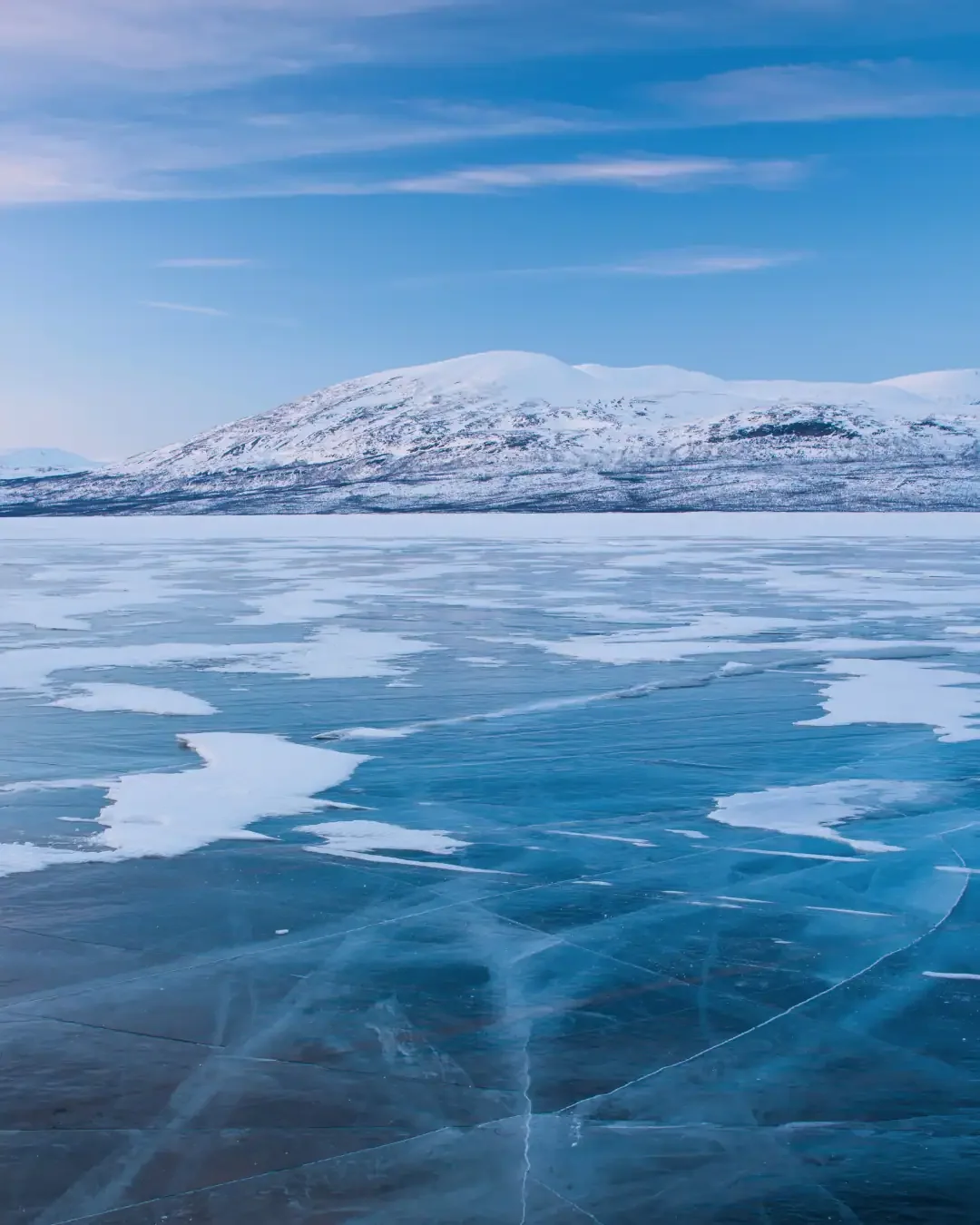
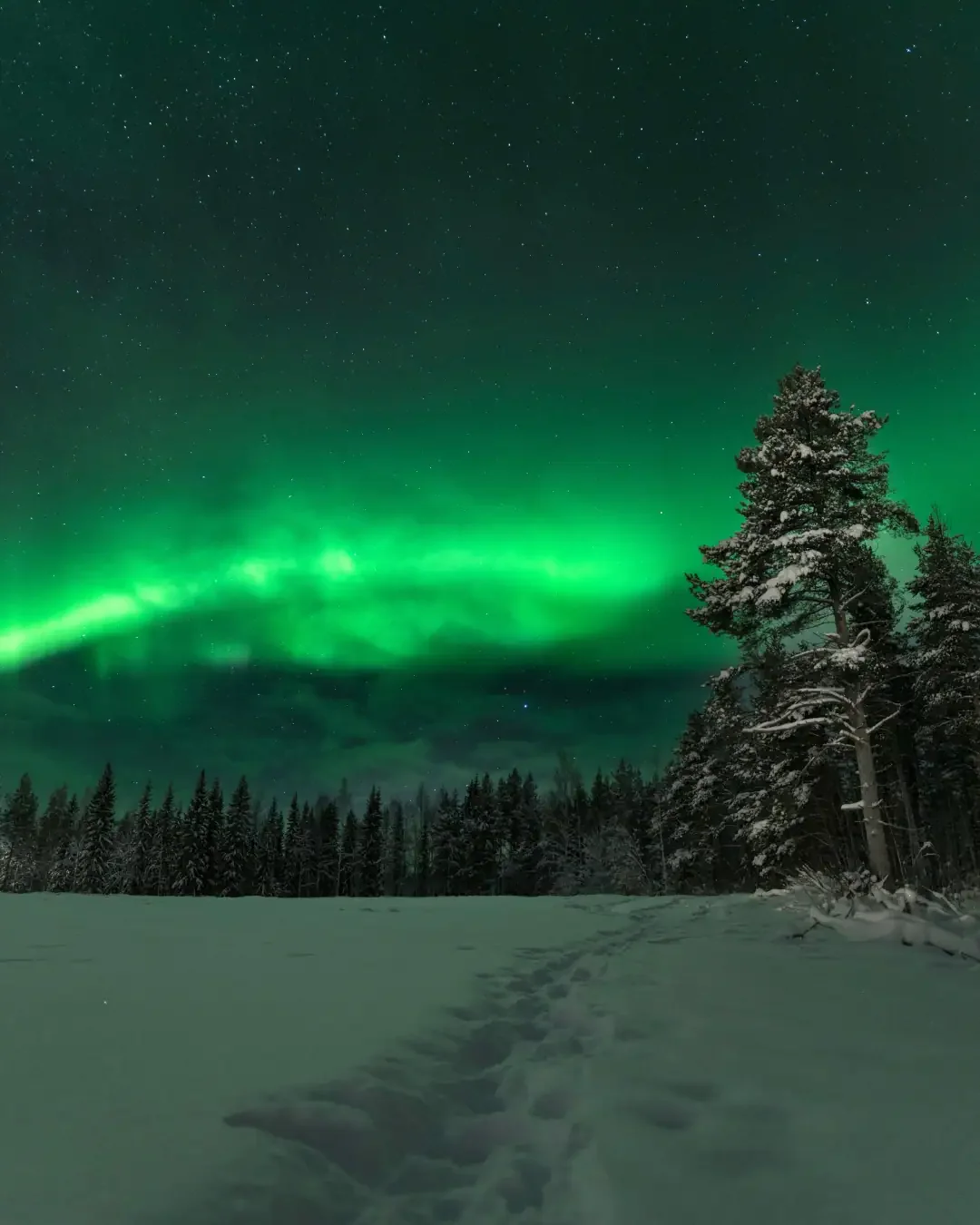
Abisko, a community and national park on the Norwegian border in Swedish Lapland, has become one of the world's best places to see the Northern Lights. Abisko, located well above the Arctic Circle, …
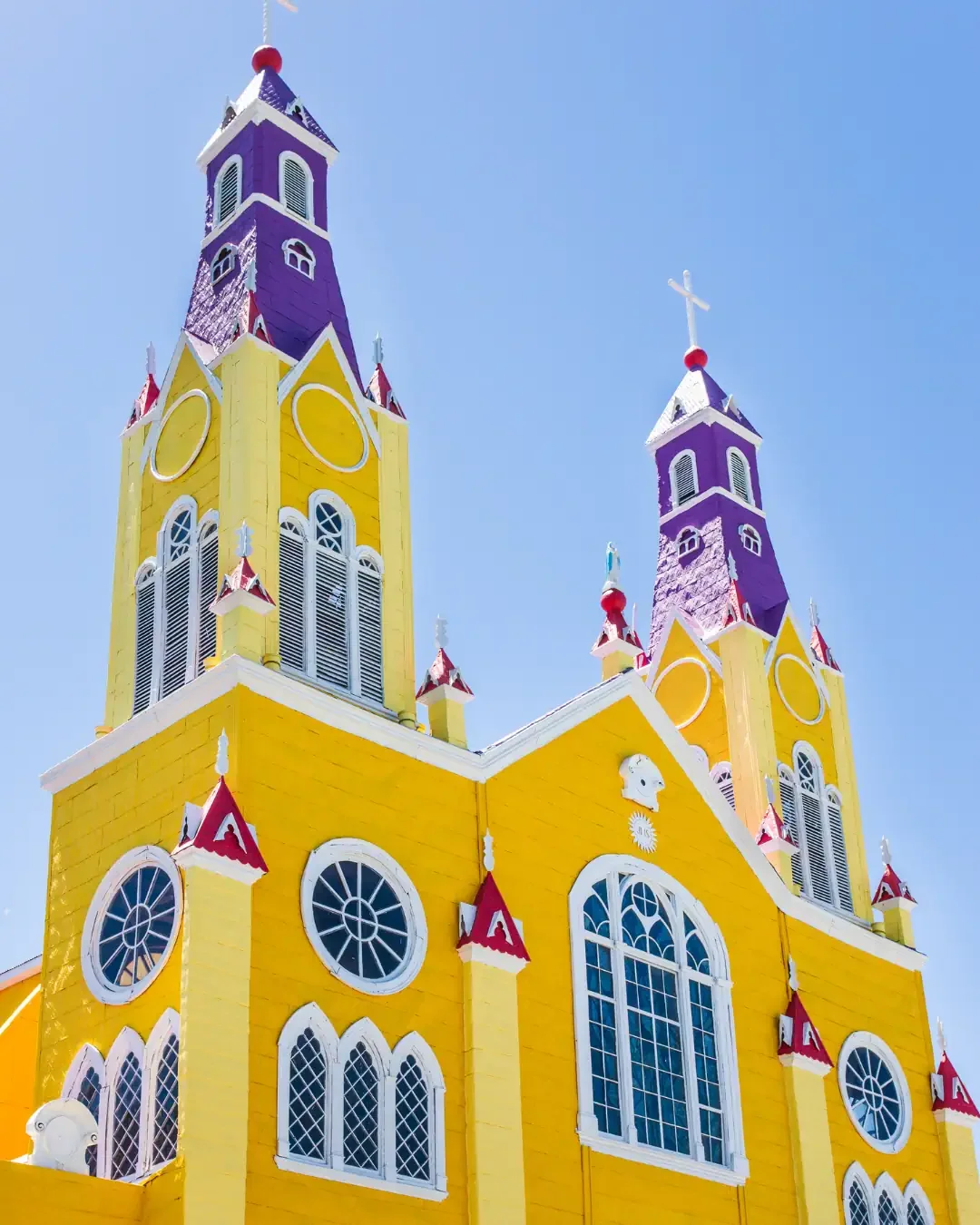
The wooden churches of the Chiloé Archipelago, in southern Chile, are among the most impressive examples of community-built religious architecture in Latin America. These churches, which are spread …
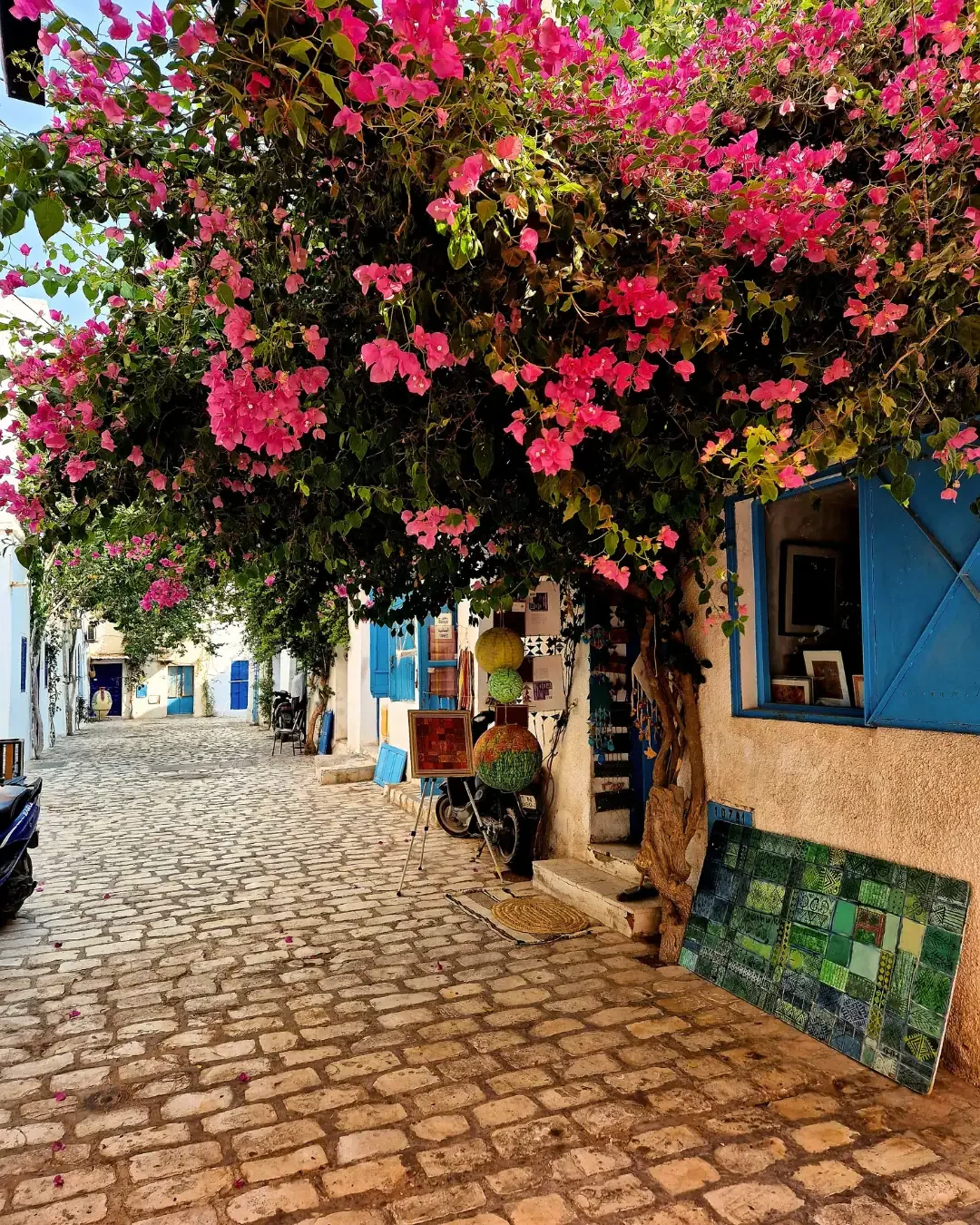
The island of Djerba, connected to mainland Tunisia by a Roman-era causeway across a shallow lagoon in the Gulf of Gabes, is one of the Mediterranean's most relaxed beach destinations. It is also one of the …
Sweden is well-known for its comprehensive welfare state and strong dedication to gender equality, which influence both daily living and worldwide impressions of the country. Sweden's policies prioritize both high …
Chile's geography is greatly influenced by its location on a major convergent plate boundary, where the oceanic Nazca Plate subducts beneath the South American Plate. This interaction is manifested off …
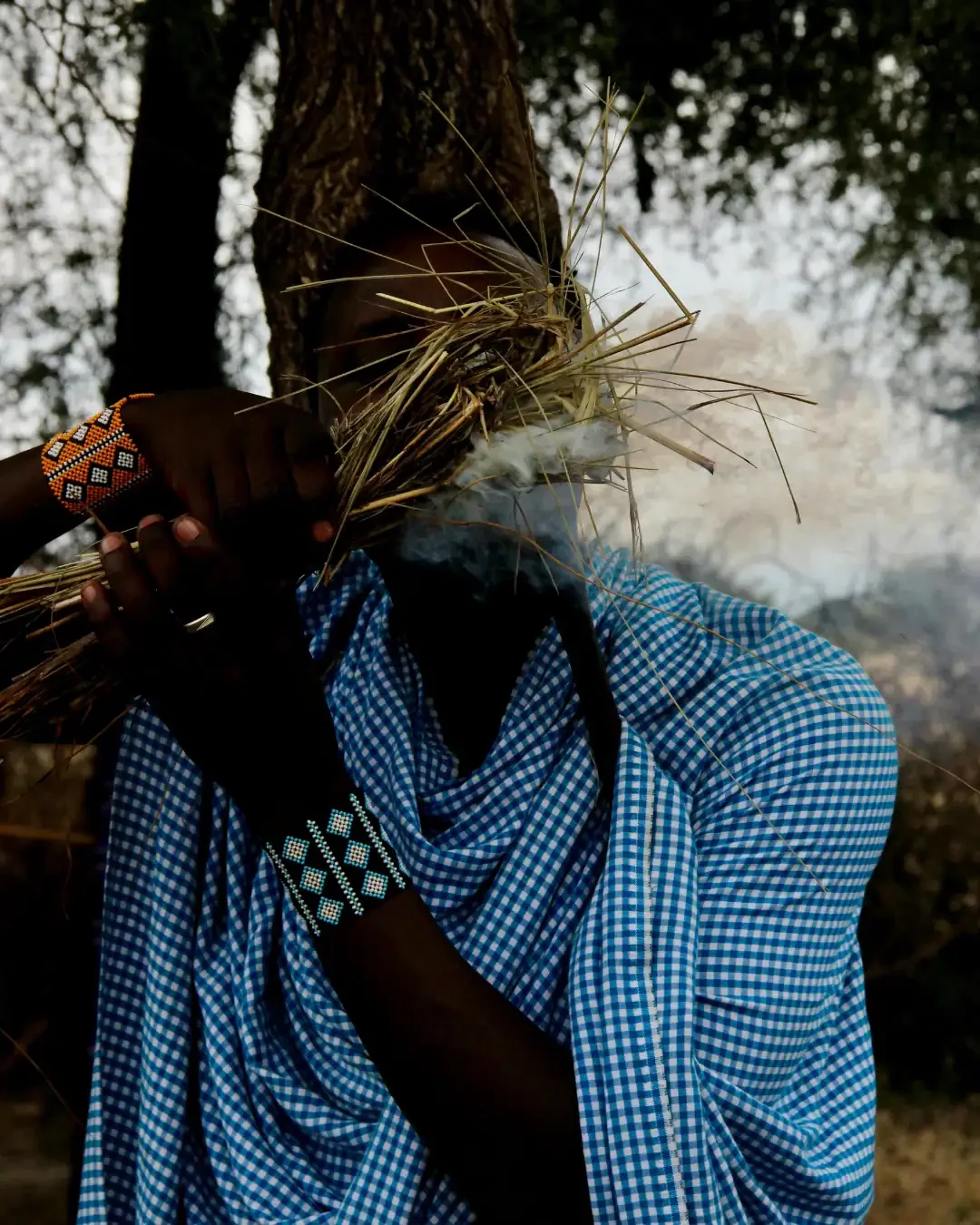
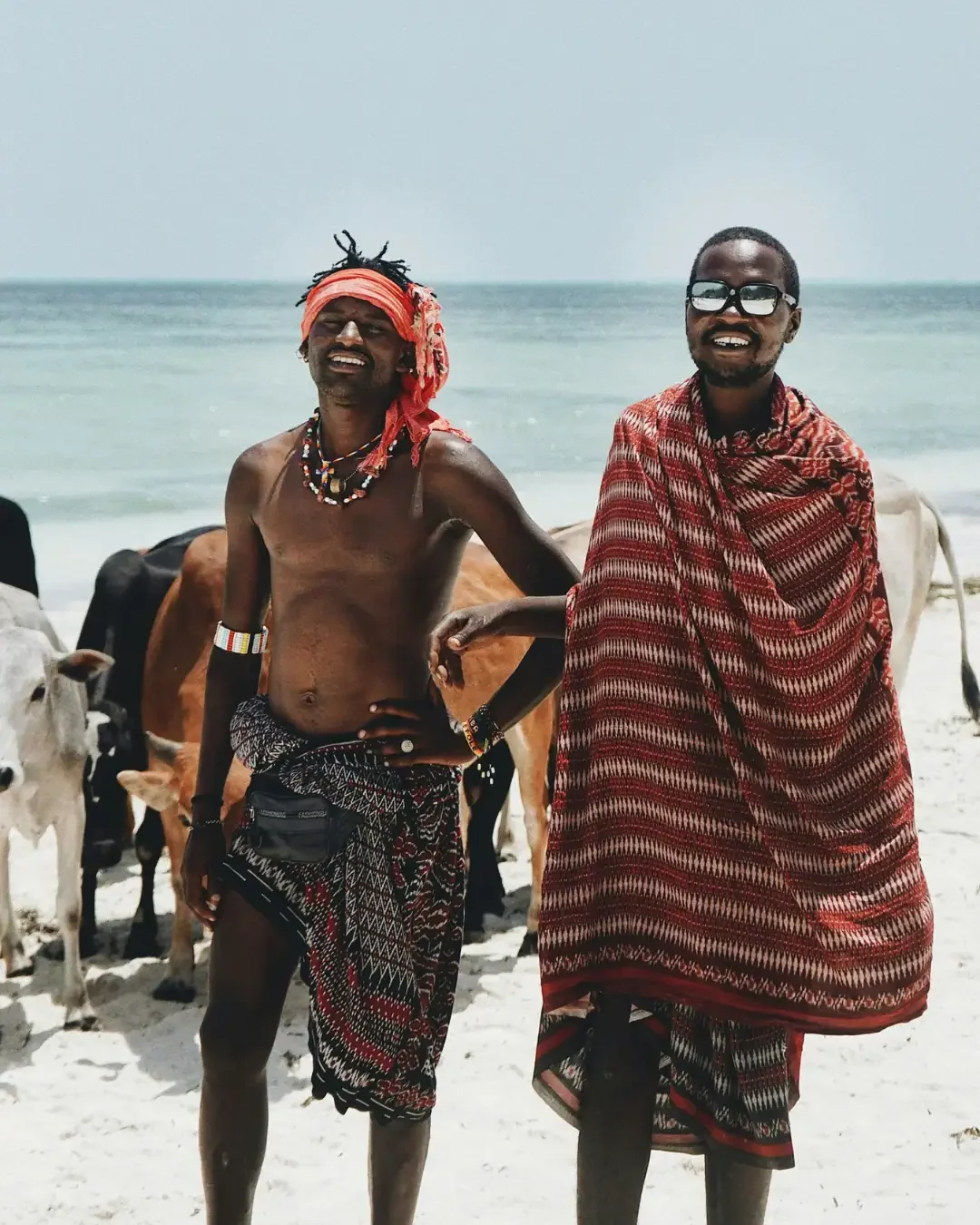
Tanzania's Maasai people are one of East Africa's most distinct and culturally robust indigenous populations, upholding centuries-old traditions in the face of modernizing challenges. The calabash is an …
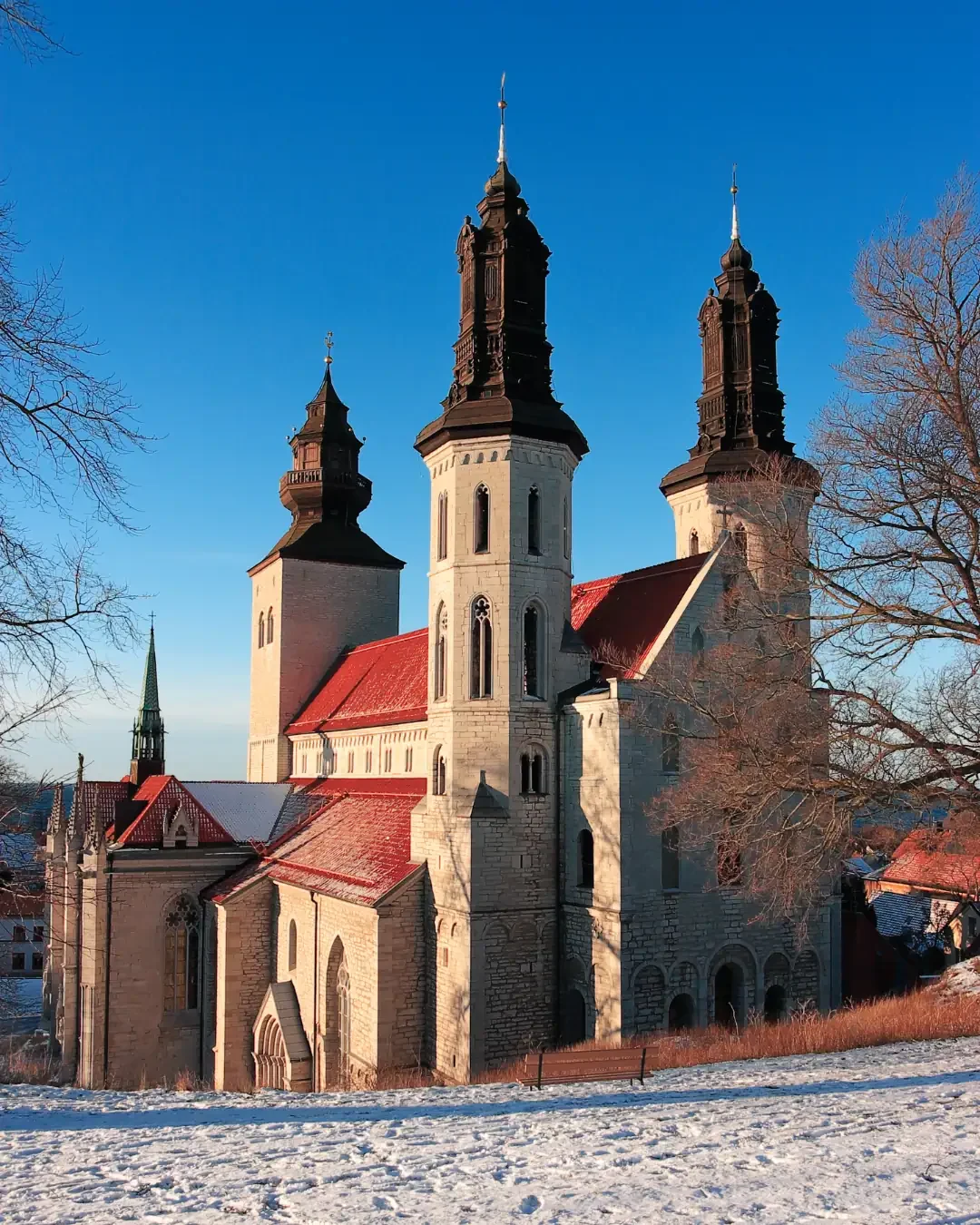
The island of Gotland, located off Sweden's southeast coast, is home to Visby, a UNESCO World Heritage-listed medieval town that is one of the best preserved in Northern Europe. Visby thrived during the Middle …
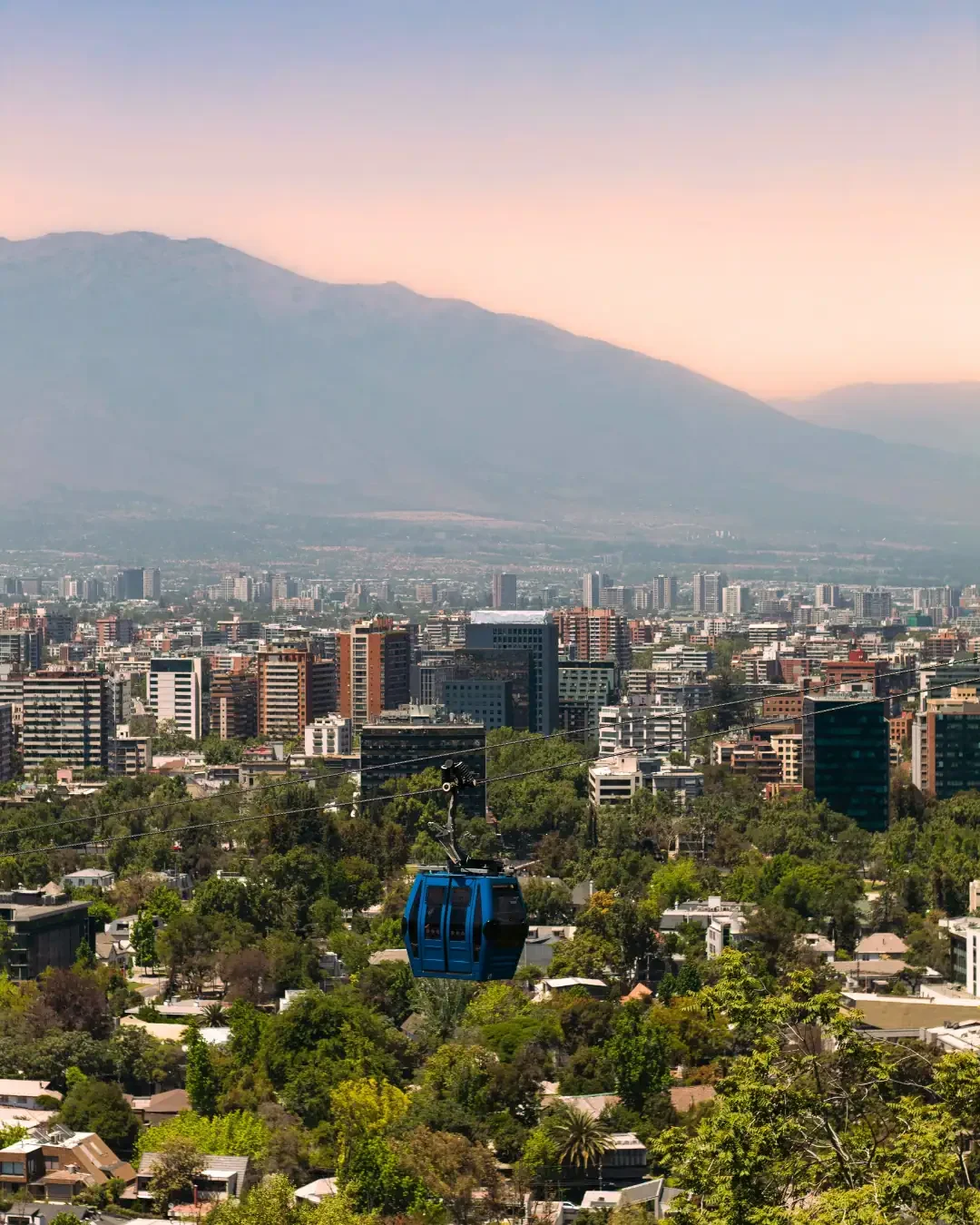
Cerro San Cristóbal, located in the center of Santiago, rises approximately 300 meters above the surrounding city and is part of the Parque Metropolitano, one of the largest urban parks in Latin America. This natural …
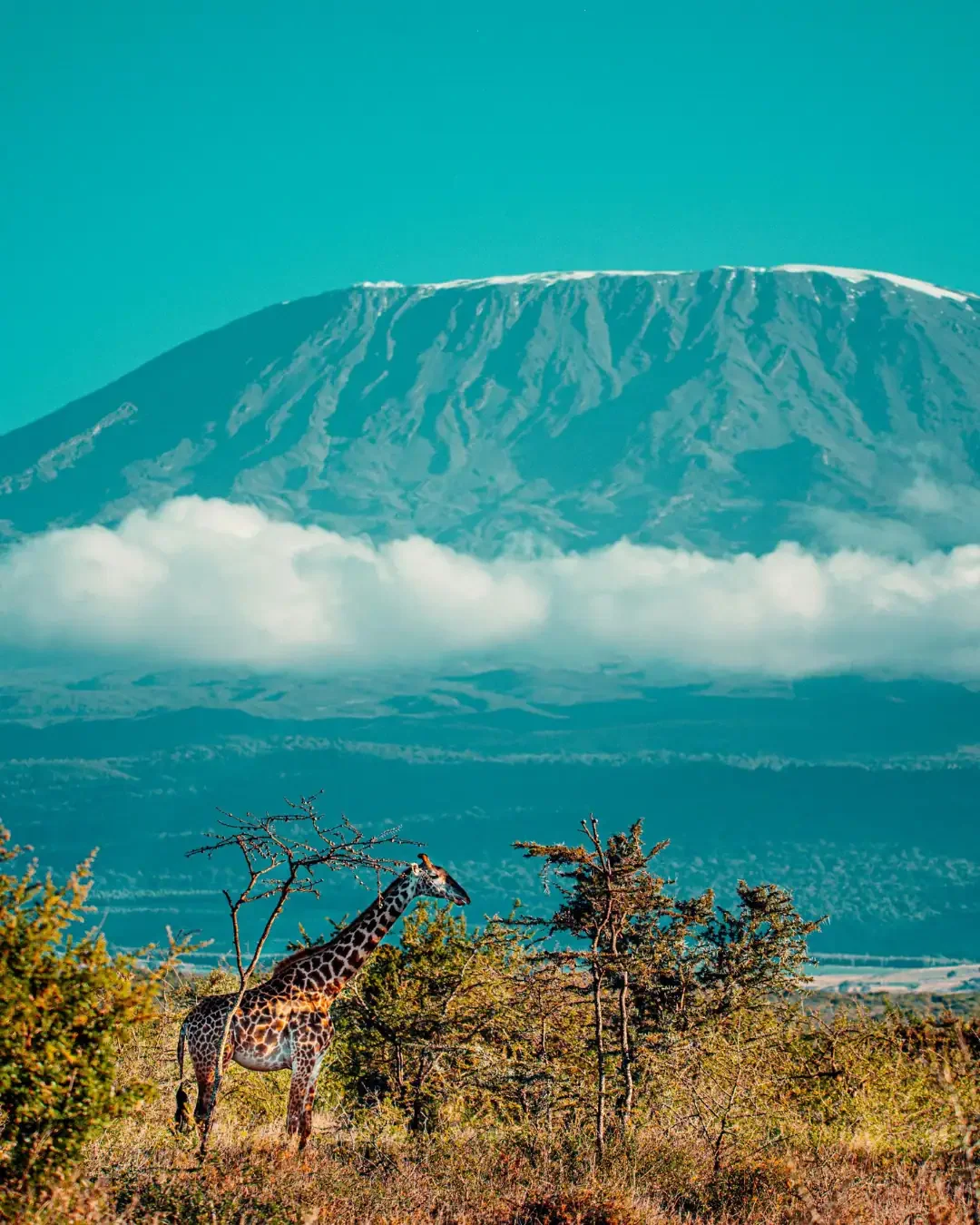
Rising 5,895 meters (19,341 ft) above the East African plains, Mount Kilimanjaro is Africa's tallest mountain and the world's highest free-standing peak. This massive geological wonder is not a single mountain, …
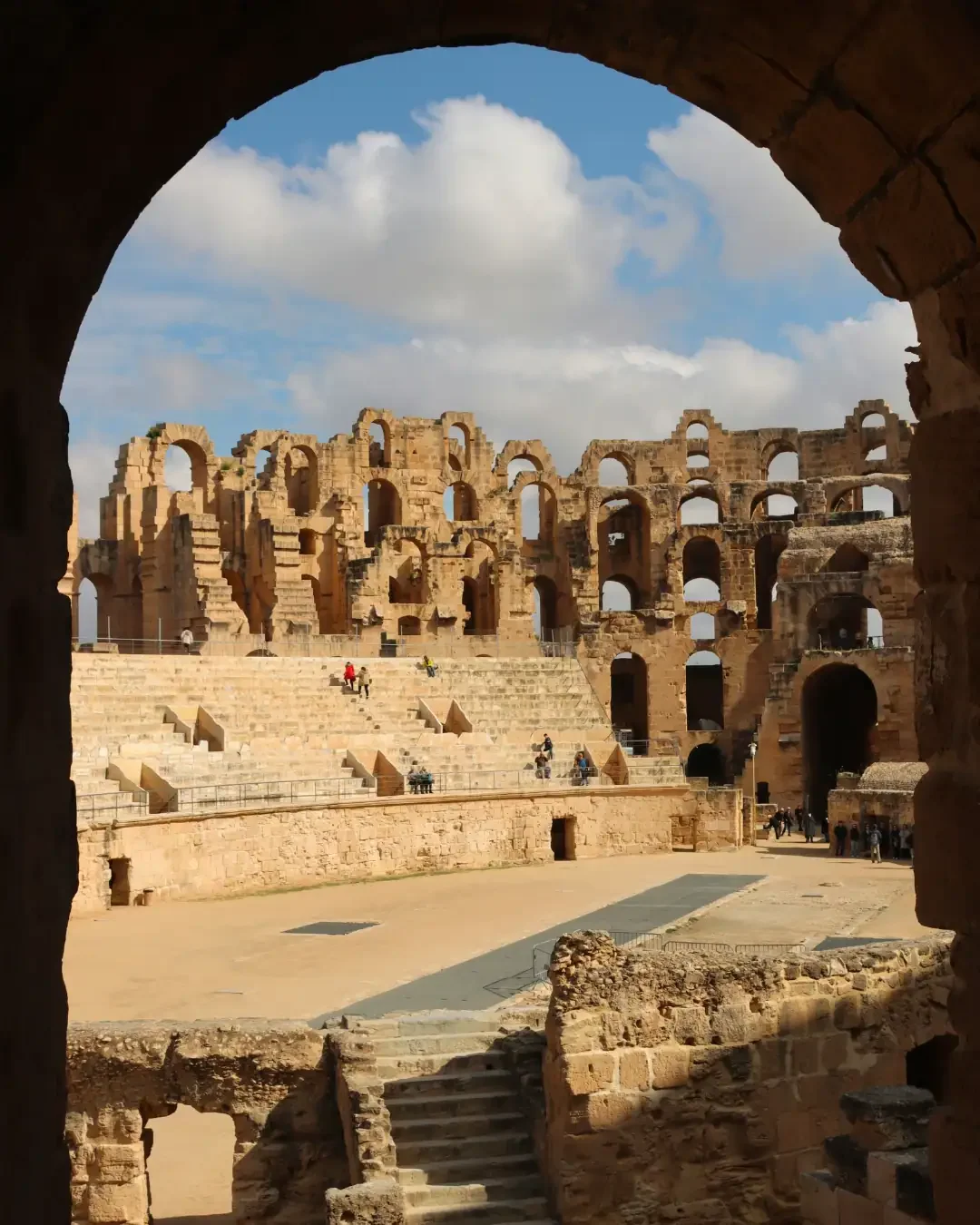
The amphitheatre of El Jem rises from the ground in the heart of a little village surrounded by olive orchards in central Tunisia's flat plain. Built in the 3rd century AD, it is approximately 150 meters long, 124 meters …
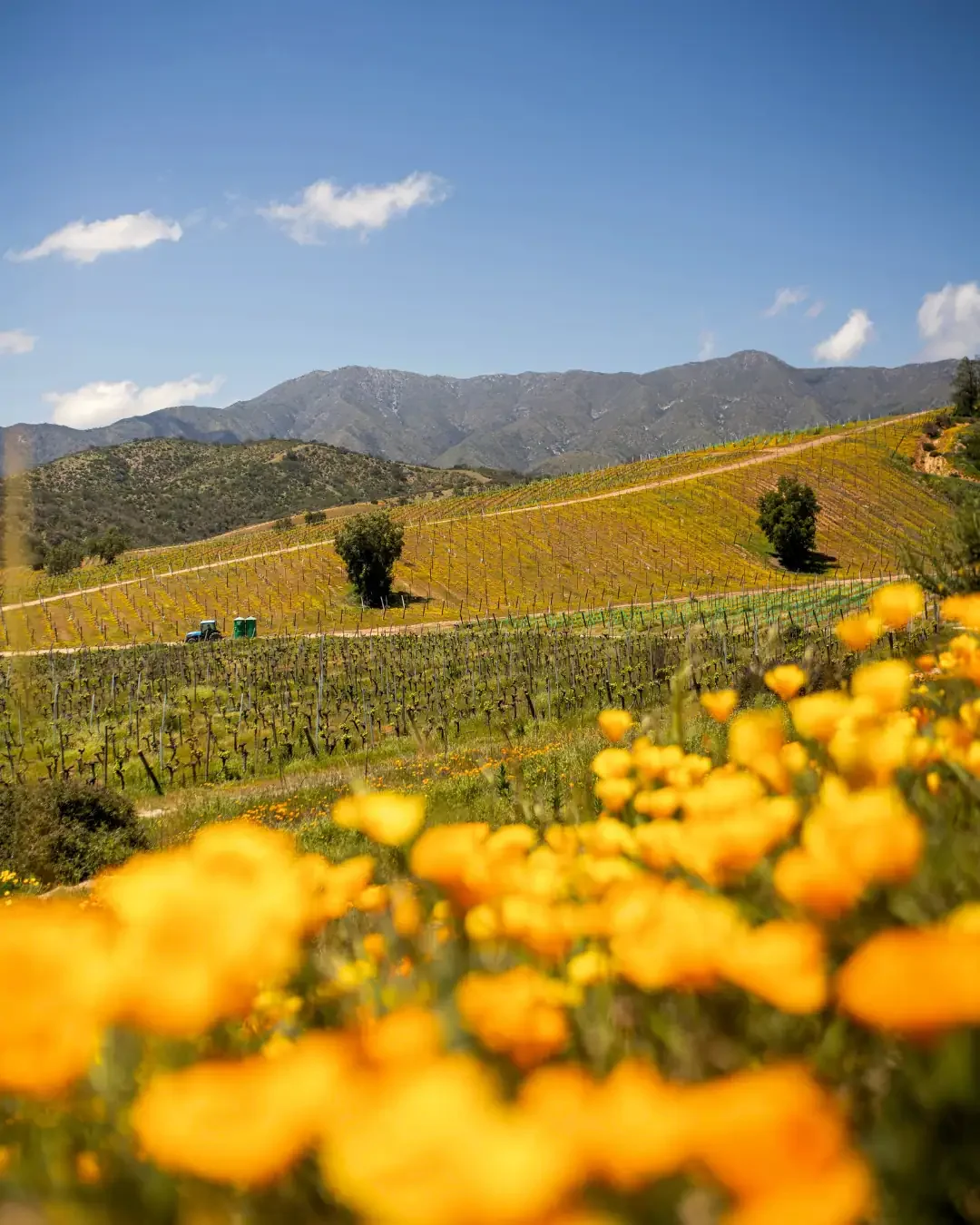
Chile's Central Valley, which stretches south from Santiago, is the hub of the country's wine industry and an increasingly popular enotourism destination. Valleys like Maipo, Colchagua, Casablanca, and Maule mix …
Kiswahili, often known as Swahili, is one of Africa's most important languages, serving as both a useful tool for communication throughout East Africa and a potent symbol of cultural unity and identity. Originating in …
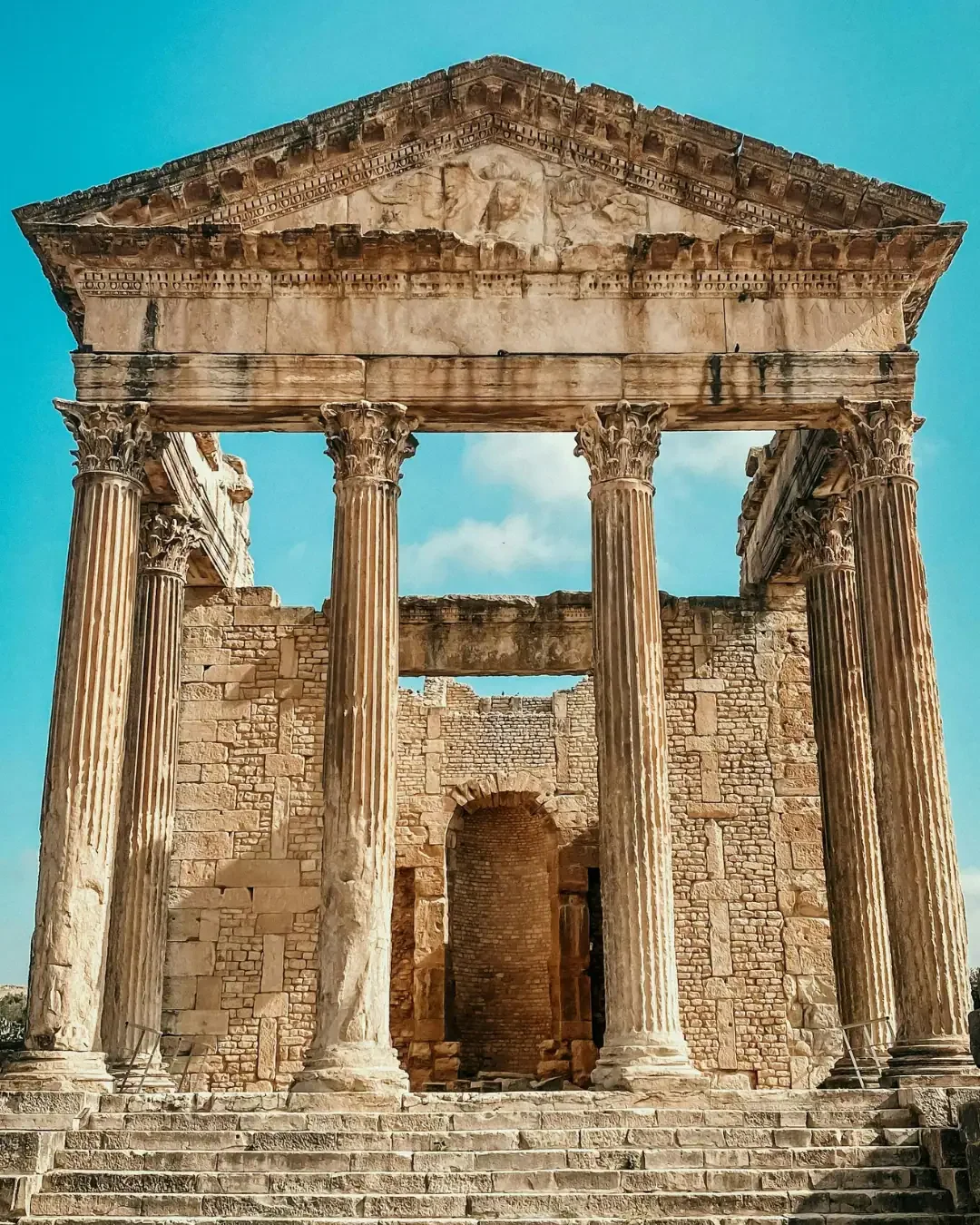
The ancient city of Dougga, located in the highlands of northwestern Tunisia about 110 kilometers southwest of Tunis, sits on a magnificent ridge with views across olive trees and wooded valleys that have barely …
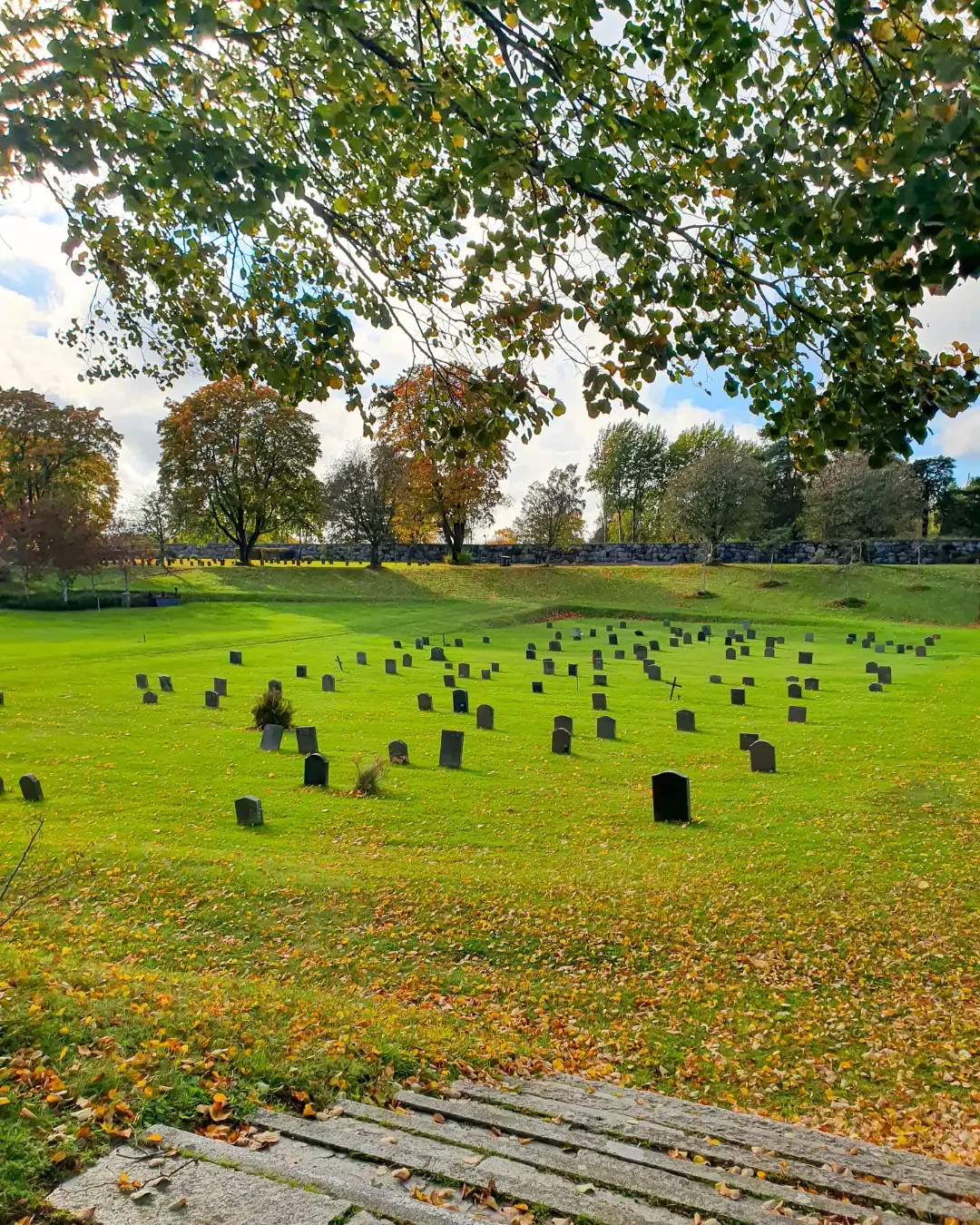
Skogskyrkogården ("the Woodland Cemetery"), located south of central Stockholm, appears to be a tranquil pine forest with gravestones, chapels, and trails. However, it is one of the most influential works of …
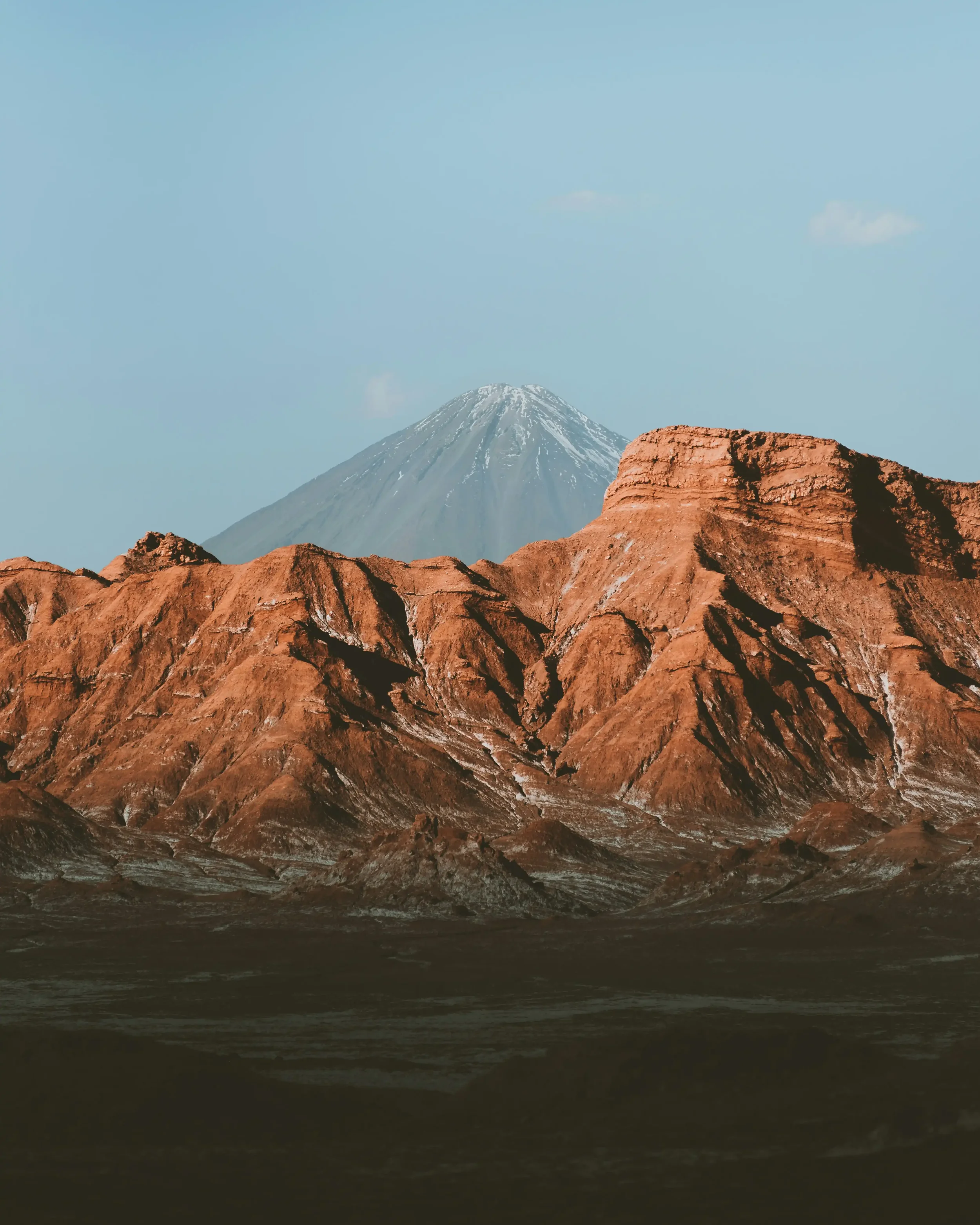
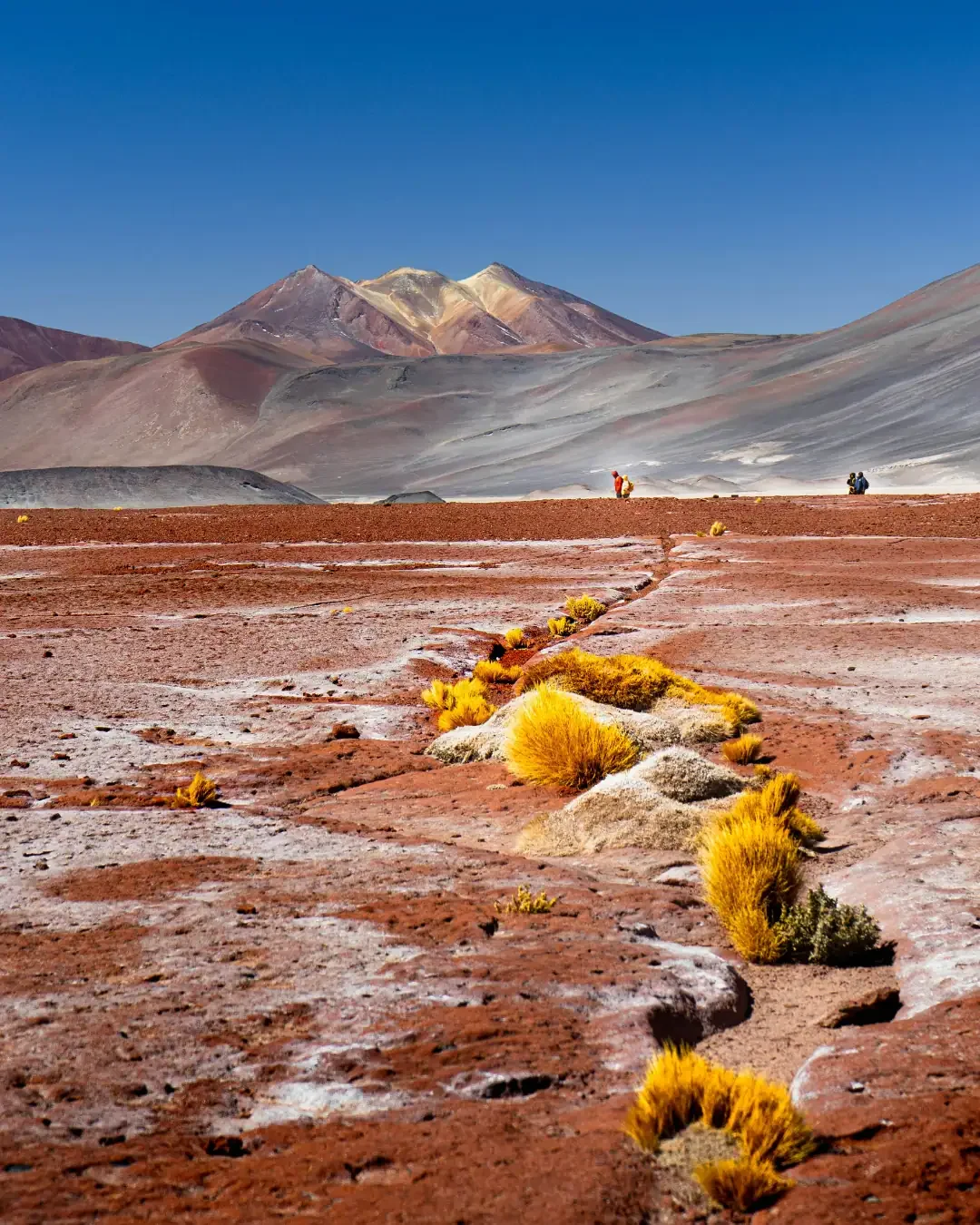
San Pedro de Atacama, a little town in Chile's Antofagasta Region at roughly 2,400 meters above sea level, has grown into a major desert tourism hub and one of the world's most iconic astrotourism …
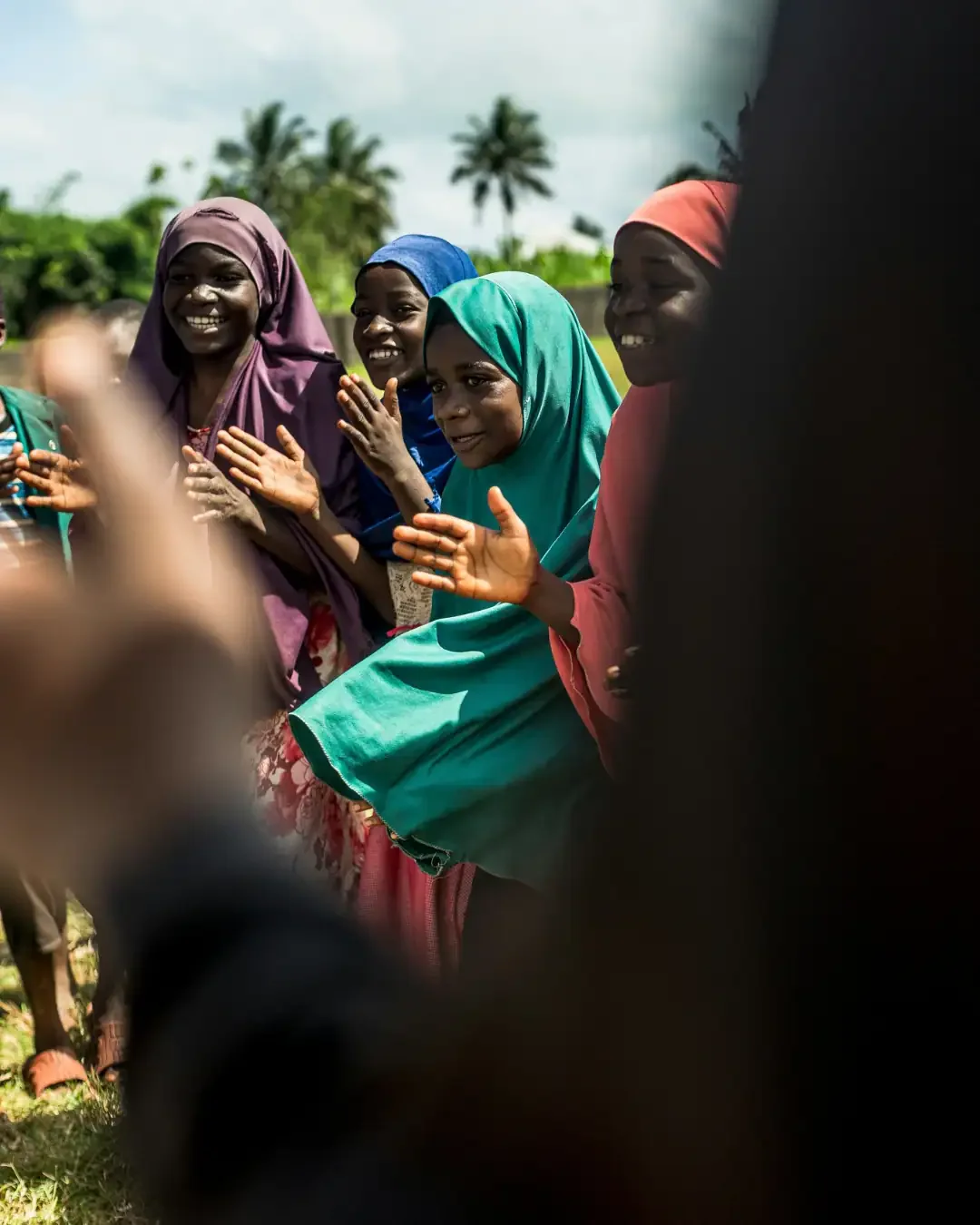
Tanzania has made great progress in women's education and gender equality during the last decade, accomplishing important milestones while facing serious hurdles. The country's commitment to …
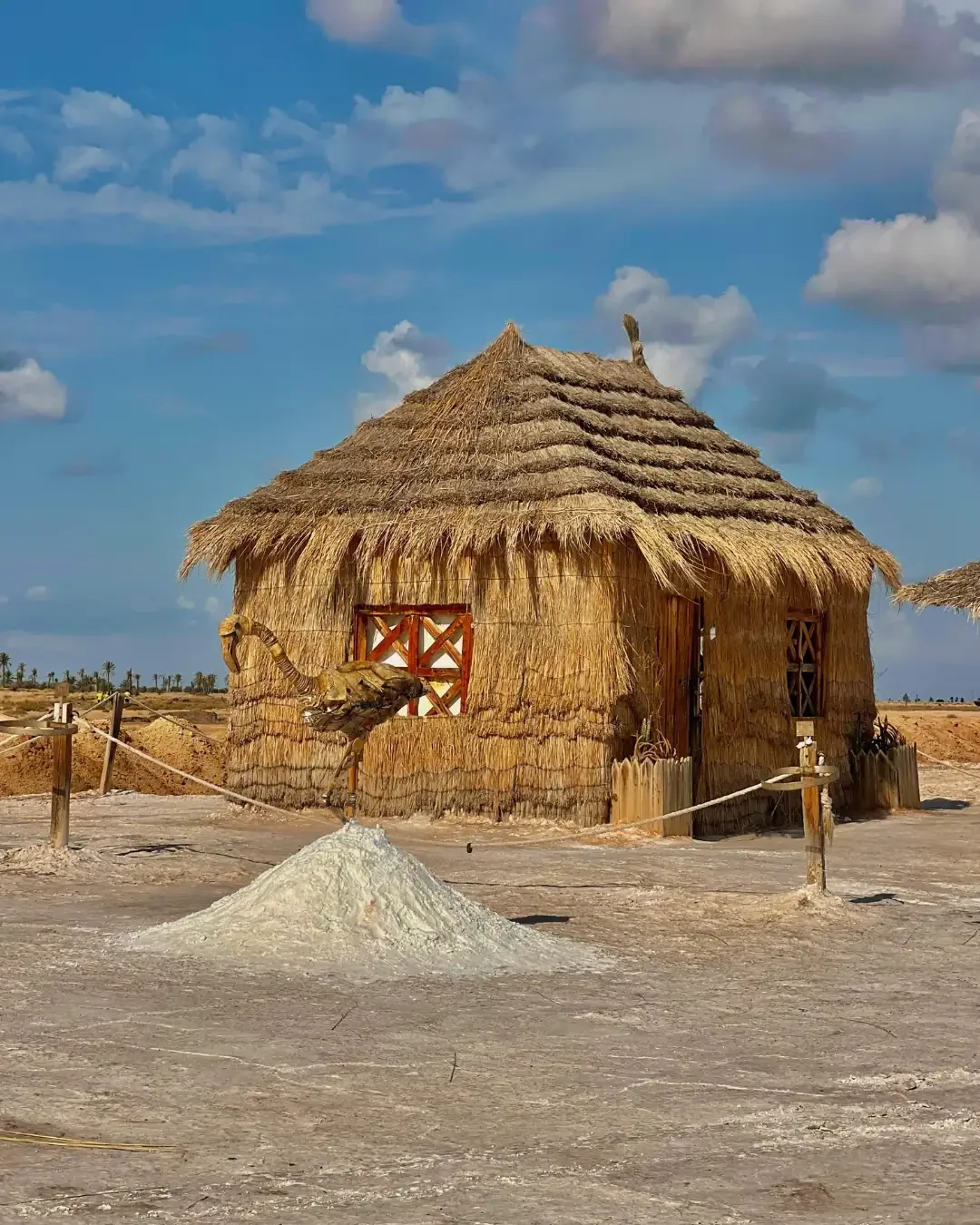
In the desert interior of southern Tunisia, between the oasis towns of Tozeur and Kebili, an extraordinary landscape spreads to the horizon: the Chott el Djerid. It is the largest salt lake in the entire Sahara Desert, …
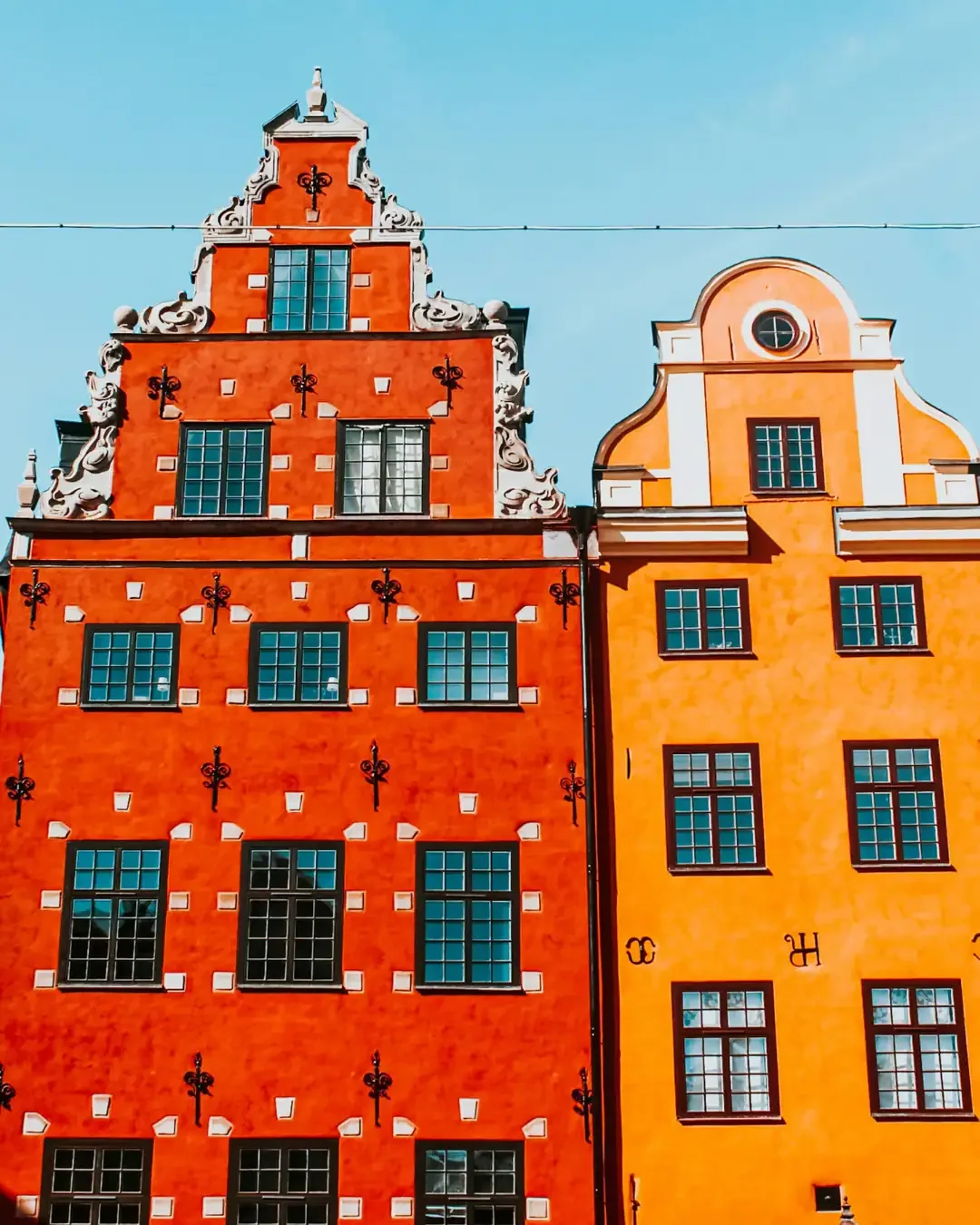
Gamla Stan, Stockholm's Old Town, is a tiny island at the point where Lake Mälaren meets the Baltic Sea. It is one of Europe's best-preserved medieval cities. Stockholm's narrow, meandering cobblestone …
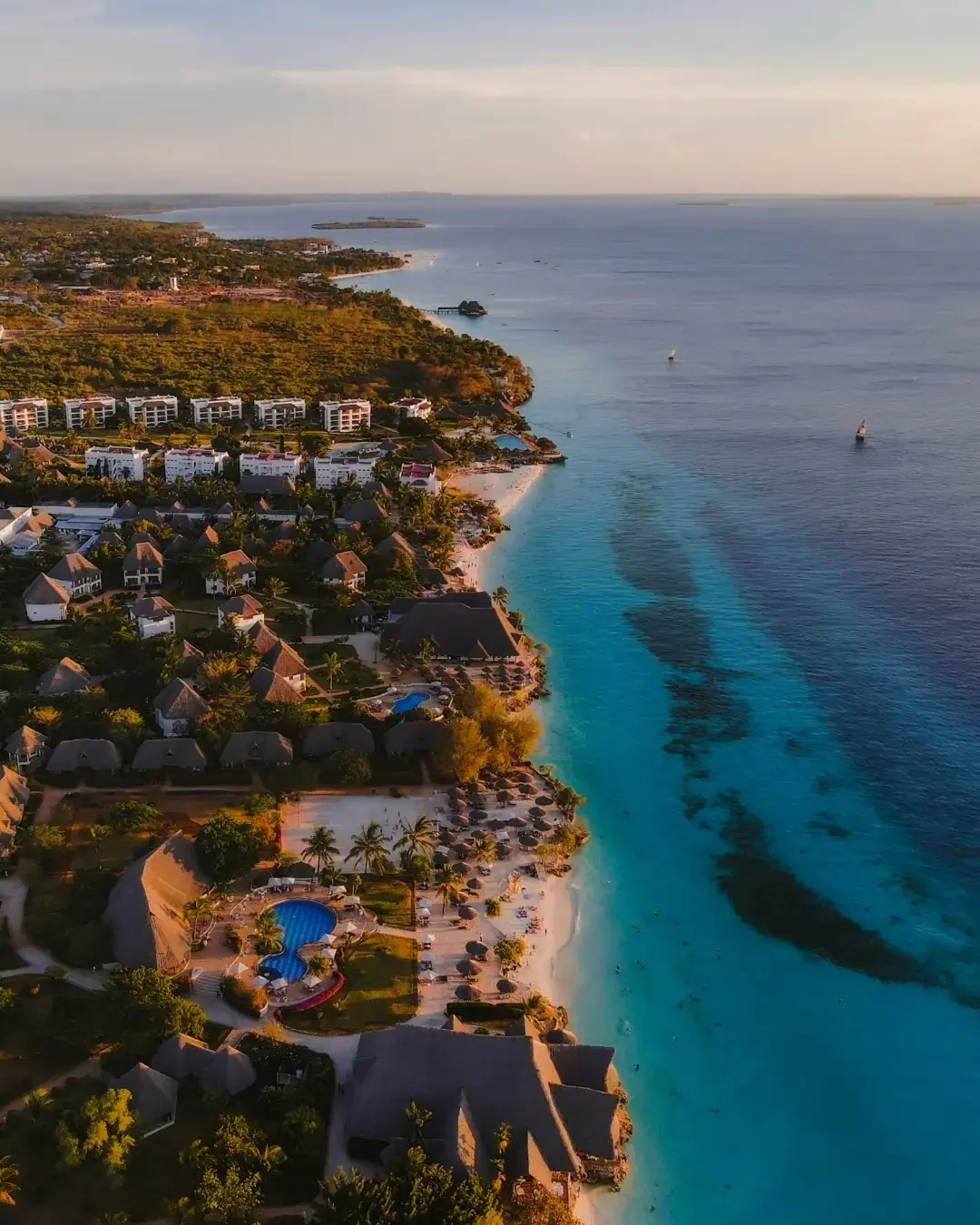
Zanzibar's pristine beaches have received international acclaim, with the archipelago named the World's Leading Beach Destination at the 2025 World Travel Awards. This award recognizes the extraordinary …
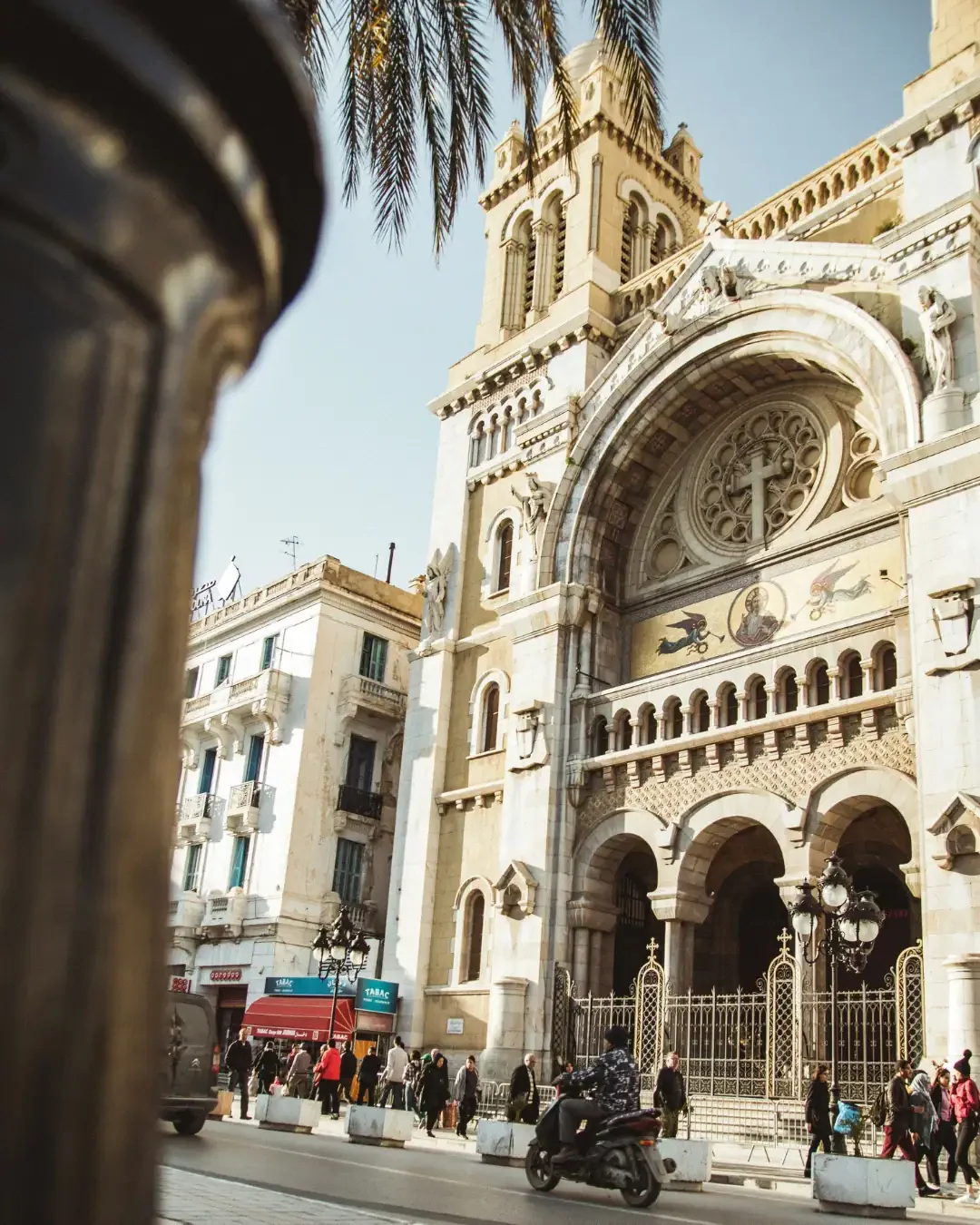
On January 14, 2011, an astonishing event occurred on Habib Bourguiba Boulevard in Tunis: President Zine El-Abidine Ben Ali, who had ruled Tunisia for 23 years with a tight grip on surveillance, corruption, and brutality, …
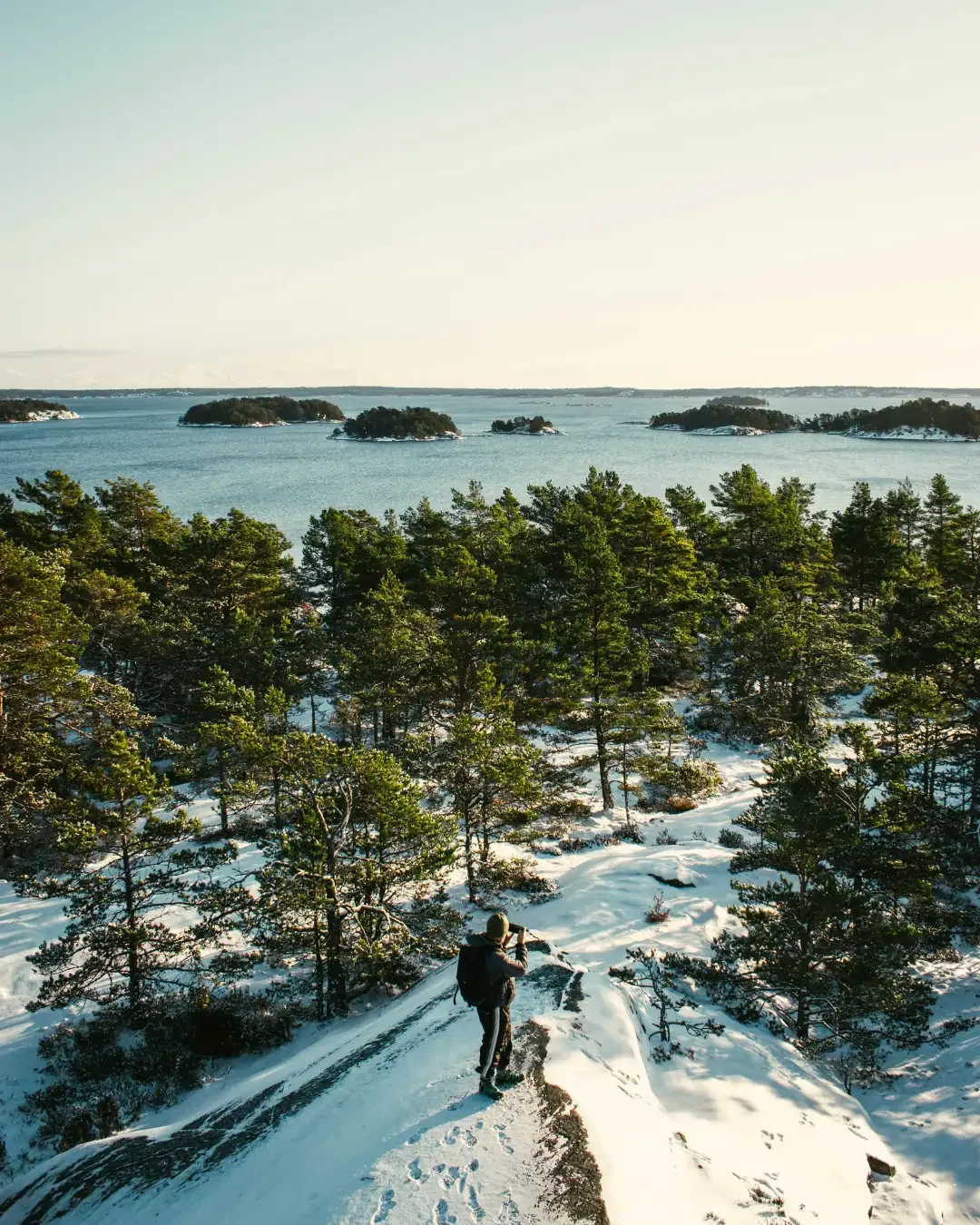
Just beyond Stockholm's city center, solid land dissolves into sea and rock: the Stockholm Archipelago is made up of thousands of islands, islets, and skerries spread across the Baltic Sea. Estimates …
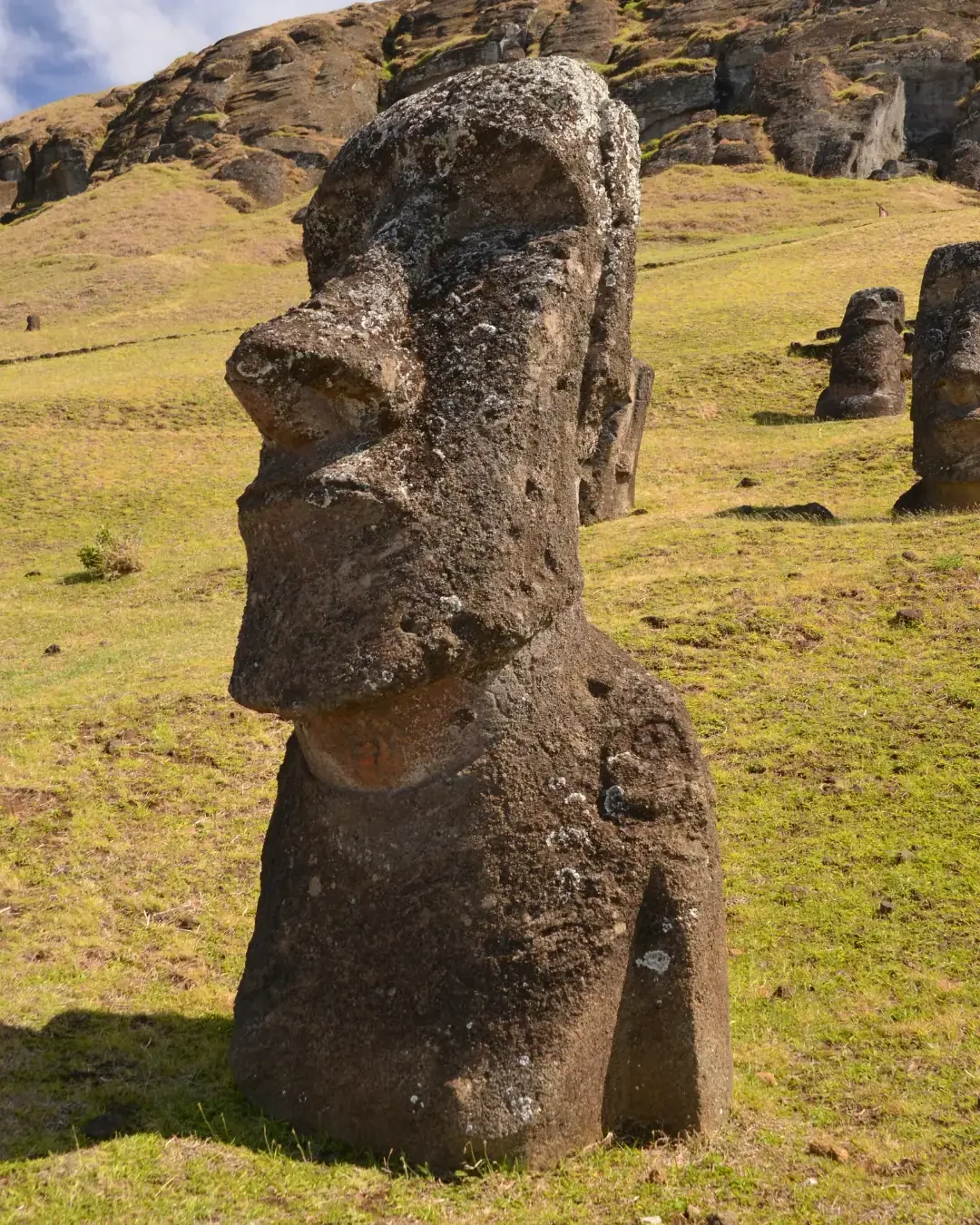
Rapa Nui, also known as Easter Island, holds a unique role in Chile's cultural geography. It is one of the world's most remote inhabited islands, located in the southeastern Pacific more than 3,500 kilometers …
Tunisia's tourism sector reached a watershed moment in 2025, welcoming more than 11 million international visitors for the first time in the country's history. This far exceeds the previous record of approximately 9.4 …
Sweden's reputation for high productivity and innovation stems from a social philosophy that values balance, moderation, and shared time, generally represented through two important concepts: fika …
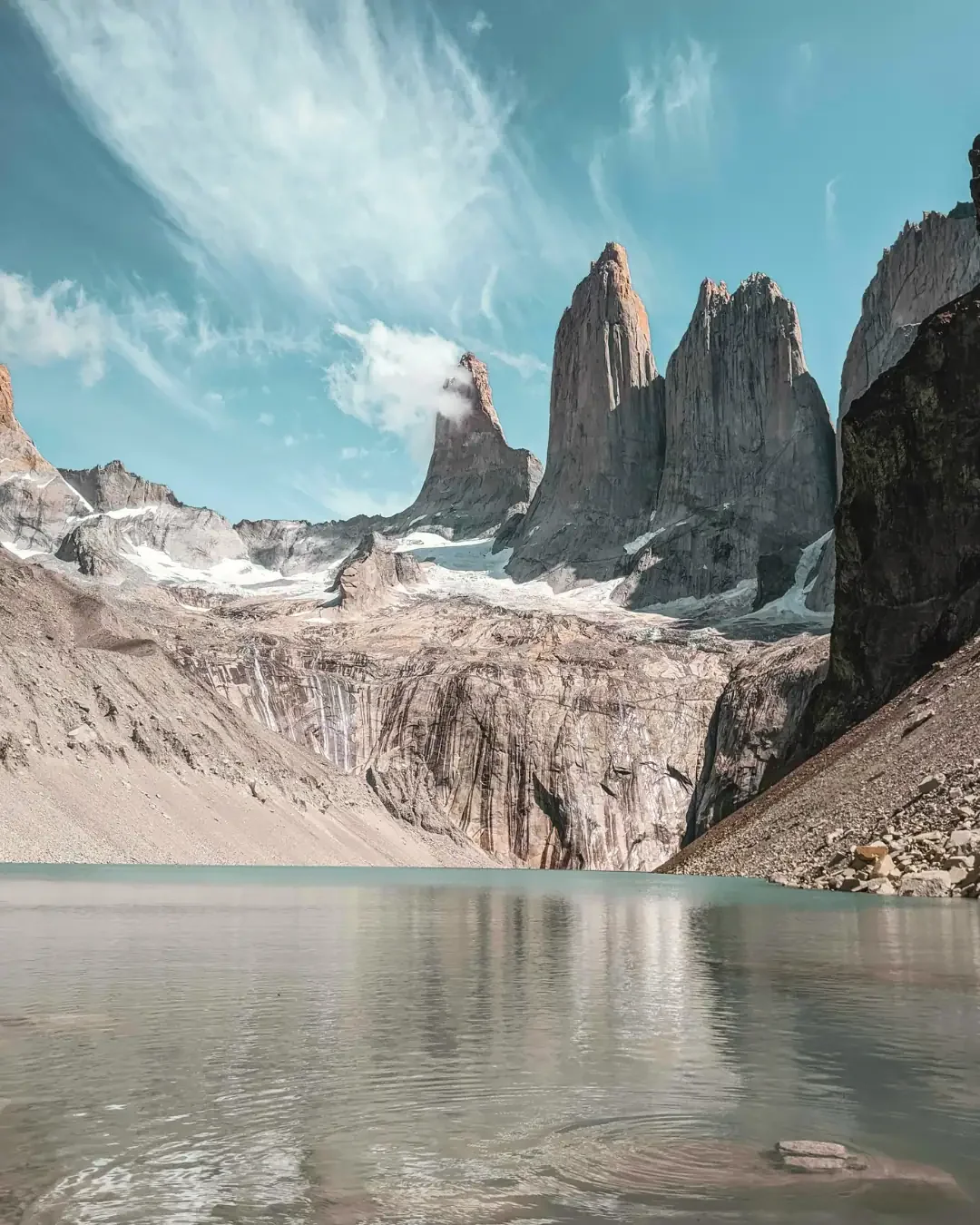
Torres del Paine National Park, in Chilean Patagonia, is one of South America's most famous protected places, known for its stunning granite towers, glacial lakes, and windswept steppe. The park is located in the …
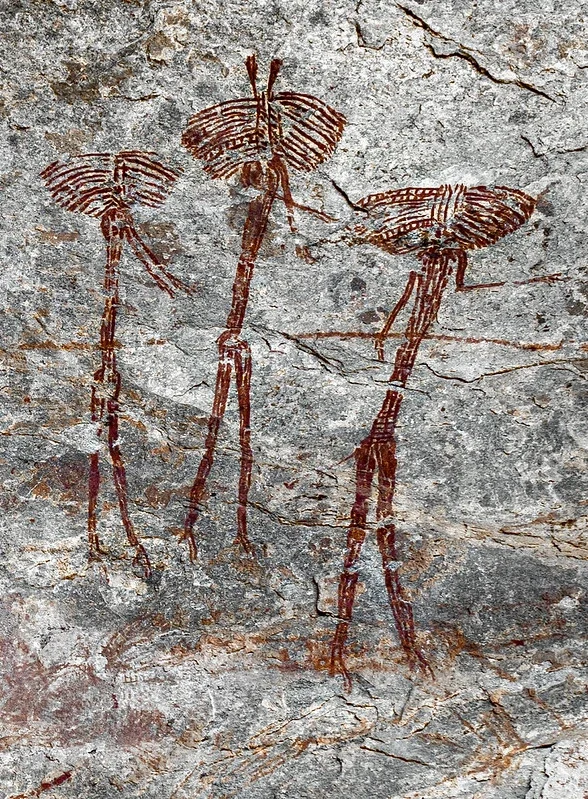
The Kondoa Rock-Art Sites, designated a UNESCO World Heritage Site in 2006, provide a unique view into the artistic expression and spiritual life of ancient East African tribes. Found in Tanzania's Dodoma region, …
Sweden has become a popular destination for ecological and adventurous tourism, leveraging its forests, lakes, archipelagos, and Arctic regions. In 2025, outdoor activities including hiking, skiing, dog …
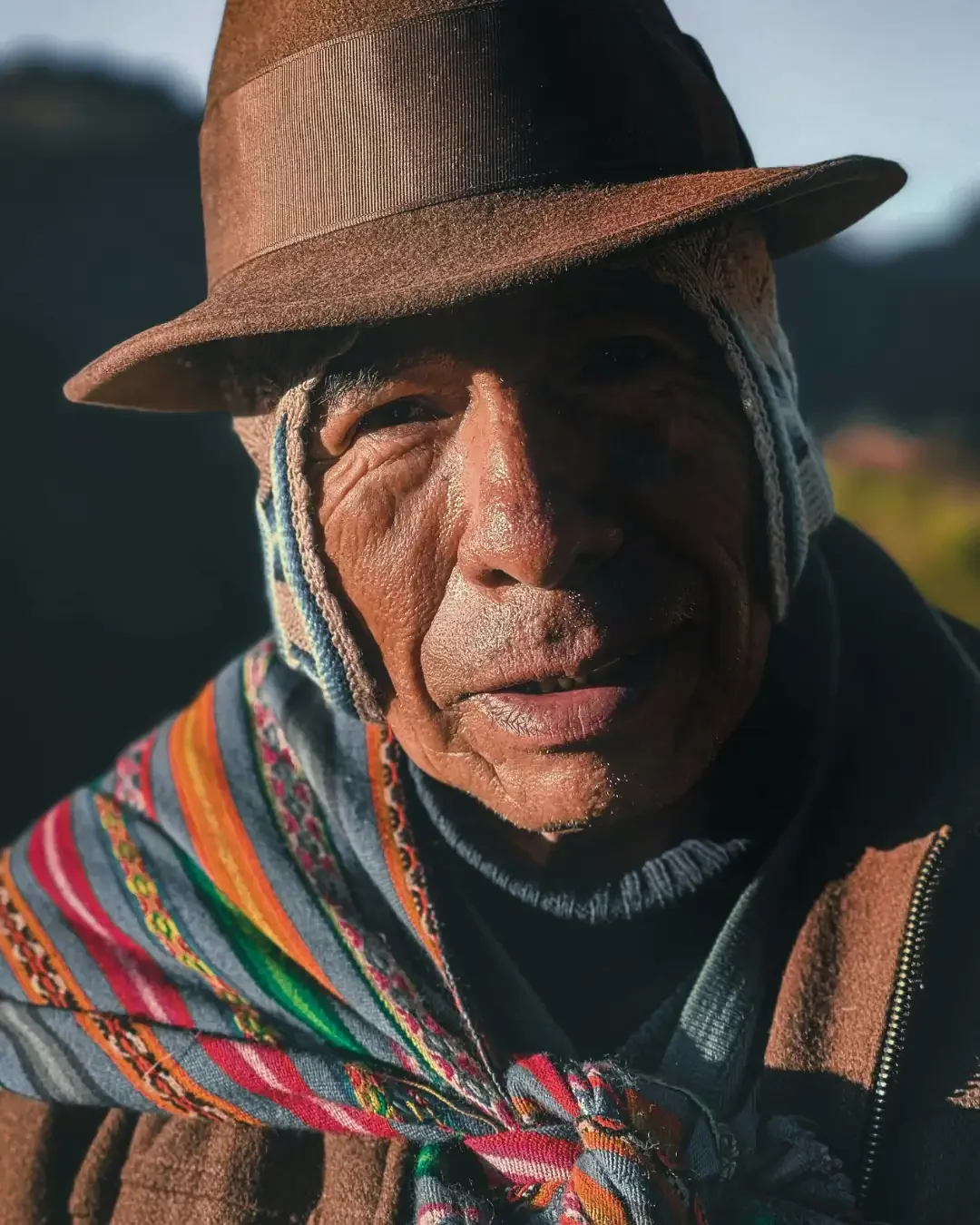
The Mapuche are Chile's largest indigenous group, mostly residing in the south-central regions of Araucanía, Biobío, and Los Ríos, as well as metropolitan Santiago. Historically, Mapuche …
Tanzania's northern safari circuit, which includes Serengeti National Park and Ngorongoro Conservation Area, is one of the world's top wildlife viewing sites. These two renowned protected areas, both …