
The Collected
Notes.
An evolving repository of our deep-dive explorations. From hidden architectural marvels to the profound nuances of global society.
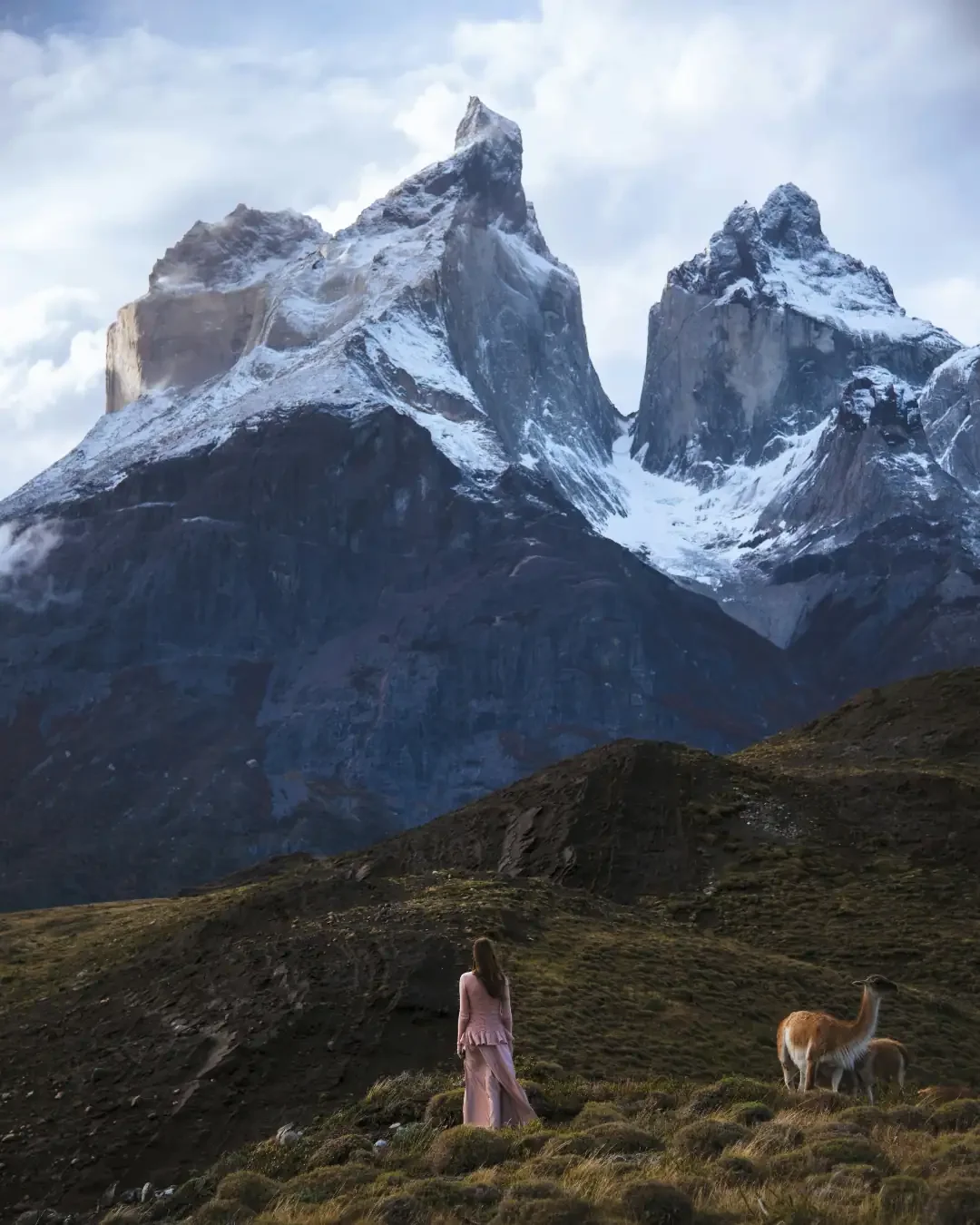
Tourism in Chile After the Pandemic: Recovery and Diversification
Chile's tourist sector, like many others, had a steep contraction during the COVID-19 epidemic, followed by a steady recovery marked by changing visitor profiles and goals. Prior to 2020, Chile received about 4.5 …
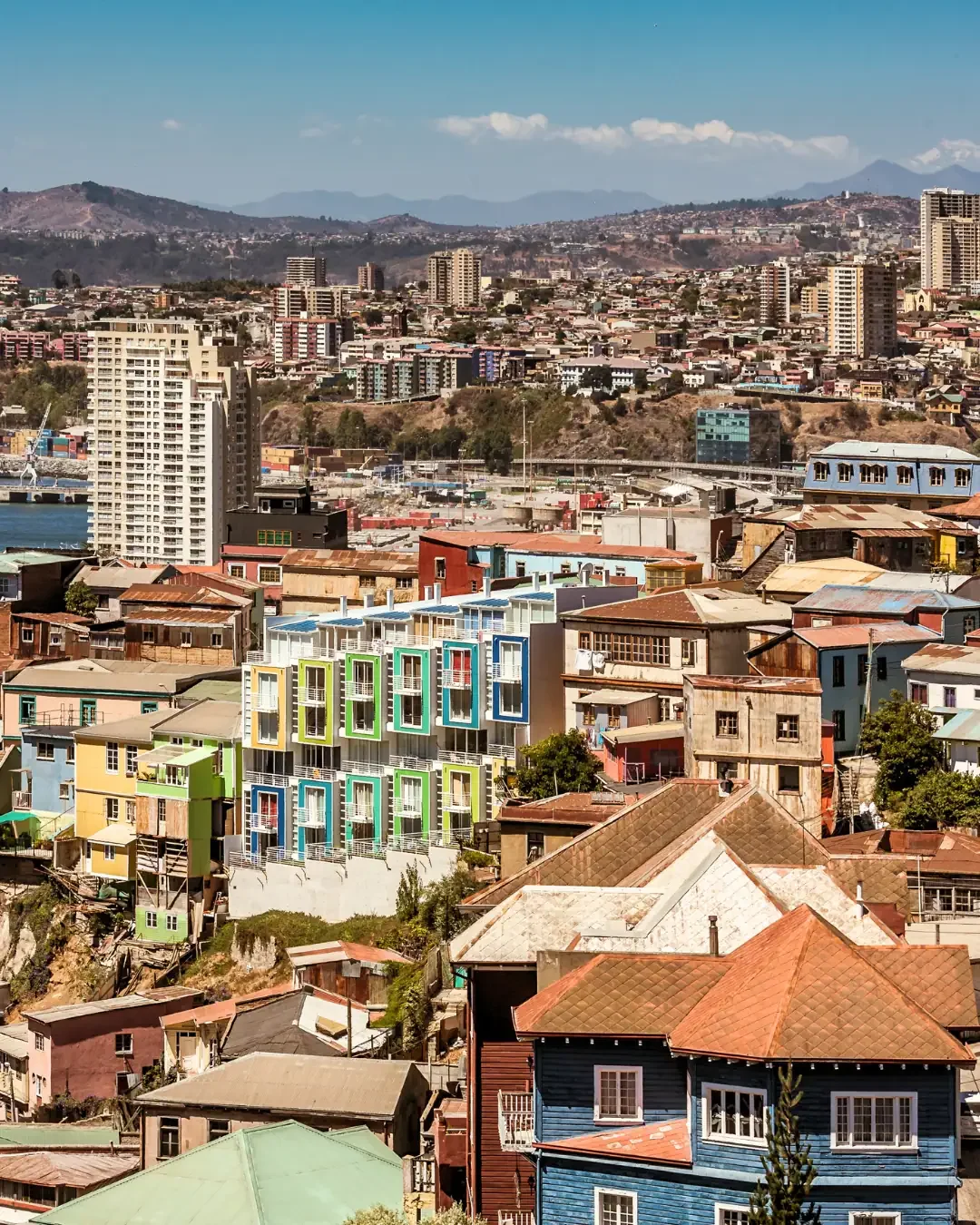
Valparaíso: Painted Hills and the Memory of a Port City
Valparaíso, Chile's historic Pacific port, is known as the country's "cultural capital" and a living testament to global maritime history. Built atop a natural amphitheater of steep hills (cerros) rising above a …
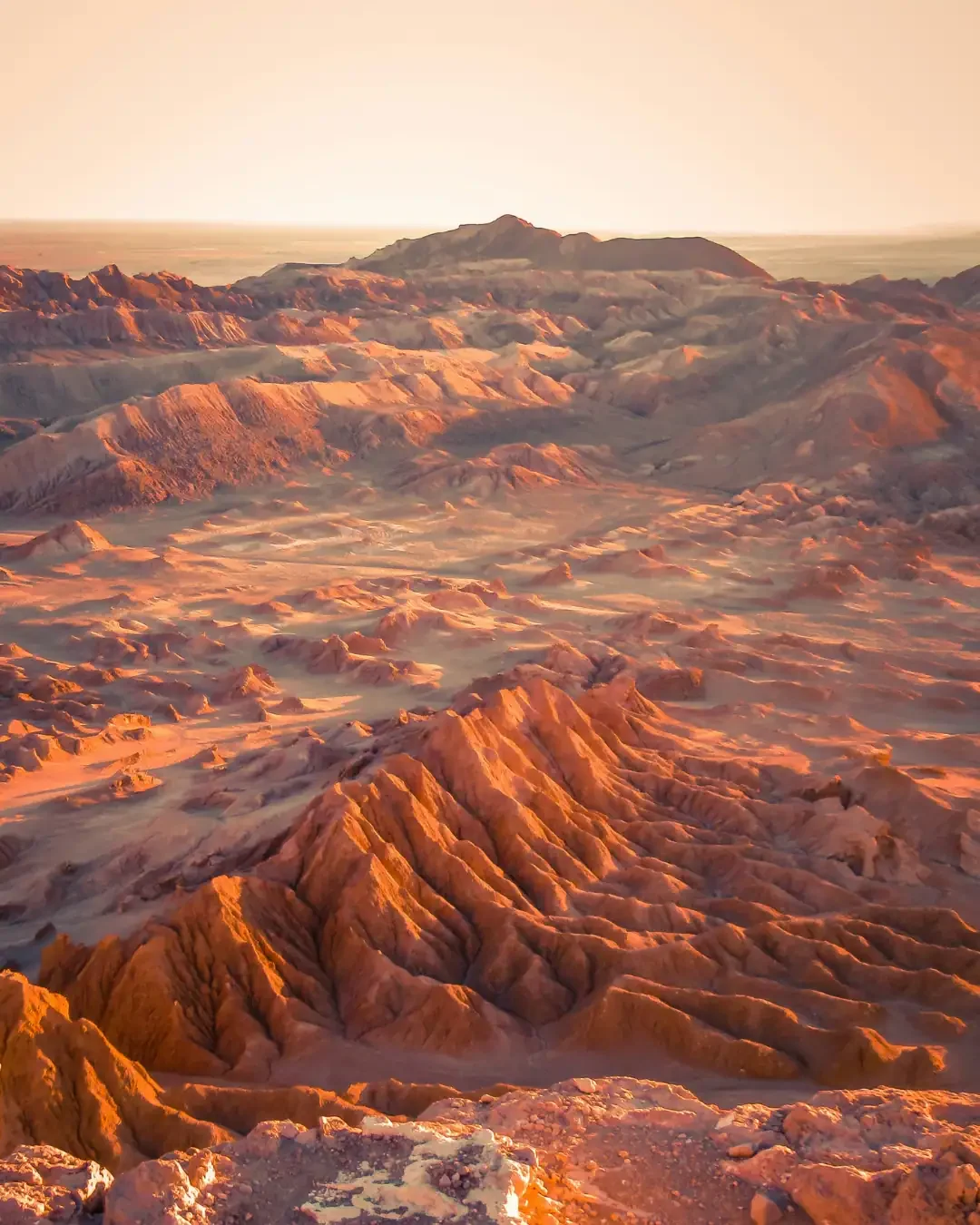
Atacama Desert: The Driest Non-Polar Desert on Earth
The Atacama Desert in northern Chile is known as the world's driest non-polar desert. This hyper-arid plateau, located between the Pacific Ocean and the Andes, has captivated scientists, visitors, and astronomers. The …

Education Inequality and the Legacy of Market Reforms
Chile's education system has gained international interest as a model for market-oriented changes and a case study of continuing social disparity. Chile implemented a nationwide school voucher system …
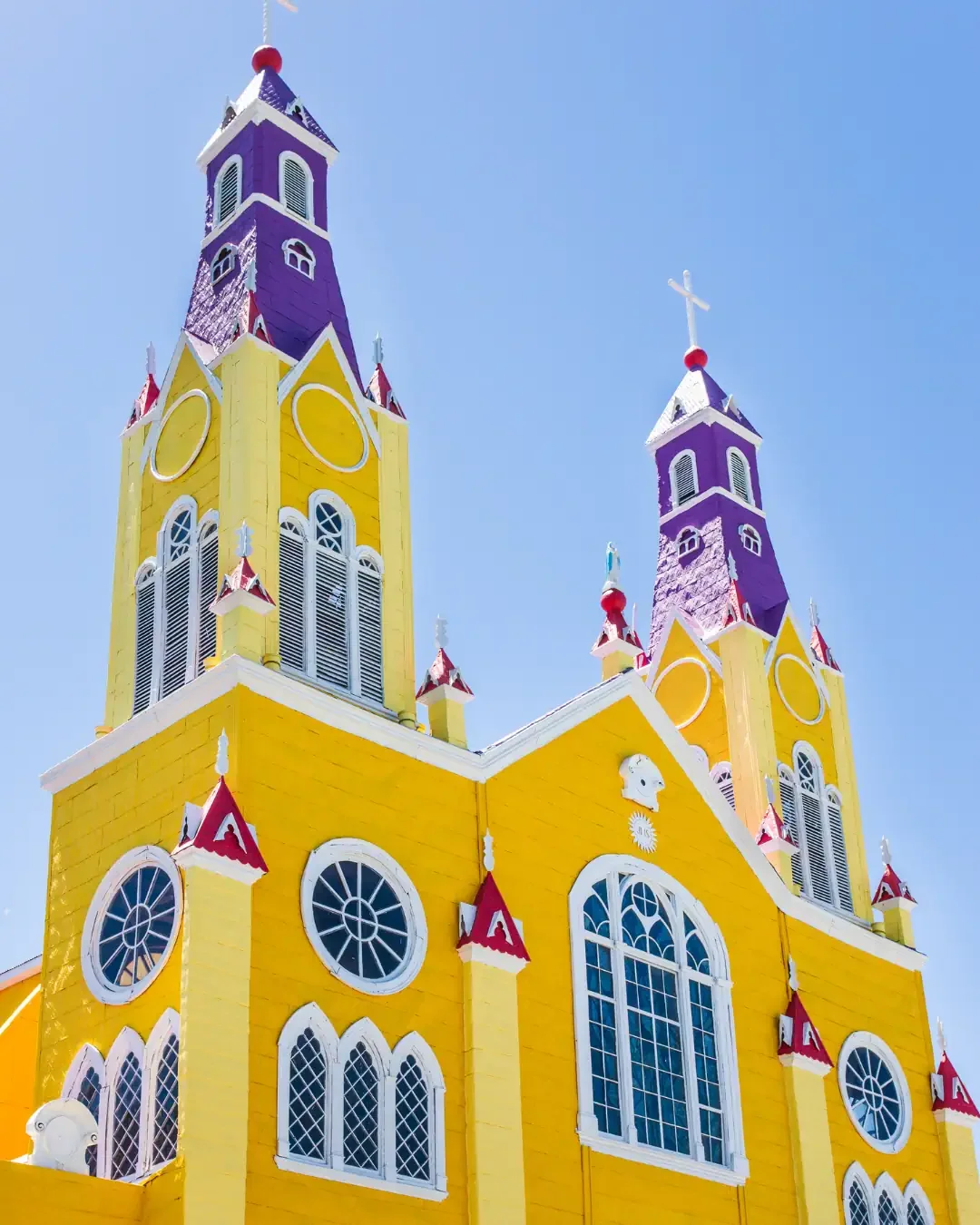
Churches of Chiloé: Wooden Cathedrals at the End of the World
The wooden churches of the Chiloé Archipelago, in southern Chile, are among the most impressive examples of community-built religious architecture in Latin America. These churches, which are spread …
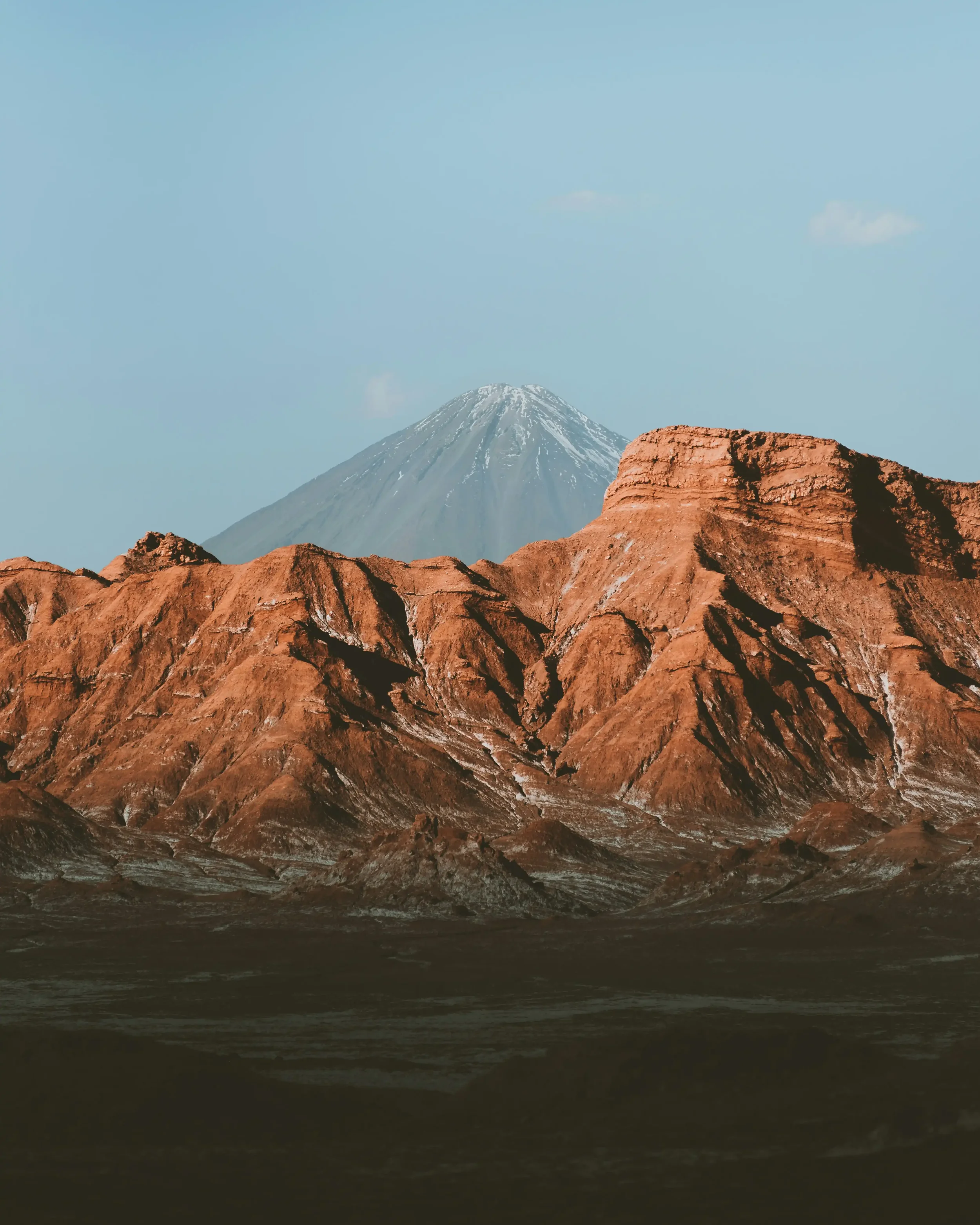
The Chilean Trench and Coastal Cordillera: Edge of a Convergent Margin
Chile's geography is greatly influenced by its location on a major convergent plate boundary, where the oceanic Nazca Plate subducts beneath the South American Plate. This interaction is manifested off …
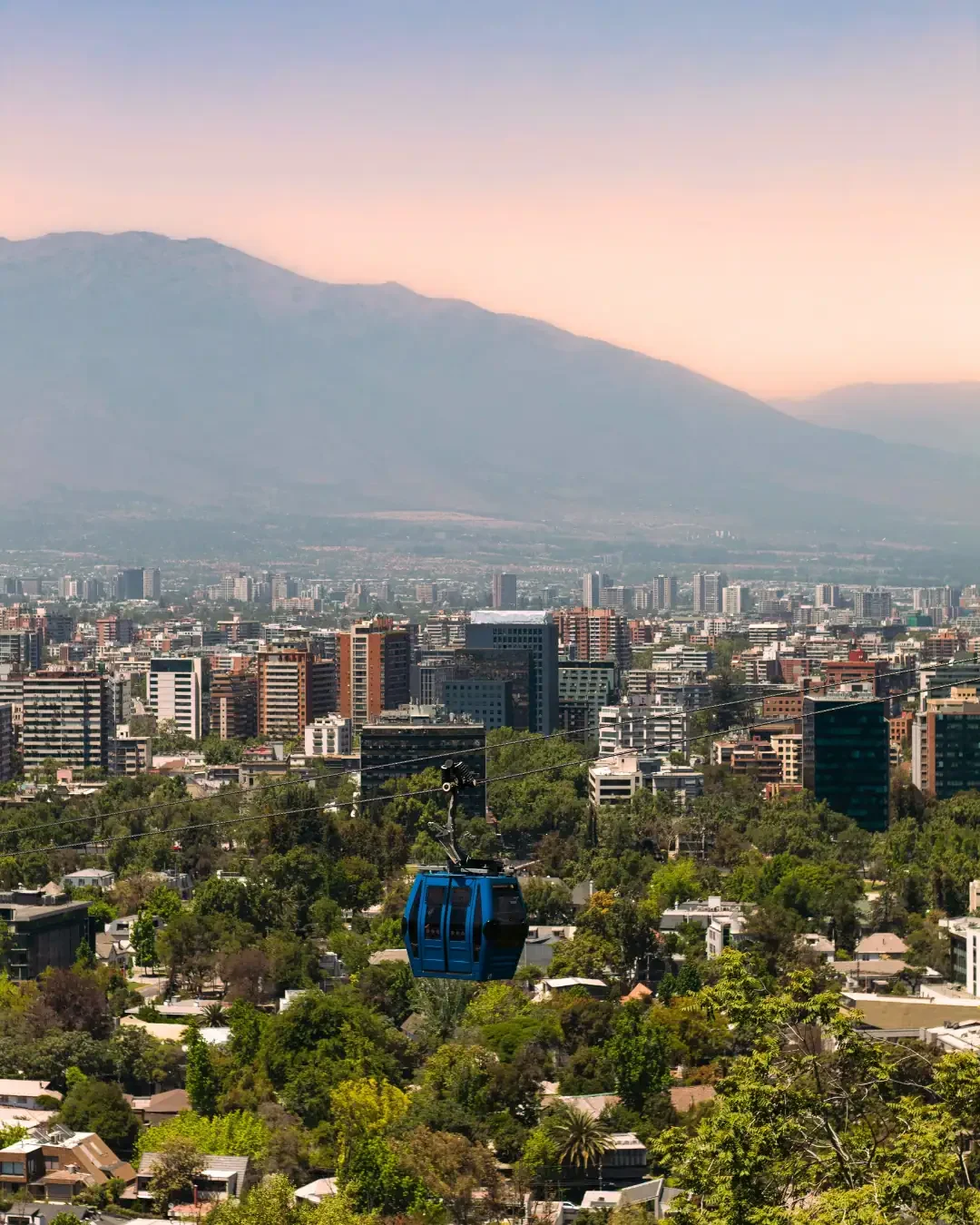
Urban Parks and Social Life in Santiago: The Case of Cerro San Cristóbal
Cerro San Cristóbal, located in the center of Santiago, rises approximately 300 meters above the surrounding city and is part of the Parque Metropolitano, one of the largest urban parks in Latin America. This natural …
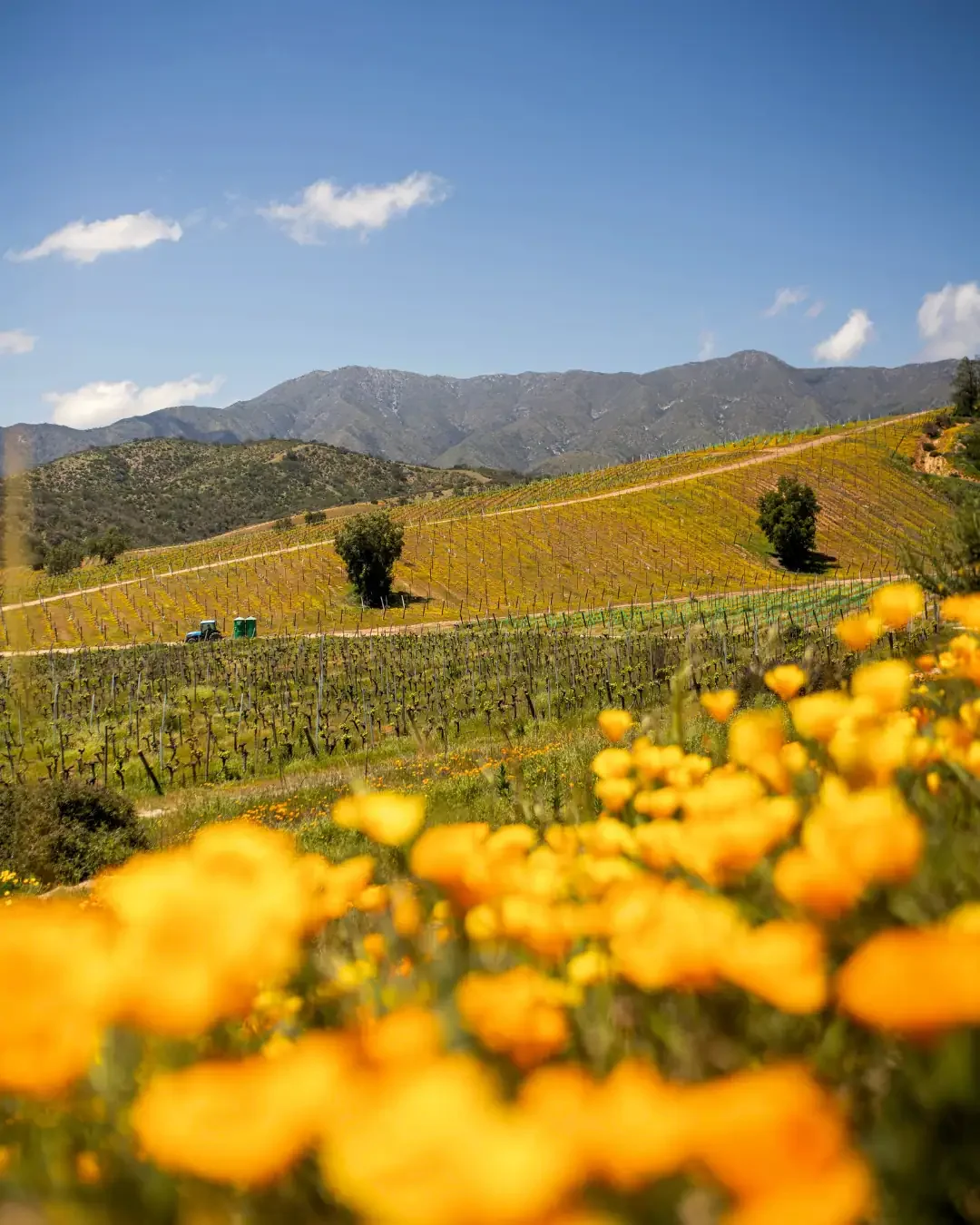
Wine Tourism in the Central Valley: From Vineyard to Glass
Chile's Central Valley, which stretches south from Santiago, is the hub of the country's wine industry and an increasingly popular enotourism destination. Valleys like Maipo, Colchagua, Casablanca, and Maule mix …
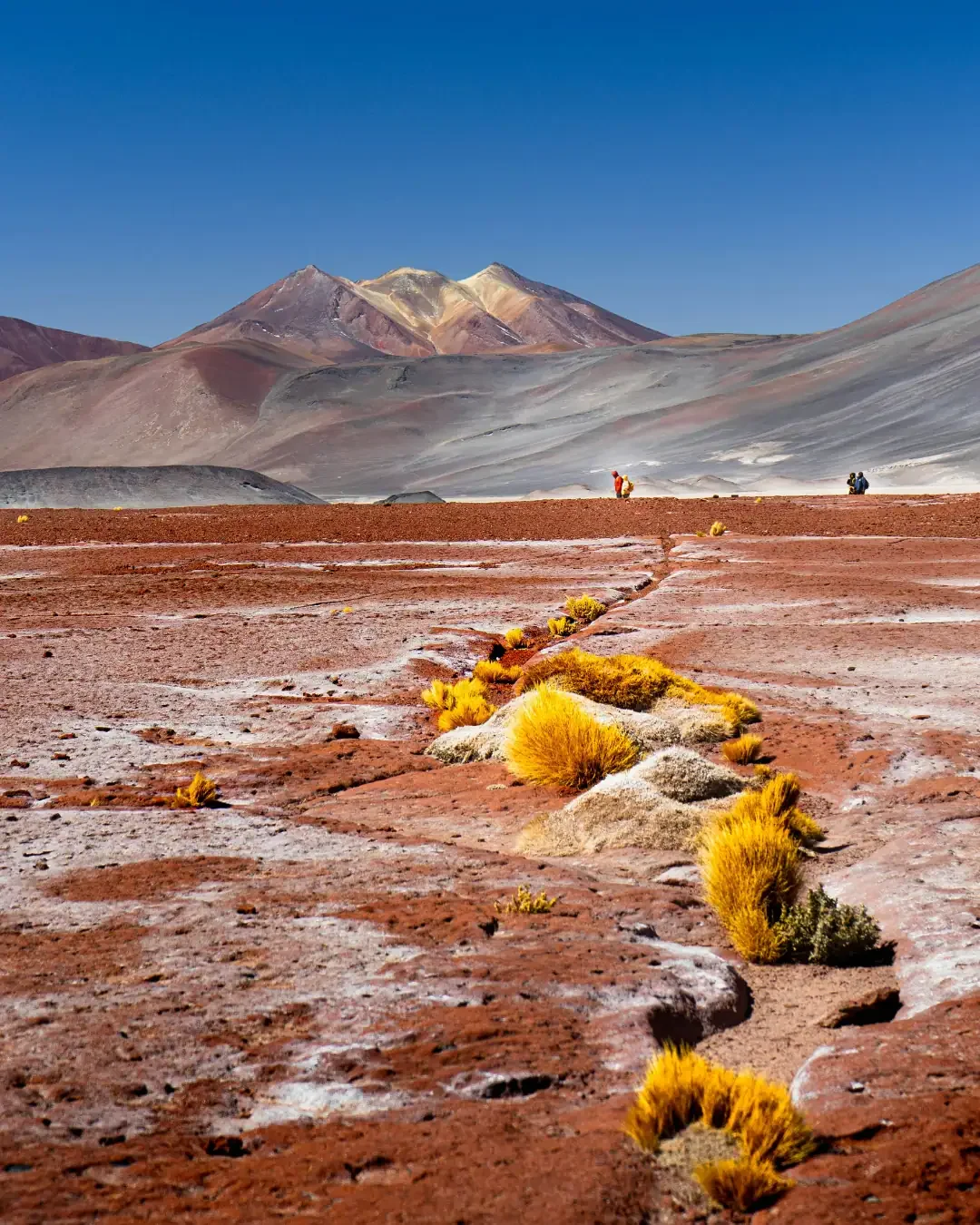
San Pedro de Atacama: Hub for Desert and Astrotourism
San Pedro de Atacama, a little town in Chile's Antofagasta Region at roughly 2,400 meters above sea level, has grown into a major desert tourism hub and one of the world's most iconic astrotourism …
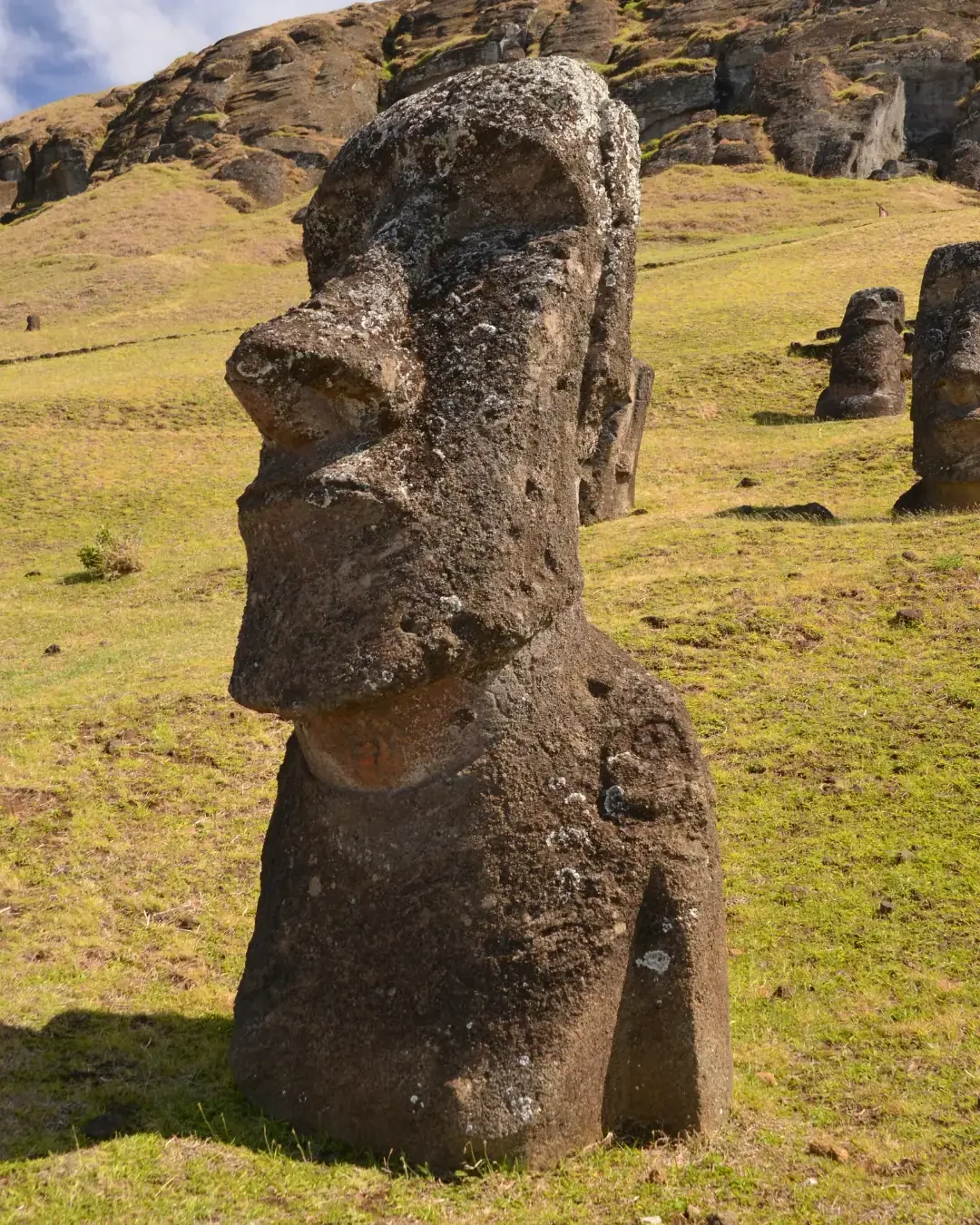
Rapa Nui (Easter Island): Moai, Landscape and Polynesian Memory
Rapa Nui, also known as Easter Island, holds a unique role in Chile's cultural geography. It is one of the world's most remote inhabited islands, located in the southeastern Pacific more than 3,500 kilometers …
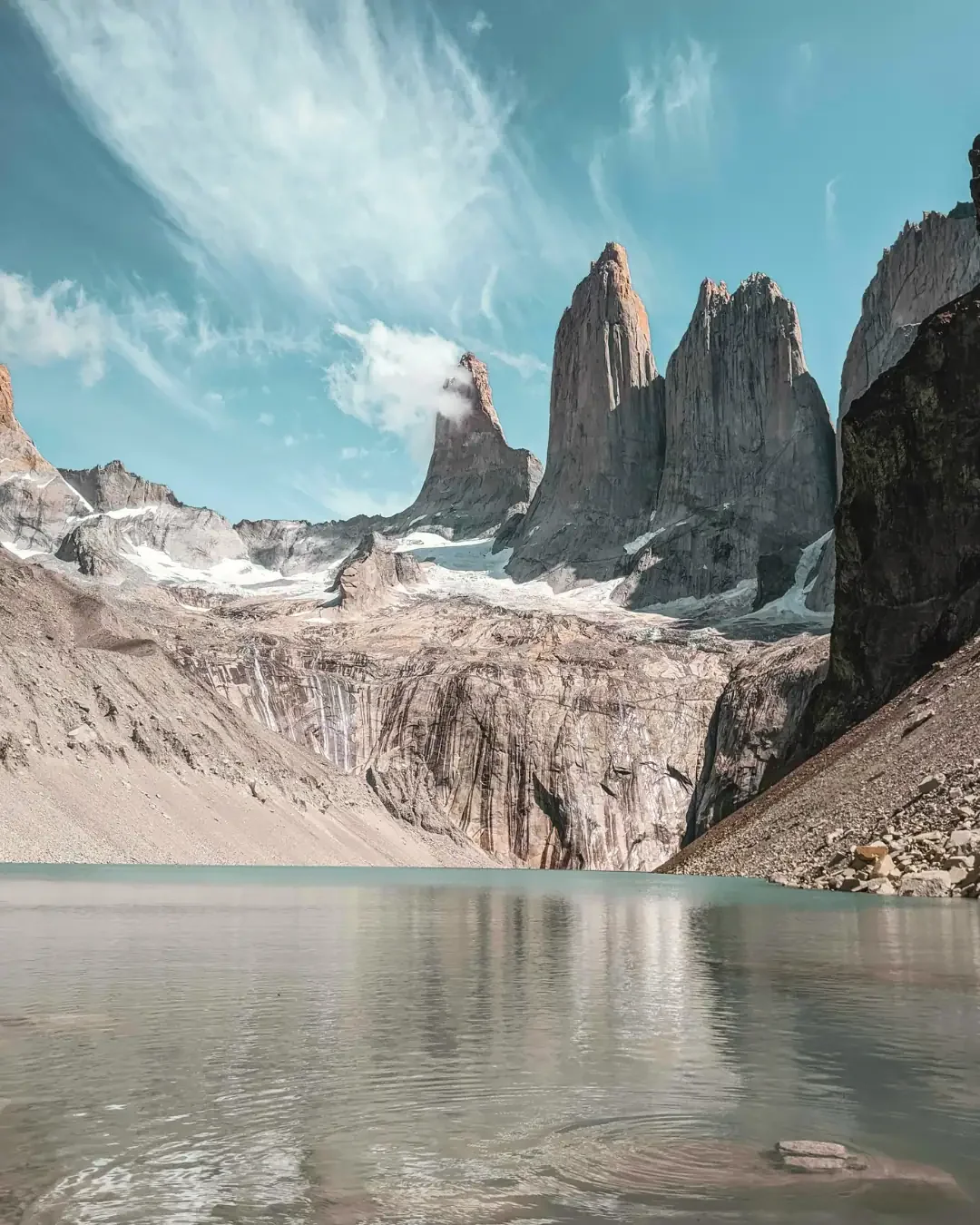
Torres del Paine: Granite Towers of Chilean Patagonia
Torres del Paine National Park, in Chilean Patagonia, is one of South America's most famous protected places, known for its stunning granite towers, glacial lakes, and windswept steppe. The park is located in the …
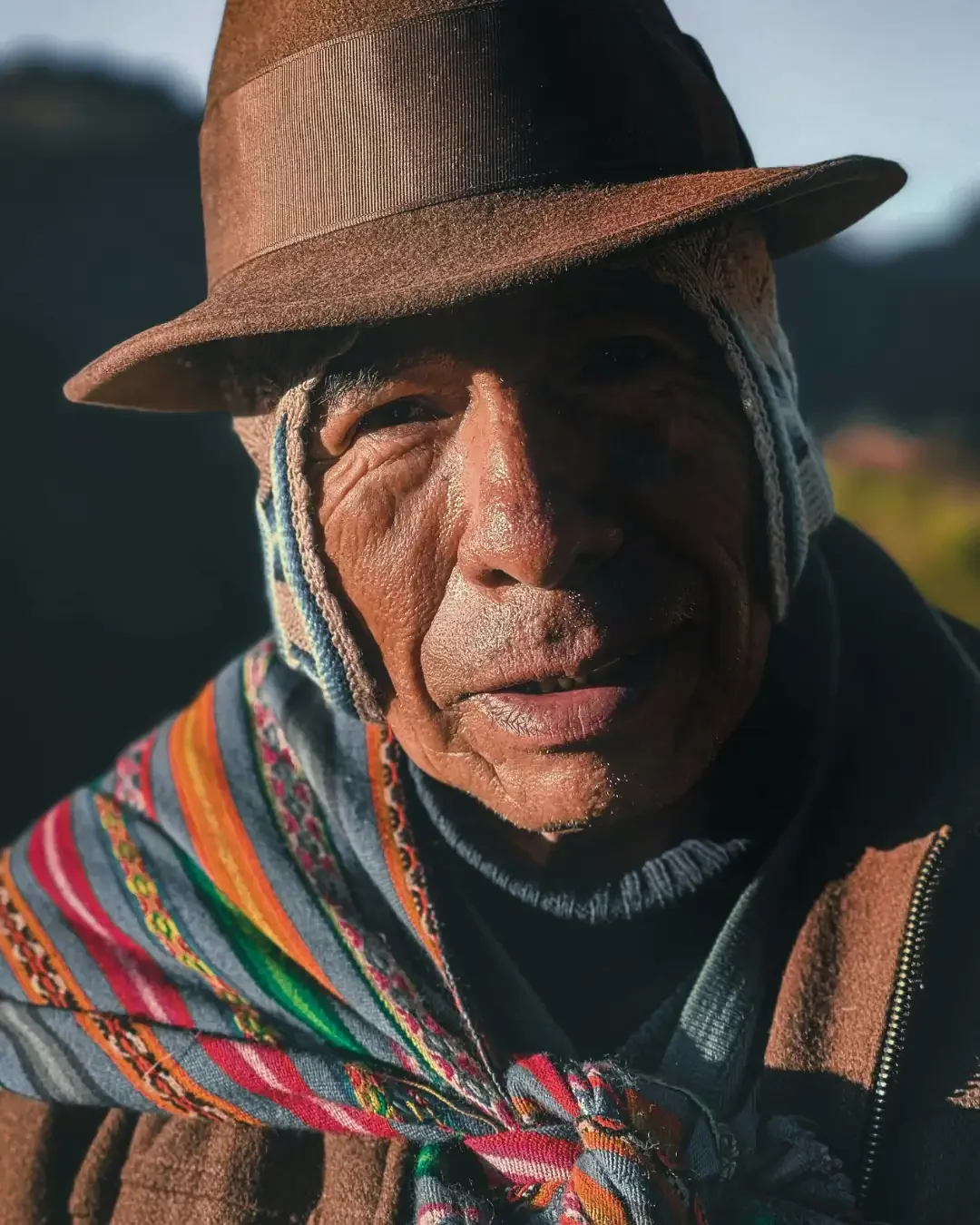
Mapuche Culture and Contemporary Revitalization
The Mapuche are Chile's largest indigenous group, mostly residing in the south-central regions of Araucanía, Biobío, and Los Ríos, as well as metropolitan Santiago. Historically, Mapuche …
Latest Dispatches.
Recent stories and cultural insights from the archive.