
The Collected
Notes.
An evolving repository of our deep-dive explorations. From hidden architectural marvels to the profound nuances of global society.
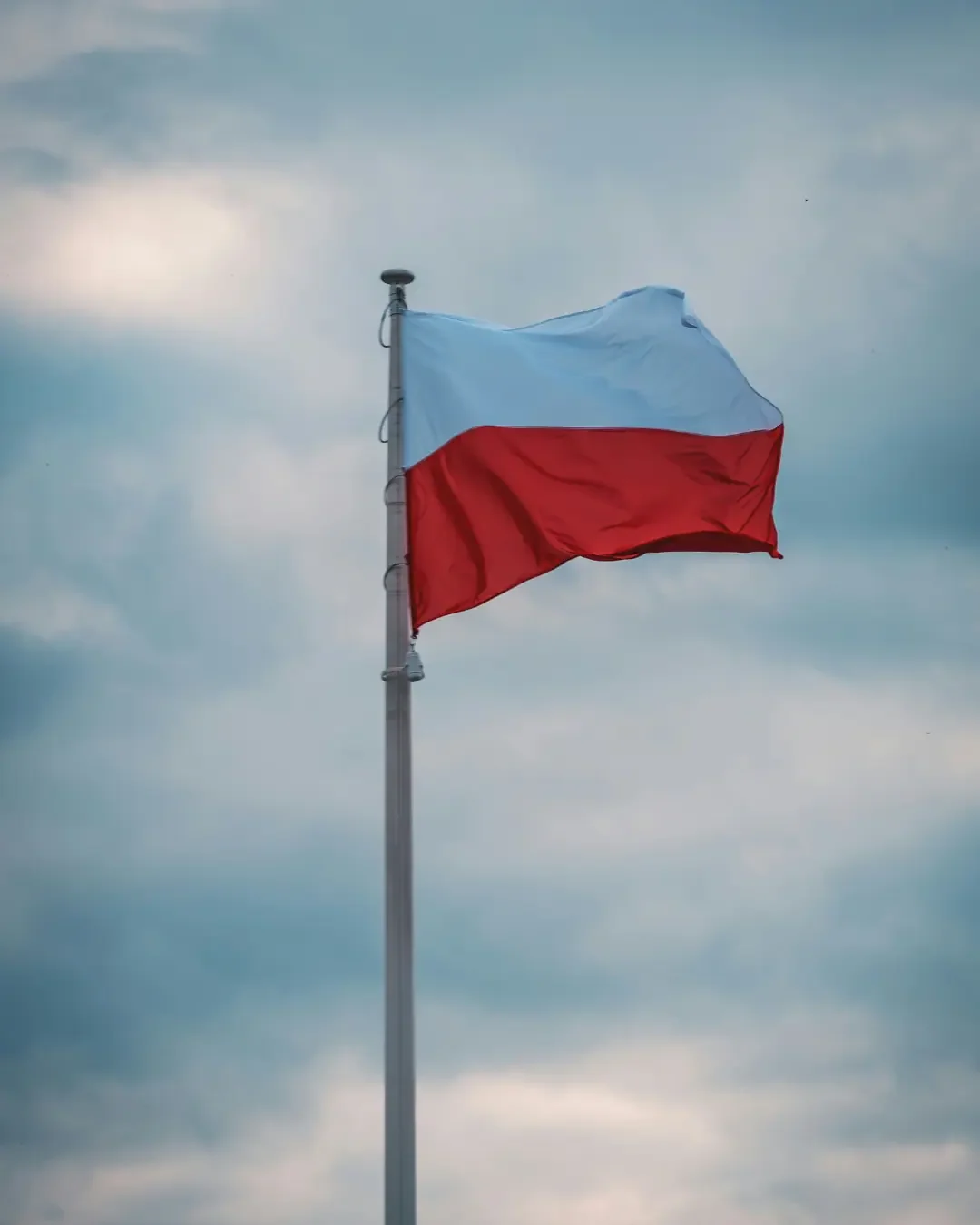
Demographic Change, Migration and Social Debates
In recent decades, demographic transformations, labor movement, and new immigration patterns have reshaped Poland's socioeconomic environment, prompting concerns about integration, welfare, and …

Culinary Tourism and the Pierogi Tradition
Culinary tourism is becoming a more prominent element of Poland's visitor economy, with traditional foods and regional products promoted as portals to local culture. Pierogi, which are boiled or fried filled …
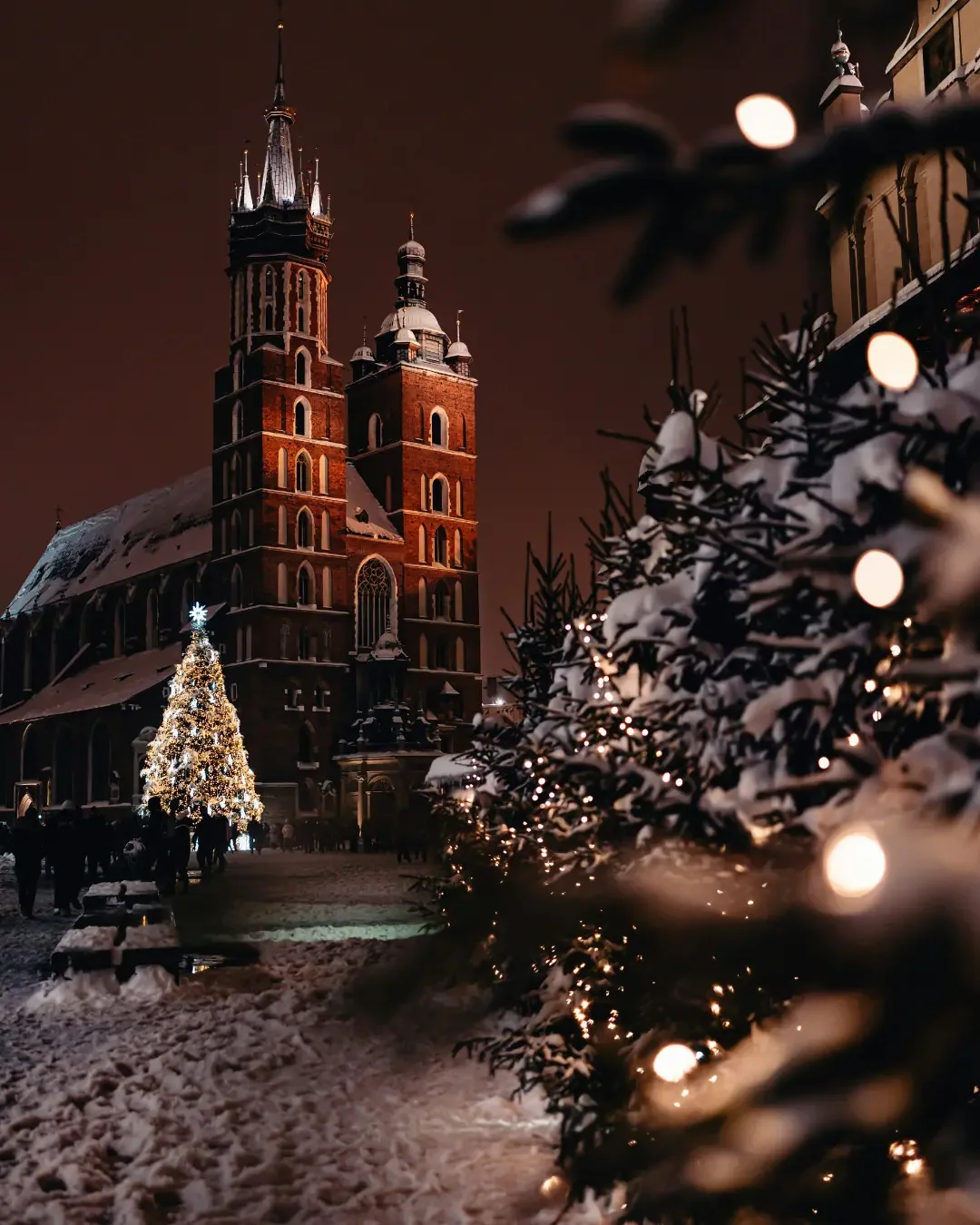
Kraków Old Town and Wawel Hill: Poland’s Royal Heart
Kraków's historic center, together with Wawel Hill and the old Jewish district of Kazimierz, was one of the original twelve sites added to the UNESCO World Heritage List in 1978, demonstrating the city's unique …
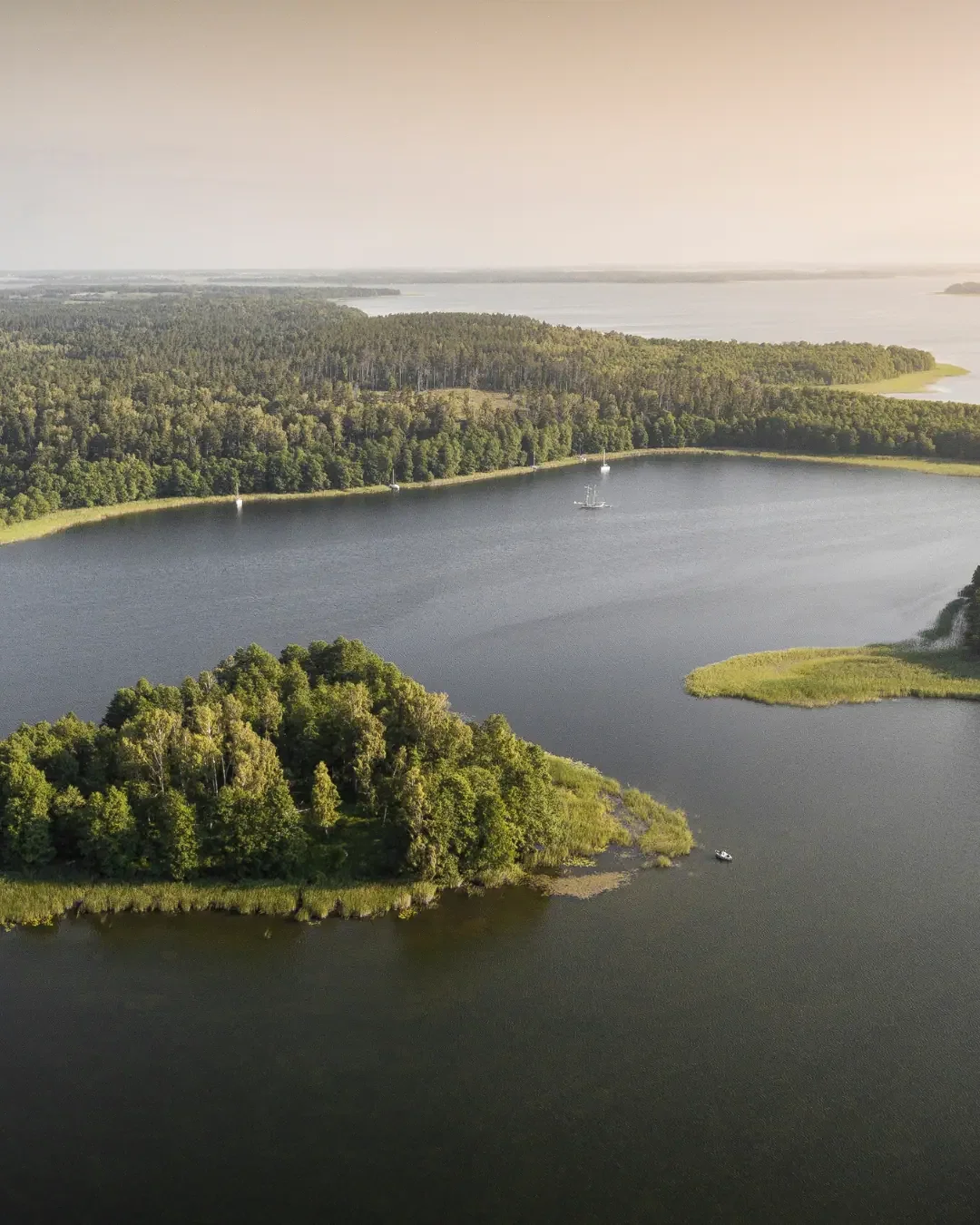
Masurian Lake District: Post‑Glacial Water Labyrinth
The Masurian Lake District (Pojezierze Mazurskie) in northern Poland features a varied scenery of undulating hills, woods, and thousands of interconnected lakes created by the last continental …
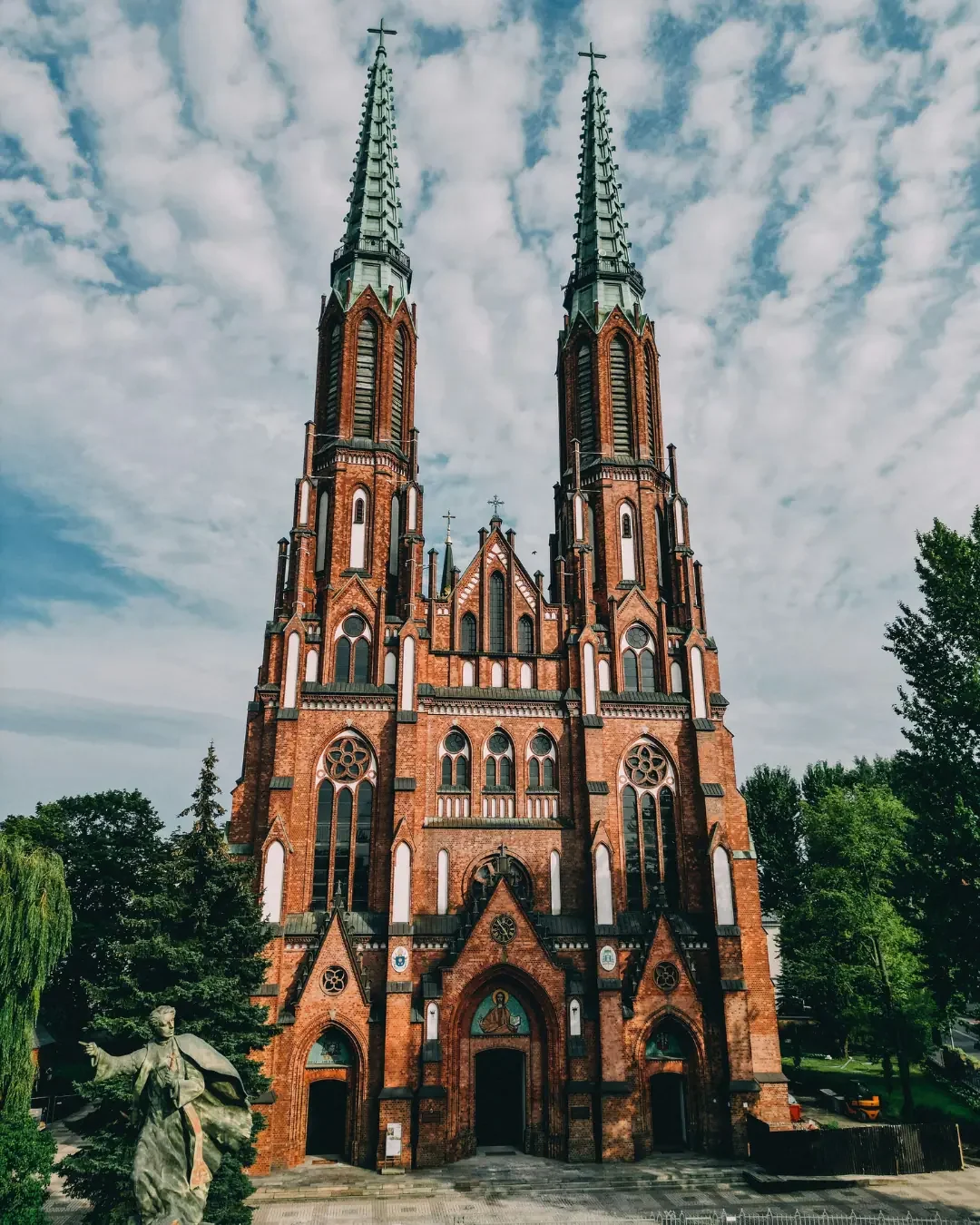
Catholicism and the Social Role of the Church in Poland
Catholicism has played a significant role in establishing Polish identity, politics, and everyday life, especially since the partitions of the late 18th century, when the Polish-Lithuanian Commonwealth vanished from the …
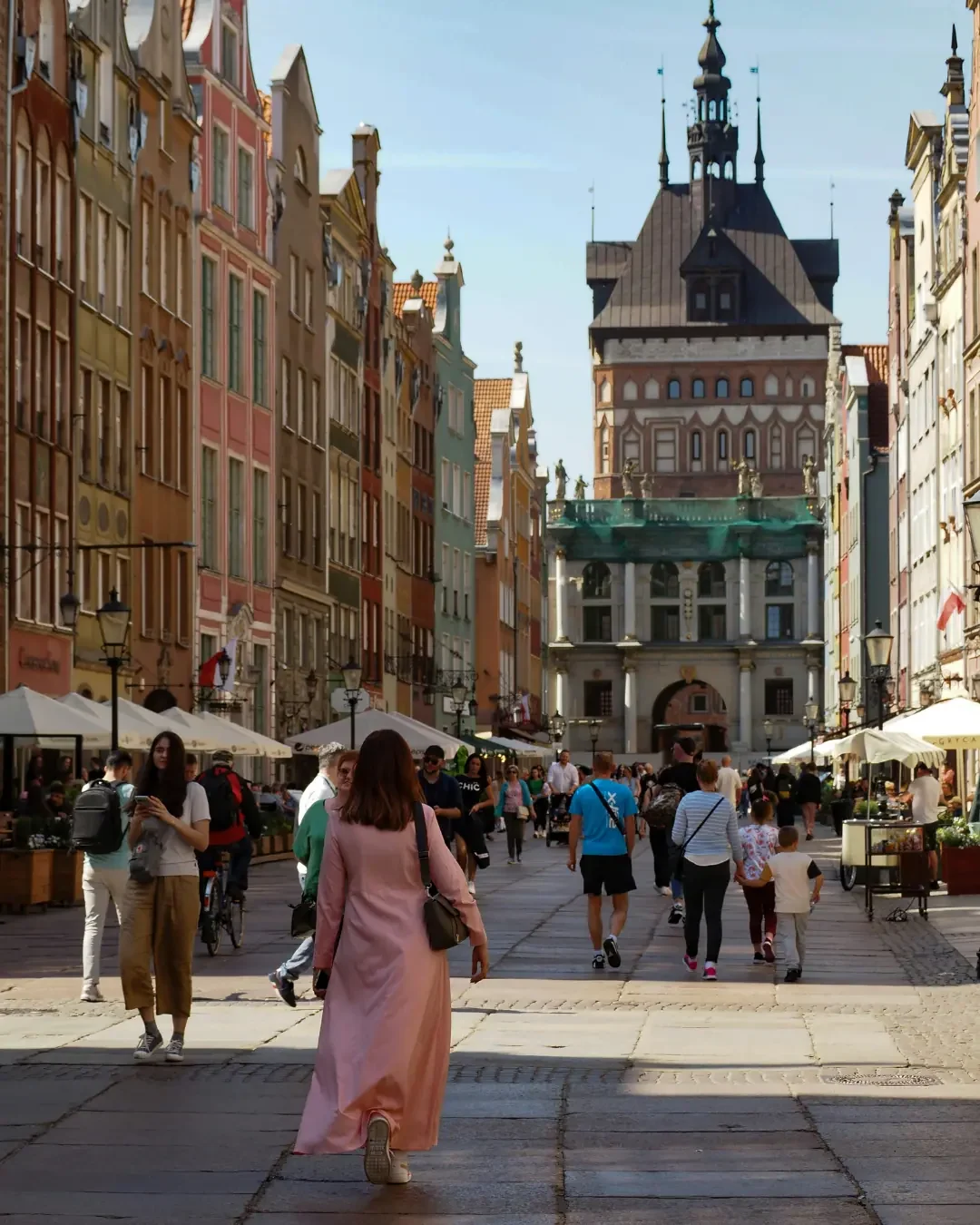
Poland’s Tourism Growth: From Regional Destination to European Player
Poland established itself as a popular European tourism destination in the mid-2020s, offering cultural heritage, cosmopolitan city breaks, and nature-based experiences. According to official figures and …
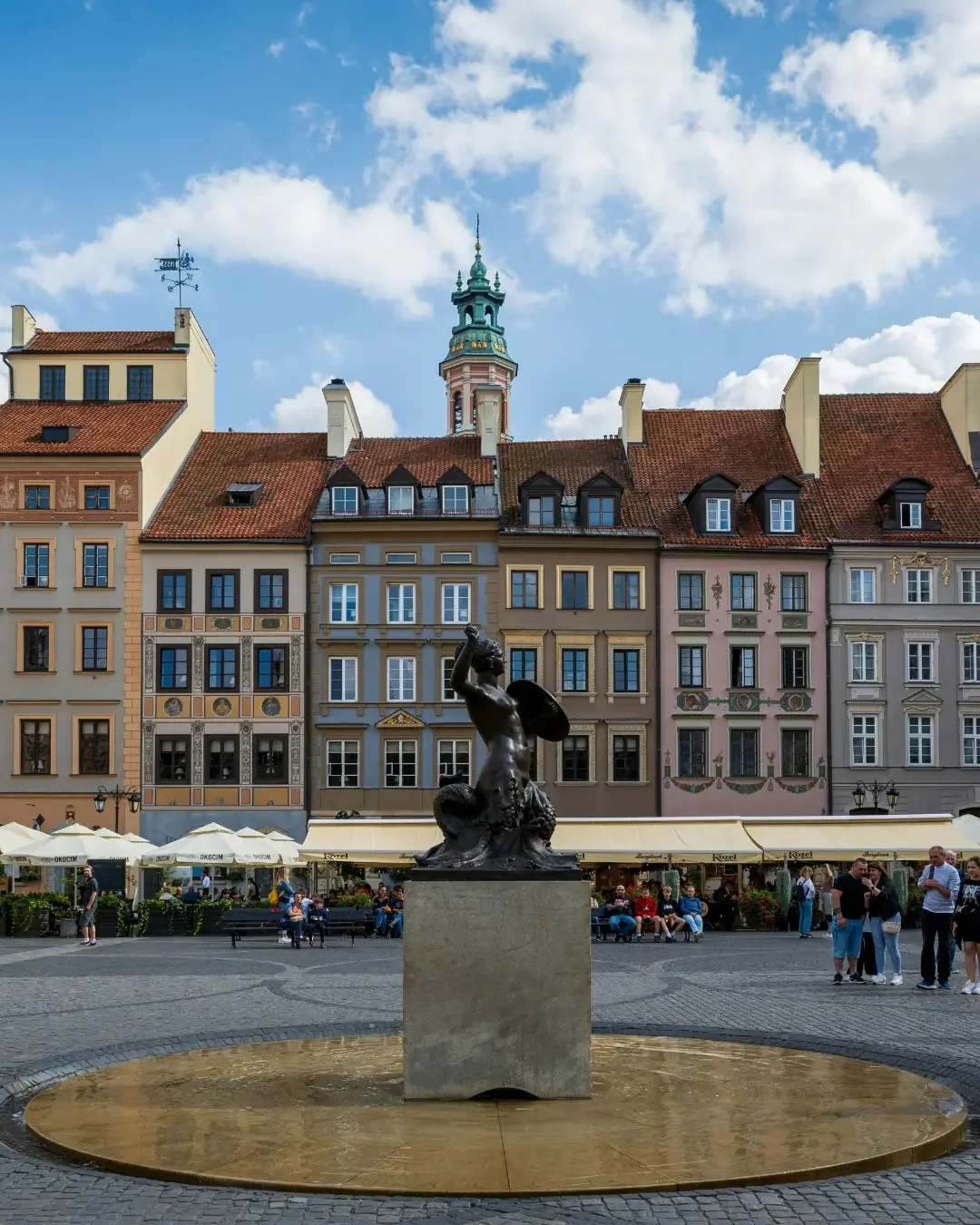
Warsaw Old Town: A Reconstructed Memoryscape
Warsaw's Old Town (Stare Miasto) is a UNESCO World Heritage site that celebrates historical restoration following near-total wartime damage, rather than its preserved medieval architecture. During World War II …
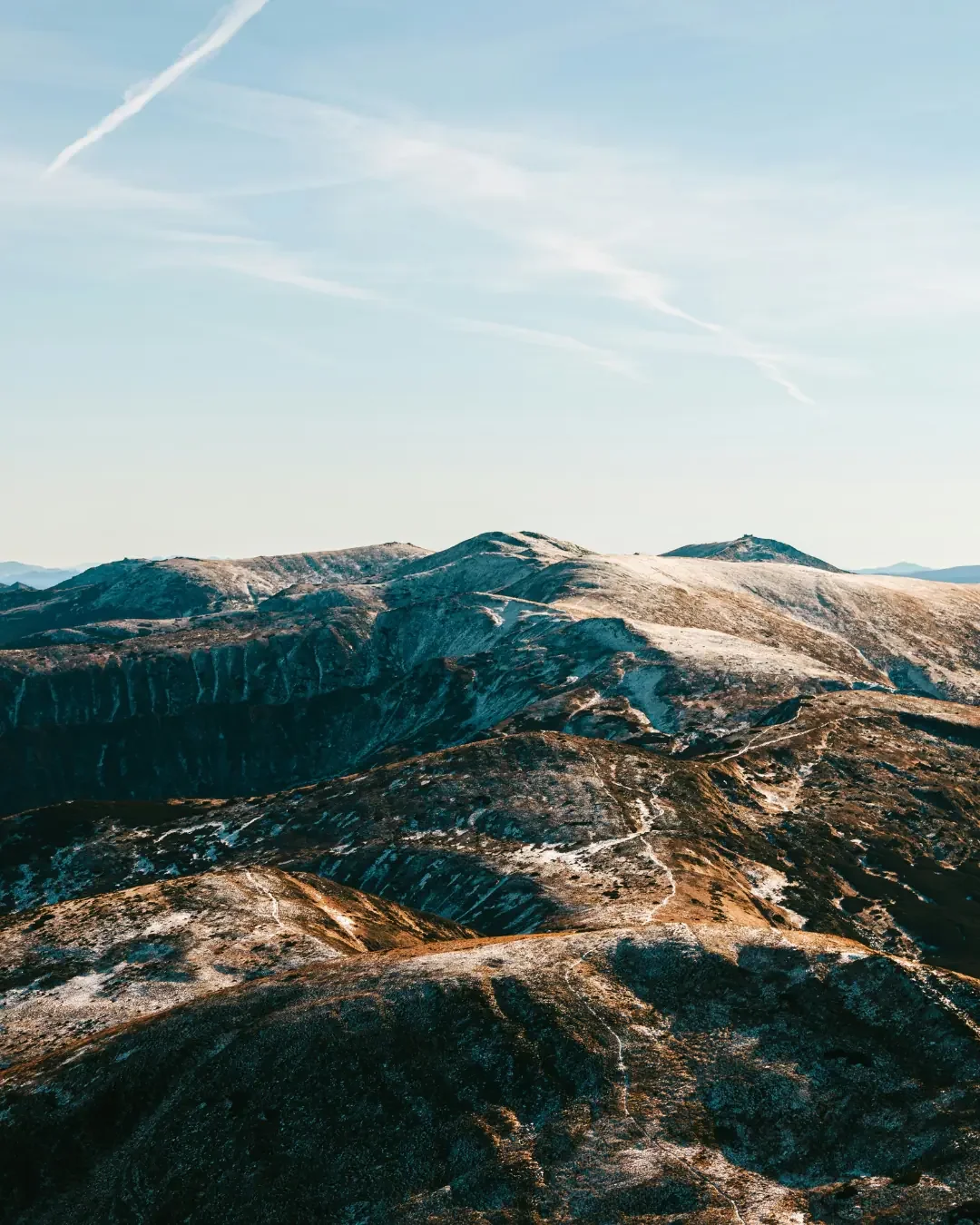
The Carpathians and Tatra Mountains: Poland’s Alpine Corner
The arc of the Carpathian Mountains defines southern Poland, with the Tatra Mountains serving as the country's highest and most impressive range along the Slovakian border. Tatra National Park protects the …
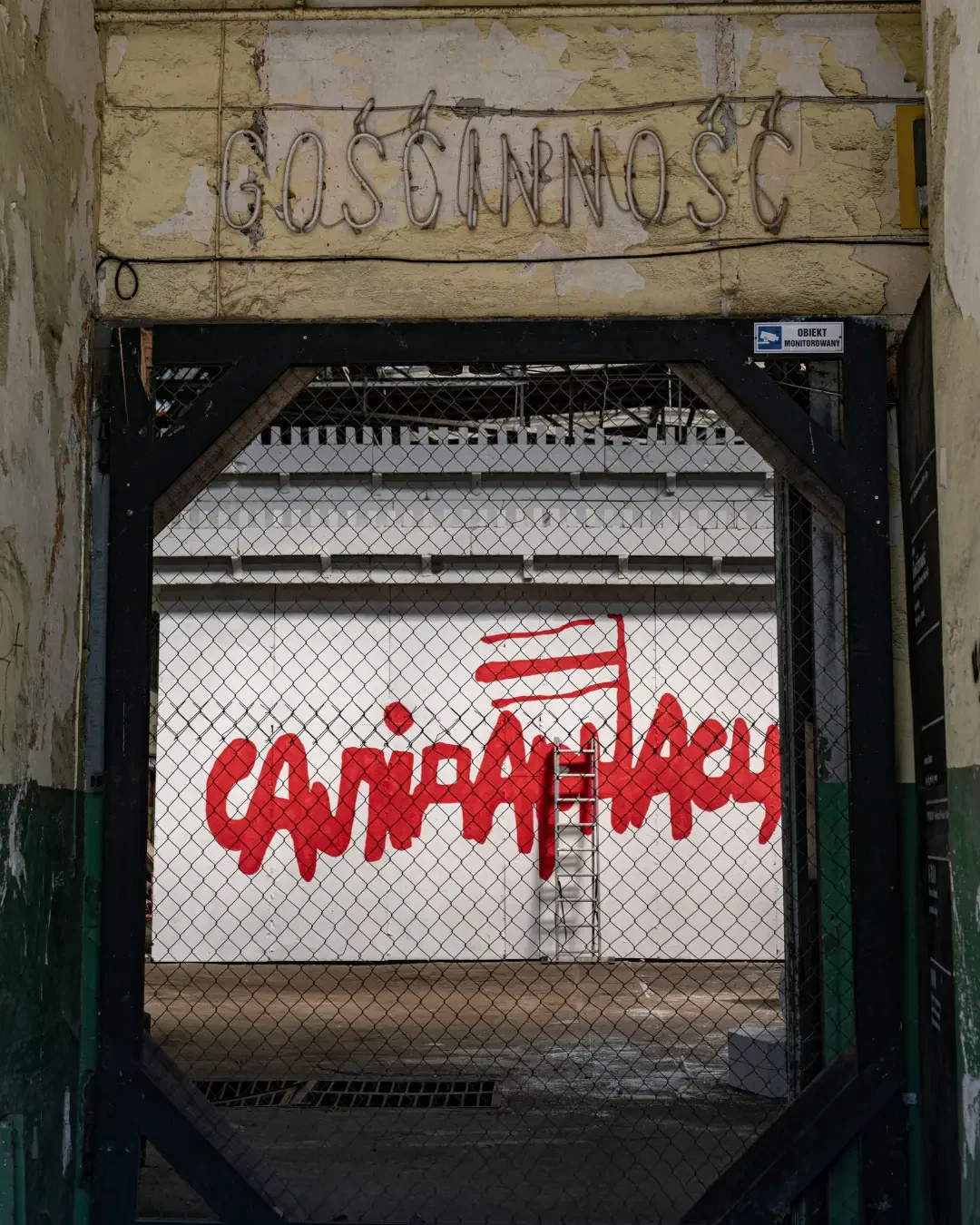
The Solidarity Movement and Workers’ Heritage in Gdańsk
The Solidarity (Solidarność) movement, founded in the Gdańsk Shipyard in 1980, was one of the most prominent social movements in late 20th century Europe. Solidarity began as a labor union demanding …
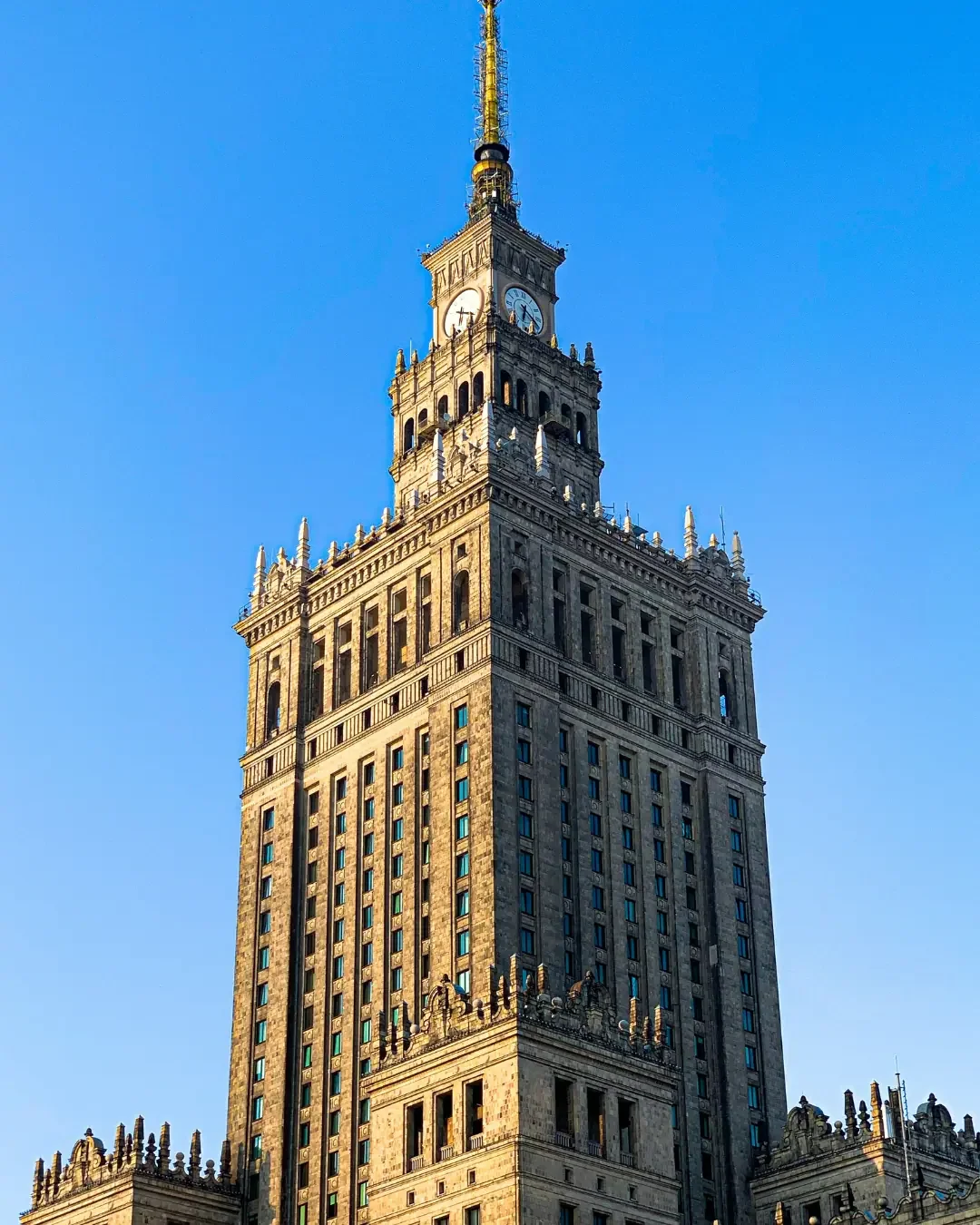
City‑Break Tourism: Kraków, Warsaw and Wrocław
Poland's tourism profile now includes short city breaks, with Kraków, Warsaw, and Wrocław commonly featured in European travel rankings and low-cost airlines. Kraków is appealing for its tiny historic center …
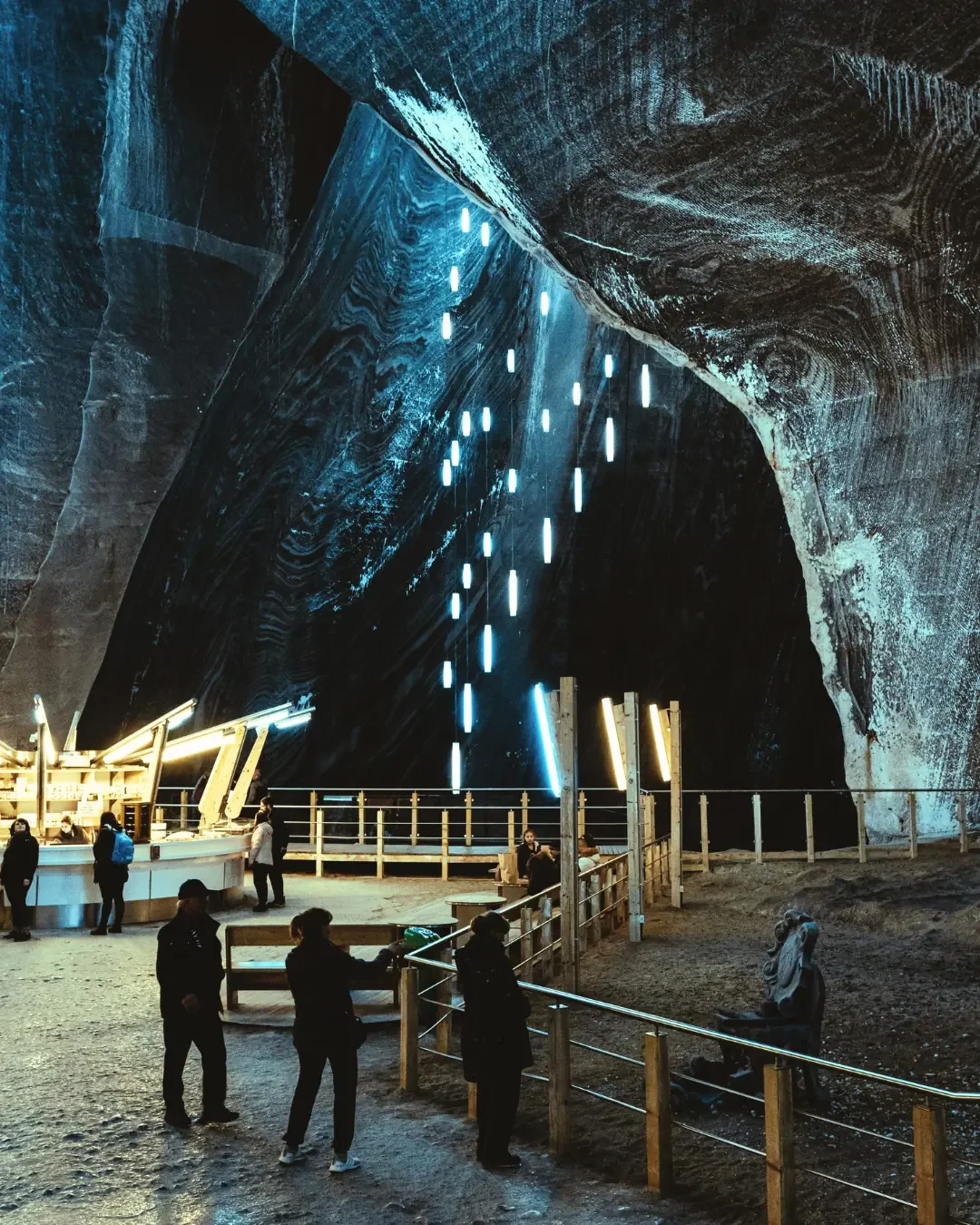
Wieliczka Salt Mine: An Underground Cathedral of Salt
The Wieliczka Salt Mine, near Kraków, is one of the world's oldest continuously exploited industrial sites, with rock salt production documented from the 13th until the late twentieth century. Inscribed on the …
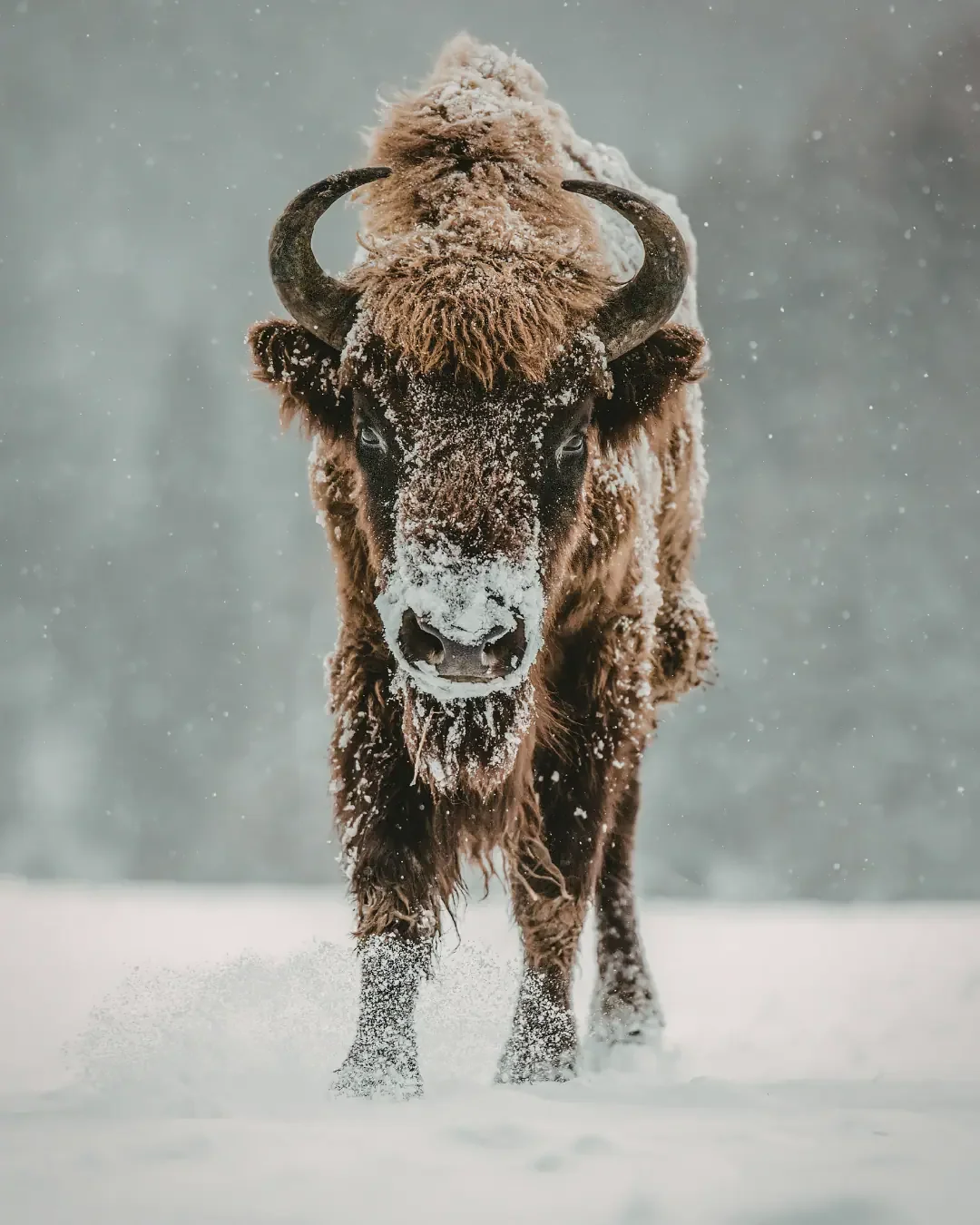
Białowieża Forest: Europe’s Last Lowland Primeval Forest
Białowieża Forest, located on the border of Poland and Belarus, is a significant remnant of Europe's primeval temperate lowland forest, which originally covered most of the continent. The UNESCO World Heritage …
Latest Dispatches.
Recent stories and cultural insights from the archive.