Articles
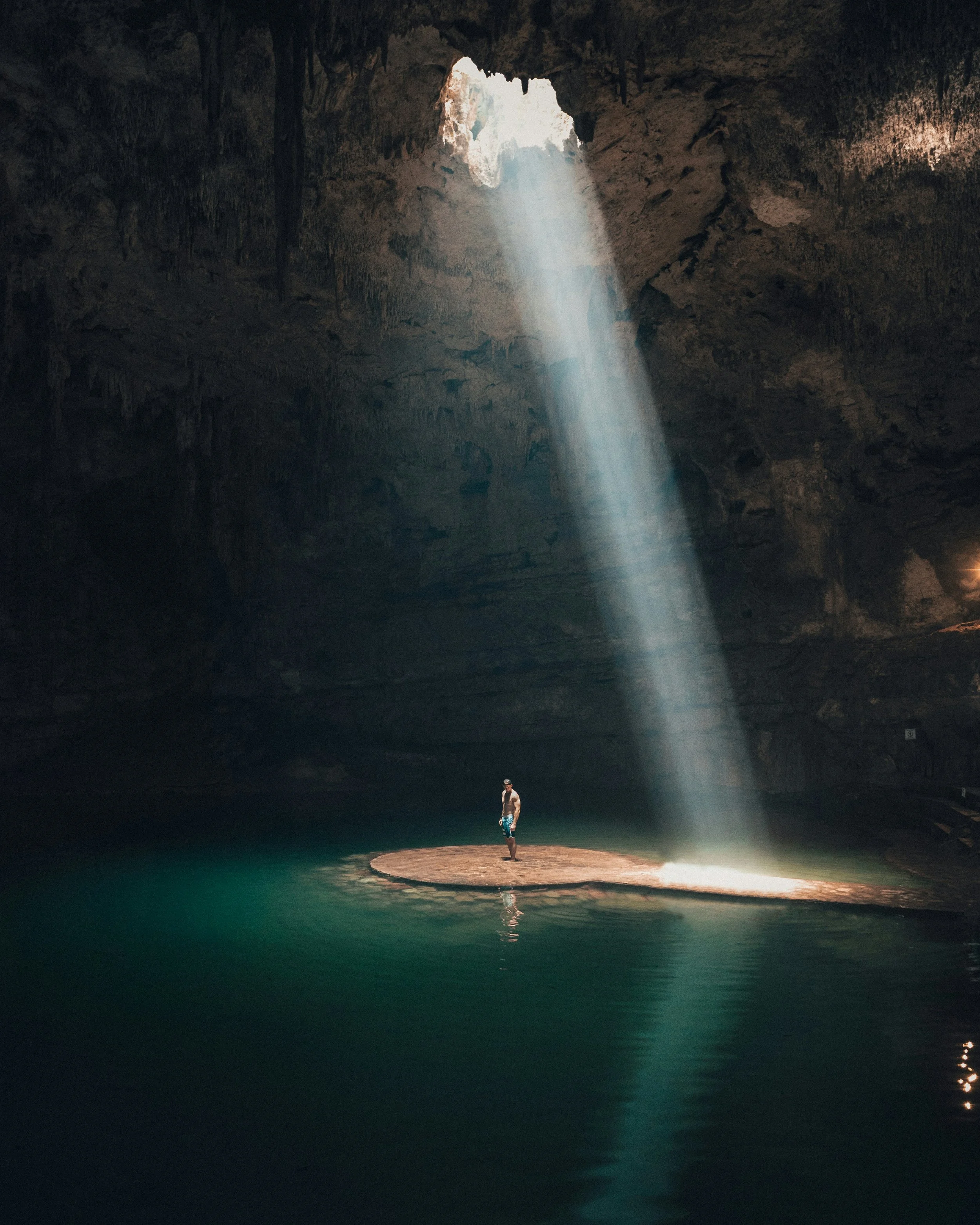
Cenotes: Sacred Underground Limestone Sinkholes and Aquifer System Sustaining the Yucatán Peninsula
Cenotes are one of Earth's most distinctive geological and hydrological features—natural sinkholes formed in limestone bedrock where cave ceilings have collapsed, exposing underground…
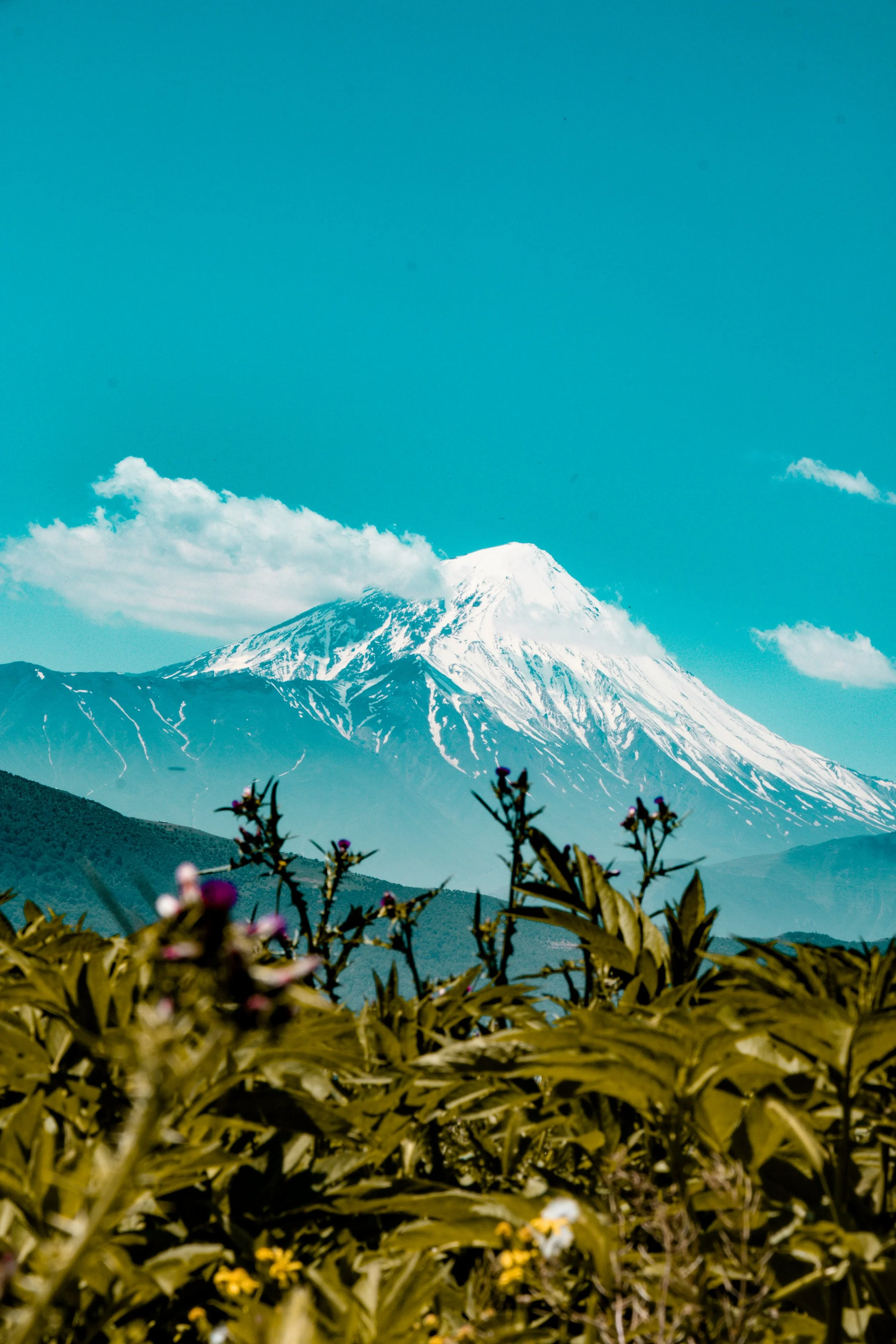
Mount Damavand: Asia's Highest Volcano and Symbol of Persian Endurance
Mount Damavand, at 5,671 meters (18,606 feet) above sea level, is Iran's tallest mountain, the highest peak on the Eurasian continent west of the Hindu Kush range, and the world's highest…
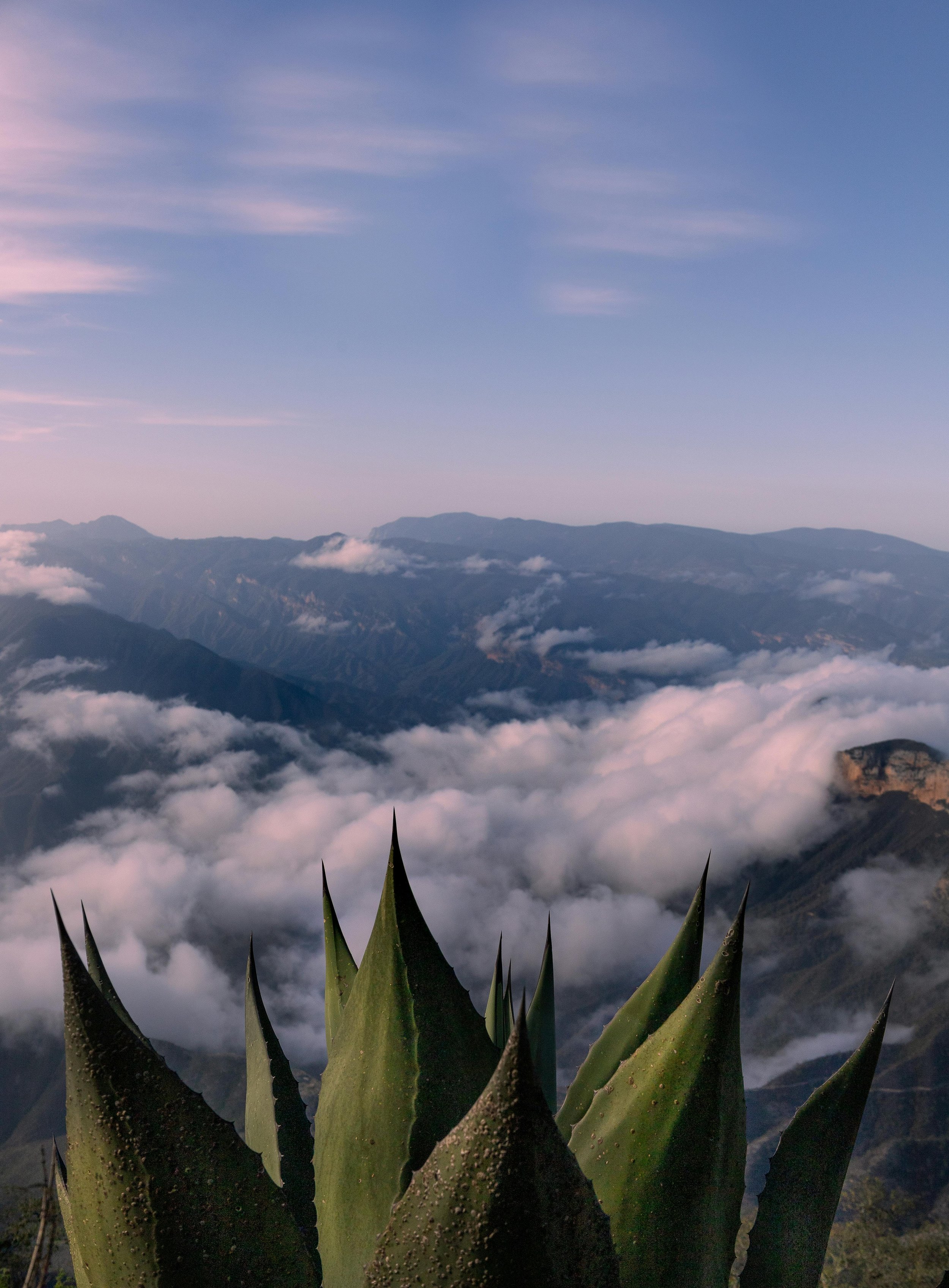
Sierra Madre Mountain System: Three Massive Ranges Enclosing the Mexican Plateau and Defining Continental Geography
The Sierra Madre is Mexico's primary mountain system, consisting of three major ranges—Sierra Madre Occidental, Sierra Madre Oriental, and Sierra Madre del Sur—that form a…
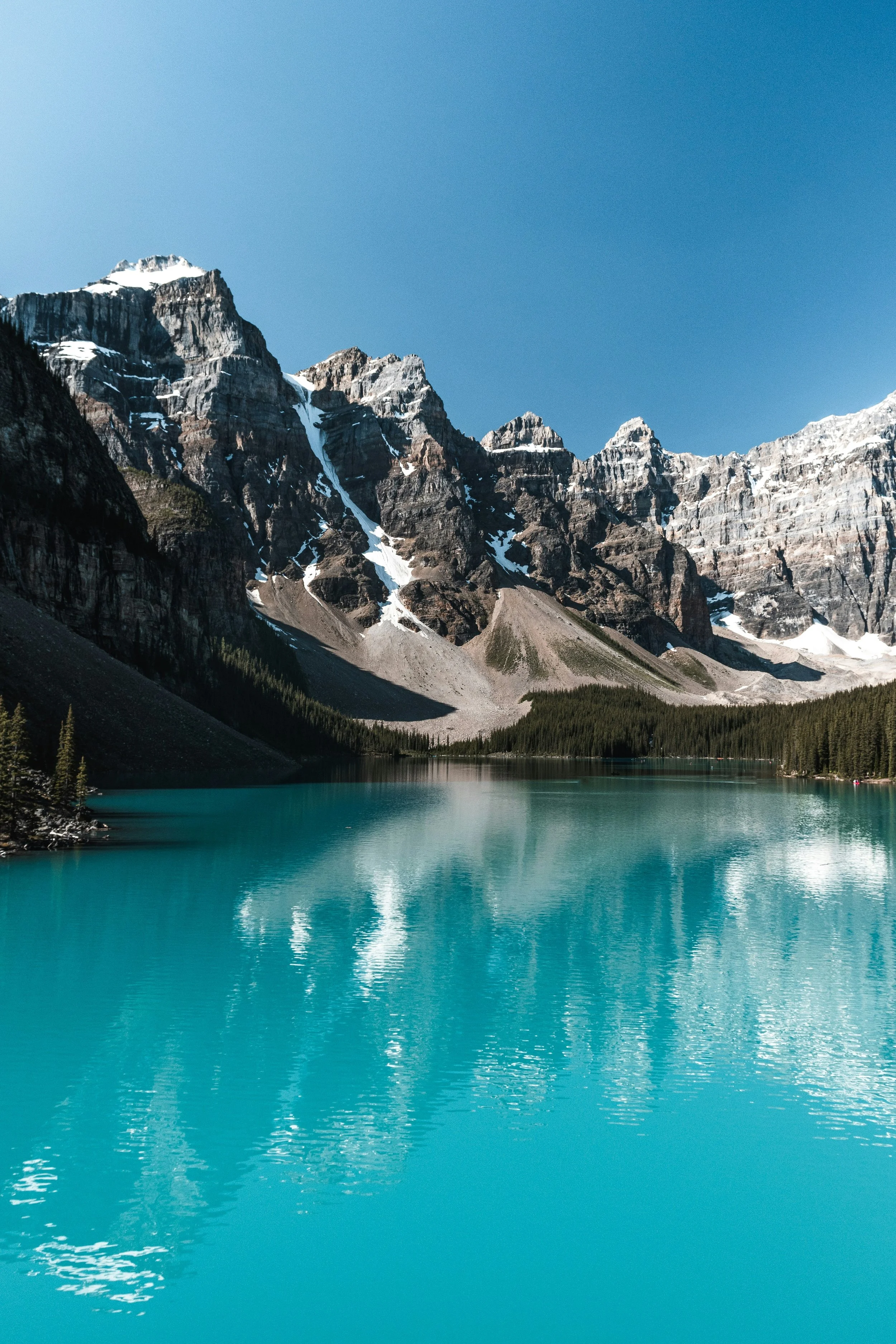
The Rocky Mountains: A Vast Range Built Through Plate Tectonics and Crustal Deformation
The Rocky Mountains, which run nearly 3,000 kilometres (1,860 miles) from Canada to New Mexico, are one of North America's most striking geological features—a mountain range…
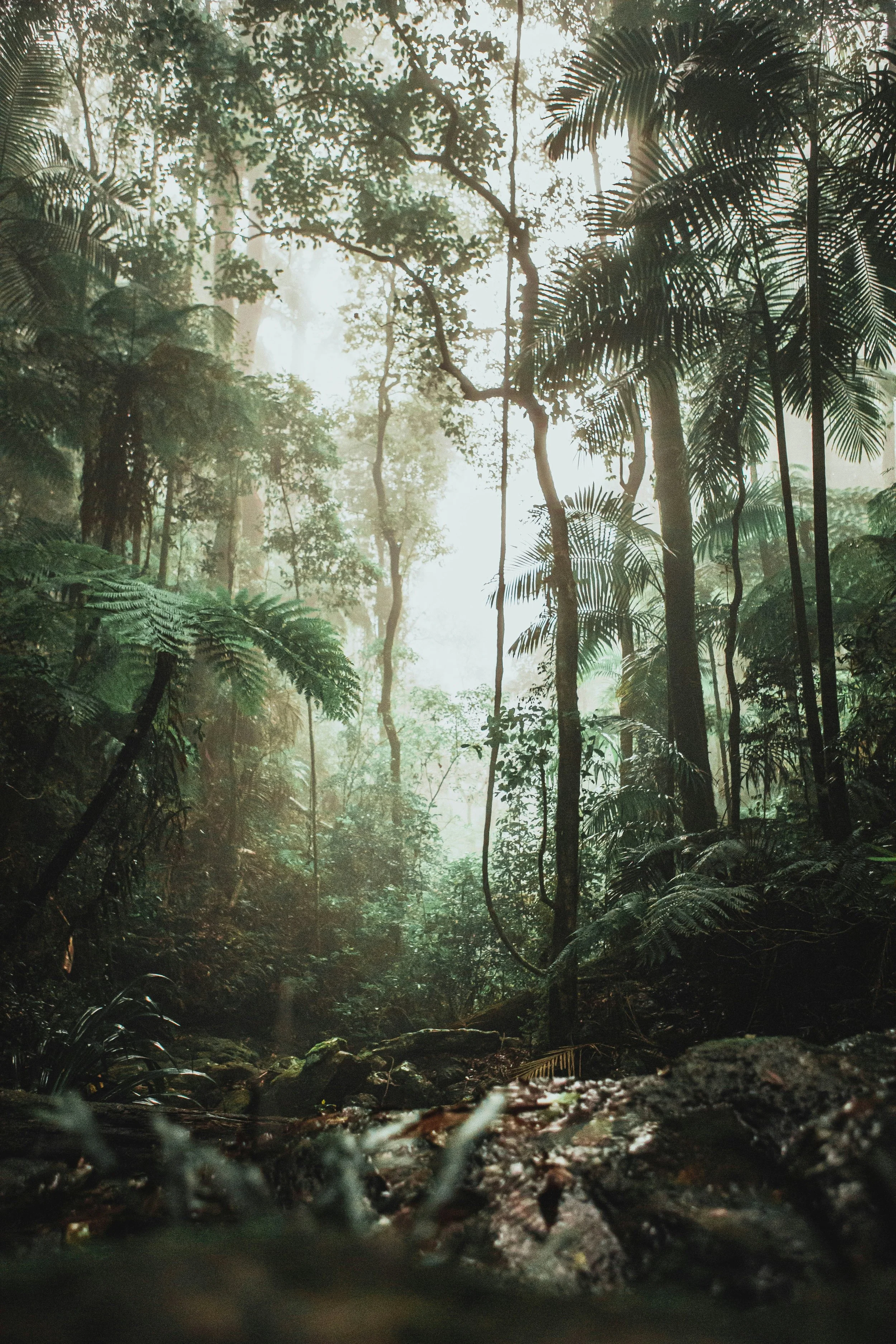
The Amazon Rainforest: Earth's Most Biodiverse Ecosystem Spanning 5.5 Million Square Kilometres
The Amazon rainforest is the world's biggest tropical rainforest and most biodiverse terrestrial environment, comprising over 5.5 million square kilometres (2.1 million square miles) across nine…
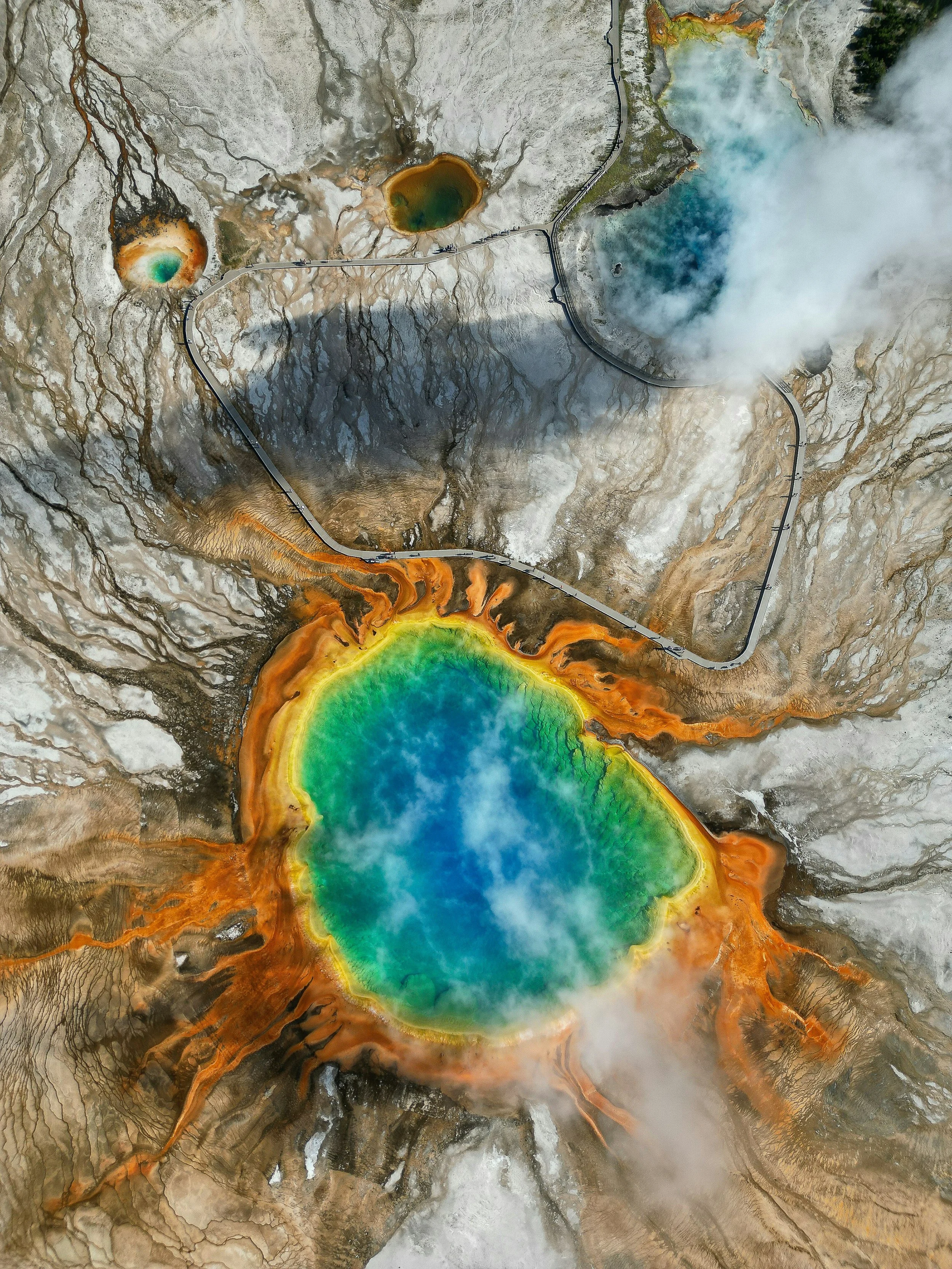
Yellowstone: Sitting Atop a Volcanic Hotspot and the World's Largest Geyser Field
Yellowstone National Park, which straddles the borders of Wyoming, Montana, and Idaho, is Earth's most geothermally active location, with nearly 60% of the planet's geysers…
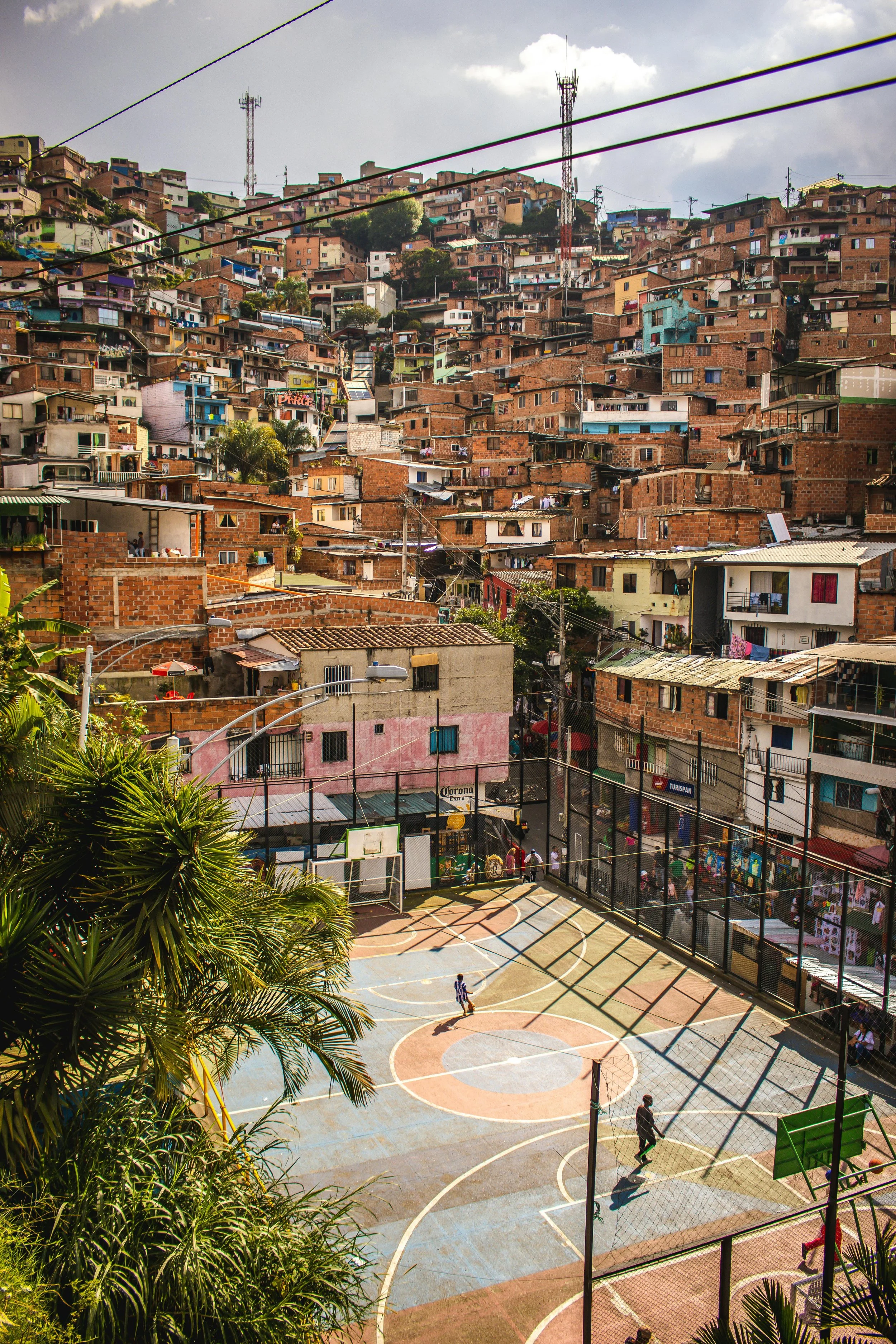
Brazil's Favelas: 17.9 Million People Living in Informal Urban Communities
Brazil's favelas (informal urban settlements) are predominantly centred in big cities like Rio de Janeiro, São Paulo, Salvador, and Brasília, housing around 17.9 million people…
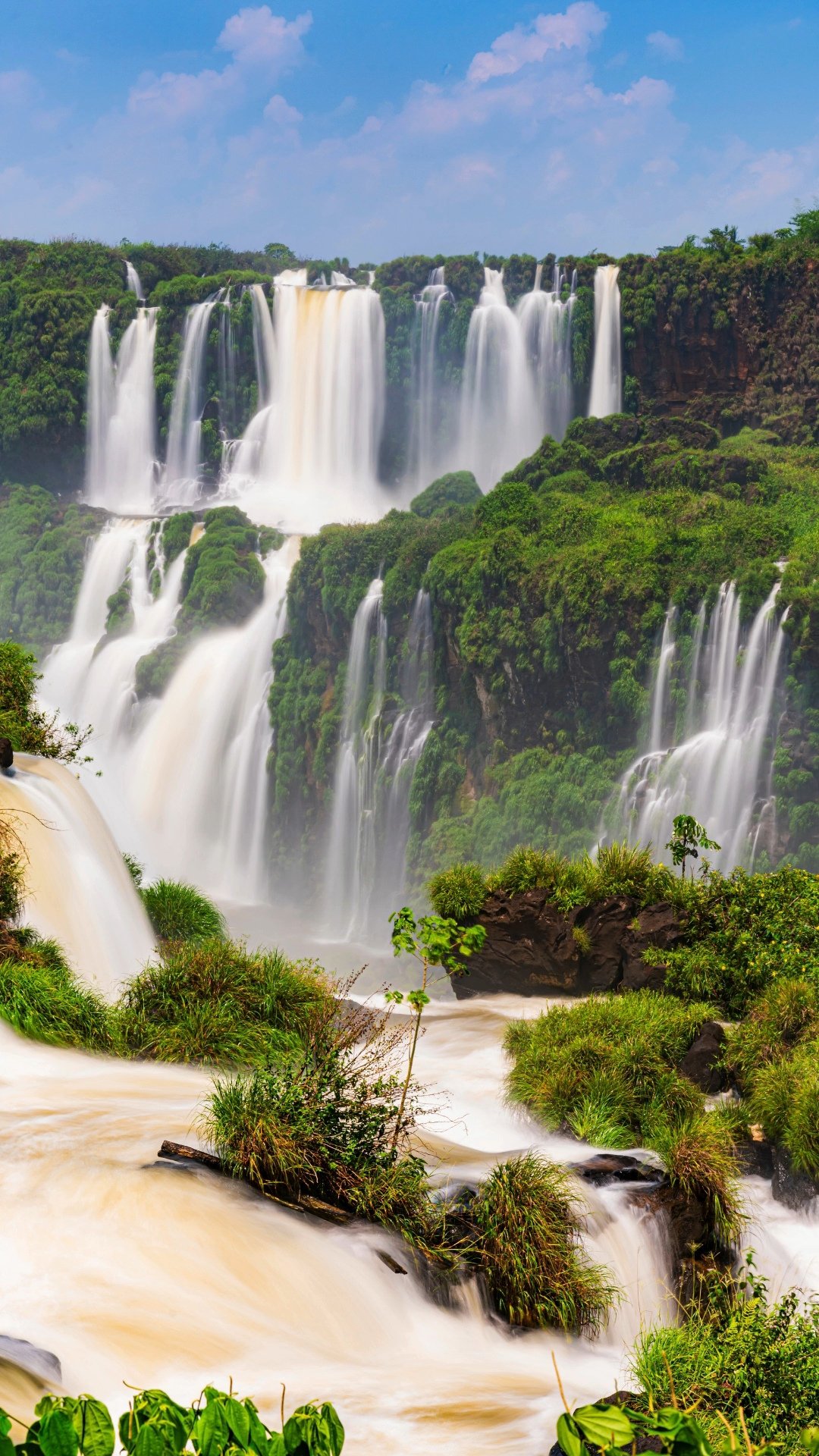
Iguazu Falls: 275 Cascades of Water Carved by 130 Million Years of Geology
Iguazu Falls, which straddles the Brazil-Argentina border and includes a lesser cascade in Paraguay, is made up of around 275 separate waterfalls spread across a 2.7-kilometre (1.7-mile) crescent…
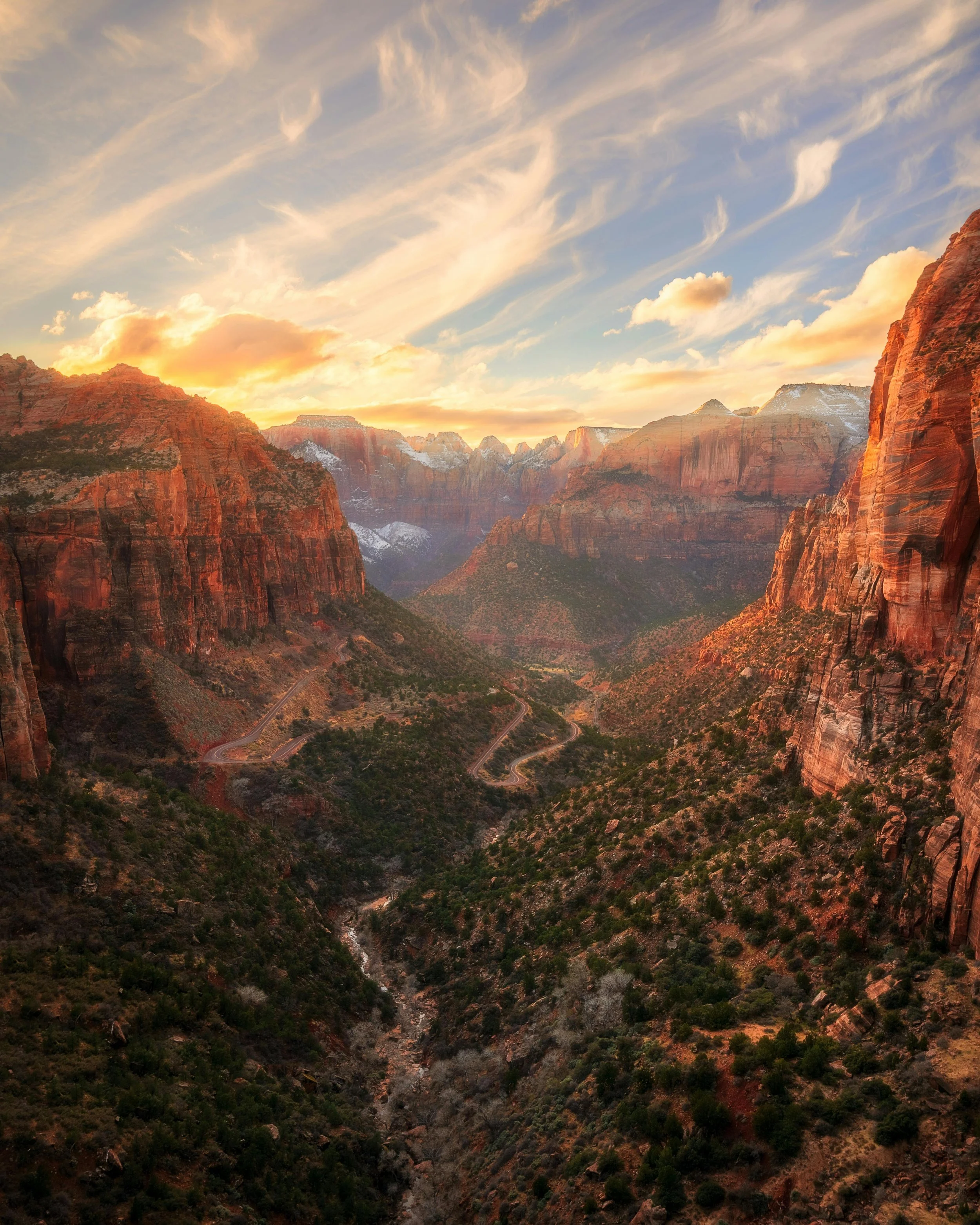
The Grand Canyon: 277 Miles of Geological Time Written in Stone
The Grand Canyon, which stretches approximately 277 miles (446 kilometres) along the Colorado River in northwestern Arizona, is one of the world's most visually stunning geological monuments…
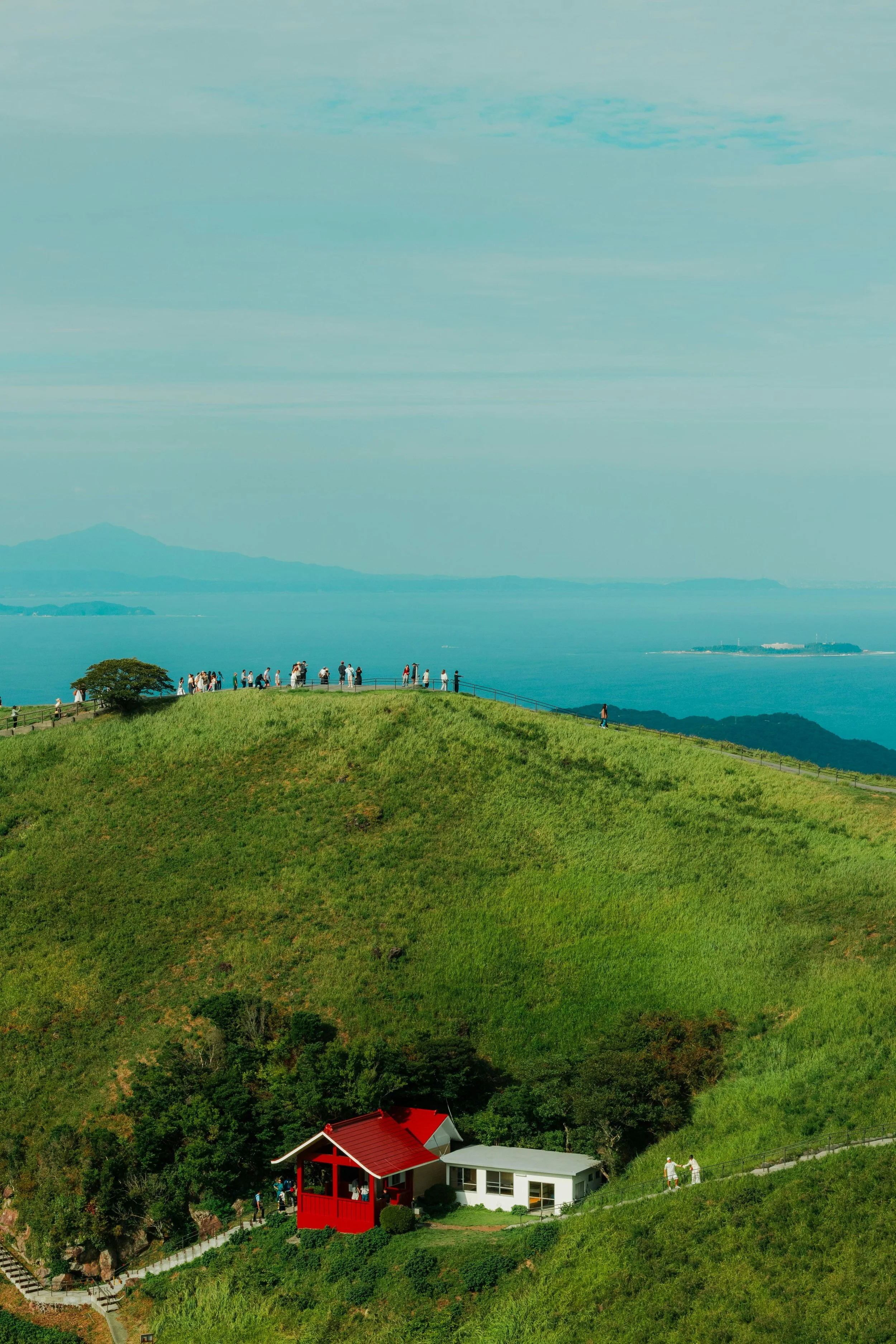
Izu Peninsula: Where Three Plates Collide to Create Hot Spring Paradise
The Izu Peninsula (伊豆半島), which extends southeastward from Tokyo into Sagami Bay and Suruga Bay, is a geological accident that has created one of Japan's…
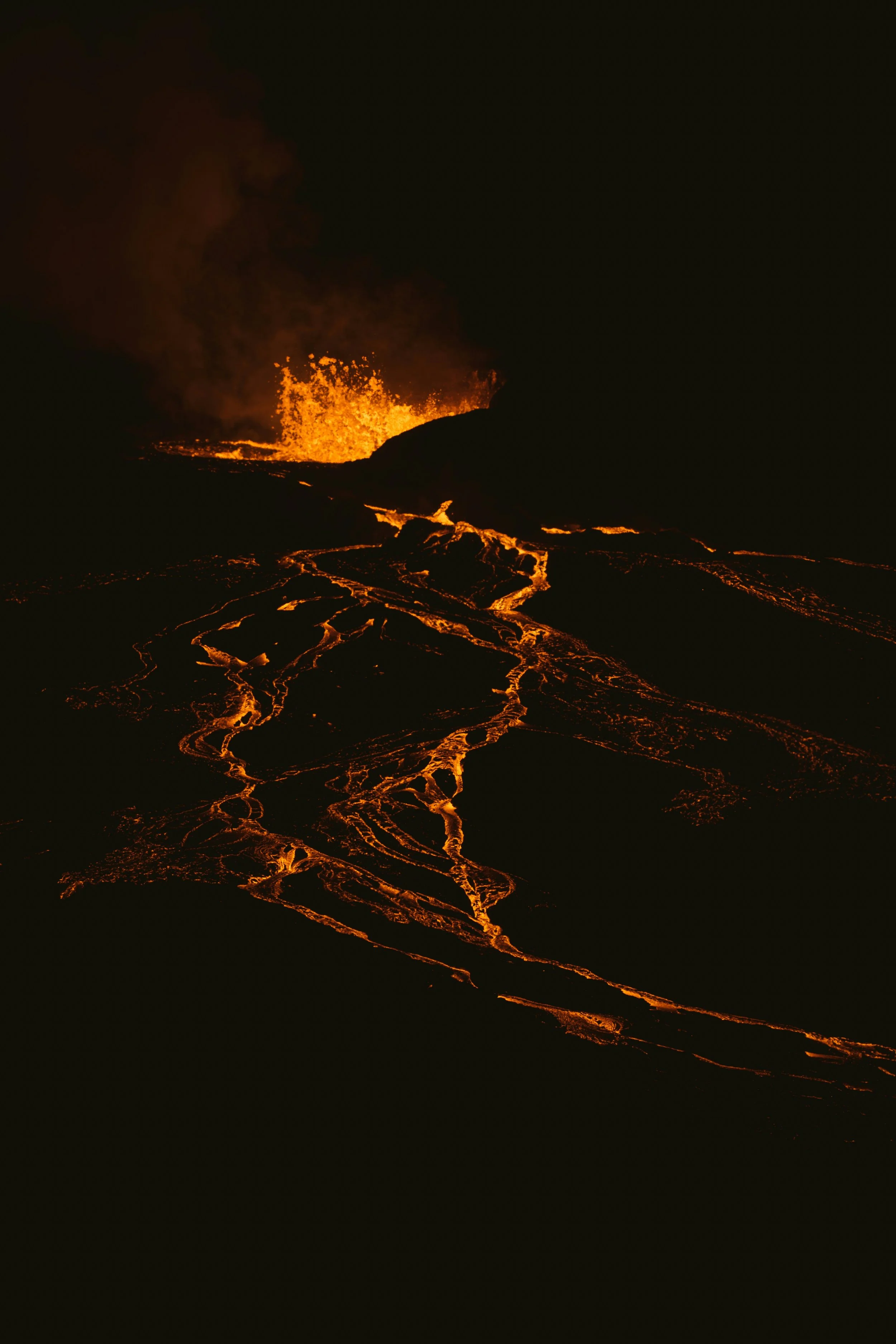
Iceland's Volcanic Landscape: A Living Laboratory of Plate Tectonics and Eruptions
Iceland is one of the most volcanically active locations outside tropical zones. Its geological character is defined by the Mid-Atlantic Ridge spreading zone meeting with a mantle hotspot, resulting…
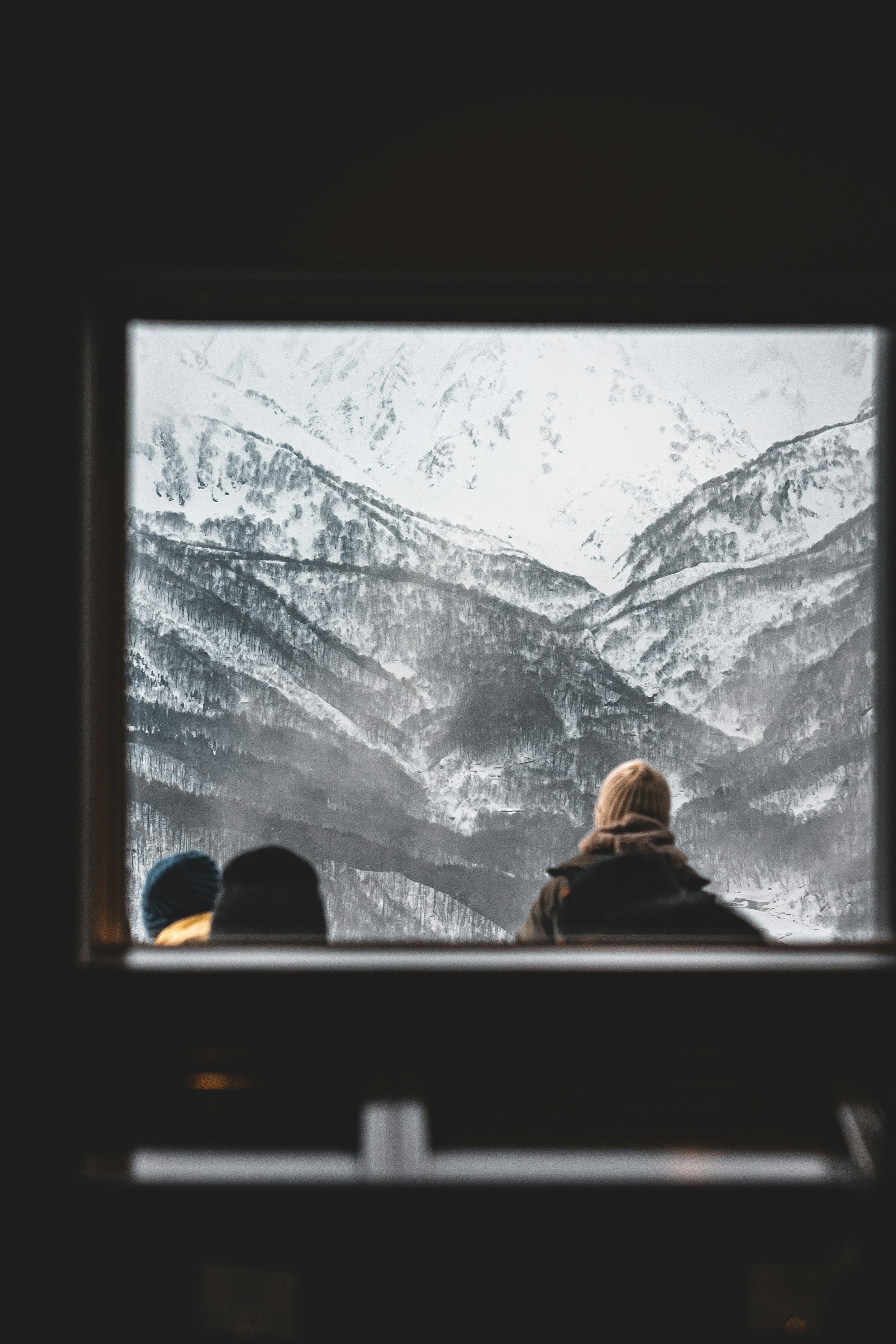
Japanese Alps: Three Mountain Ranges Where Tradition Meets Alpine Adventure
The Japanese Alps (Nihon Arupusu) are divided into three mountain ranges: the Northern, Central, and Southern Alps, which run over central Honshu and reach elevations…
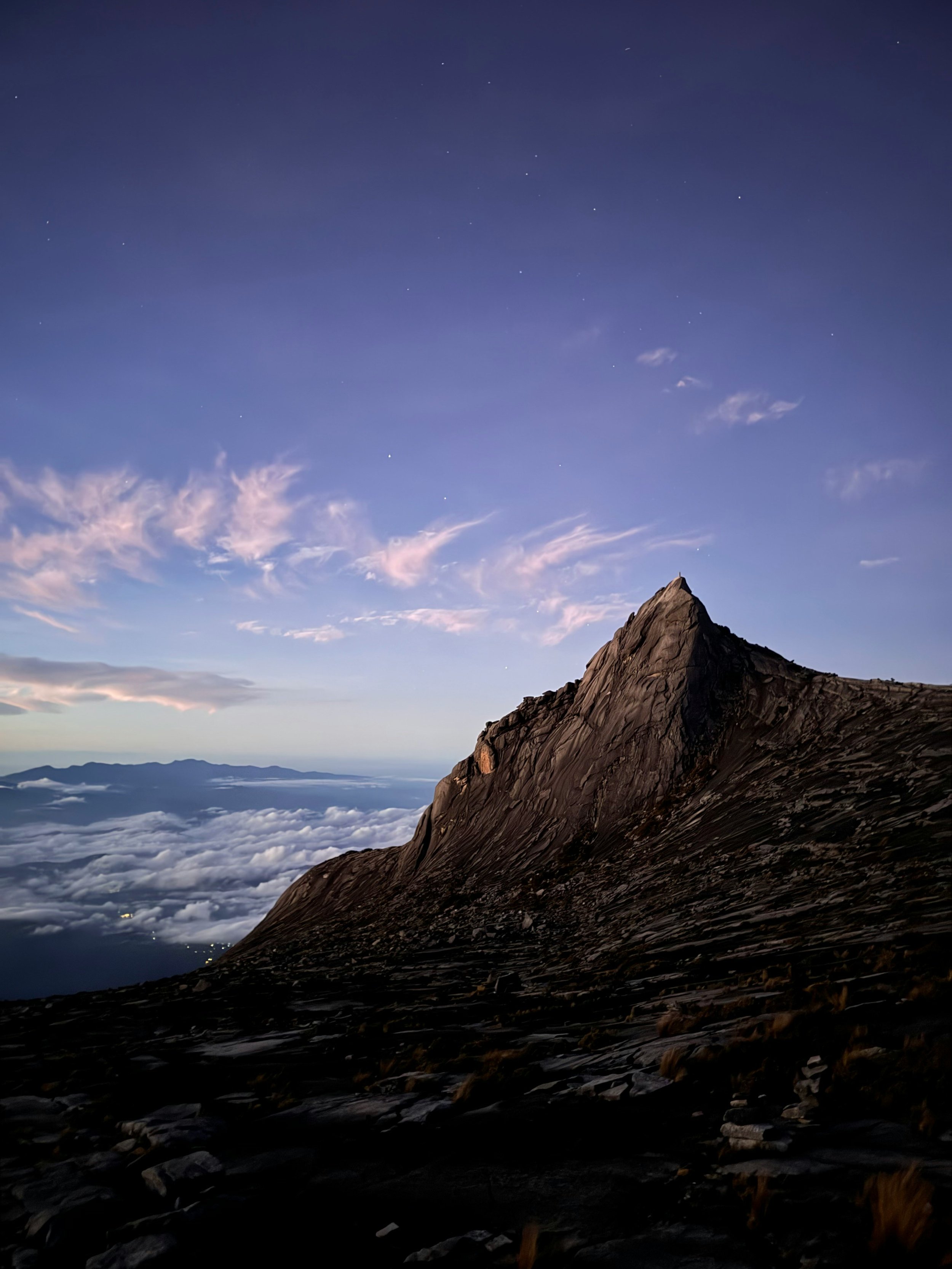
Mount Kinabalu: Borneo's 4,095-Meter Biodiversity Hotspot
Mount Kinabalu, at 4,095.2 meters (13,435 feet) above sea level in Sabah on Borneo's northern edge, is the tallest mountain between the Himalayas and Papua New Guinea…
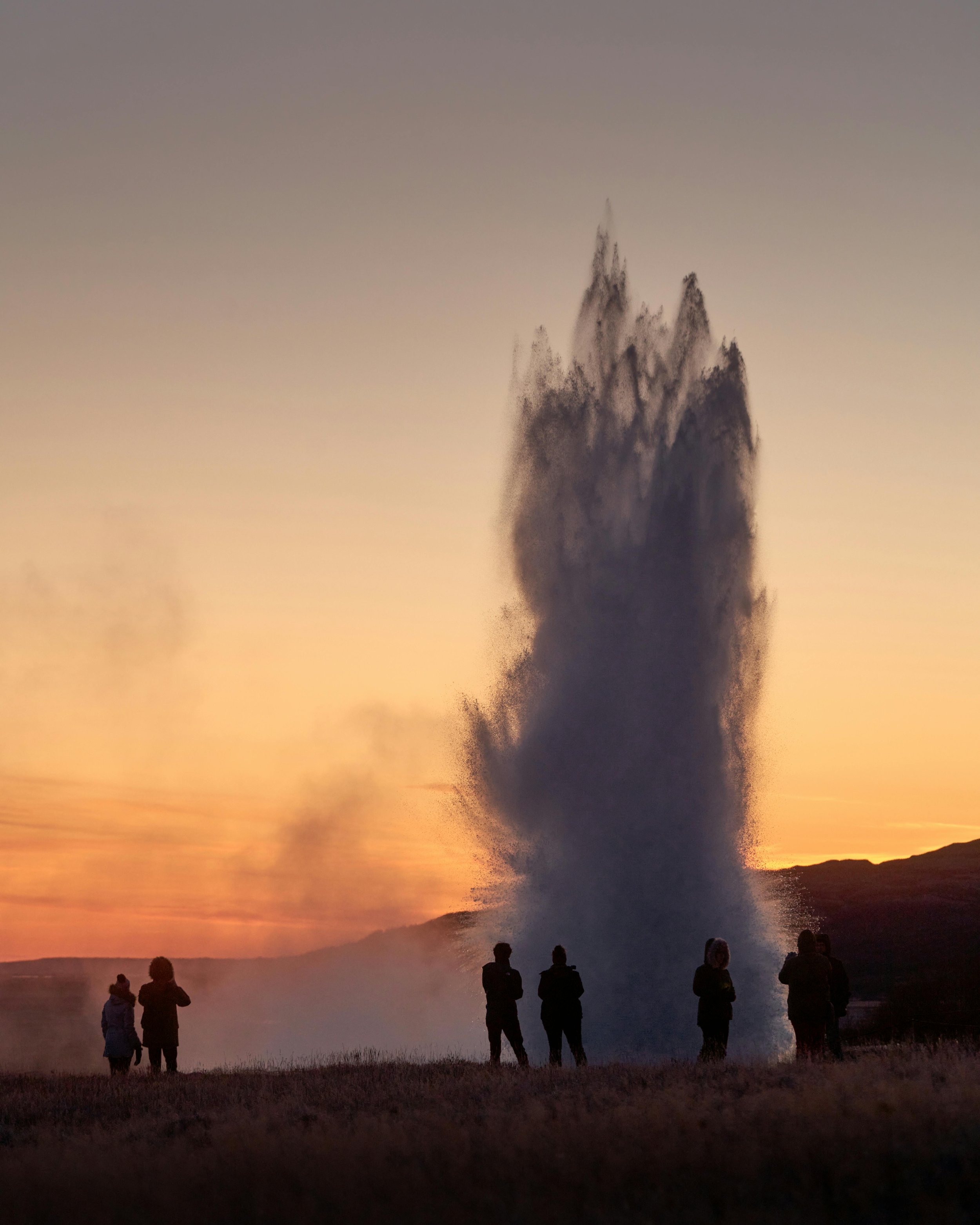
Iceland's Geothermal Paradise: Sitting Atop the Mid-Atlantic Ridge Where Continents Diverge
Iceland is located on the Mid-Atlantic Ridge, a submarine mountain chain that marks the divergence of the Eurasian and North American tectonic plates. This spreading zone creates…
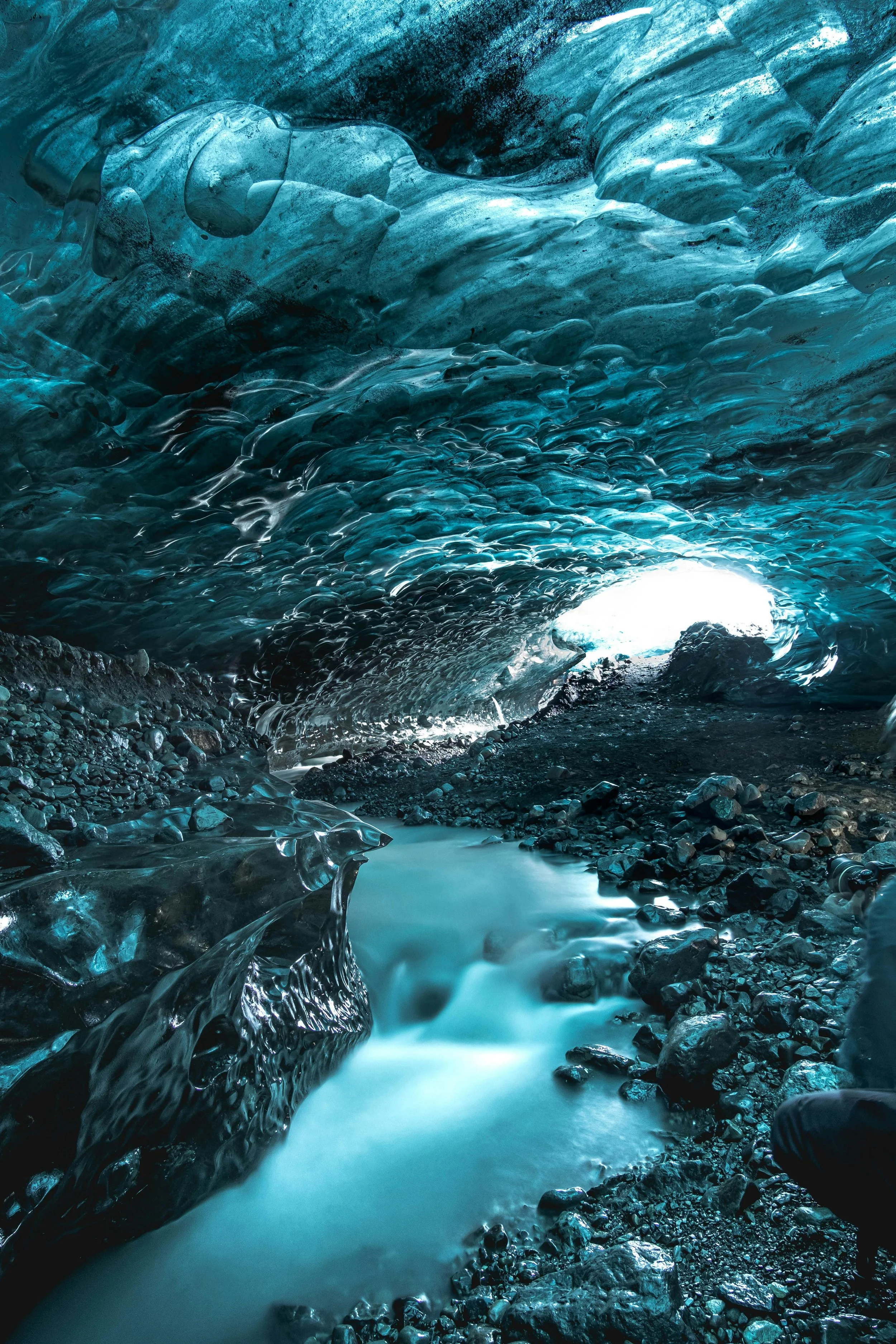
Vatnajökull Glacier: Europe's Largest Ice Cap Retreating Rapidly Due to Climate Change
Vatnajökull, sometimes known as the "Glacier of Lakes," is the largest ice cap in Iceland and the second largest in Europe, behind Novaya Zemlya's Severny Island. As of 2023, the glacier…
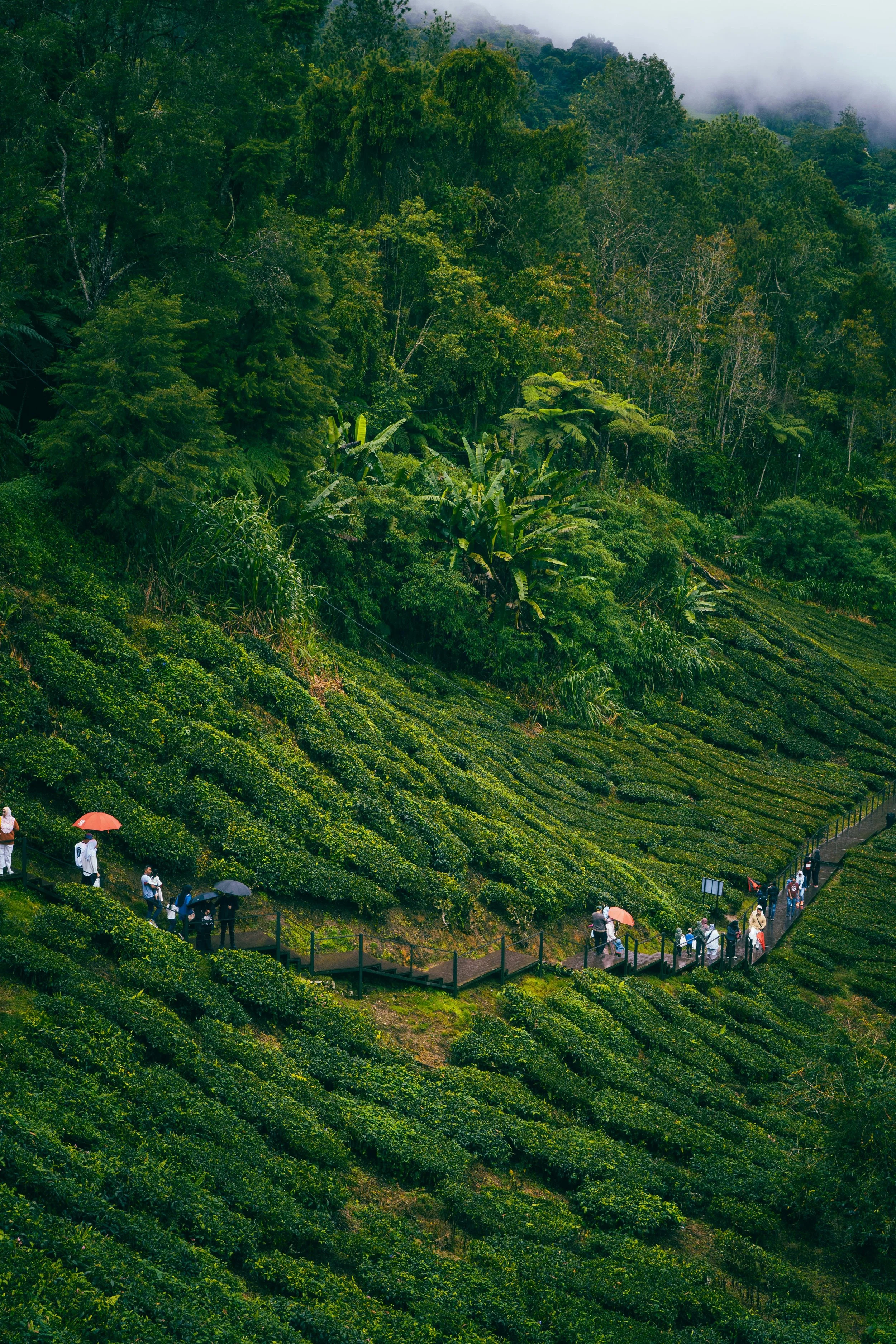
Cameron Highlands: Malaysia's Cool Mountain Retreat Where Tea Meets Clouds
The Cameron Highlands, located in west-central Peninsular Malaysia at elevations ranging from 800 to 1,603 meters (2,600 to 5,259 feet) above sea level, provide…
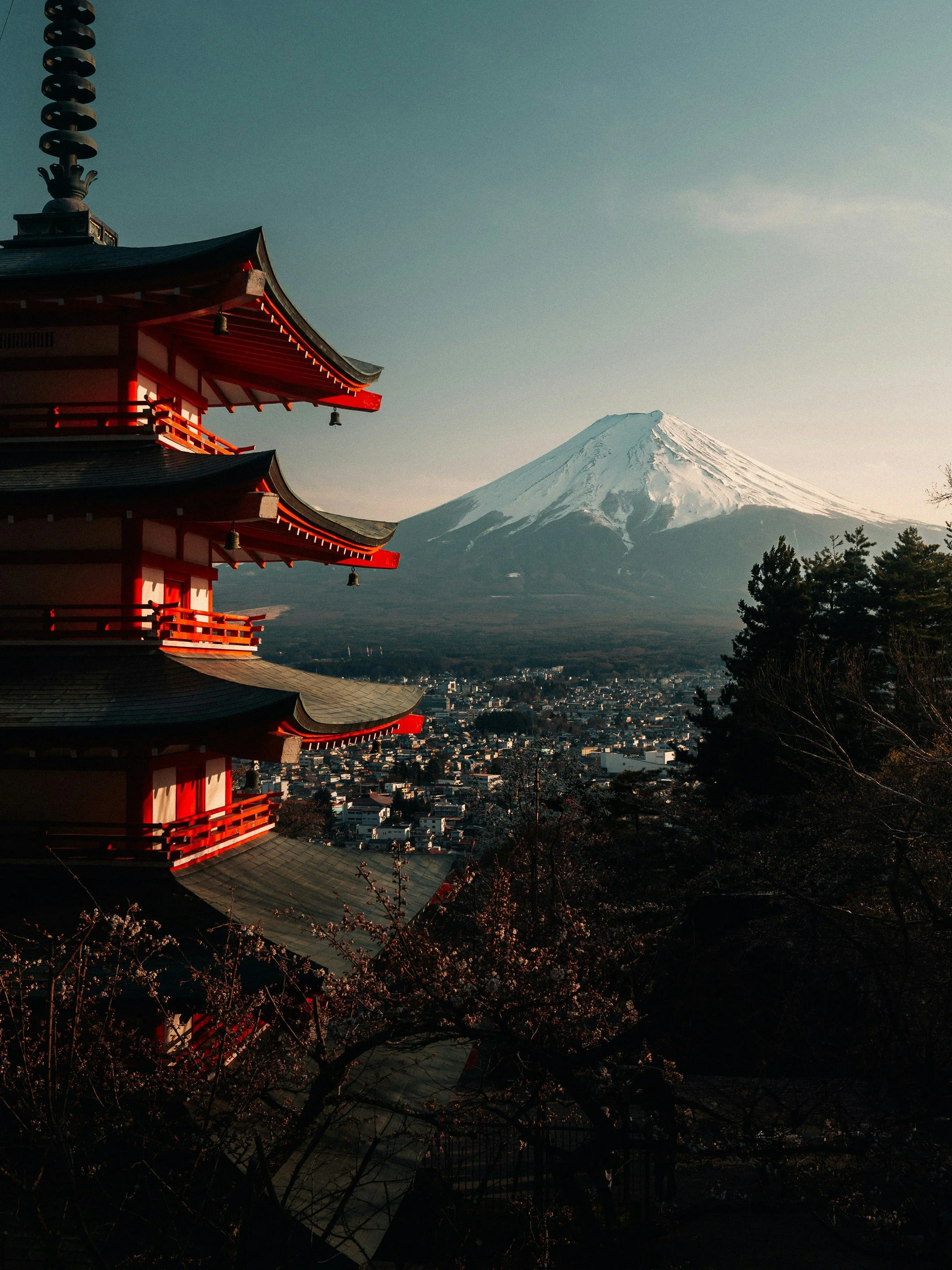
Mount Fuji: A Stratovolcano Built in Overlapping Phases
Mount Fuji is a stratovolcano, or a composite volcano formed by the accumulation of lava flows, ash, and pyroclastic materials deposited over 2.6 million years of eruptions…
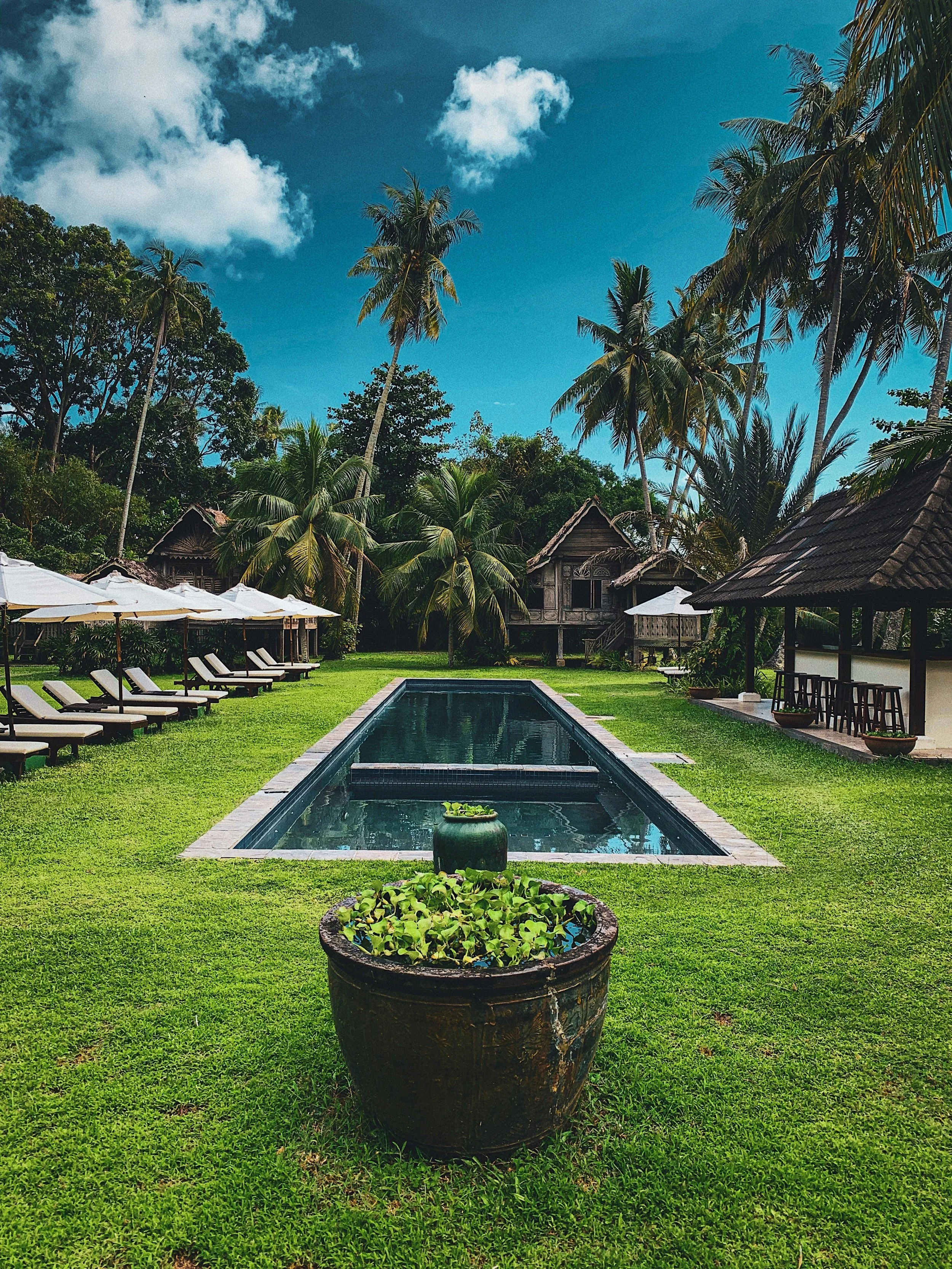
Langkawi UNESCO Geopark: Where 550-Million-Year-Old Karst Meets Mangrove Magic
Langkawi, a Malaysian archipelago of 99 islands off the northwestern coast, was designated as a UNESCO Global Geopark in 2007, making it the first in Southeast…
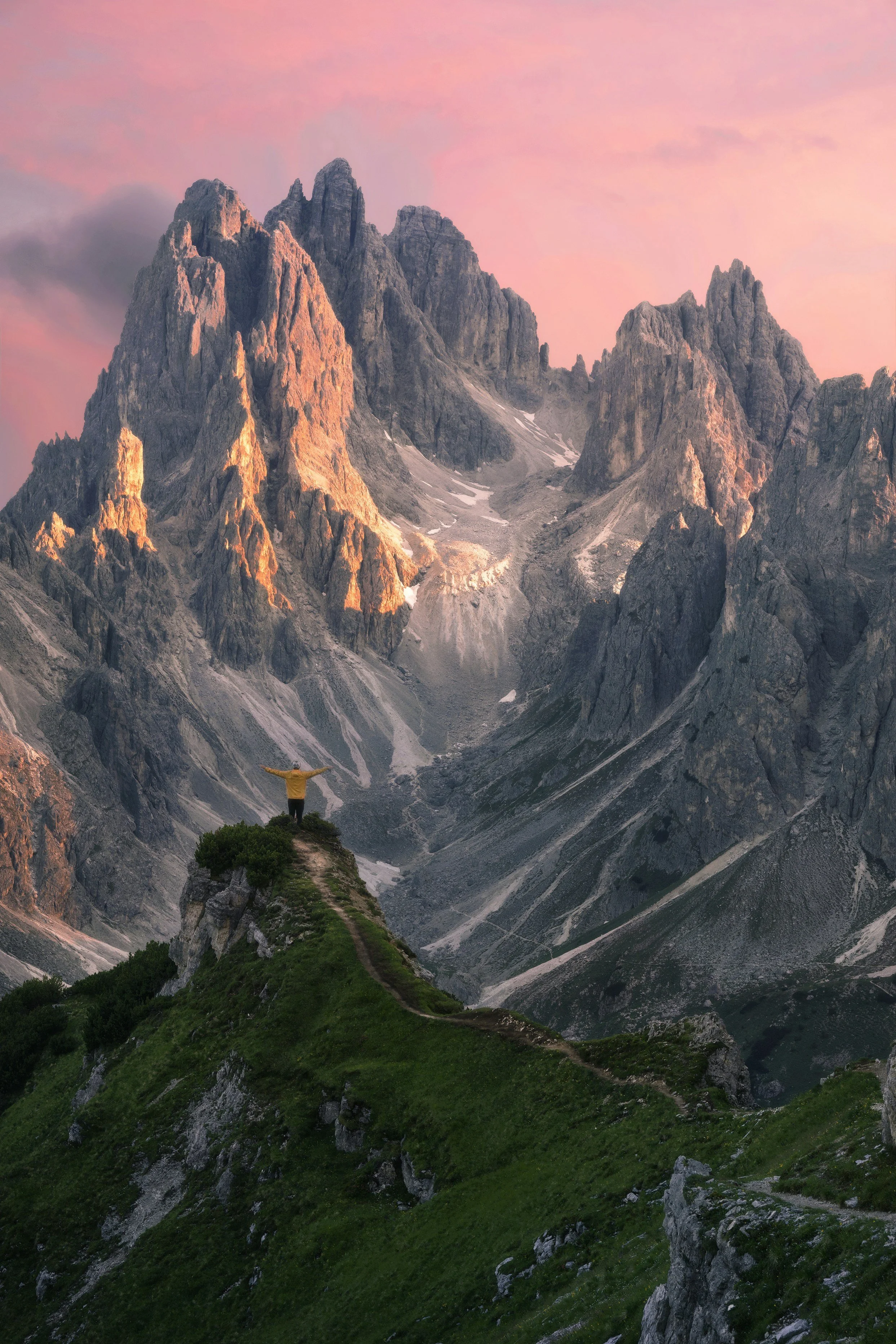
The Dolomites' Pink Alpenglow: A Geological Phenomenon Called "Enrosadira"
As dusk approaches in the Dolomites, the jagged limestone peaks explode in shades of pink, orange, and scarlet, a phenomenon known as "enrosadira"—the turning rose. This stunning…
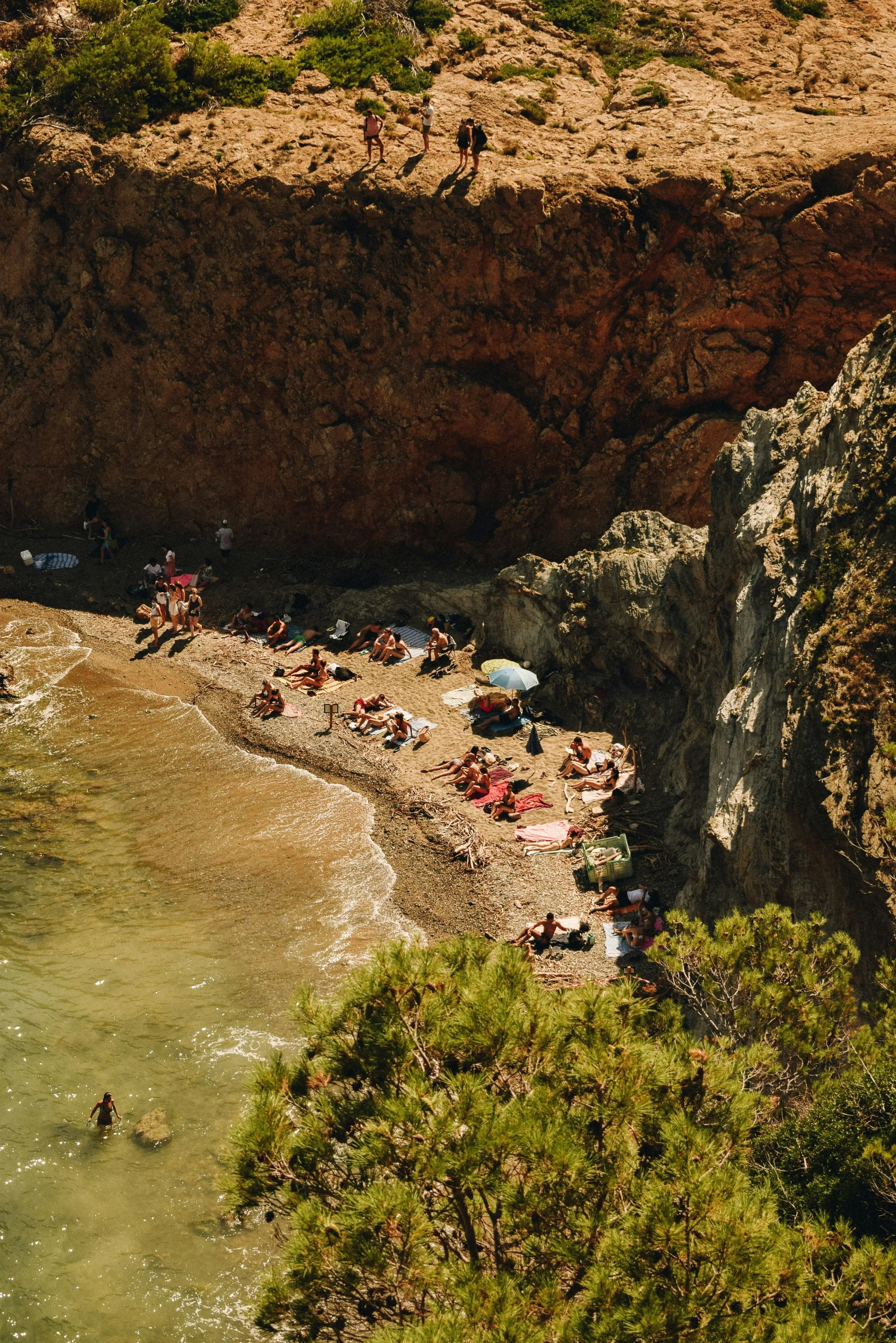
Costa Brava: The Wild Coast Where Pyrenees Meet Mediterranean
The Costa Brava, which translates as "Wild Coast" or "Rough Coast," describes Catalonia's northeastern Mediterranean beachfront, extending approximately 200 kilometres…