Portugal’s Alentejo: The Whitewashed Soul Beyond the Tourist Trail
Portugal’s Alentejo is the country’s vast, sun‑baked heartland where cork oaks, olive groves, and medieval hilltop villages unfold across plains that feel both timeless and serenely indifferent to the rush of coastal Algarve or Lisbon’s buzz. This Off the Radar guide uncovers the region’s understated drama—whitewashed hamlets perched on crags, starlit lakes, and rural rhythms that reward slow exploration over checklist ticking—without the scripted itineraries that turn places into photo ops.
Rather than mapping every minute, we cluster Alentejo into regional hubs: the fortified borderlands, the plains and wine country, the lakeside medieval outposts, and the wild Atlantic fringe where fishing hamlets cling to cliffs. Each hub offers a natural progression, insider micro‑logistics, and secrets that locals guard from the tour bus circuit.
Table of Contents
1. Flight & Accommodation Strategy
Lisbon Humberto Delgado Airport (LIS) is your most practical gateway, roughly 1.5–2 hours’ drive from central Alentejo hubs like Évora or Beja. From Lisbon, rent a car for maximum flexibility—Alentejo’s treasures are spread across rural roads where public transport thins out—or consider shuttles/buses to Évora as a base before branching out. Smaller Beja Airport serves seasonal low‑cost flights but lacks robust connections; it’s viable for direct access if your schedule aligns.
Accommodations lean toward rural turismo (agroturismo)—converted farmhouses, boutique inns, and family‑run guesthouses offering breakfasts of local cheese and bread—for an authentic immersion that feels worlds away from Lisbon’s hotels.
● Évora or Monsaraz: Central for plains and lake hubs, with a mix of historic pousadas and modern guesthouses.
● Marvão or Castelo de Vide: Hilltop retreats with panoramic views and stone houses turned into cozy lodgings.
● Vila Nova de Milfontes or Porto Covo: Coastal simplicity, from eco‑lodges to family pensions steps from the beach.
● Rural farm stays near Alqueva: Isolated bliss with pools, stargazing, and owner‑led wine tastings.
Split your stay across 2–3 hubs to avoid constant repacking; many offer self‑contained apartments ideal for longer, unrushed explorations.
2. Hub One: Border Fortresses – Marvão and Castelo de Vide
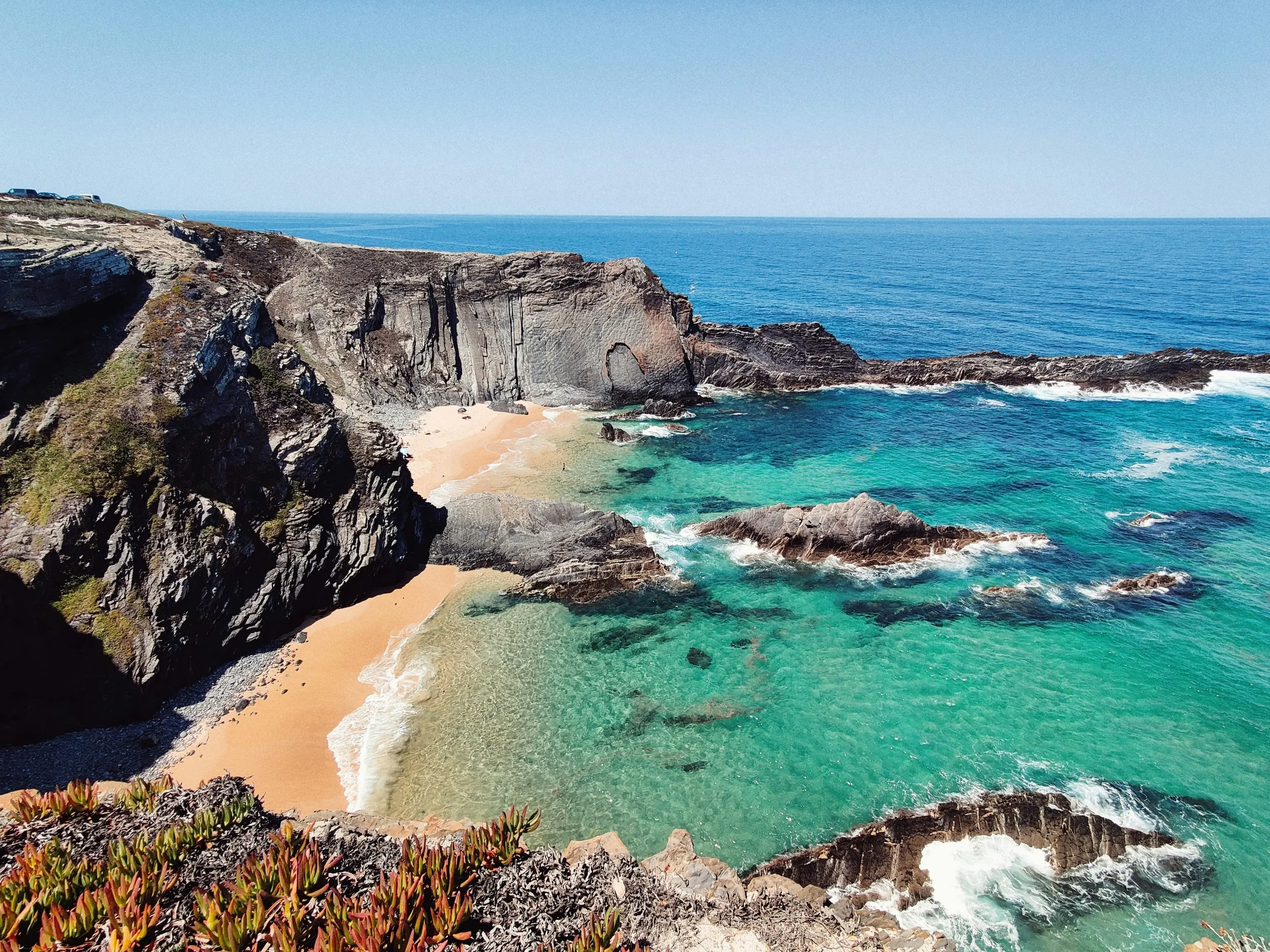
Tucked against the Spanish frontier in the Serra de São Mamede Natural Park, Marvão and Castelo de Vide are twin sentinels of Alentejo’s rugged north: granite fortresses crowning crags, oak forests cascading down slopes, and villages so intact they seem preserved in amber.
Marvão commands a dizzying perch with walls encircling whitewashed homes and a castle offering vistas across plains to Spain; nearby Castelo de Vide blends medieval castle remnants with a historic Jewish quarter and flower‑strewn lanes.
Micro‑Logistics
● Arrive Marvão via winding roads from Portalegre; park below the walls and climb in on foot.
● Spend a morning tracing the castle perimeter trails, then descend 10 km to Castelo de Vide for lunch and village wandering.
● Evening: Return to Marvão or base nearby for sunset from the battlements.
Curator’s Tip / Insider’s Secret
● Walk Marvão’s full castle circuit at dawn; the light catches the plains golden while locals sip coffee below, and you’ll spot Iberian ibex on distant cliffs—far fewer visitors than midday.
● In Castelo de Vide, seek the old synagogue (now a museum) and adjacent streets where pomegranate trees overhang faded blue doors; it’s one of Portugal’s best‑preserved Sephardic quarters, quiet even in summer.
3. Hub Two: Plains and Wine – Évora and Estremoz
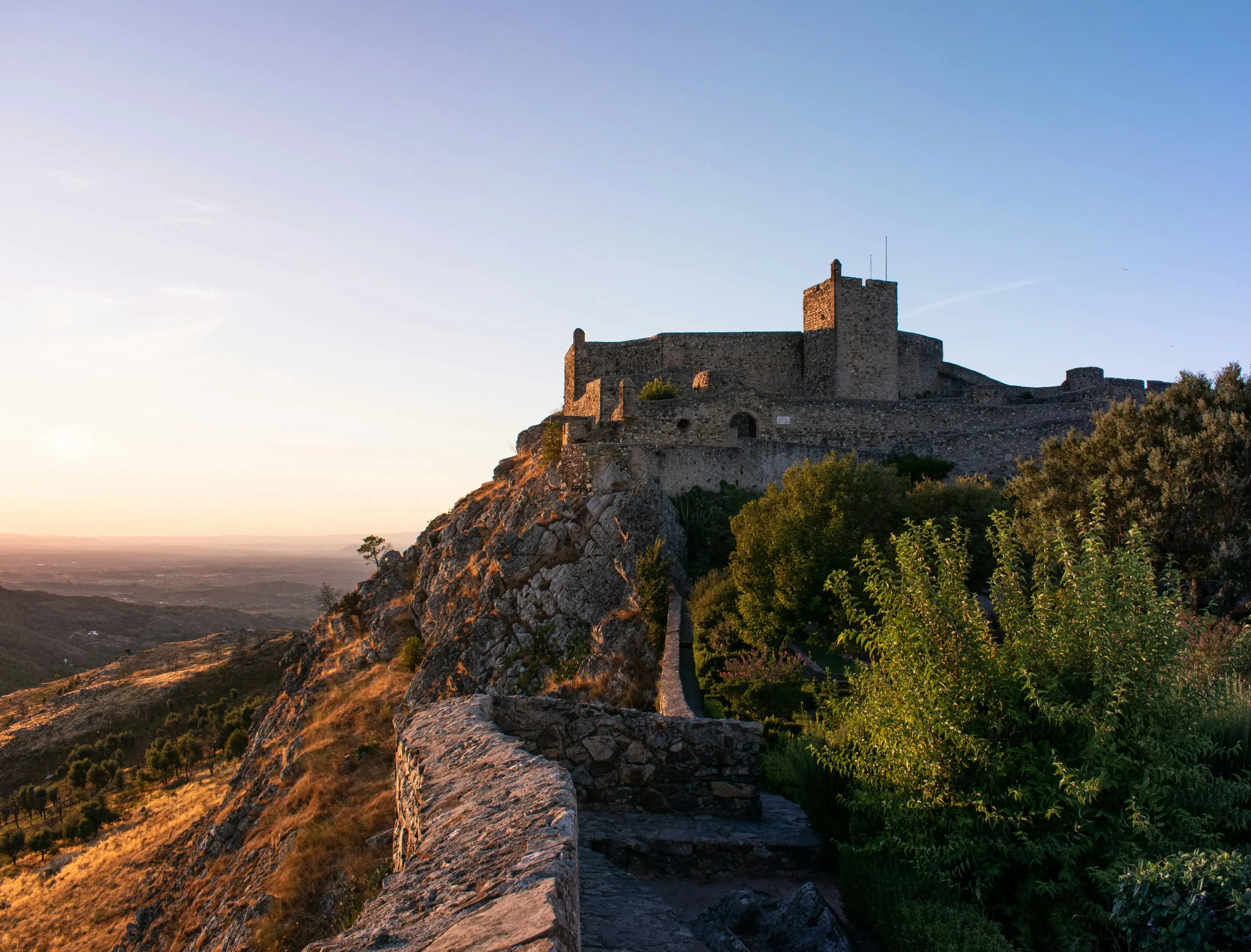
The Alentejo plains unfurl around Évora, a UNESCO gem with a Roman temple, bone chapel, and Gothic cathedral woven into living streets, while Estremoz adds marble‑quarried palaces and a vast marble market to the mix.
Évora’s compact historic core clusters Roman aqueduct, Moorish walls, and the eerie Capela dos Ossos (bone chapel); 30 km north, Estremoz’s white castle gleams atop marble hills.
Micro‑Logistics
● Base in Évora; explore its core on foot, then drive 30–40 minutes to Estremoz for a morning market or castle visit.
● Loop back via rural roads, stopping at cork farms or olive groves for impromptu tastings.
Curator’s Tip / Insider’s Secret
● Visit Évora’s Capela dos Ossos on a weekday morning; the arrangement of 5,000 skeletons feels more contemplative without flash photography crowds, and you can linger on the inscriptions’ quiet morbidity.
● In Estremoz, time your trip for the Saturday marble market; beyond souvenirs, watch artisans shape raw slabs into sinks and tables—it’s raw Alentejo craftsmanship up close.
4. Hub Three: Lakes and Legends – Monsaraz and Alqueva
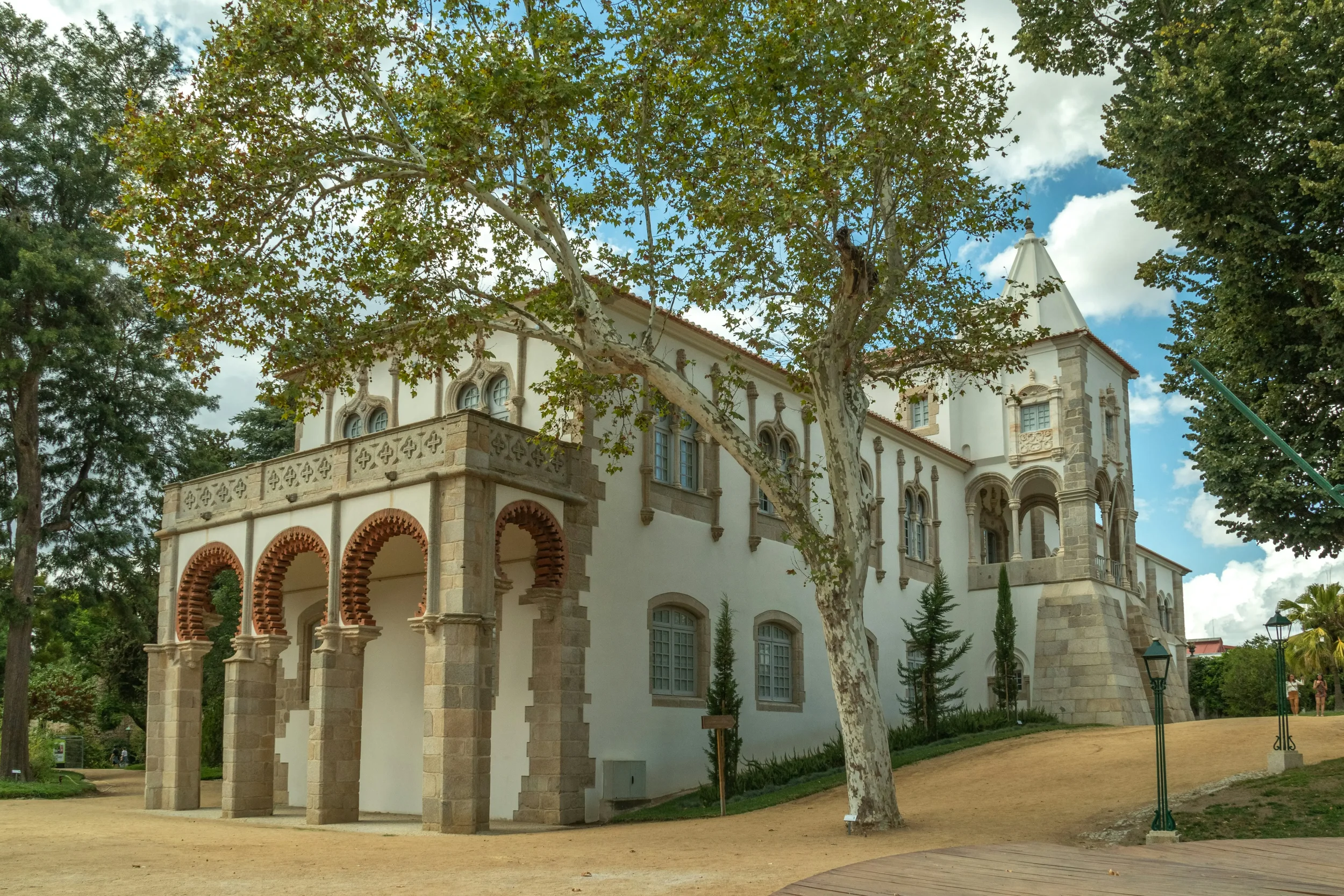
Perched above Europe’s largest artificial lake (Alqueva), Monsaraz is a time capsule of schist walls, megalithic echoes, and sunsets that paint the water gold, with dark‑sky stargazing as a nightly bonus.
The village’s granite plaza and castle overlook vineyards and olive groves; nearby trails trace megalithic sites predating the Romans.
Micro‑Logistics
● Drive from Évora (45 minutes); park outside walls and roam on foot.
● Afternoon: Kayak or boat on Alqueva, evening: Stargaze from castle terrace.
Curator’s Tip / Insider’s Secret
● Climb Monsaraz castle at dusk for 360° views as the lake mirrors the sky; it’s one of Europe’s first UNESCO dark‑sky reserves, so bring binoculars for Milky Way clarity on clear nights.
● Hike the short trail to Cromlech of Almendres (20 minutes away); this 7,000‑year‑old stone circle rivals Stonehenge in age but draws almost no crowds—visit at solstice for subtle alignments.
5. Hub Four: Wild Atlantic Fringe – Vila Nova de Milfontes and Porto Covo
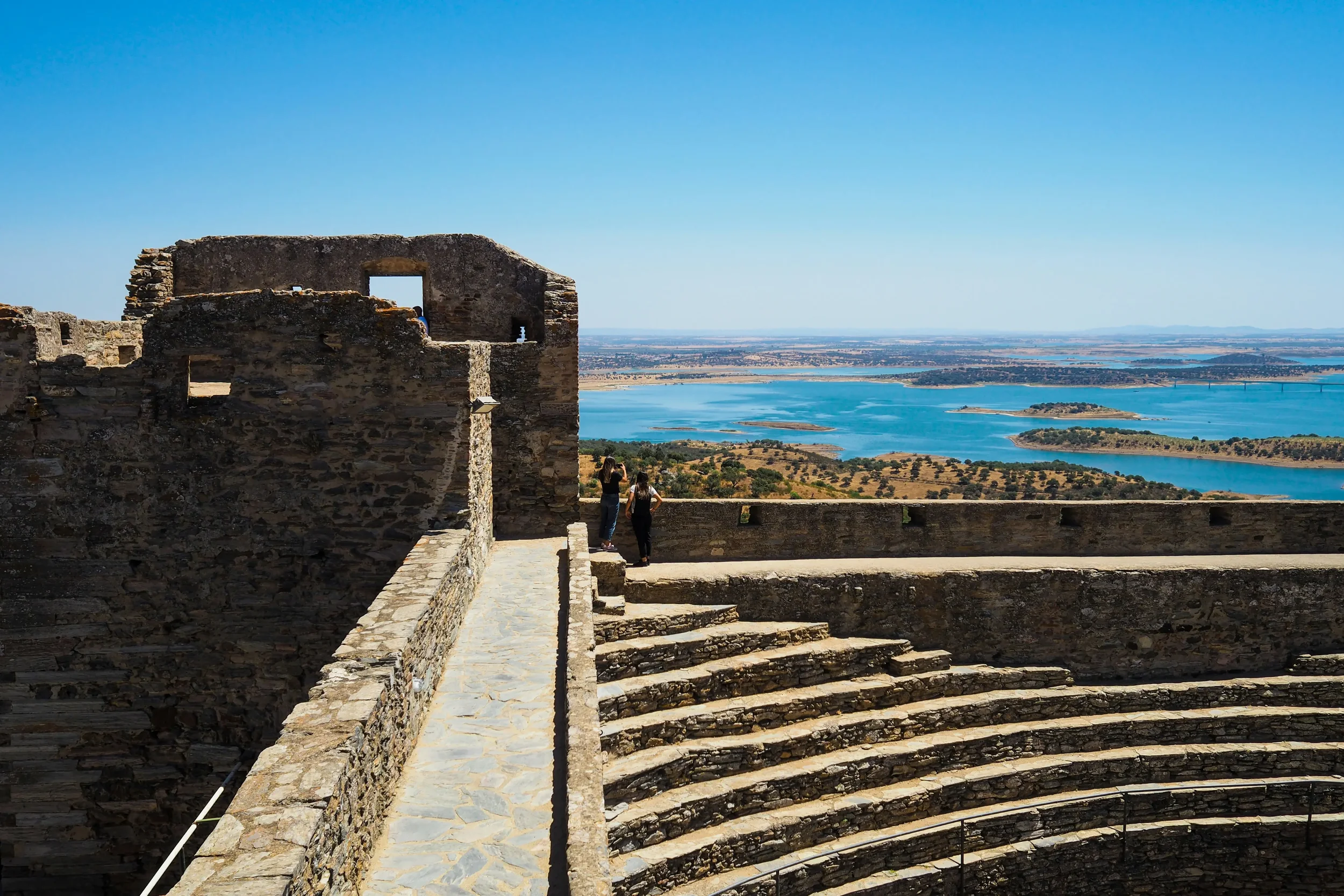
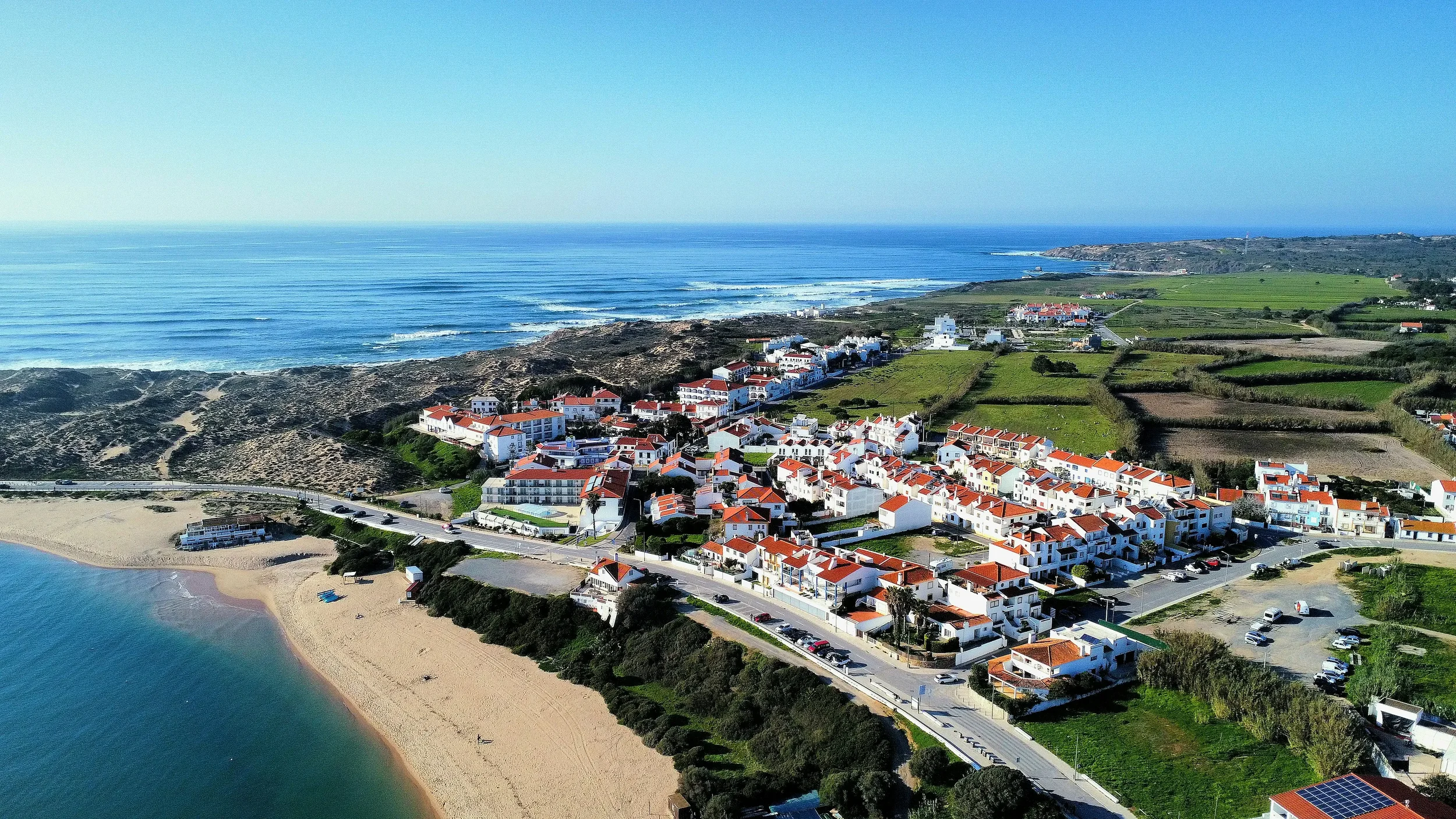
Alentejo’s southwest coast trades plains for rugged cliffs and empty beaches at Vila Nova de Milfontes (river‑mouth fishing village) and Porto Covo (white houses tumbling to the sea).
Milfontes blends estuary beaches with seafood tavernas; Porto Covo offers clifftop walks to hidden coves.
Micro‑Logistics
● From Monsaraz (90 minutes drive); beach in Milfontes morning, hike Porto Covo cliffs afternoon.
● Evening: Seafood dinner overlooking the Atlantic.
Curator’s Tip / Insider’s Secret
● In Porto Covo, follow the clifftop PR1 trail to Praia do Somouque (empty even in summer); the path reveals sea arches and dolphins if timed right at dawn.
● At Milfontes, eat at family taverns near the river mouth before 8 p.m.; fresh percebes (goose barnacles) or cataplana stews arrive straight from boats, without tourist markups.
6. The Culinary Soul of Alentejo
Alentejo cuisine celebrates slow abundance: pork from black Iberico pigs, game stews, cheeses, and wines from sun‑soaked grapes, often shared family‑style in taverns where “prato do dia” (dish of the day) delivers full meals for €10–14.
Rituals to Embrace
● Taverna lunches: Seek inland “prato do dia” with soup, main (porco preto or açorda bread stew), dessert, and wine—locals eat here midday, avoiding coastal surcharges.
● Cheese and charcuterie picnics: Buy at rural markets (e.g., Estremoz); pair Nisa cheese and presunto ham with Alentejo reds for trailside feasts.
● Açorda evenings: Bread‑thickened soups or stews in village inns; ask for “do dia” versions using seasonal wild greens or game.
7. Essential Wisdom / Survival Guide
When to Go
Spring (April–June) blooms wildflowers across plains and parks; autumn (September–October) brings harvest festivals and mild weather for hiking. Summer suits beaches but scorches inland; winter offers solitude and low prices but cooler coasts.
Driving and Roads
Rural lanes are narrow and winding; rent a small car, drive defensively (sheep cross freely), and fill up in towns as stations thin out.
Local Habits
Greetings (“bom dia”) open doors; tipping is minimal (round up bills), and rural shops close midday for siesta—plan around this rhythm. Safety is high, but lock cars in remote parking and watch for pickpockets in Évora markets
8. The Budget Guide
Alentejo delivers Portugal’s best value for off‑radar immersion: inland plains and villages stay affordable year‑round, while coastal spots like Milfontes nudge up 20–30% in summer. Daily ranges below assume a car rental (essential for hubs), shared costs where applicable, and 2025–2026 pricing trends (inflation ~3–5% YoY). Adjust +15–25% for peak July–August.
The Backpacker (Budget) – €50–80/day per person
● Accommodation: €20–30/night (basic hostels or guesthouses in Évora/Milfontes €15–25 dorms; rural farm campsites €10–15 in shoulder season).
● Food & Drink: €15–25/day (supermarket picnics €5–8/meal, prato do dia lunches €10–12, evening snacks from markets like cheese, bread, olives €3–5).
● Transport: €15–25/day (shared compact car rental €30–40/day split by 2, fuel €10–15 for 100–150 km, no parking fees in villages).
● Activities: €5–10/day (free castle walks, beaches; 1–2 low‑cost wine tastings €5–8/person self‑guided).
● Misc (SIM, tips): €5/day (data SIM €2–3/day, rounding up bills minimal tipping culture).
Total for 5 days: €250–400/person. Pro: Maximum freedom. Con: Basic comforts, early starts for free parking.
The Cultural Explorer (Mid‑Range) – €90–140/day per person
● Accommodation: €40–70/night (rural guesthouses or boutique inns €50–80 doubles split, Évora/Monsaraz farm stays with breakfast €40–60).
● Food & Drink: €25–40/day (café breakfast €5–7, taverna lunches/dinners €12–20 porco preto, açorda, 1–2 local wines €3–5/glass).
● Transport: €20–30/day (shared mid‑size car €45–60/day split, fuel €15–20, occasional tolls €2–5).
● Activities: €20–40/day (2 wine tastings €10–20/person, Monsaraz kayaking €25, castle entries €3–5).
● Misc: €5–10/day (eSIM €3, small tips, laundry €5/week).
Total for 5 days: €450–700/person. Pro: Authentic without excess. Con: Book tastings ahead in harvest season.
The Imperial Experience (Luxury) – €200–350+/day per person
● Accommodation: €120–250/night (pousadas or luxury farm estates €150–300 e.g., Évora’s Convento do Espinheiro, private villas with pools €200+).
● Food & Drink: €50–80/day (tasting menus €40–60, premium Alentejo wines €10+/glass, chef dinners at estates).
● Transport: €40–80/day (premium SUV €70–100/day or private driver €200+/day, fuel €20).
● Activities: €50–100+/day (private wine tours €80–150/group, hot air balloon over plains €200/person, spa €50+).
● Misc: €10–20/day (premium SIM, generous tips, incidentals).
Total for 5 days: €1,000–1,750+/person. Pro: Seamless exclusivity. Con: Advance bookings essential.
