Rome Beneath the Postcards: An Immersive Guide to the Eternal City
Rome isn’t just a collage of the Colosseum, the Vatican, and a tossed coin in Trevi Fountain; it’s a layered organism where two thousand years of power, faith, and everyday life still grind against each other in the streets. This Urban Deep Dive treats Rome as a series of living “hubs” rather than a rigid day‑by‑day checklist, so you can explore at your own pace while minimizing backtracking and maximizing atmosphere.
Instead of “Day 1, Day 2…”, you’ll navigate Rome by coherent zones: the ancient core, the Vatican power axis, the Baroque heart, and the lived-in neighborhoods where Romans actually spend their evenings. Within each hub, you’ll find a suggested flow, micro‑logistics, and curator‑level tips that help you experience the city like an informed insider—not just a spectator.
Table of Contents
1. Flight & Accommodation Strategy
Rome has two main airports: Fiumicino (FCO), the primary international hub about 30 km from the center, and Ciampino (CIA), used mainly by low‑cost carriers. From Fiumicino, the fastest public option is the non‑stop Leonardo Express train to Termini Station (about 32 minutes, higher price), while airport buses and local trains offer slower but cheaper rides; taxis and private transfers are door‑to‑door and take roughly 30–40 minutes in normal traffic.
For an Urban Deep Dive, think in terms of neighborhood bases rather than a single “perfect” area:
● Centro Storico (Pantheon / Piazza Navona / Campo de’ Fiori): Walkable to most Baroque icons; ideal if you want to step out of your door straight into postcard Rome.
● Monti: A village‑like quarter just uphill from the Colosseum and Forum—great for café culture and nightlife within walking distance of the ancient core.
● Trastevere: Across the Tiber, with cobbled lanes, trattorias, and bars; perfect if evenings matter as much as daytime sightseeing.
● Prati: Residential, orderly, and close to the Vatican—good for early Vatican entries, slightly quieter at night.
● Testaccio / Ostiense: Less polished but more local, with strong food scenes and easier access to contemporary Rome.
If you plan to focus heavily on the Colosseum + Forum and Vatican + Baroque core, splitting your stay—first nights near Termini/Monti, later nights in Prati or Trastevere—can cut down transit time and give you two very different daily rhythms.
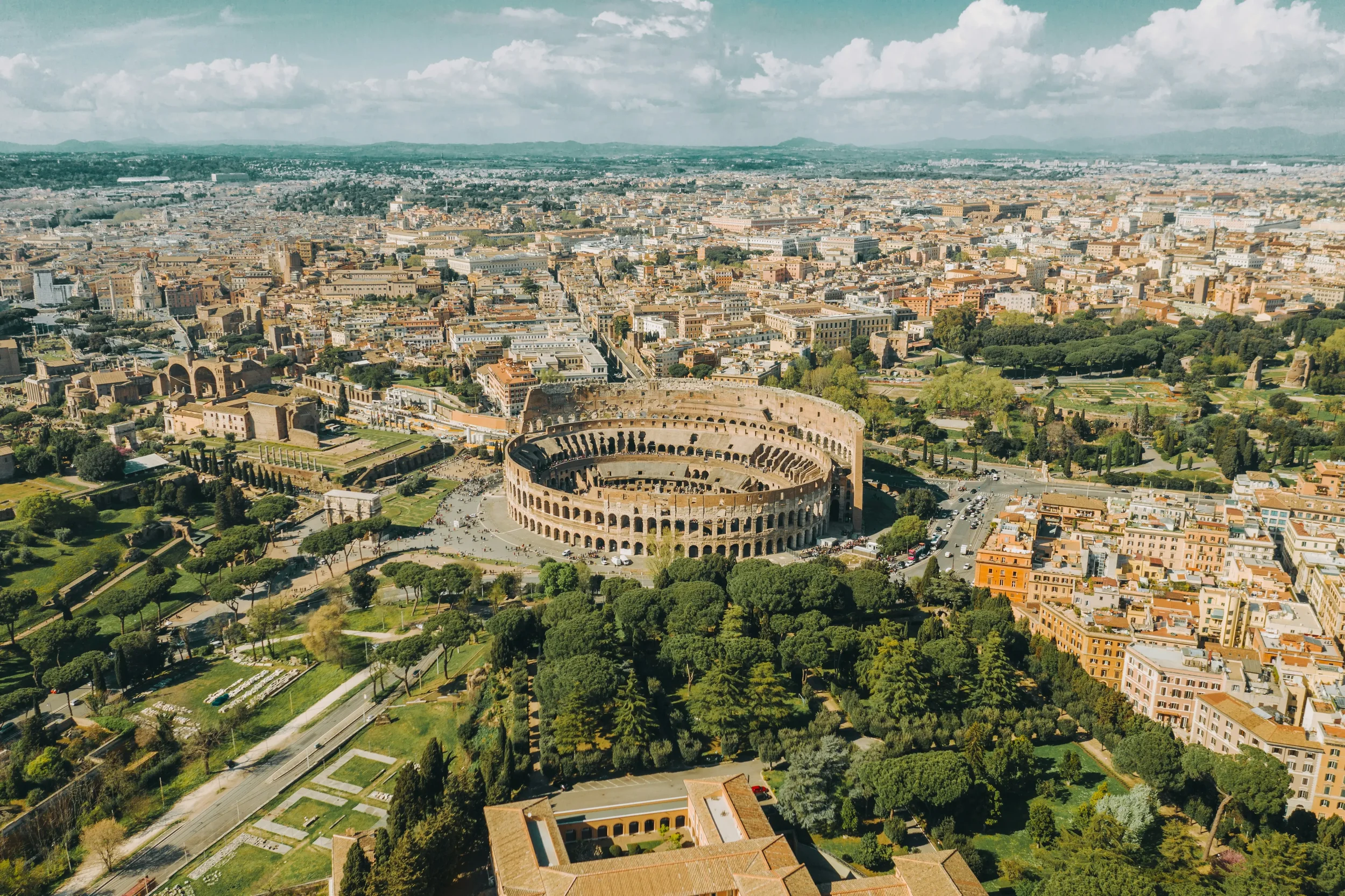
2. Hub One: The Ancient Core – Colosseum, Forum & Capitoline
This hub concentrates the raw skeleton of imperial power: Colosseum, Roman Forum, Palatine Hill, and the Capitoline Hill museums and viewpoints.
Start at the Colosseum, Rome’s most visited monument and a symbol of the city itself; combined tickets usually include access to the Forum and Palatine Hill. From the Colosseum’s exit, you’re literally a few minutes’ walk along Via dei Fori Imperiali from the entrances to the Roman Forum and Palatine Hill, where you can trace the evolution from early huts on the Palatine to marble imperial palaces.
Micro‑Logistics
● Morning: Colosseum (pre‑book a timed ticket), then walk directly into the Forum + Palatine complex using the same ticket.
● Midday: Exit toward Via dei Fori Imperiali, climb the Capitoline Hill for its museums or at least the terrace overlooking the Forum.
● Late afternoon: Drift downhill toward Piazza Venezia and the soaring white Altare della Patria monument, then decide whether to continue on foot into the Baroque heart or loop back by bus/metro.
Curator’s Tip / Insider’s Secret
● Aim for the earliest Colosseum slot (around opening time) to avoid midday tour bus crowds and the hottest hours in warmer months.
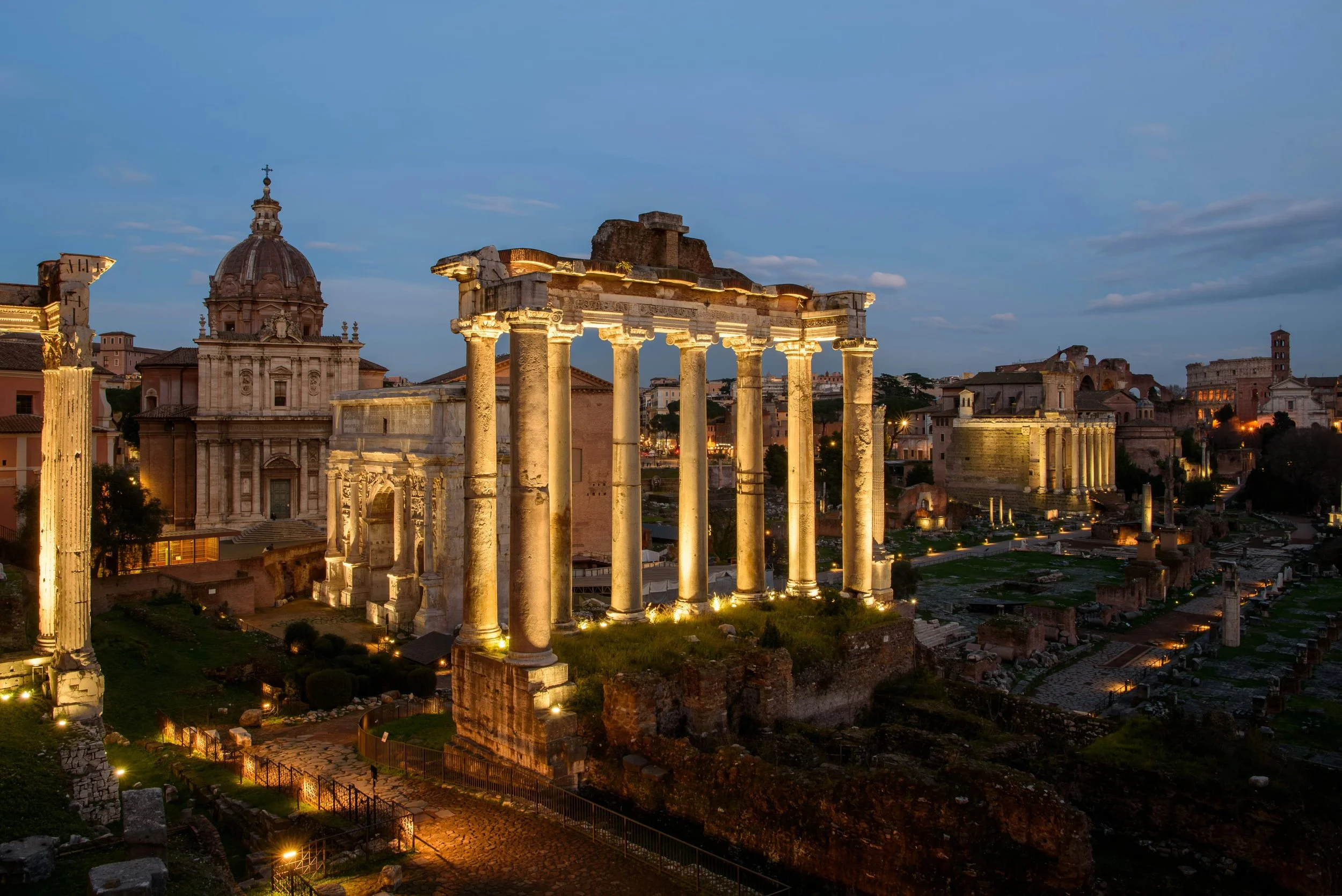
● Many travelers race through the Forum; instead, pick three anchors: the Temple of Saturn, the House of the Vestal Virgins, and the Arch of Septimius Severus, and give yourself time to imagine how this was once the political Twitter feed of the empire—spoken, shouted, and carved in stone.
● For a free, evocative view, walk up to the Capitoline terrace behind the museums around golden hour; you’ll see the Forum from above without another ticket.
3. Hub Two: Sacred Power – Vatican City & Borgo
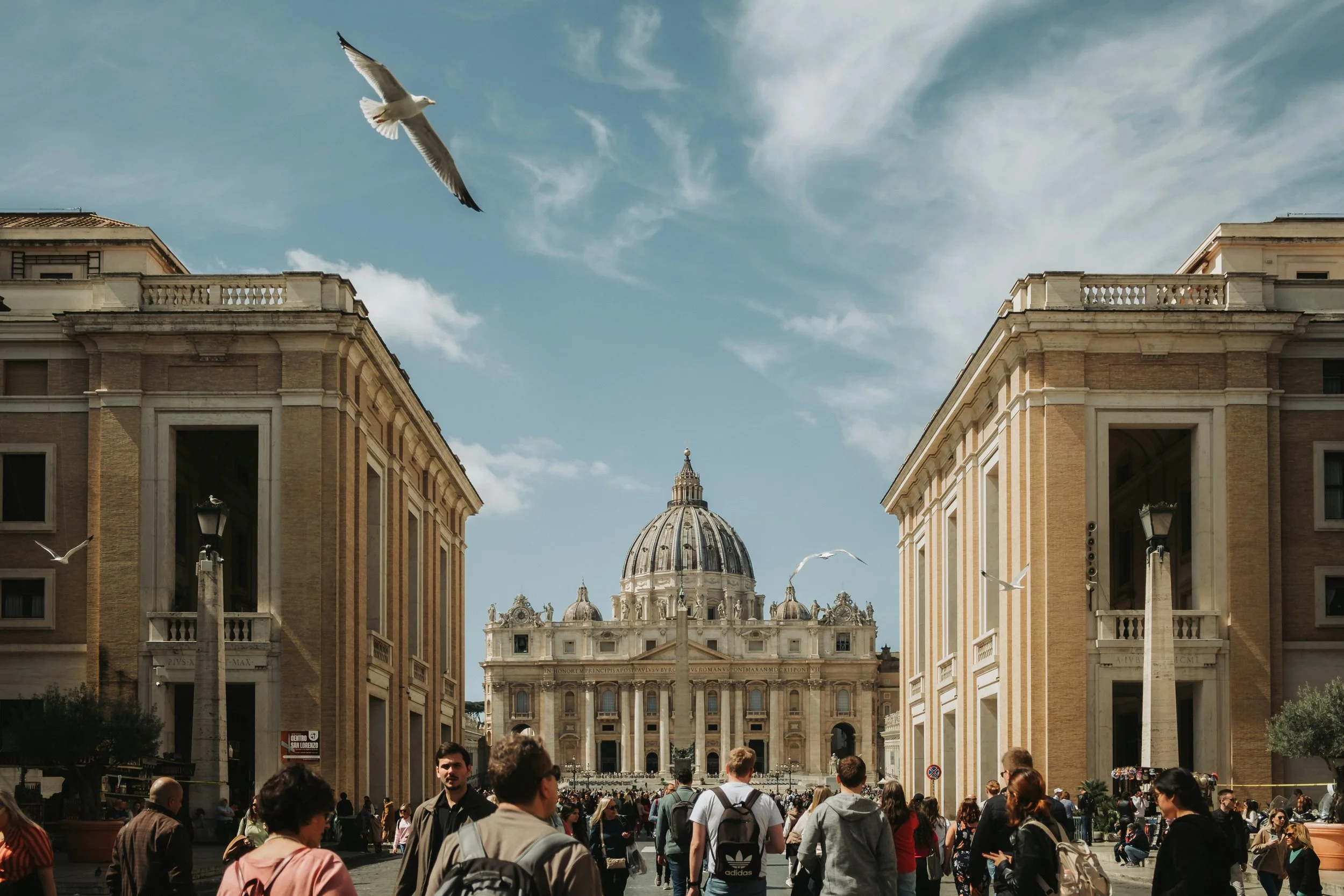
The Vatican is both a sovereign micro‑state and the spiritual center of global Catholicism, but it’s also an intense logistical knot: queues, security, and time slots can make or break your experience.
Anchor this hub around two monumental experiences: the Vatican Museums + Sistine Chapel, and St. Peter’s Basilica (with the option to climb the dome). The museums hold mile after mile of art culminating in Michelangelo’s Sistine Chapel ceiling, while the basilica itself is arguably the grandest church on earth.
Micro‑Logistics
● Morning: Pre‑book a Vatican Museums ticket for an early entry slot; allow at least 3–4 hours if you want more than a rushed corridor march.
● Midday: Exit toward St. Peter’s Square, pause to absorb Bernini’s colonnades, then join the basilica security line (free entry but security can add 30–45 minutes by late morning).
● After the basilica, choose: climb the dome for a bird’s‑eye view of Rome, or wander the adjacent Borgo and Prati neighborhoods for a slower lunch away from the most obvious tourist traps.
Curator’s Tip / Insider’s Secret
● Book the earliest possible museum slot or an after‑hours/extended‑hours visit; crowd density and noise change the emotional impact of the Sistine Chapel dramatically.
● If you’re comfortable with stairs and confined spaces, climb St. Peter’s dome later in the afternoon, when the light slants across the city and coach groups have thinned; even the staircase—spiraling between inner and outer domes—tells you as much about Renaissance engineering as any text panel.
● For a less frantic lunch, walk 10–15 minutes into Prati and look for places filled with office workers rather than souvenir bags.
4. Hub Three: The Baroque Heart – Trevi, Spanish Steps, Pantheon & Piazza Navona
This is the Rome of coffee‑table books: fountains, churches, and piazzas designed to impress, seduce, and control crowds long before Instagram existed. It’s also compact enough that, walked in the right order, it feels like a single continuous theater set.
Micro‑Logistics
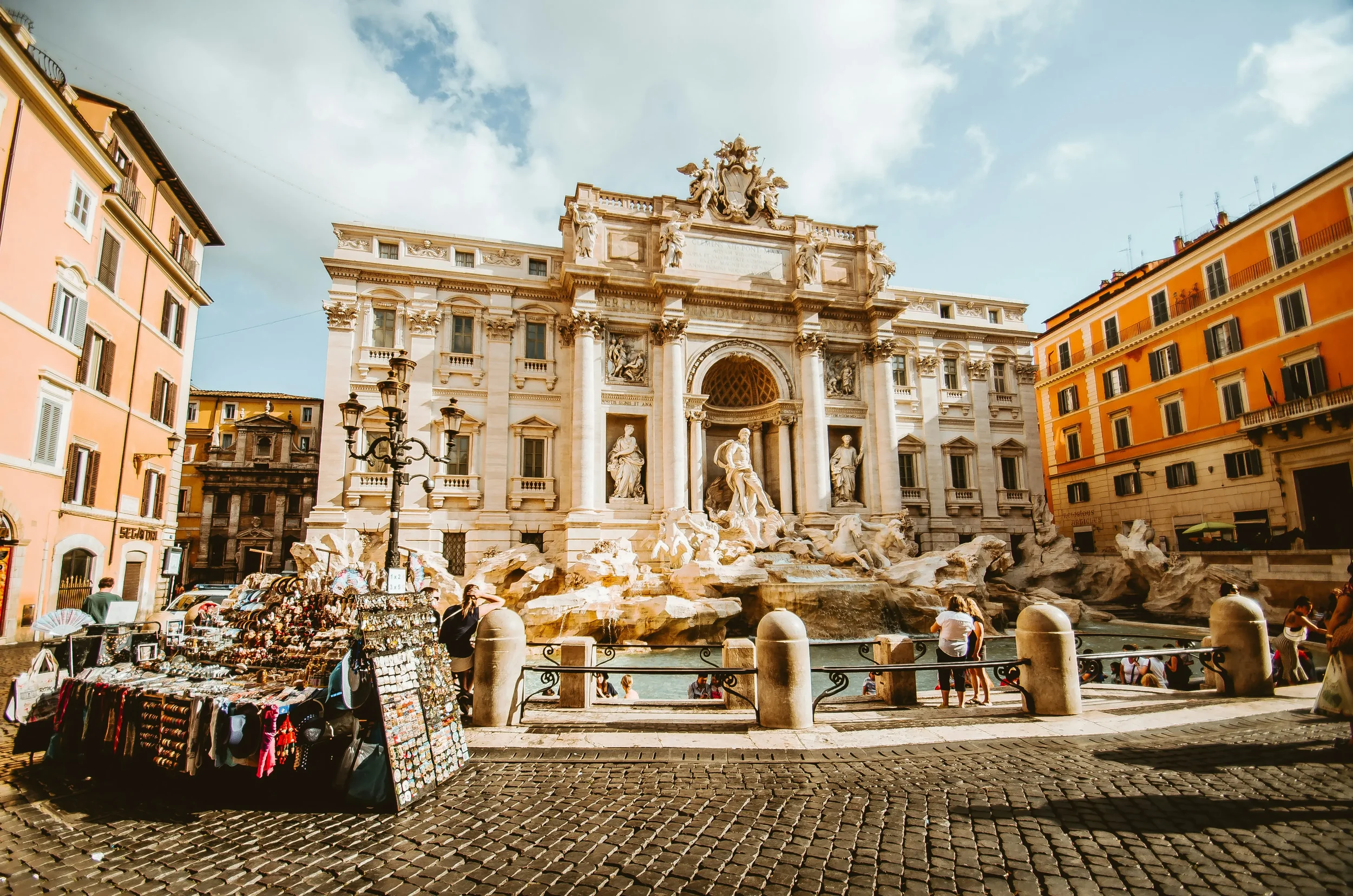
● Start at Trevi Fountain early—think pre‑9 a.m.—to see the cascades and carvings before the crush of midday selfies.
● From Trevi, it’s a 10–12 minute walk to Piazza di Spagna and the Spanish Steps; climb slowly, then slip into the side streets toward Via Margutta or Via del Babuino to escape the retail chaos.
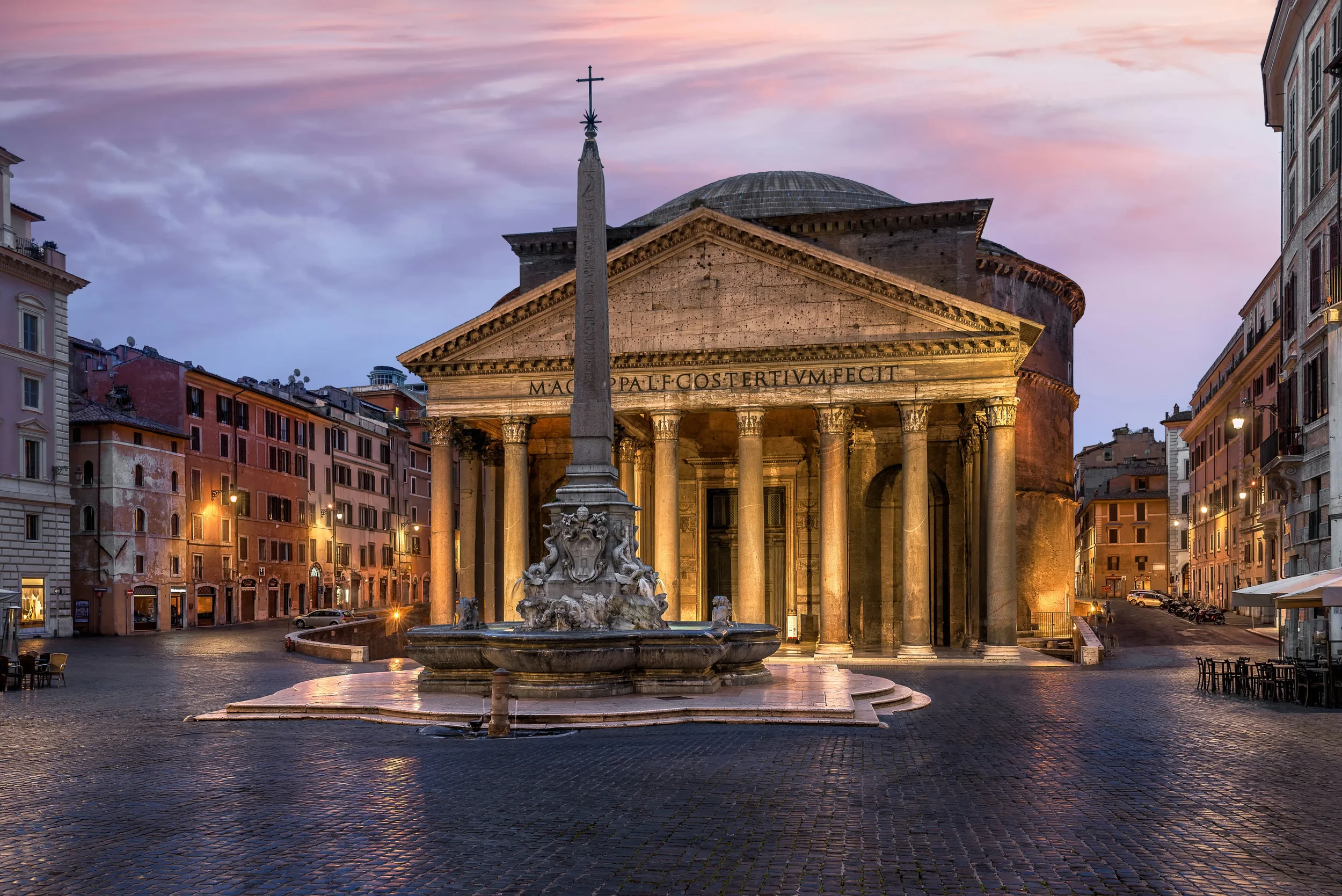
● Angle southwest toward the Pantheon, arguably the most perfect building in the city, then continue on to Piazza Navona, Rome’s grand Baroque salon with its fountains and street artists.
● Finish at or near Campo de’ Fiori for aperitivo, or cross the river to Trastevere for dinner.
Curator’s Tip / Insider’s Secret
● At the Pantheon, step just inside the entrance and look for the shift from tourist noise to near‑silence; the acoustics of the dome swallow sound differently depending on where you stand.
● Piazza Navona is about spectacle; for a quieter but equally cinematic square, detour to Piazza di Pietra, where an ancient temple facade is fused into a modern building.
● Return to Trevi late at night (after 11 p.m.) if you can; the lighting and relative quiet give you a second, more intimate reading of the same space.
5. Hub Four: Trastevere Nights & Janiculum Views
Across the Tiber, Trastevere mixes medieval lanes, street‑level shrines, trattorias, bars, and laundry‑strung balconies in a way that feels more lived‑in than the marble heart of the city. Up above it all, the Janiculum (Gianicolo) Hill offers one of Rome’s classic skyline panoramas.
Micro‑Logistics
● Late afternoon: Cross one of the pedestrian‑friendly bridges (Ponte Sisto is atmospheric) into Trastevere and wander toward Santa Maria in Trastevere, one of Rome’s oldest churches with luminous mosaics.
● Early evening: Meander the backstreets between Santa Maria and Viale Trastevere, ducking into enotecas or cicchetti‑style bars.
● Just before sunset, either hike or bus/taxi up to the Janiculum terrace for a wide‑angle view of domes and rooftops; then drift back down for dinner.
Curator’s Tip / Insider’s Secret
● Trastevere can feel like a theme park on summer weekends; if possible, visit on a weeknight or aim for shoulder season months (April–May, September–October) when the balance of locals to visitors is more forgiving.
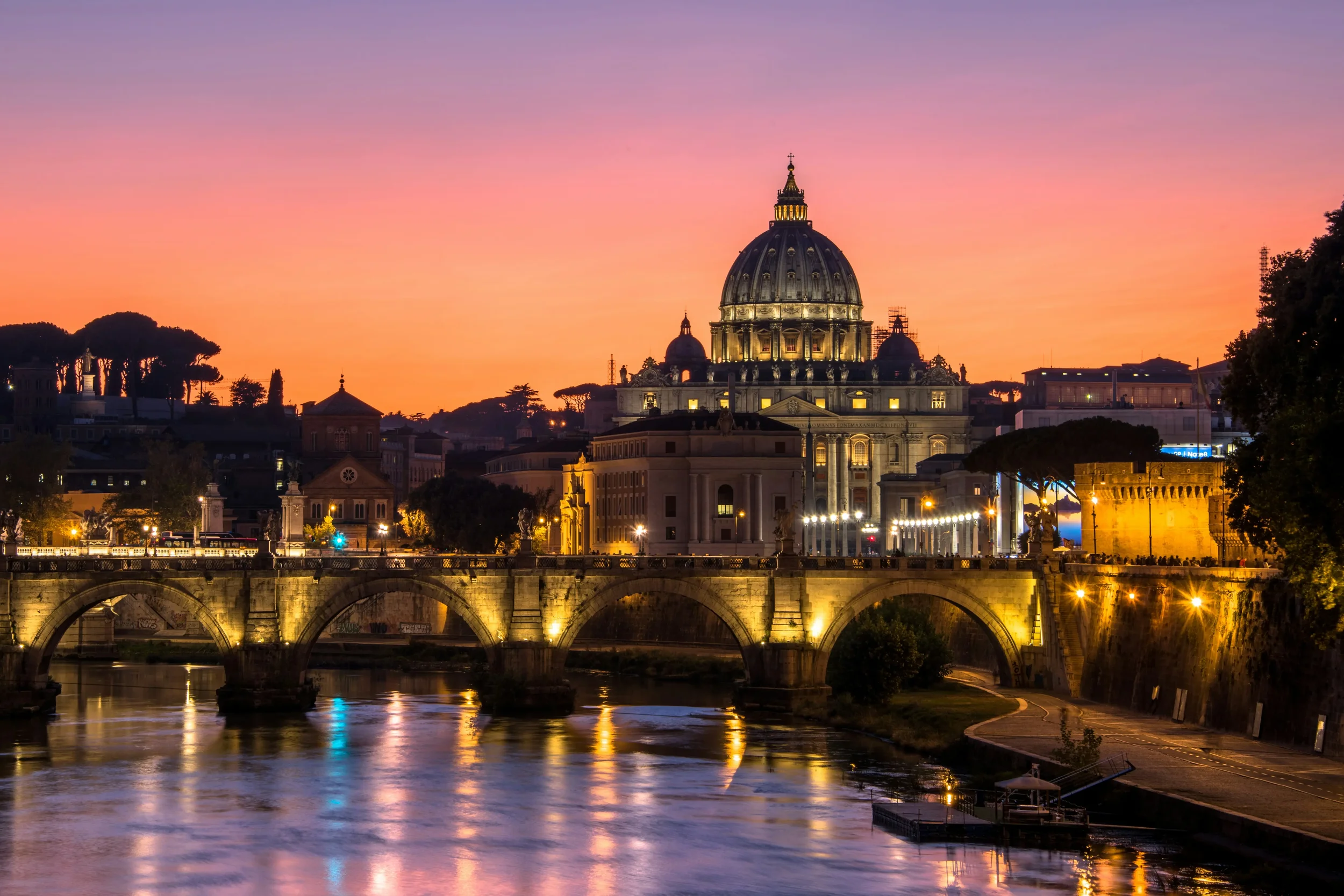
● From the Janiculum, look for the line of the Tiber and the silhouette of St. Peter’s dome: this vantage point gives you a mental map that helps everything else in the city “click” the next day.
● For a different kind of evening, continue south toward Testaccio, historically the working‑class and food‑centric district, where traditional trattorias sit alongside contemporary bistros and clubs.
6. The Culinary Soul of Rome
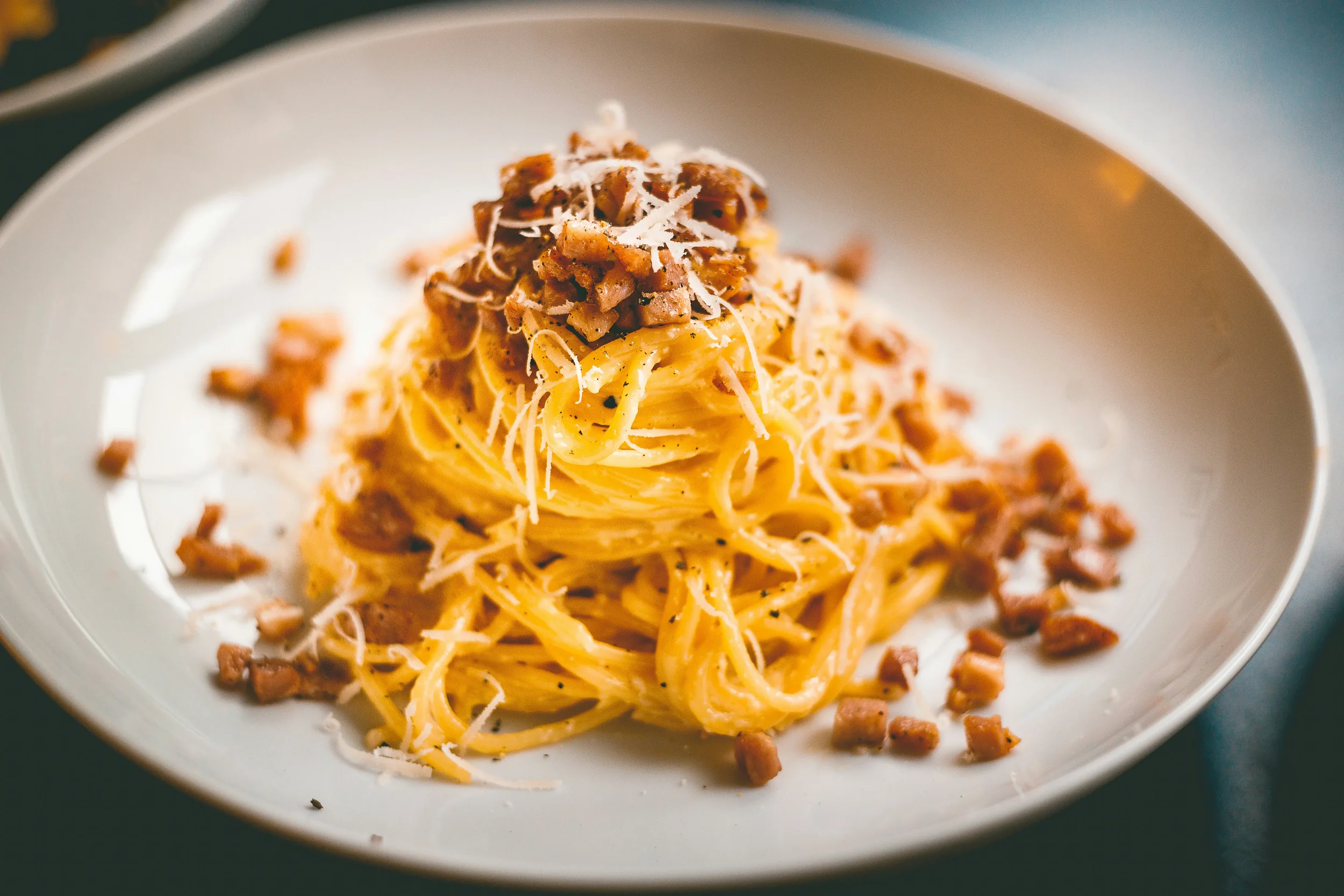
Roman food is not about abundance of ingredients but about fierce loyalty to a few things done correctly: cacio e pepe, carbonara, amatriciana, abbacchio (lamb), artichokes, and offal‑based street food like supplì and trippa. The way you eat them—and where—matters as much as the dishes themselves.
Rituals to Seek Out
● Morning at the Bar
Stand at the counter (not a table) and order an espresso or cappuccino plus a cornetto; prices at the bar are significantly cheaper than table service, and the whole ritual rarely lasts more than five minutes.
● Mercato as Culture, Not Just Food
Visit a central market (e.g., near Campo de’ Fiori or Testaccio) before 11 a.m. to see locals shopping for produce, cheeses, and cured meats rather than just tourists picking up souvenirs.
Watch how people interact with their usual vendors; those relationships say more about the city than any museum label.
● Trattoria Etiquette
In a true Roman trattoria, courses are flexible: you don’t need antipasto, primo, secondo, and dolce every time. Share plates, ask for the house wine (vino della casa), and don’t be afraid to let the staff steer you toward what’s actually good that day rather than what’s printed on a laminated tourist menu.
● Aperitivo Hour
In the early evening, look for bars that offer aperitivo with small bites when you order a drink; in some places, this can almost stand in for a light dinner, but the real value is watching Romans slide from work mode into social mode.
7. Essential Wisdom / Survival Guide
When to Go
Rome is visitable year‑round, but spring (April–May) and autumn (September–October) strike the best balance of pleasant temperatures, manageable crowds, and reasonable prices. Summer brings intense heat (often around or above 30°C), peak tourist density, and shorter tempers, while winter offers thinner crowds, lower prices, and a more local feel—except during Christmas and New Year, when festivities pull visitor numbers back up.
Clothing & Church Etiquette
Many major churches, especially St. Peter’s Basilica, enforce modest dress codes (shoulders covered, no very short shorts or skirts). Carry a light scarf or shawl in your bag; it solves most issues without changing your whole outfit.
Safety, Scams & Pickpockets
Rome is generally safe, but pickpocketing around crowded sites, buses, metro lines, and major hubs like Termini is a recurring issue; keep valuables in zipped, front‑facing pockets or money belts and be skeptical of “helpful” strangers at ticket machines. Be cautious of unofficial taxis and anyone offering to “skip the line” in front of monuments without clear accreditation.
Moving Around
The historic center is surprisingly walkable, and many locals simply consider walking the default mode inside the Aurelian walls. For longer links, Rome has metro, buses, and trams; a single ticket is cheap, while daily or multi‑day passes (and options like the Roma Pass) can pay off if you’re moving frequently and visiting multiple paid attractions.
8. The Budget Guide
Daily costs in Rome vary widely depending on travel style, season, and how often you splurge on guided experiences versus self‑guided walks. The ranges below reflect recent 2025–2026 pricing patterns and should be treated as realistic ballparks rather than hard caps.
The Backpacker (Budget)
● Typical daily range: roughly 50–80 EUR per person, focusing on hostel dorms, street food, and public transport.
● Sleep: Hostel dorms or very basic guesthouses; expect to pay lower rates in shoulder and off‑season than in high summer.
● Eat: Pizza al taglio, market picnics, panini, and one trattoria meal per day; gelato as a splurge, not a reflex.
● Do: Prioritize a few paid highlights (e.g., Colosseum combo ticket, Vatican Museums), fill the rest with free churches, viewpoints, and self‑guided walks.
The Cultural Explorer (Mid‑Range)
● Typical daily range: approximately 100–150 EUR per person, balancing comfort with extensive cultural exploration.
● Sleep: Mid‑range hotels or B&Bs in central neighborhoods (Monti, Trastevere, Prati), often with private bathrooms and breakfast included.
● Eat: Sit‑down lunches in good trattorias, varied dinners (from casual wine bars to classic osterie), and a daily coffee‑bar ritual.
● Do: Multiple paid sites and at least a couple of guided experiences (e.g., in‑depth Colosseum or Vatican tours, food walks), plus a day trip or two if time allows.
The Imperial Experience (Luxury)
● Typical daily range: often 350–600+ EUR per person, with five‑star hotels, fine dining, and premium tours.
● Sleep: Design hotels or historic palazzi in the heart of the city, sometimes with rooftop terraces, spas, and private drivers on call.
● Eat: Tasting‑menu restaurants, serious wine programs, and curated aperitivo spots; spontaneous splurges become part of the narrative, not exceptions.
● Do: Private or semi‑private tours of the Colosseum underground and upper tiers, early‑entry Vatican experiences, chauffeured day trips to surrounding hill towns or coastal escapes.
