Circling Fire and Ice: The Ultimate Iceland Ring Road Road Trip
Iceland’s Ring Road, Route 1, is not just a way of getting from A to B; it’s a full circumnavigation of an entire country where glaciers, volcanoes, and North Atlantic storms constantly redraw the scenery. This itinerary treats the Ring Road as a series of regional “chapters” rather than a rigid day‑by‑day script, so you can linger where the skies are clear and keep moving when the weather turns, without ever feeling rushed.
Instead of telling you what to do on “Day 3 at 9:00 a.m.”, we organize the loop into logical coast‑hugging hubs: the waterfall‑rich South Coast, the glacial Southeast, the empty East Fjords, the geothermal North, and the quieter, often‑skipped West. Within each hub, you’ll find a natural driving flow, micro‑logistics, and hard‑earned survival wisdom tailored to Iceland’s unique conditions.
Table of Contents
1. Flight & Accommodation Strategy
Most Ring Road adventures begin and end at Keflavík International Airport (KEF), about 50 km from Reykjavík. From Keflavík, you’ll either transfer into Reykjavík for a night or pick up your rental car directly at the airport and head out, depending on arrival time and jet lag tolerance.
For an efficient loop with minimal backtracking, think about sleeping in stages rather than hunting for one “perfect base”:
● Reykjavík / Keflavík area: Ideal for your first or last night, car pickup/return, and any Golden Circle detours.
● South Coast hubs (Hvolsvöllur, Vík, Kirkjubæjarklaustur): Good bases for waterfall runs and black‑sand beaches.
● Skaftafell / Höfn region: Perfect for glacier hikes and Jökulsárlón / Diamond Beach.
● Egilsstaðir or a nearby fjord town: Logical pause before or after the East Fjords.
● Mývatn / Húsavík / Akureyri: Covering the geothermal north and whale watching.
● Borgarnes / Snæfellsnes access towns: For a “mini‑Iceland” finale in the west.
If you’d rather not book each stop yourself, self‑drive and small‑group packages that pre‑arrange accommodation around the Ring Road are increasingly popular and can dramatically reduce planning friction.
2. The South Coast: Waterfalls and Black Sands
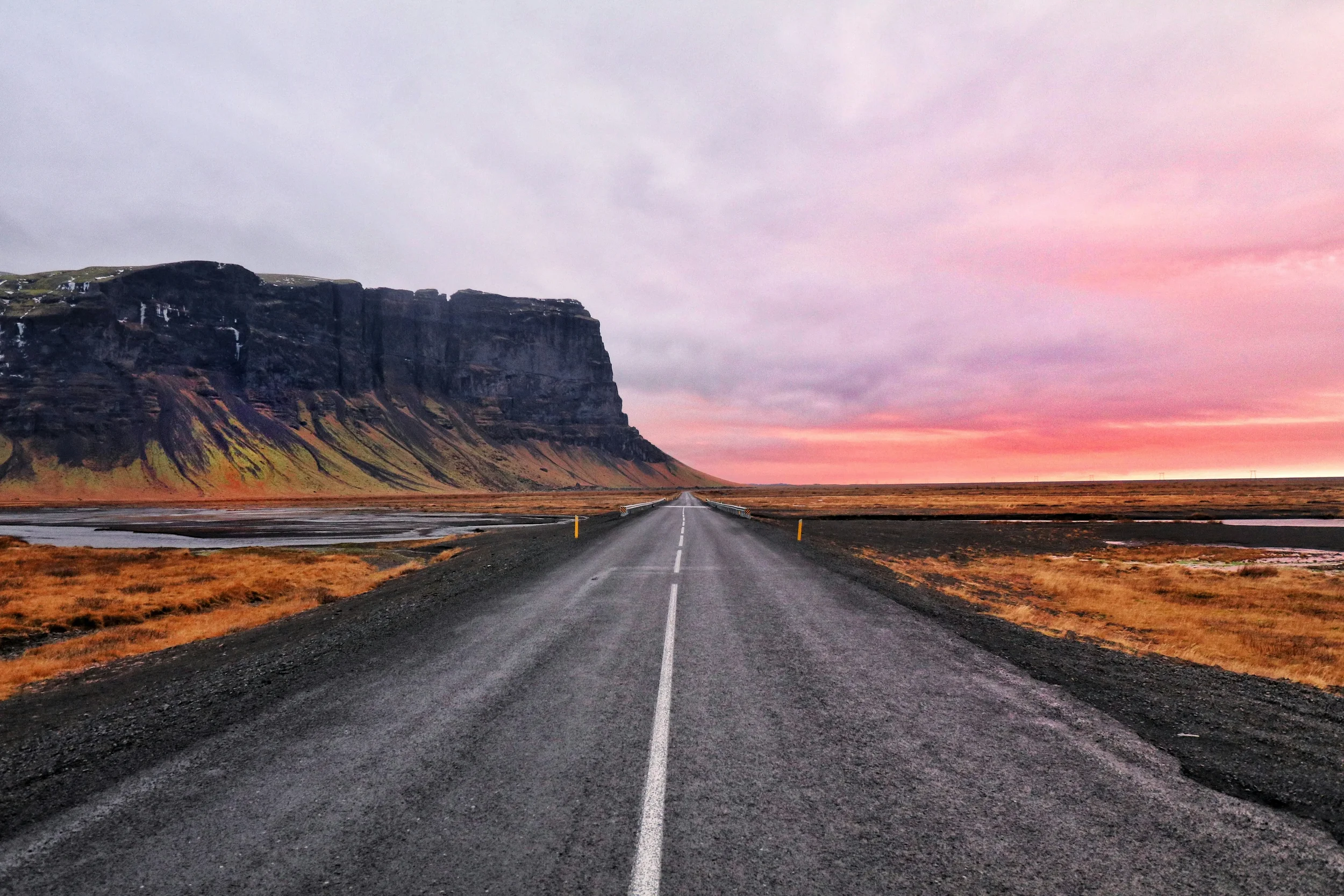
The southern flank of Route 1 is where most people fall in love with Iceland: straight‑forward driving, huge payoffs right off the road, and a density of iconic stops unmatched anywhere else on the island.
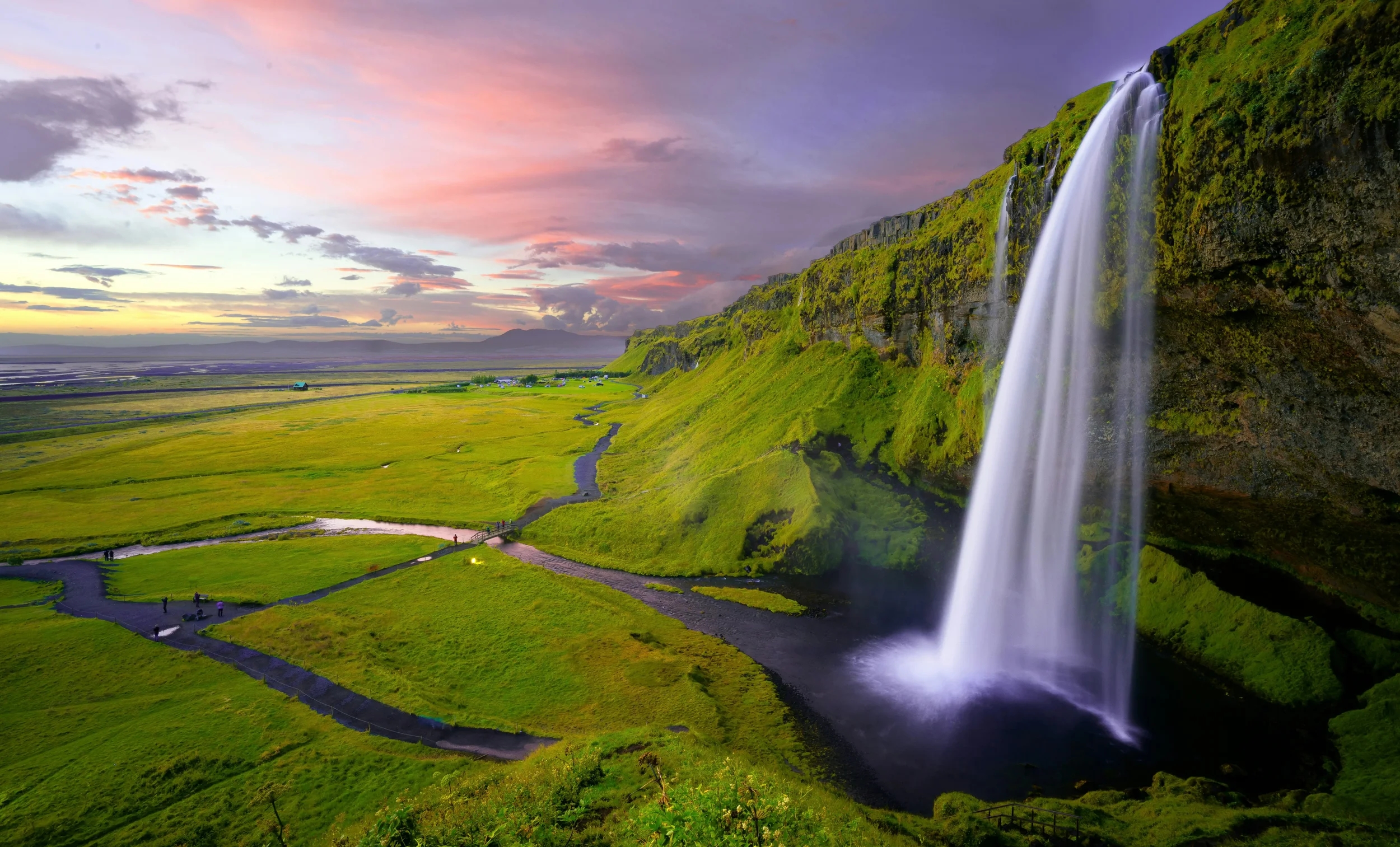
From Reykjavík, you’ll follow Route 1 east toward Hvolsvöllur, Skógar, and Vík, hugging the coastline with glaciers looming inland. Within a relatively short stretch, you encounter Seljalandsfoss, Skógafoss, and Reynisfjara Black Sand Beach—each different enough that none feels repetitive.
Micro‑Logistics
● From Reykjavík, drive toward Seljalandsfoss; this waterfall is visible from the highway and has a short spur road and parking area.
● Just a short drive further east you’ll reach Skógafoss, towering beside the small settlement of Skógar.
● Continue to Vík and Reynisfjara, the famed black‑sand beach with basalt columns and sea stacks, before deciding whether to overnight in town or push on toward Kirkjubæjarklaustur.
Curator’s Tip / Insider’s Secret
● At Seljalandsfoss, walk the trail that loops behind the waterfall, but bring a lightweight waterproof shell and protect your camera—the mist is relentless even on calm days.
● Look for Gljúfrabúi, a partially hidden waterfall just a short walk from Seljalandsfoss; you’ll step into a mossy slot canyon to see it properly, and most tour buses don’t linger long enough for their passengers to explore it.
● Reynisfjara is stunning but dangerous: sneaker waves here have pulled people into the sea. Stay well back from the waterline and never turn your back on the ocean, even on apparently calm days.
3. The Southeast: Glaciers and Diamond Beaches
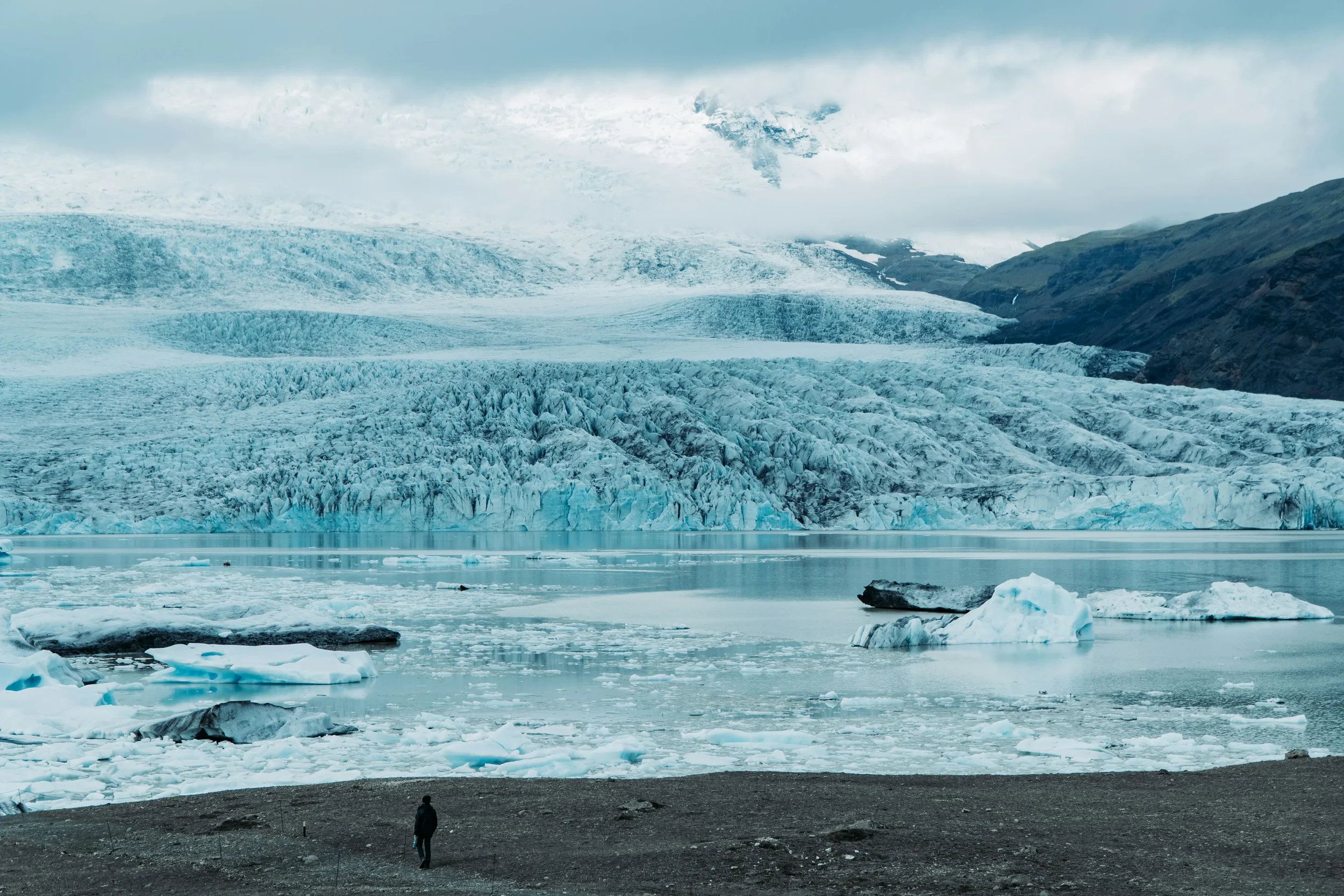
As you round the corner past Vík, the landscape empties into sandur plains and then rises again into the glacial world dominated by Vatnajökull, Europe’s largest ice cap. This region is the Ring Road’s most cinematic chapter: ice tongues spilling down between mountains, black desert stretching to the sea, and icebergs drifting slowly out to the Atlantic.
Two key hubs define this stretch: Skaftafell (within Vatnajökull National Park) and the Jökulsárlón / Diamond Beach area near Höfn.
Micro‑Logistics
● Use Skaftafell as a half‑day stop or overnight base; trailheads and guided glacier hikes start near the main visitor area.
● From Skaftafell, continue east along Route 1 until the road suddenly opens up to the mirror‑still Jökulsárlón Glacier Lagoon, right beside the highway.
● Directly across the road lies Diamond Beach, where ice chunks wash ashore and glint against the black sand.
Curator’s Tip / Insider’s Secret
● In Skaftafell, the relatively short trail to Svartifoss (the “Black Waterfall” framed by dark basalt columns) feels like a crash course in Icelandic geology and inspired the design of Reykjavík’s Hallgrímskirkja church.
● At Jökulsárlón, don’t just snap a photo and leave; the lagoon’s atmosphere changes dramatically over an hour as light, fog, and wind shift. If weather allows, consider a zodiac or amphibian‑boat tour to thread between the icebergs.
● On Diamond Beach, walk away from the main parking cluster—within 5–10 minutes you’ll often find stretches of sand dotted with ice but almost no people, especially at sunrise or sunset.
4. The East Fjords: Solitude and Storybook Fishing Villages
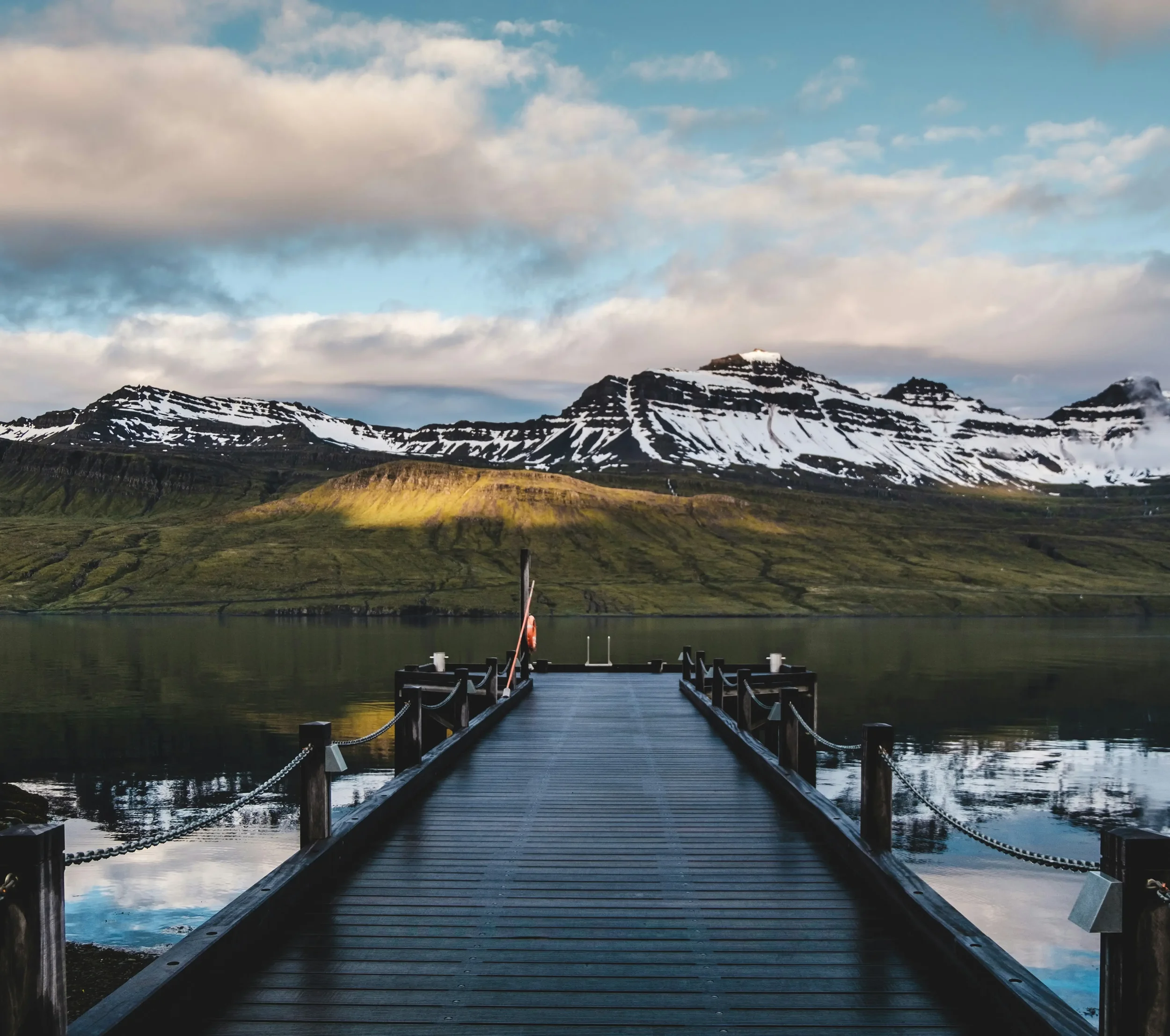
Past Höfn, Route 1 curls into the East Fjords, a region many travelers underestimate and then remember as their favorite segment of the Ring Road. Here, steep mountains fold directly into narrow fjords, and the road clings to cliffs before dropping into small fishing harbors.
Towns like Djúpivogur, Fáskrúðsfjörður, and Seyðisfjörður offer colorful houses, art spaces, and a pace of life that feels decades removed from Reykjavík’s buzz. The highway sometimes leaves the coast to cut over passes, revealing broad valleys and reindeer‑grazed highlands.
Micro‑Logistics
● From Höfn, follow Route 1 as it alternates between hugging the seashore and climbing over headlands.
● Decide whether to overnight in a coastal town (for harbor views and seafood) or in Egilsstaðir, the inland transport hub that anchors the region.
● Budget extra time for Seyðisfjörður, reached via a dramatic, waterfall‑lined pass from Egilsstaðir; it’s a detour, but one of the most atmospheric towns in the country.
Curator’s Tip / Insider’s Secret
● The East is one of the few regions where you might spot wild reindeer, especially in the more open areas; drive slowly at dawn or dusk and keep your eyes on both scenery and road.
● Seyðisfjörður’s rainbow‑painted street leading up to a blue wooden church has become an Instagram magnet, but wander one or two streets back from the main drag to find quiet, residential corners and small studios.
● Weather in the East can be more stable than in the South and North; if you get a clear day here, consider reshuffling your schedule slightly to take advantage of longer hikes or coastal walks.
5. The North: Geothermal Worlds and Whale Harbors
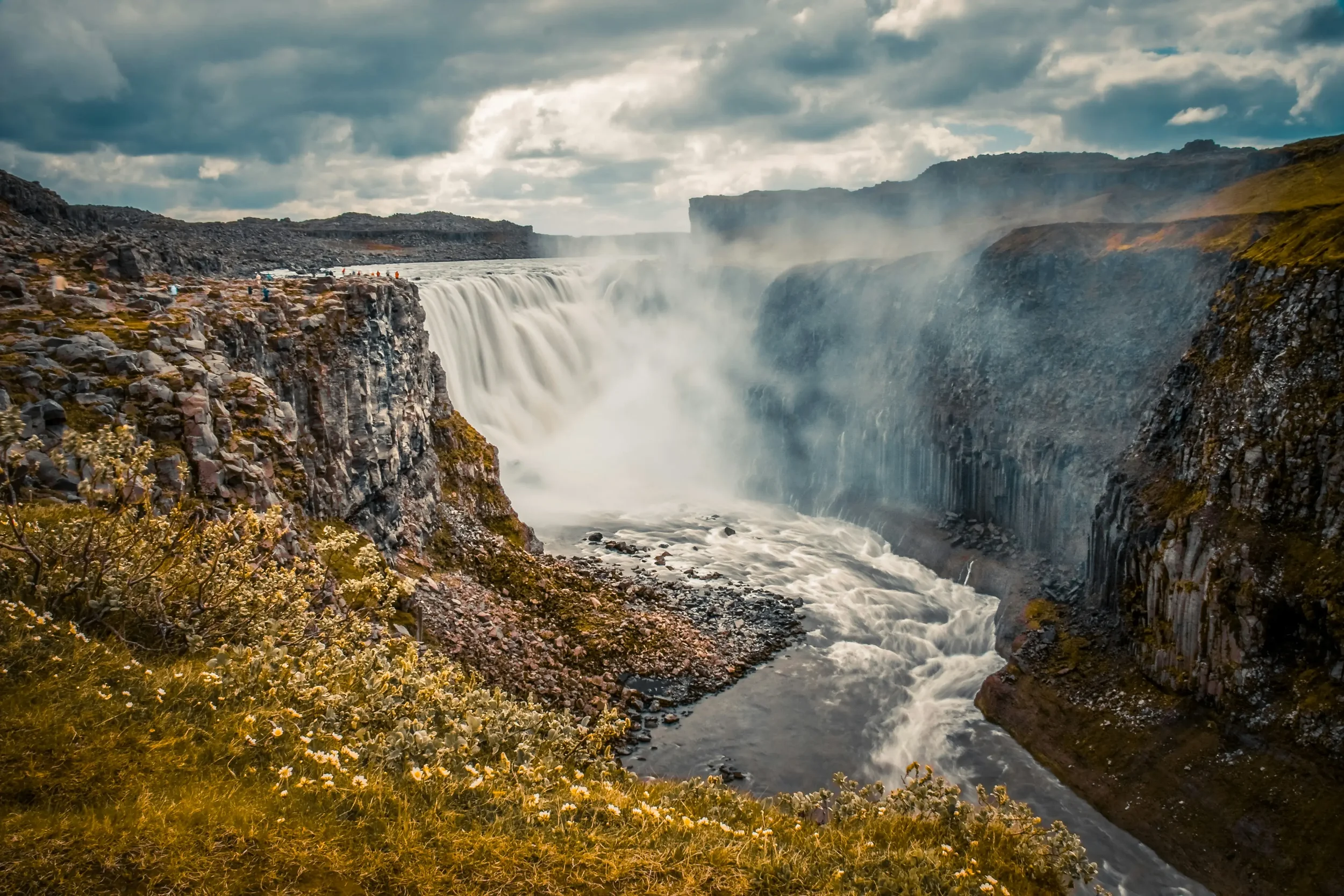
The Ring Road’s northern arc feels like driving across the set of a science‑fiction film: rust‑colored earth, steaming vents, crater lakes, and surreal lava formations. The core of this hub is the Mývatn region, with optional wings to Dettifoss / Ásbyrgi and the coastal towns of Akureyri and Húsavík.
Micro‑Logistics
● Use Mývatn or nearby accommodations as your base: from here you can reach the Námafjall Hverir geothermal area, lava fields like Dimmuborgir, and various short hikes.
● From Route 1, a spur road leads to Dettifoss, one of Europe’s most powerful waterfalls; road conditions vary by season, so always check before committing.
● Continue west to Akureyri, Iceland’s second city, or detour north to Húsavík, widely regarded as one of Europe’s prime whale‑watching ports.
Curator’s Tip / Insider’s Secret
● At Námafjall Hverir, the combination of boiling mud pots, steaming vents, and sulfur smell can be overwhelming; stay on marked paths, as the ground can be thin and unstable near active features.
● Many travelers rush Akureyri, but it’s worth slowing down: its botanical garden and harbor area offer a gentle “city break” feeling in the middle of your wild loop.
● For whale watching, Húsavík has a strong reputation for sightings; consider an evening or early‑morning sailing outside peak hours for a more contemplative experience on the fjord.
6. West Iceland: The Shortcut to “All of Iceland in Miniature”
As you close the Ring near Reykjavík, West Iceland and the Snæfellsnes Peninsula are your chance to compress “all of Iceland” into one last concentrated chapter: lava fields, black‑sand beaches, fishing villages, waterfalls, and the glacier‑capped Snæfellsjökull volcano.
Some travelers end their loop by driving straight from Akureyri back to Reykjavík; if you have even one extra day, detouring into Snæfellsnes is worth it. Many guides call it “Iceland in Miniature” because it showcases so many of the country’s hallmark landscapes in a relatively small area.
Micro‑Logistics
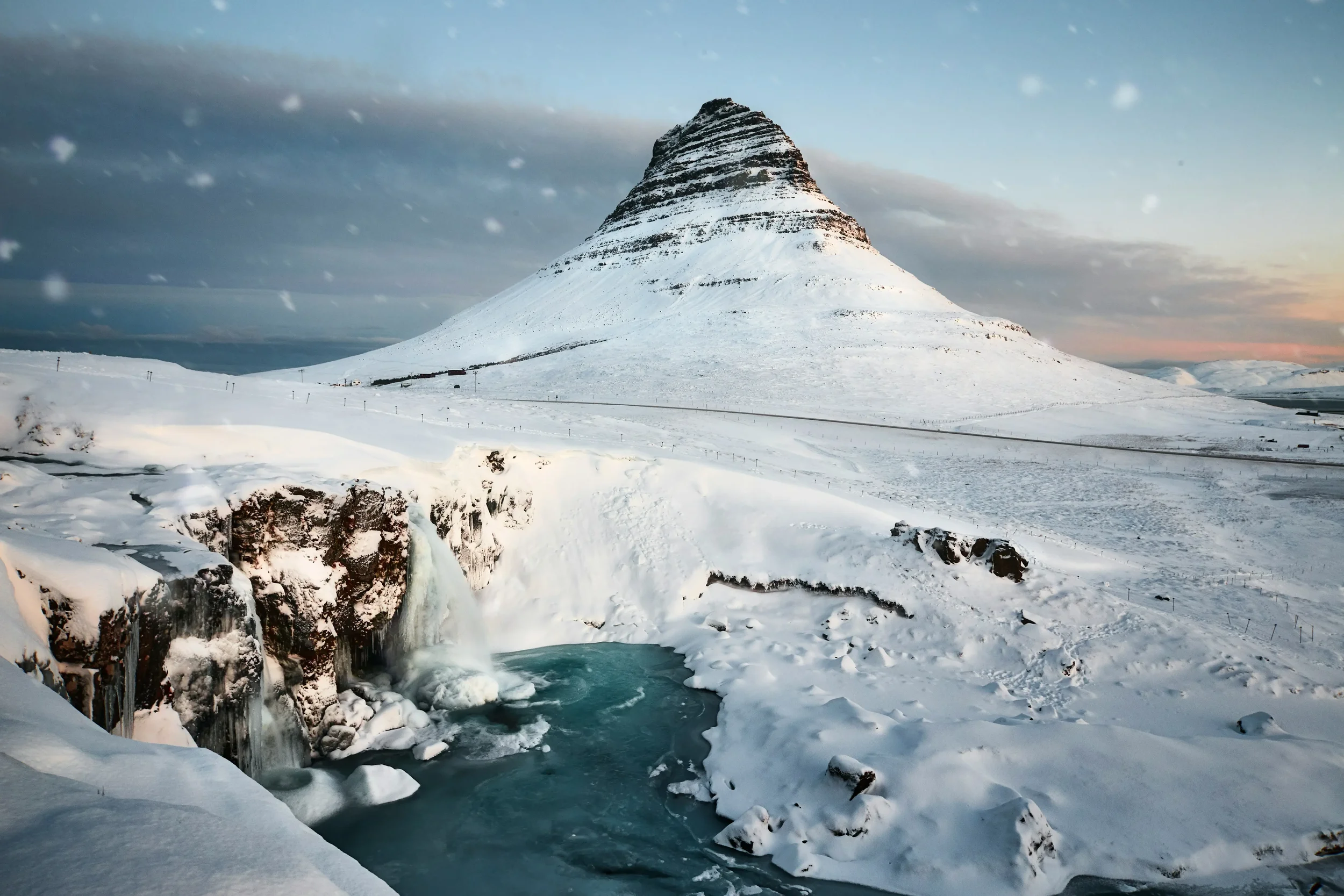
● Use Borgarnes or towns on the peninsula itself as a base, then trace a rough loop around Snæfellsnes, visiting coastal viewpoints, the Kirkjufell mountain, and small harbors.
● Finally, rejoin Route 1 toward Reykjavík, completing your full circumnavigation of the island.
Curator’s Tip / Insider’s Secret
● Kirkjufell, often photographed with its nearby waterfall in the foreground, is one of Iceland’s most recognizable peaks; sunrise or sunset visits drastically change the mood (and crowd size).
● If you’re chasing aurora in the right season, the relative darkness and open skies of the West can be more forgiving than light‑polluted areas closer to Reykjavík—check cloud cover and solar activity daily via Icelandic meteorological resources.
7. Essential Wisdom / Survival Guide
Weather Runs the Show
The Ring Road is technically driveable year‑round, but conditions can shift in minutes, especially outside summer. Strong winds, snow, ice, and sudden fog bank rolls are common; always check road status and weather forecasts each morning before deciding how far to drive.
Driving Culture & Road Rules
● Speed limits are strictly enforced and lower than many visitors expect (often 90 km/h on paved rural roads, less on gravel).
● Bridges can be single‑lane, requiring clear right‑of‑way etiquette; slow down and make eye contact where possible.
● Off‑road driving is illegal and heavily fined—tire tracks can scar fragile moss and lava landscapes for decades.
Fuel & Services
On long stretches, especially in the East and North, fuel stations can be widely spaced; make it a rule to refill when your tank drops below half. Many stations are unmanned and operate via card terminals, so having a physical card with PIN is essential.
Clothing & Gear
Think in layers: a moisture‑wicking base, insulating mid‑layer, and truly waterproof shell. Even in summer, wind chill near waterfalls and on open plains can feel wintry. Good footwear with grip is more important than stylish sneakers; wet rocks and black‑sand slopes can be slippery.
8. The Budget Guide
Iceland is famously not cheap; circling an entire country by road compounds costs across fuel, accommodation, and activities. These ranges assume a full Ring Road loop, excluding flights, and will vary by season (summer is peak).
The Backpacker (Budget)
● Typical daily range: roughly 90–130 EUR per person, assuming shared campervan or basic hostel/guesthouse rooms, self‑catering, and mostly free sights.
● Sleep: Budget guesthouses, hostels, or shared campervans, often with shared bathrooms and simple facilities.
● Eat: Supermarket groceries, gas‑station snacks, occasional hot‑dog stops and a few modest restaurant meals over the entire trip.
● Do: Focus on free natural attractions along the Ring Road; consider one or two big‑ticket experiences (e.g., glacier hike or whale‑watching) as trip highlights.
The Cultural Explorer (Mid‑Range)
● Typical daily range: approximately 160–250 EUR per person, balancing comfortable stays with a generous selection of paid experiences.
● Sleep: Mid‑range hotels or well‑reviewed guesthouses with private bathrooms and breakfast.
● Eat: Restaurant dinners most nights, café lunches or hearty gas‑station meals on driving days, plus a few standout seafood or tasting menus in key towns.
● Do: Multiple guided activities—glacier hikes, lagoon boat rides, geothermal spa visits, whale‑watching, maybe a super‑jeep or ice‑cave tour in season.
The Imperial Experience (Luxury)
● Typical daily range: often 350–600+ EUR per person, especially if you opt for premium cars, top‑tier hotels, and private tours.
● Sleep: Design hotels, boutique lodges, and high‑end countryside properties with saunas, hot tubs, and fine‑dining restaurants.
● Eat: Multi‑course tasting menus, curated wine pairings, and destination restaurants that highlight New Nordic cuisine and local seafood.
● Do: Private glacier guiding, helicopter sightseeing, exclusive spa experiences, and fully customized self‑drive or chauffeured itineraries with local experts.
