
The Collected
Notes.
An evolving repository of our deep-dive explorations. From hidden architectural marvels to the profound nuances of global society.
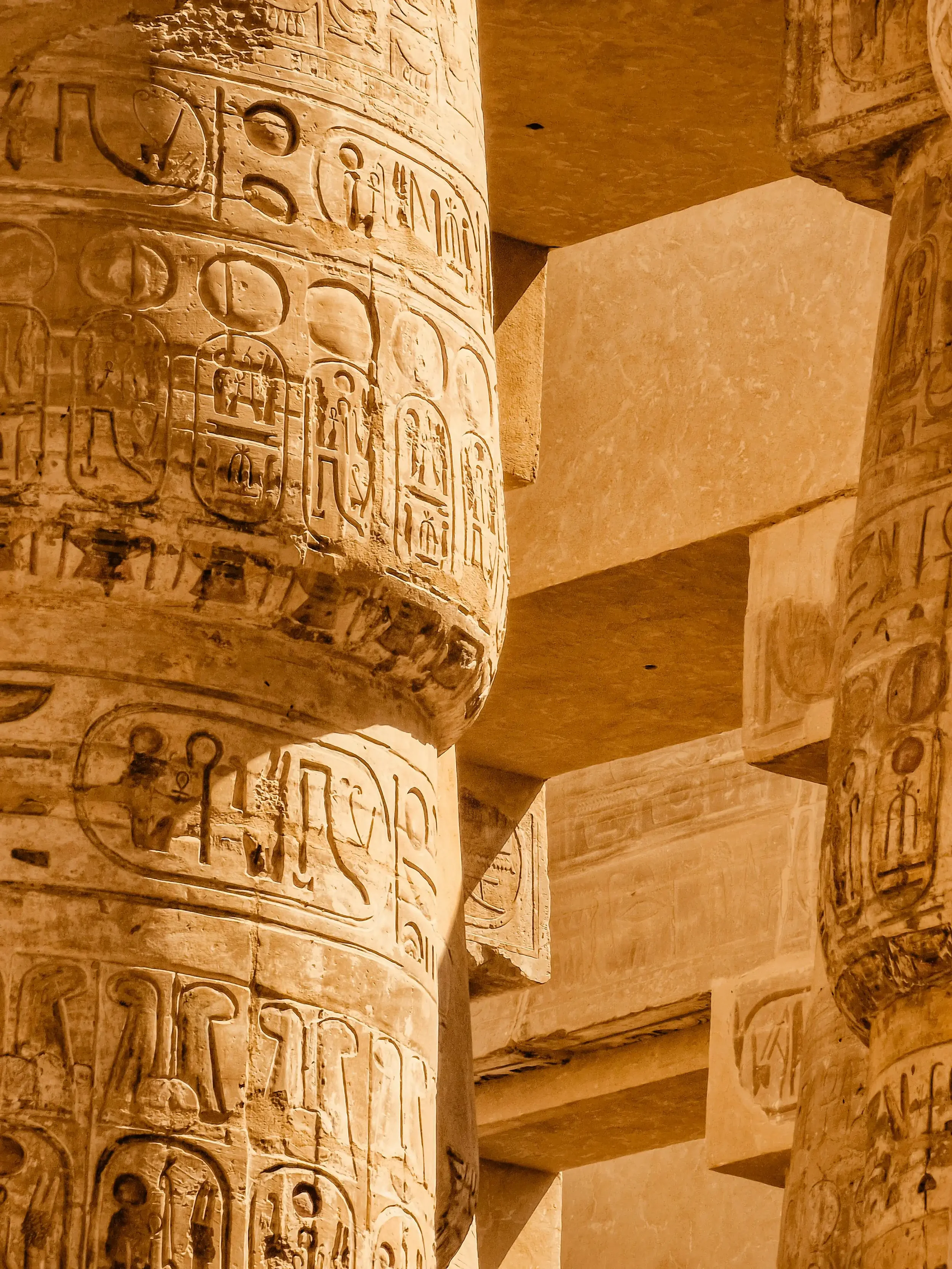
Luxor and Karnak: The World's Greatest Open-Air Museum
Luxor, built on the site of ancient Thebes, is the world's largest open-air museum, with temples, ruins, and historic sites forming the most stunning collection of ancient monuments seen anywhere in Egypt. The …
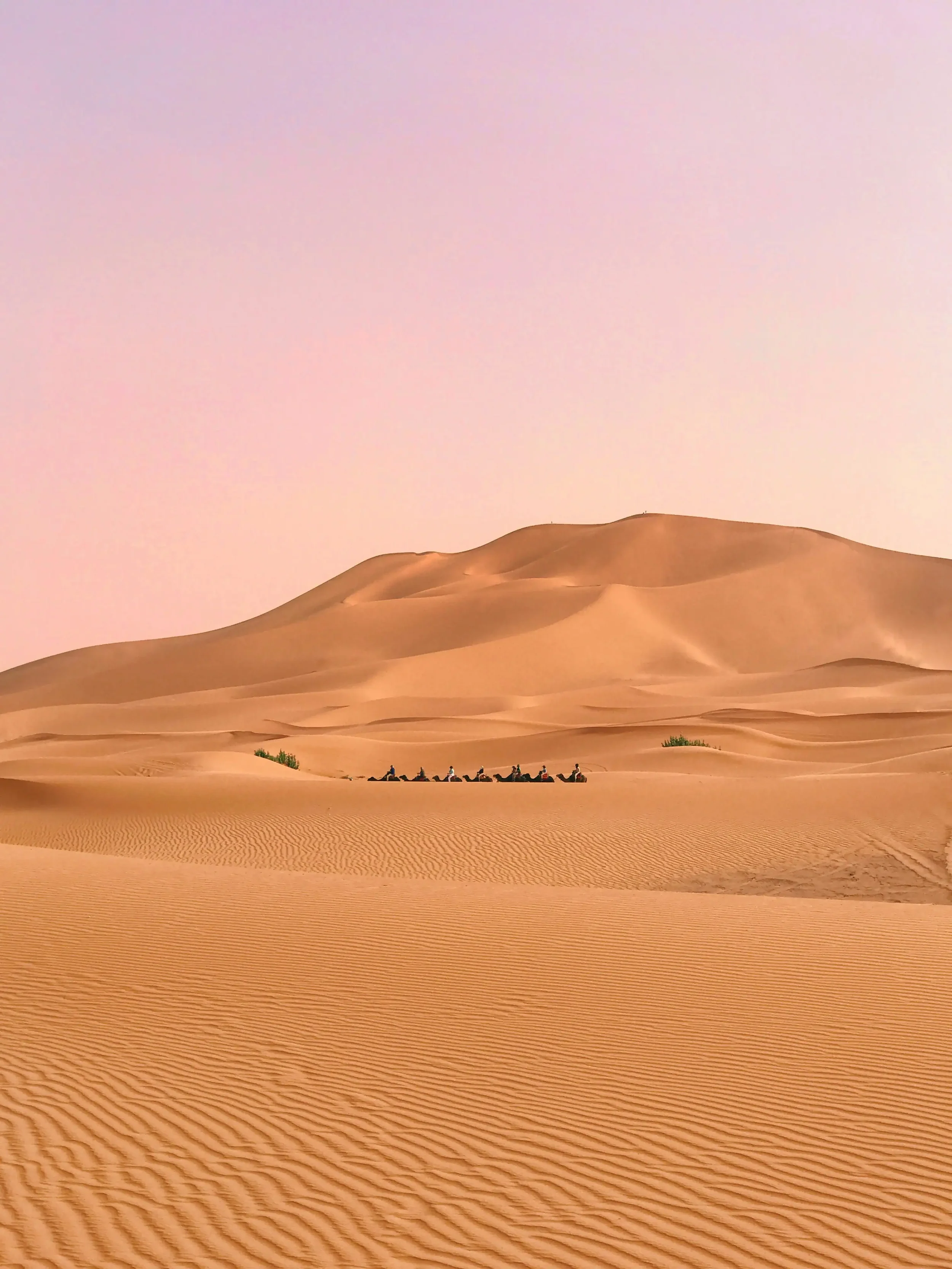
The Western Desert: Egypt's Vast Saharan Expanse
The Western Desert, also known as the Libyan Desert, is Egypt's largest geographical region, accounting for about two-thirds of the country's total land area—roughly 680,650 square kilometers of mostly …
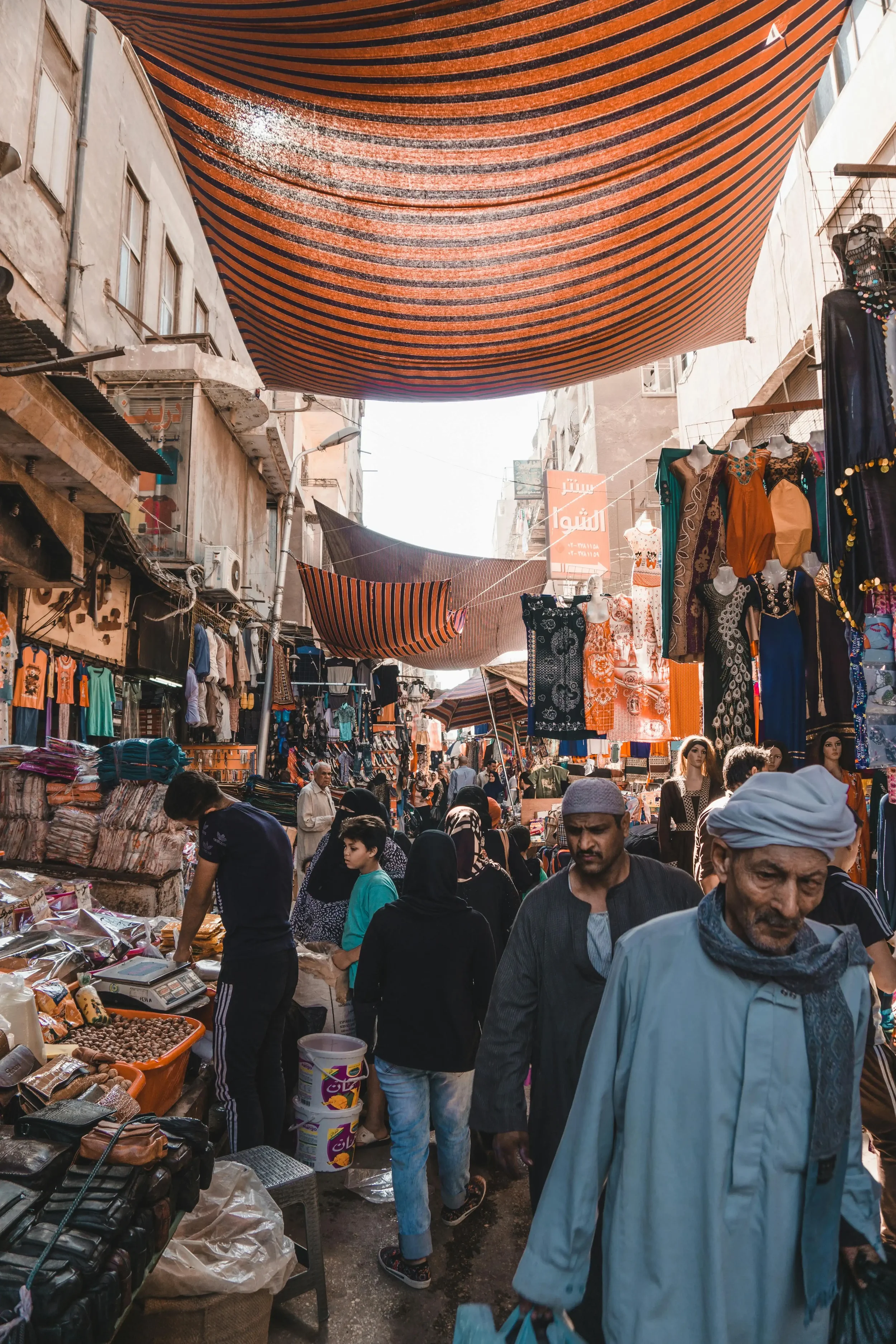
Youth Employment Challenges: Navigating the Demographic Bulge
Egypt's labor market in 2026 presents a complicated paradox: nominally low unemployment rates of around 6.4% conceal profound difficulties in work quality and widespread informality. The country adds about 1.6 …
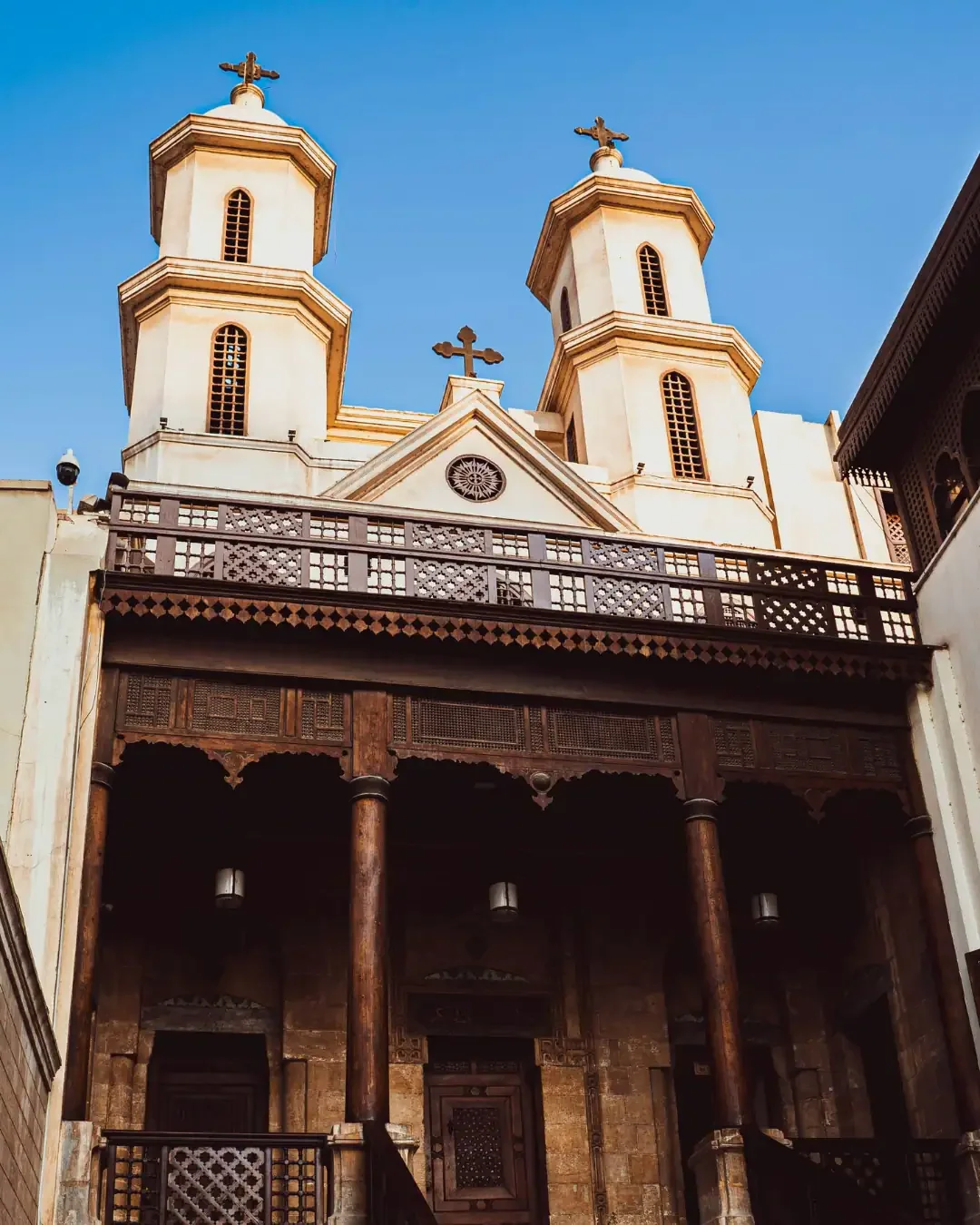
The Coptic Christian Community: Egypt's Ancient Religious Minority
Egypt's Coptic Christian community is one of the world's longest continuous Christian traditions and the Arab world's largest Christian minority. Current 2026 estimates place the population between 10 and 15 …
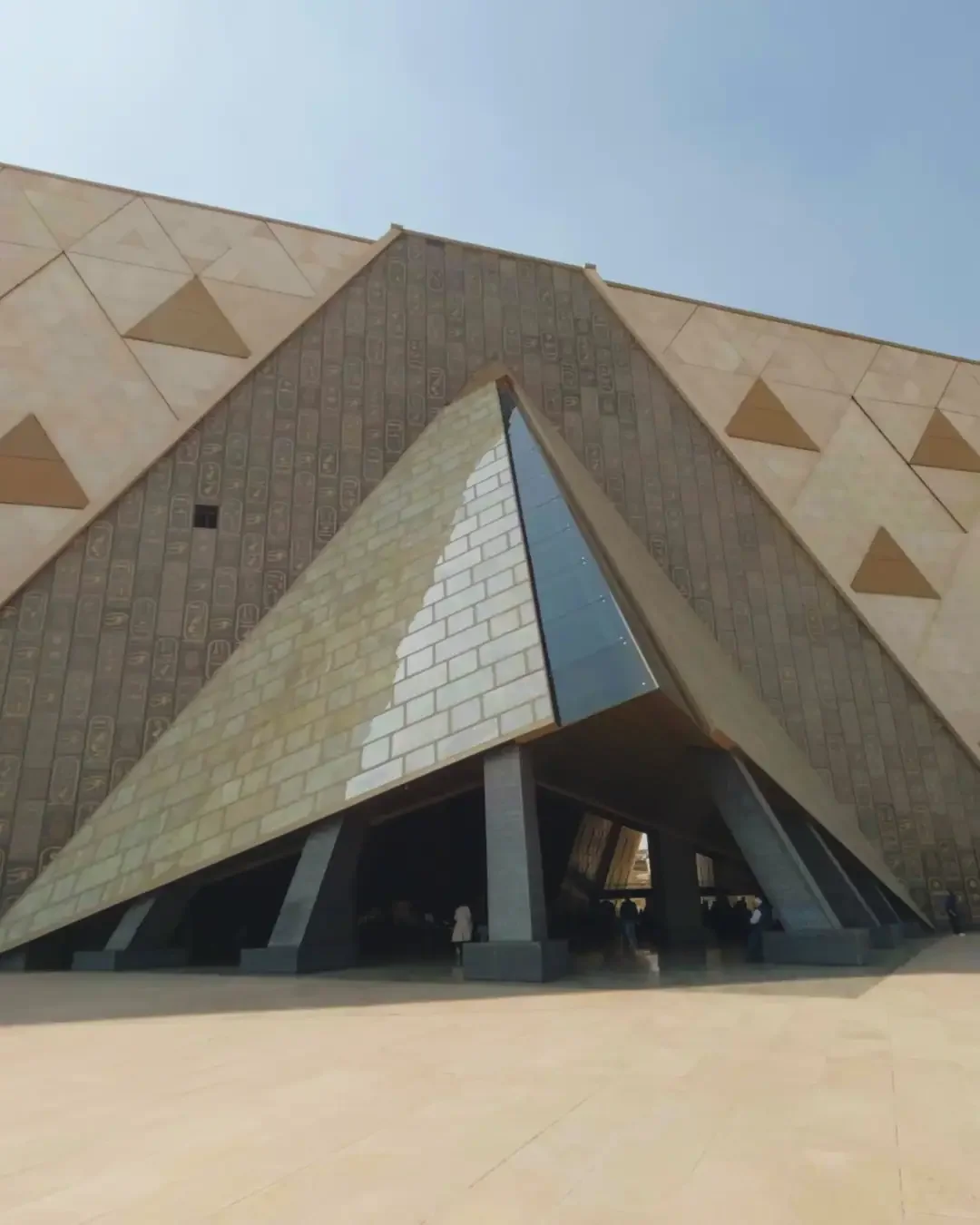
The Grand Egyptian Museum: A New Era for Ancient Treasures
The Grand Egyptian Museum (GEM), opening in 2026, is one of the world's most ambitious cultural projects, symbolizing a watershed moment in Egyptology and the preservation of global history. Located just two …
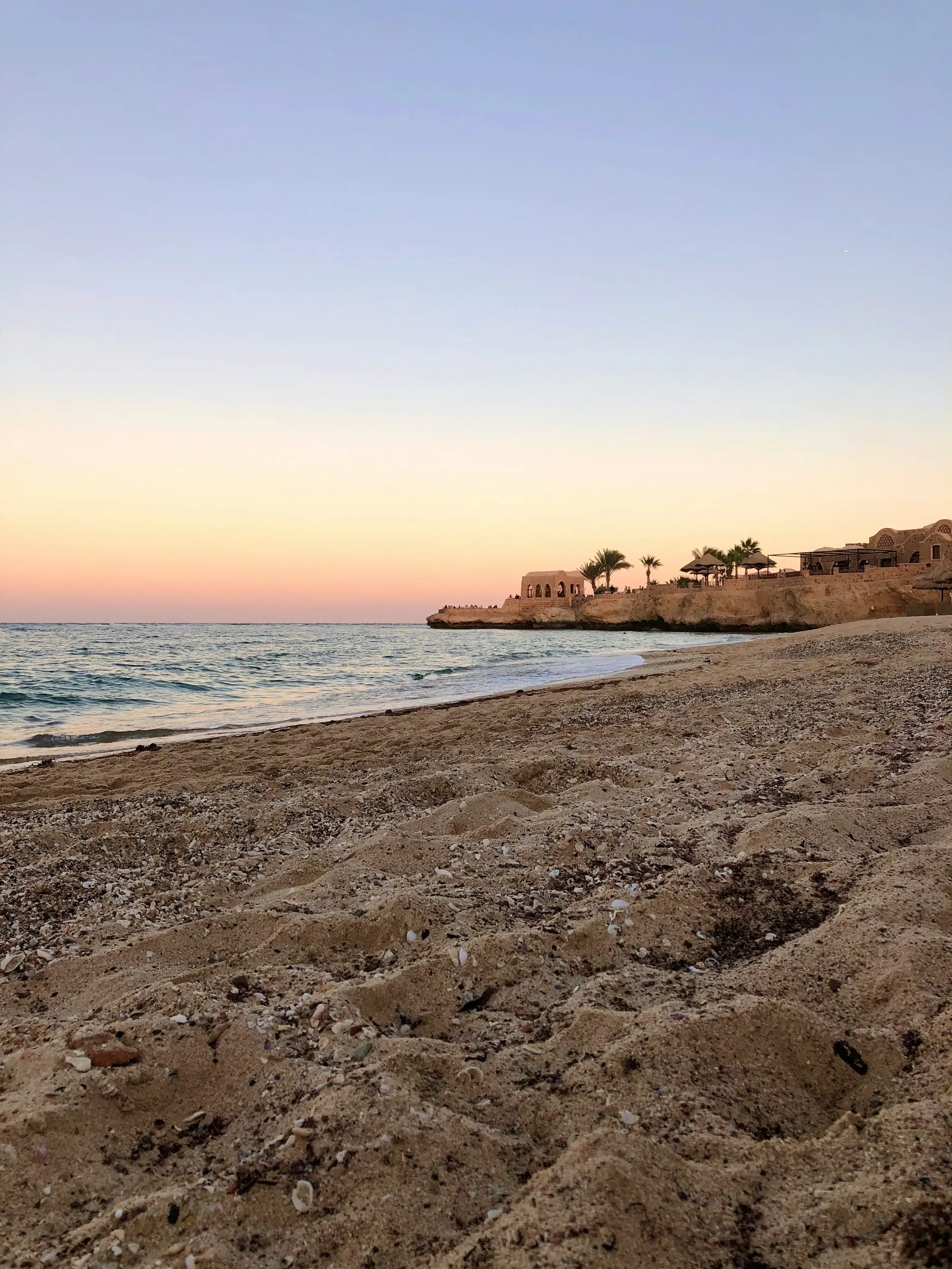
The Red Sea Coast: Coral Refuges and Marine Biodiversity
The Red Sea, which stretches over 2,000 kilometers between Africa and the Arabian Peninsula, serves as the planet's last major coral sanctuary. This body of water is home to over 1,000 distinct species of fish …
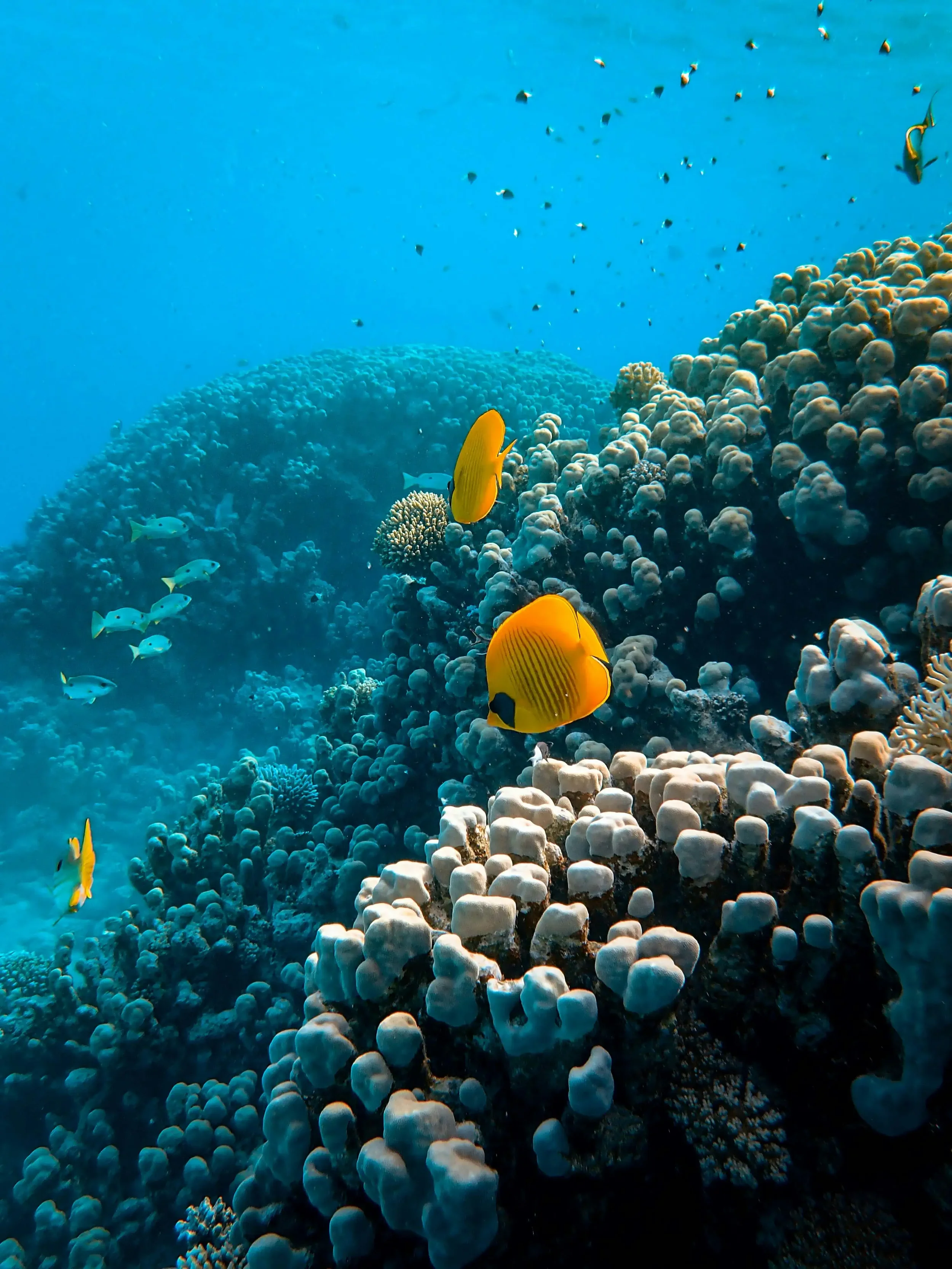
Sharm el Sheikh: Red Sea Diving Paradise
Sharm el Sheikh, located near the southern extremity of the Sinai Peninsula, has established itself as one of the world's premier diving destinations. In 2026, the city continues to lead the "Green Revolution" in the Red …
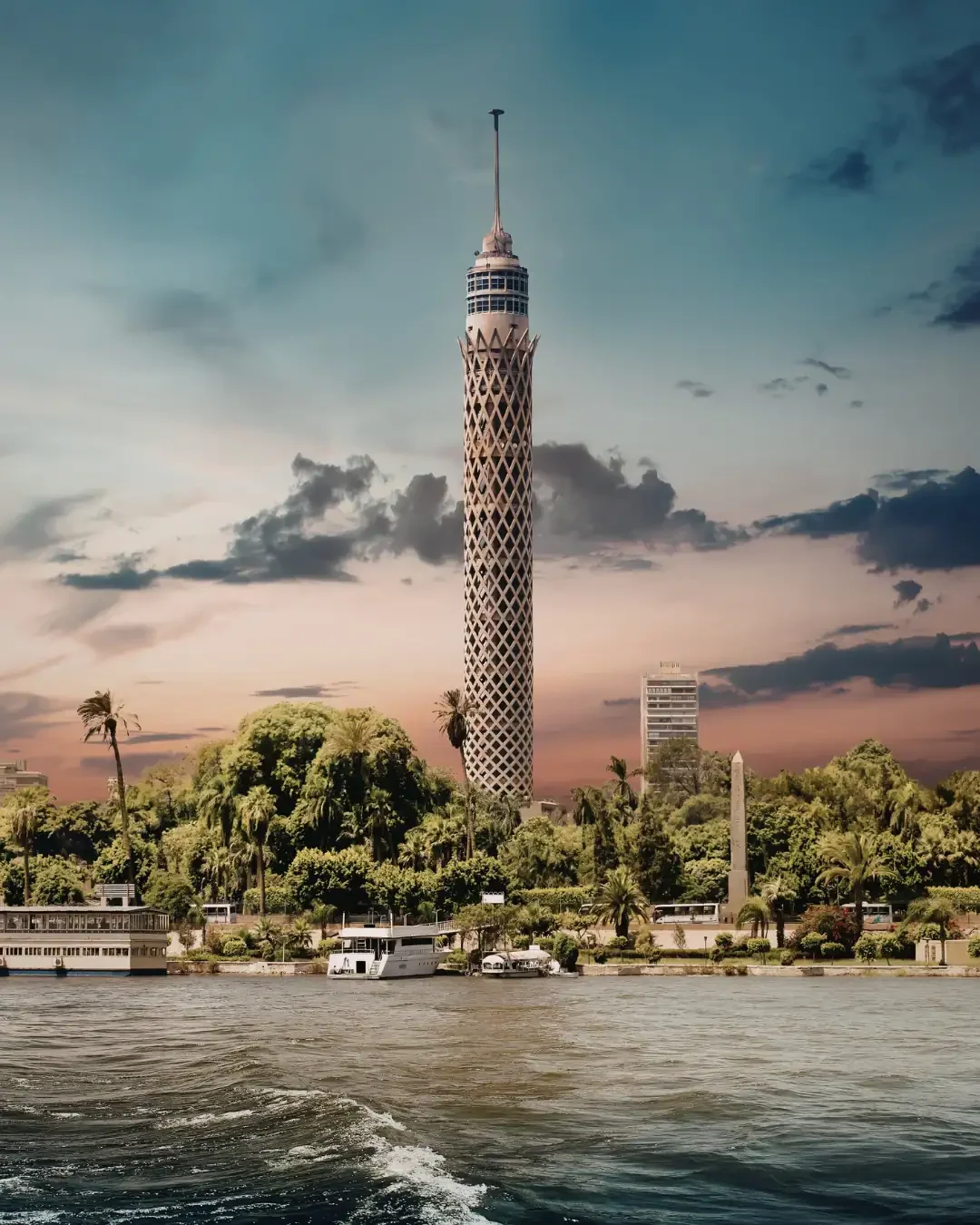
The Nile River: Lifeblood of Egyptian Civilization
The Nile River, which stretches 6,650 kilometers (4,132 miles) from its source in East Africa to the Mediterranean Sea, is the absolute foundation of Egyptian civilization. The river's two major …
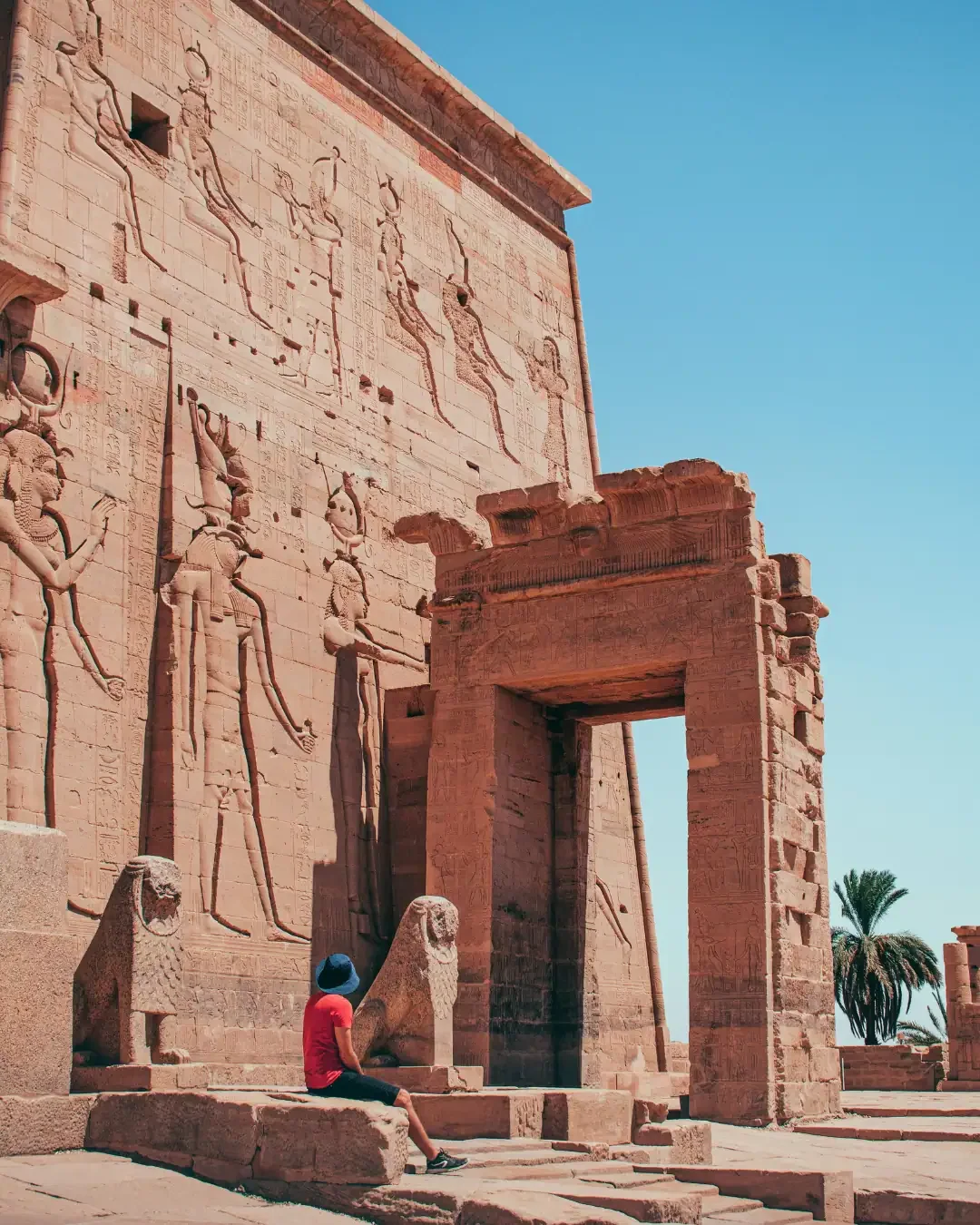
Egypt's 2025 Tourism Boom: Historic Growth and Recovery
Egypt's tourism sector performed admirably in 2025, welcoming a record-breaking 19 million international tourists—a 21% rise over 2024. This historic achievement signifies one of the world's fastest …
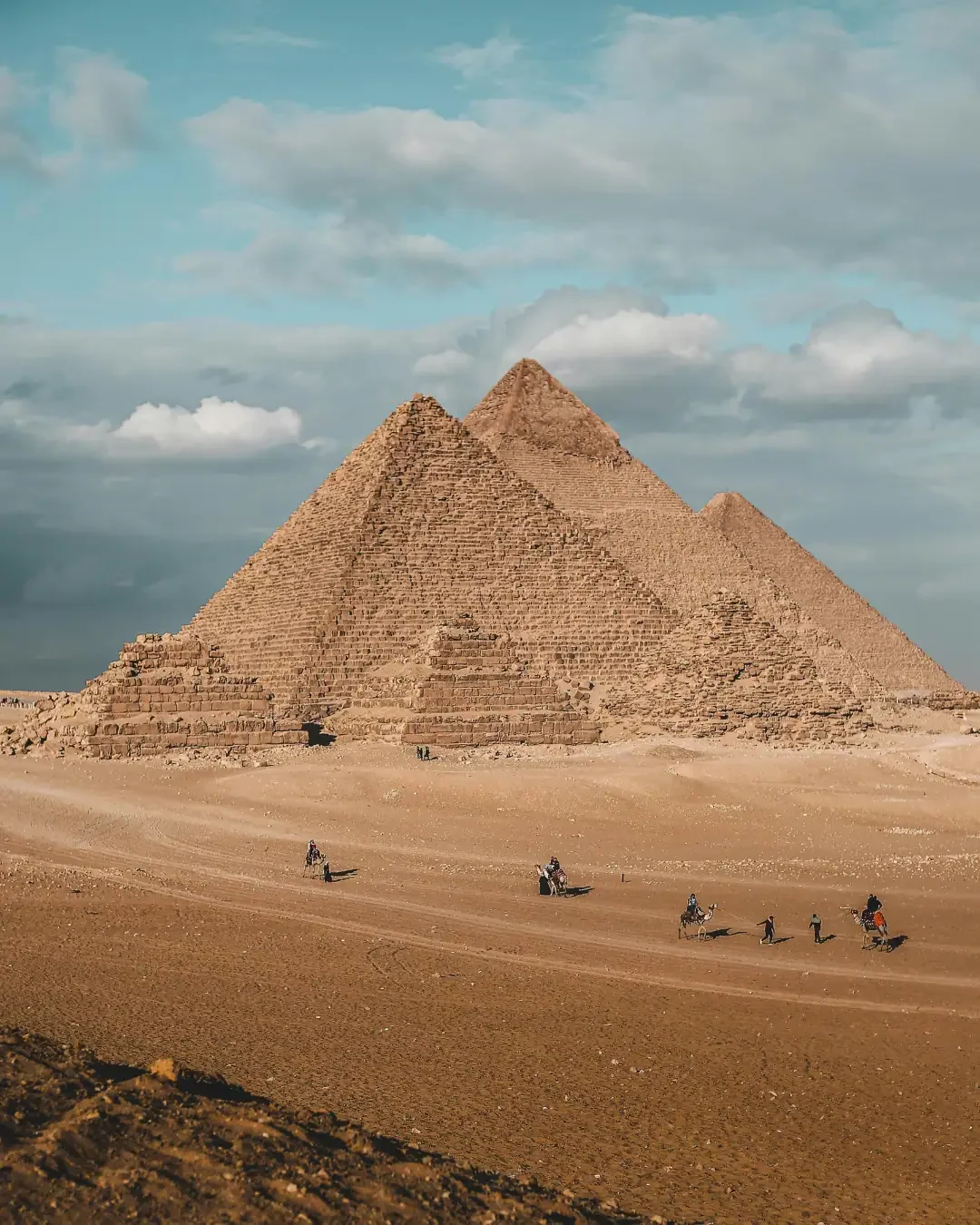
The Pyramids of Giza: Last Wonder of the Ancient World
The Pyramids of Giza are among humanity's most recognizable ancient landmarks, rising from a desert plateau barely 13 kilometers (8 miles) southwest of Cairo and symbolizing the zenith of Old Kingdom …

Women's Rights: Progress Amid Persistent Challenges
Egypt's women's rights environment paints a conflicting image: constitutional vows to gender equality and government measures to empower women combine with deeply ingrained legal …
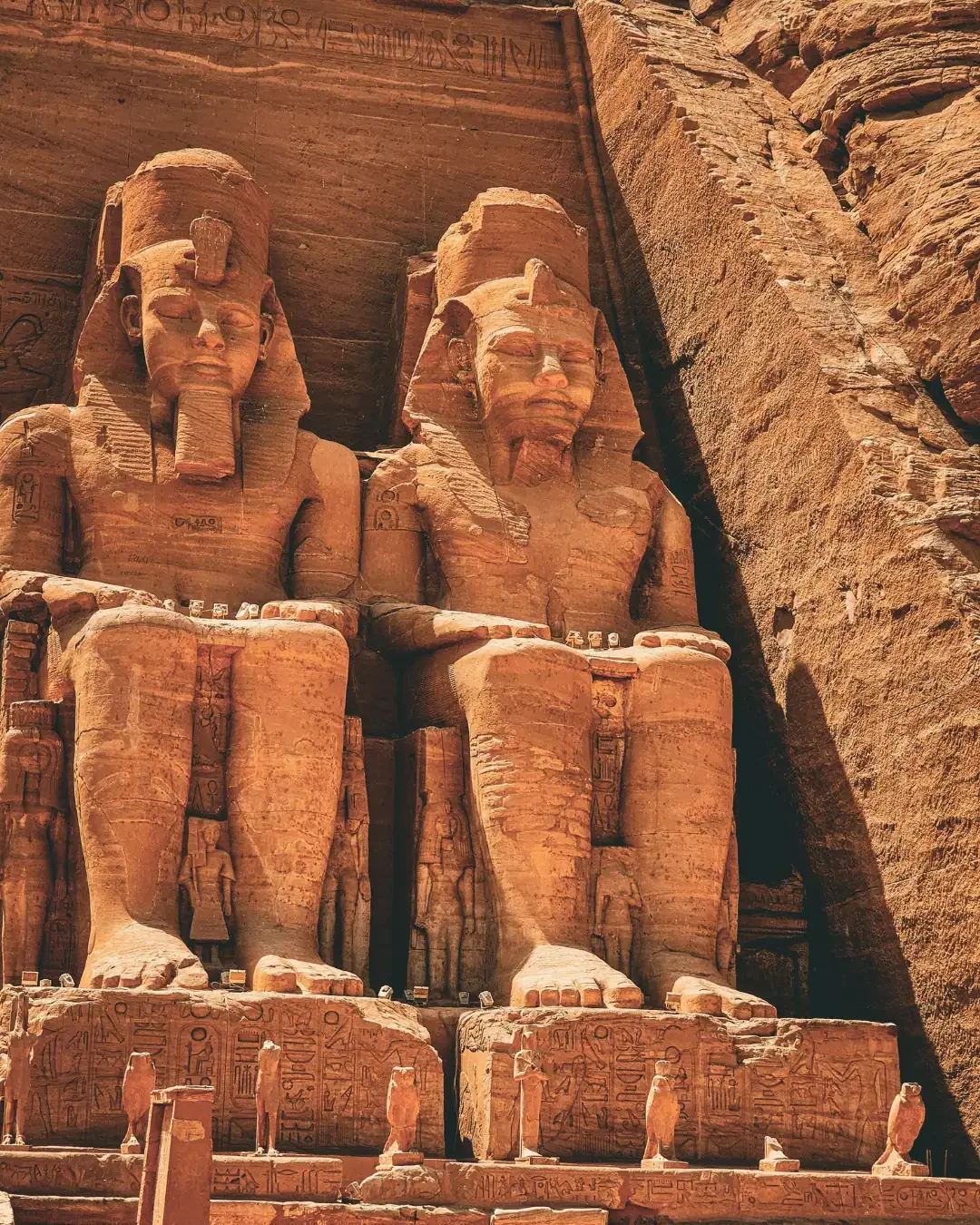
Abu Simbel Temples: Ramses II's Monument to Eternal Glory
The Abu Simbel Temples, carved into a mountainside on the west bank of Lake Nasser, are Egypt's most famous monuments after the Giza Pyramids. Built by Pharaoh Ramses II (1303–1213 BCE) in the 13th …
Latest Dispatches.
Recent stories and cultural insights from the archive.