
The Collected
Notes.
An evolving repository of our deep-dive explorations. From hidden architectural marvels to the profound nuances of global society.
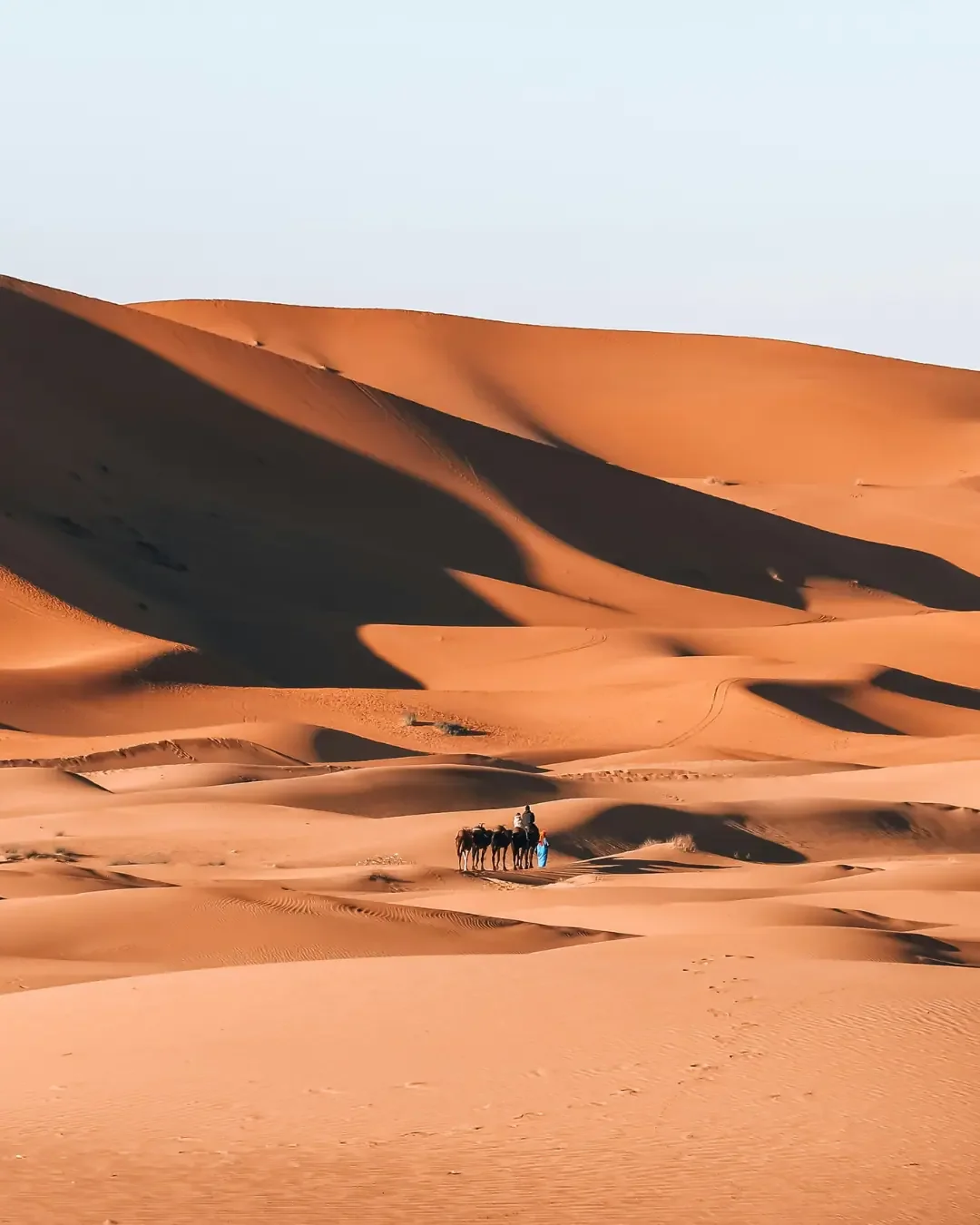
Desert Tourism around Merzouga: Between Sand Dunes and Village Economies
Camel caravans crossing golden dunes at sunset have become iconic in Moroccan tourism promotion, with much of this imagery coming from the Erg Chebbi dune field near Merzouga in south-eastern Morocco. …
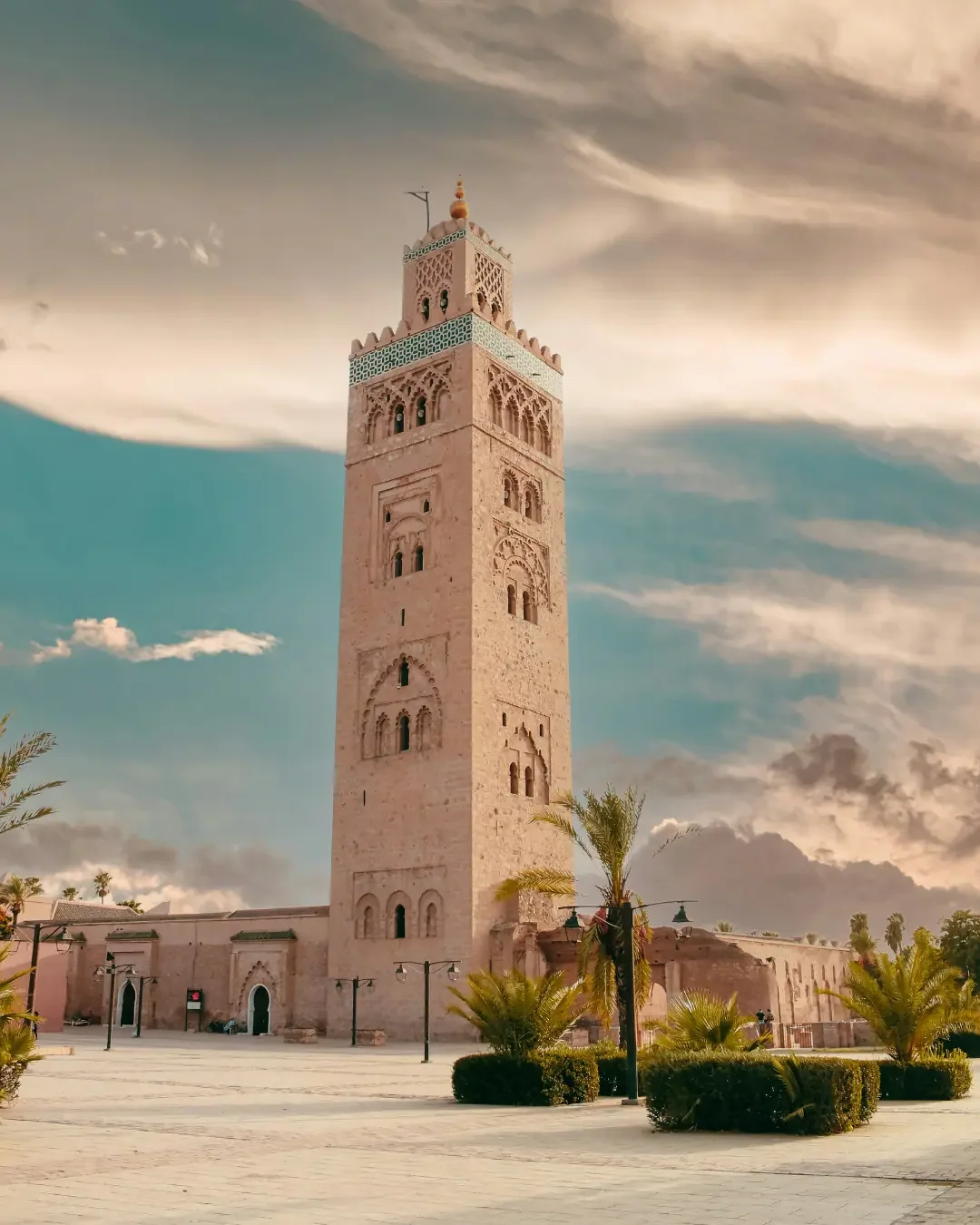
Marrakesh’s Jemaa el‑Fna: An Open‑Air Theatre of Intangible Heritage
Every nightfall, Marrakesh's Jemaa el-Fna square becomes a bustling open-air performance area, with food vendors, storytellers, musicians, snake charmers, and acrobats competing for attention beneath the …
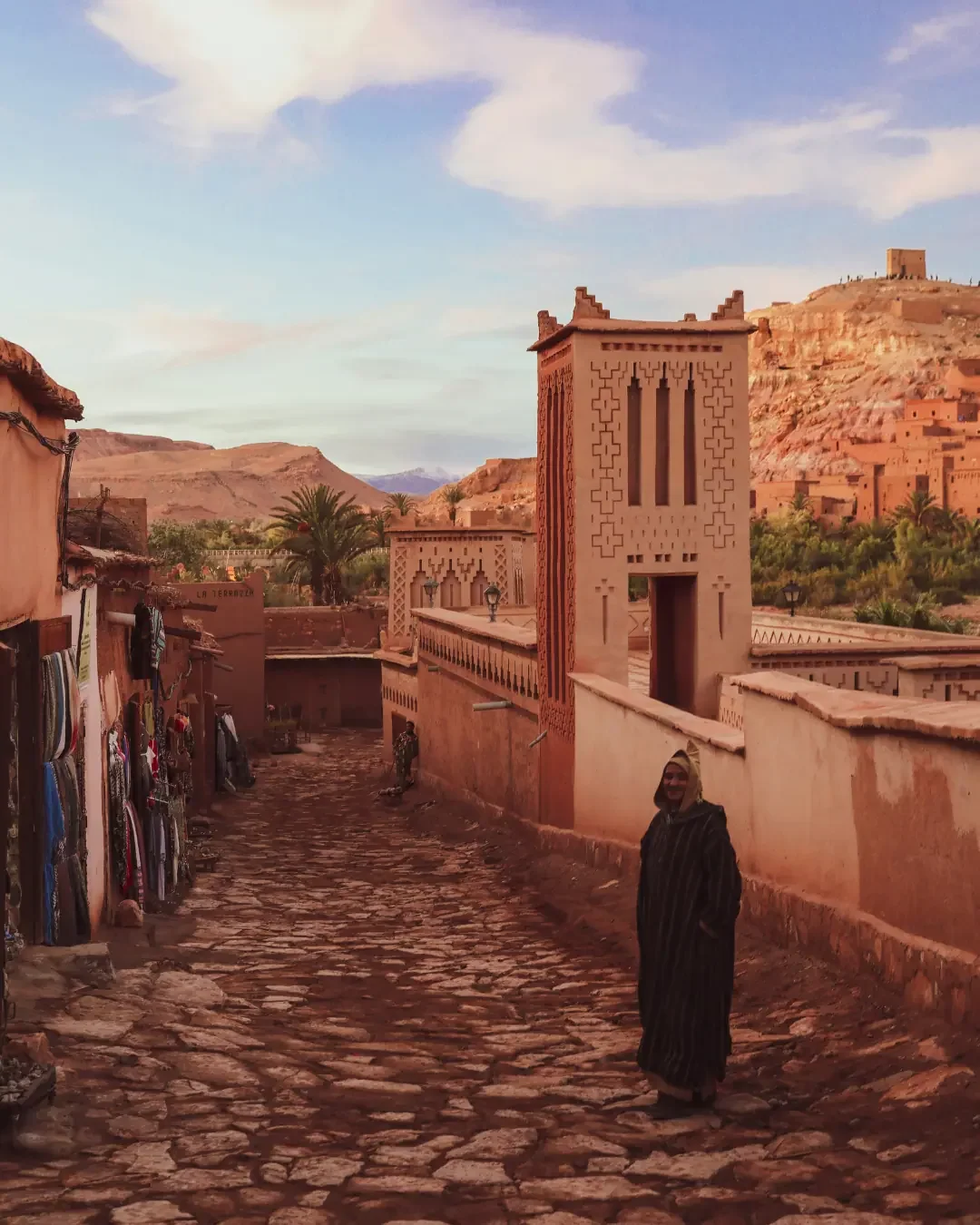
Toubkal and the High Atlas Villages: Life above 2,000 Metres
Jebel Toubkal, at around 4,165 meters, is Morocco's and North Africa's highest summit, although its significance extends beyond just a tick on mountaineers' peak lists. Toubkal, located in the central steep Atlas south of …
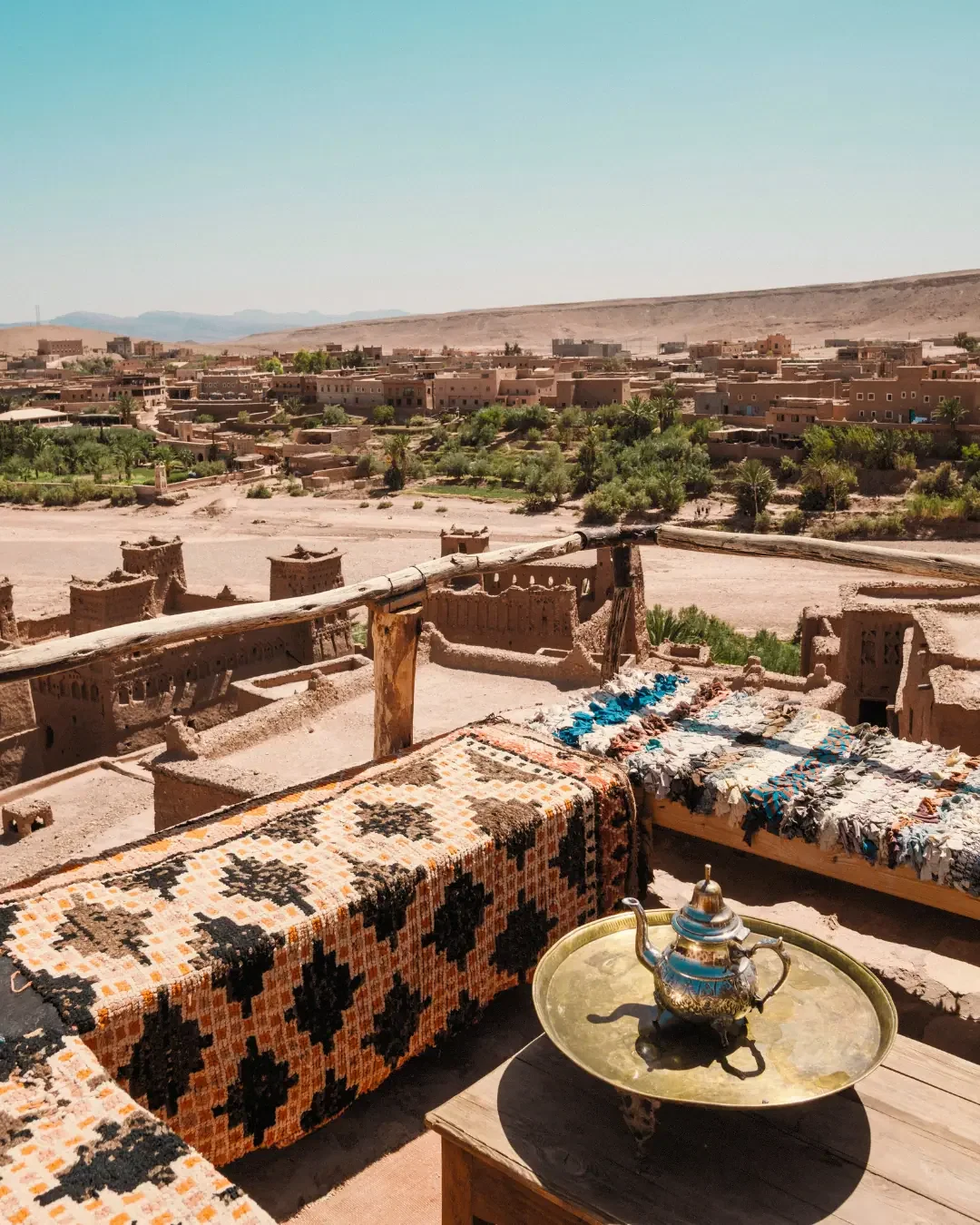
Tourism and the Moroccan Diaspora: Visitors as “Returning Citizens”
Morocco's recent tourism statistics reveal an intriguing fact: over half of all reported visitors are Moroccans resident abroad (MREs), not just international tourists. In 2024, the country will welcome around 17.4 million …
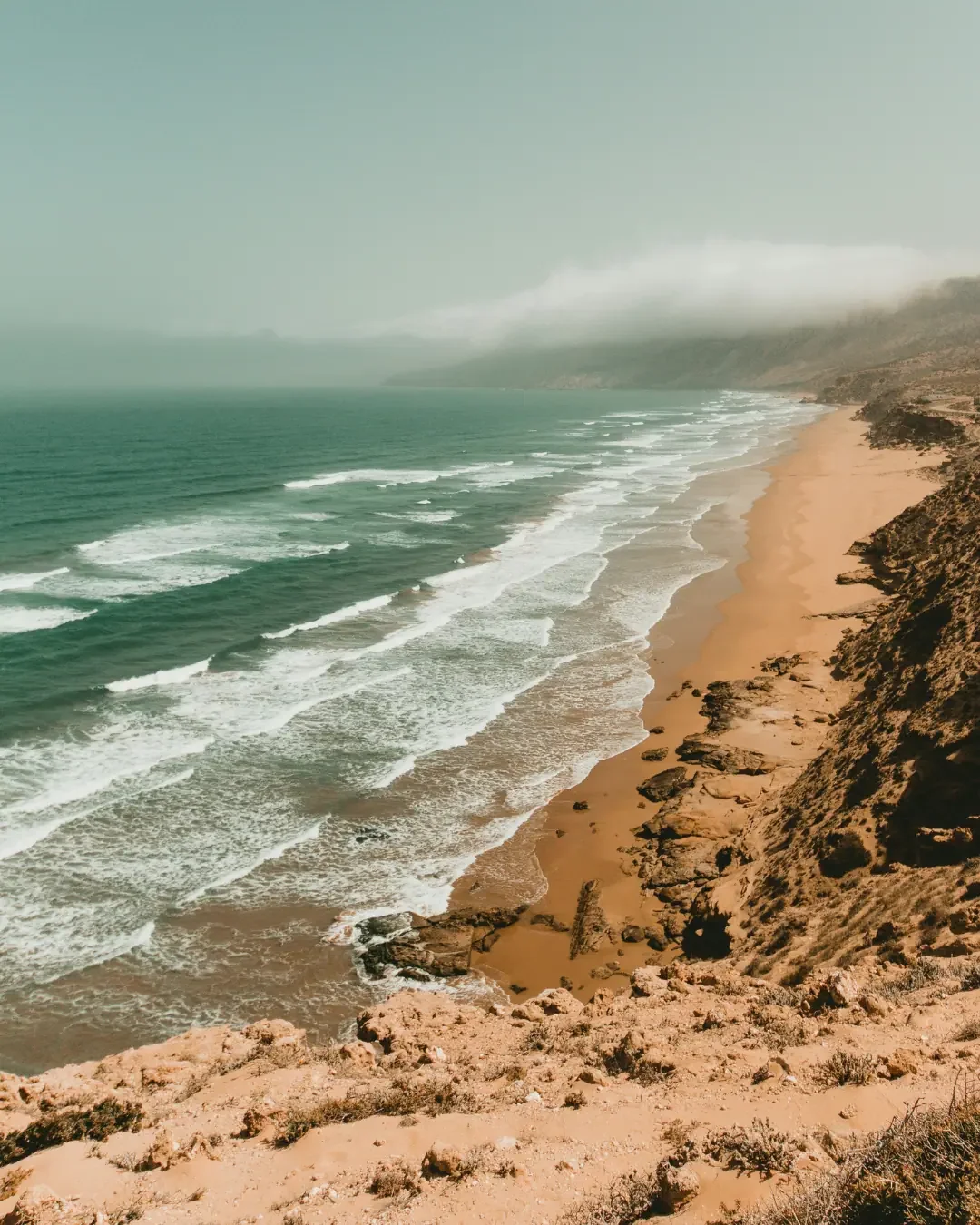
Coastal Resorts and Surf Towns: The Atlantic Face of Moroccan Tourism
While Morocco is frequently marketed through images of medinas and deserts, its long Atlantic coastline has grown increasingly vital for tourism, notably in cities like Agadir and rising surf villages. Agadir, …
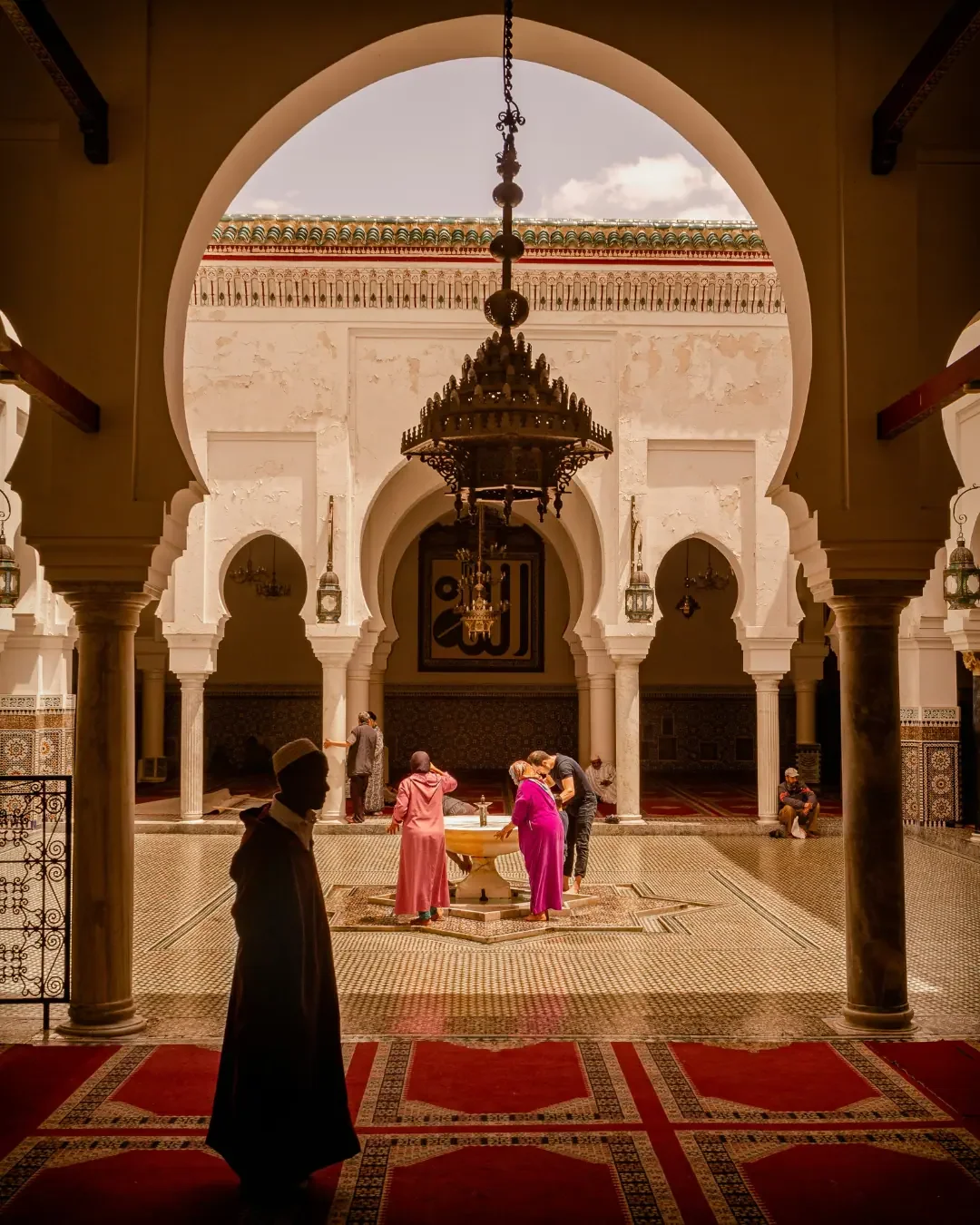
Fez: A Medieval University City Still in Use
Fez's medina is a well-preserved old Islamic city that transports visitors back to the 14th century. Founded in the 9th century and prospering under the Marinid dynasty in the 13th-14th centuries, Fez became …
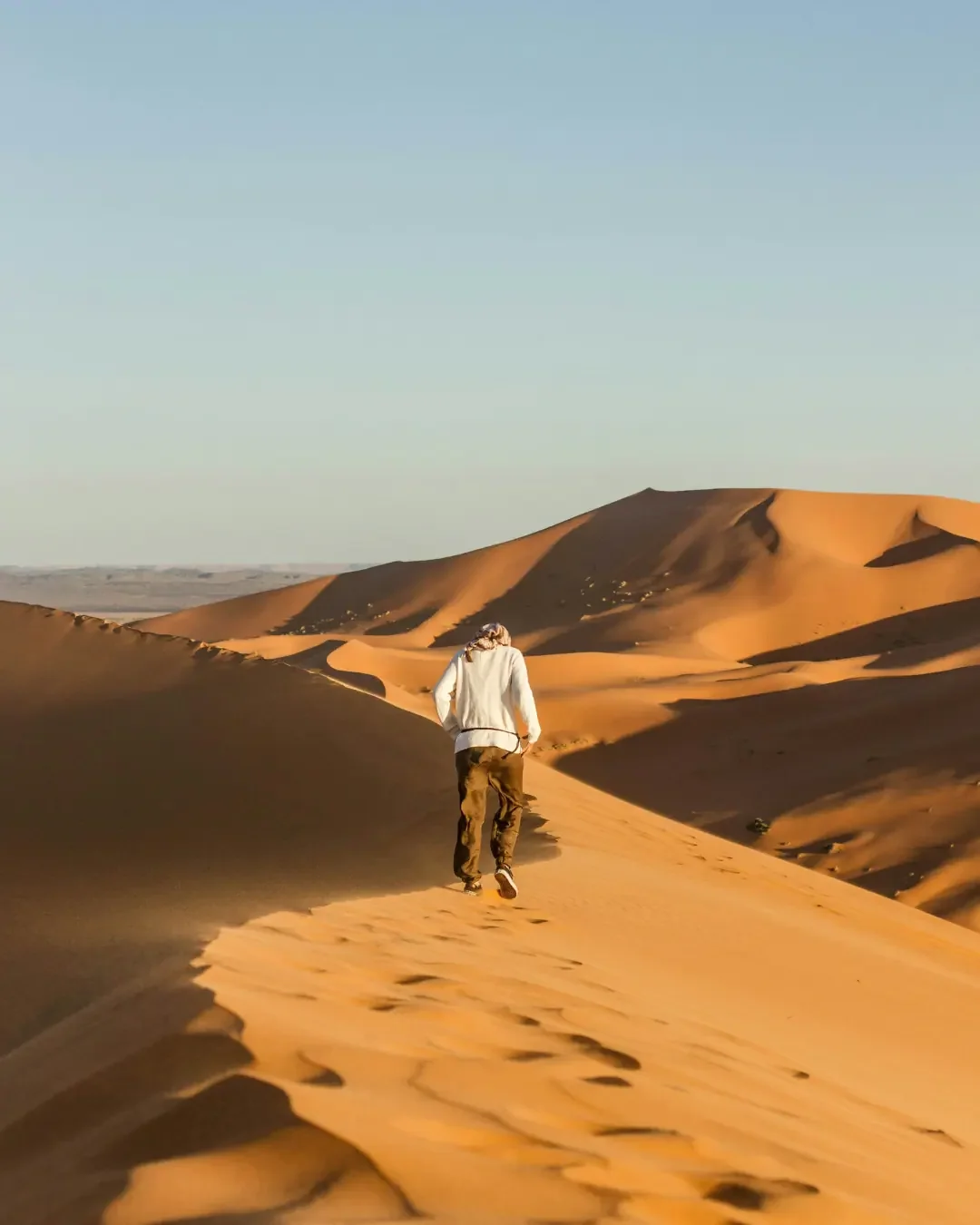
From Rif to Sahara: A Country of Coasts, Mountains, and Ergs
Morocco is strategically located in North-West Africa, bordering the Atlantic Ocean and Mediterranean Sea, and commanding one side of the Strait of Gibraltar. This location has an extraordinarily broad range of …
A Young, Urbanising Society between Arab and Amazigh Identities
Morocco's population is projected to reach 36.8 million by 2024, with the majority living in the lush north-western coastal and inland plains with higher rainfall. Moroccans are predominantly of Arab, Amazigh …
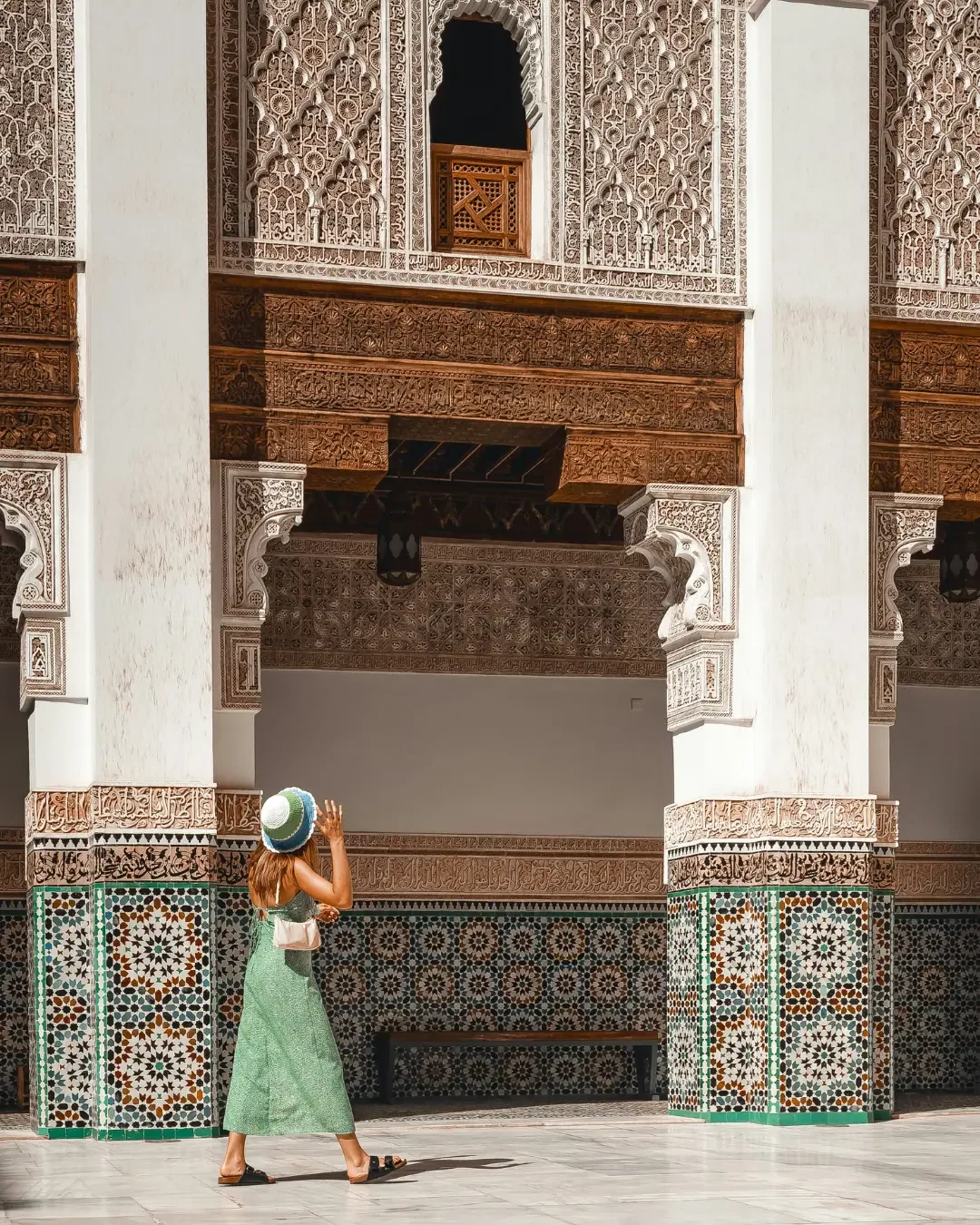
Record‑Breaking 2024: Morocco as a Tourism Powerhouse
Morocco's tourism industry has grown rapidly during the last decade, with 2024 being a record year. The Ministry of Tourism reported that the country received approximately 17.4 million visitors in 2024, a 20% rise …
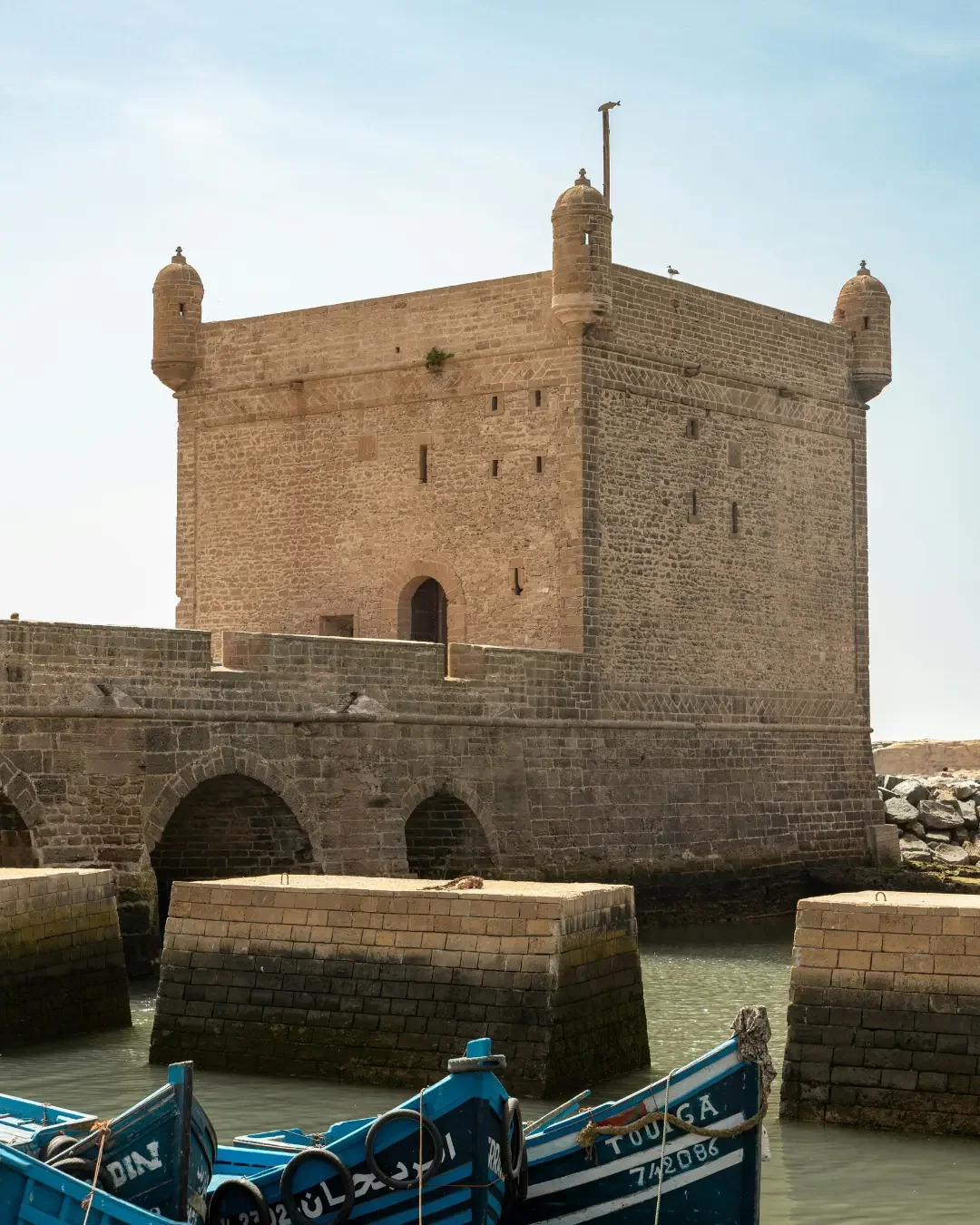
Essaouira: A Port City between Gnawa Music and Atlantic Trade
Essaouira, known as Mogador in earlier European sources, is a walled city on Morocco's Atlantic coast that exemplifies how architecture, music, and marine trade intersect in a compact urban space. Founded …
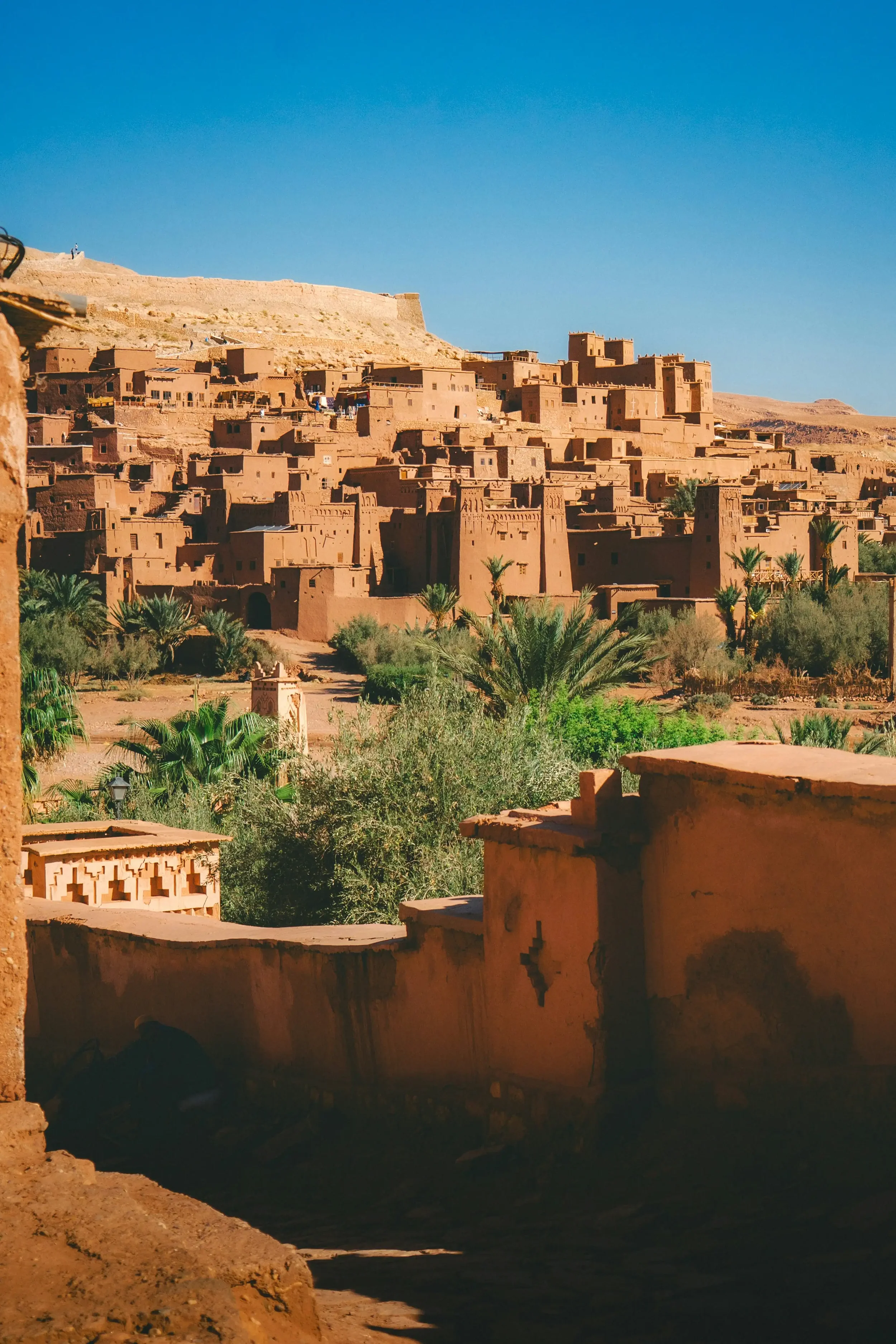
The Atlas Mountains: Morocco’s Climatic Spine
The Atlas Mountains are the physical backbone of Morocco, influencing everything from rainfall patterns and river systems to settlement and agriculture. The country's mountains are separated into three ranges: …
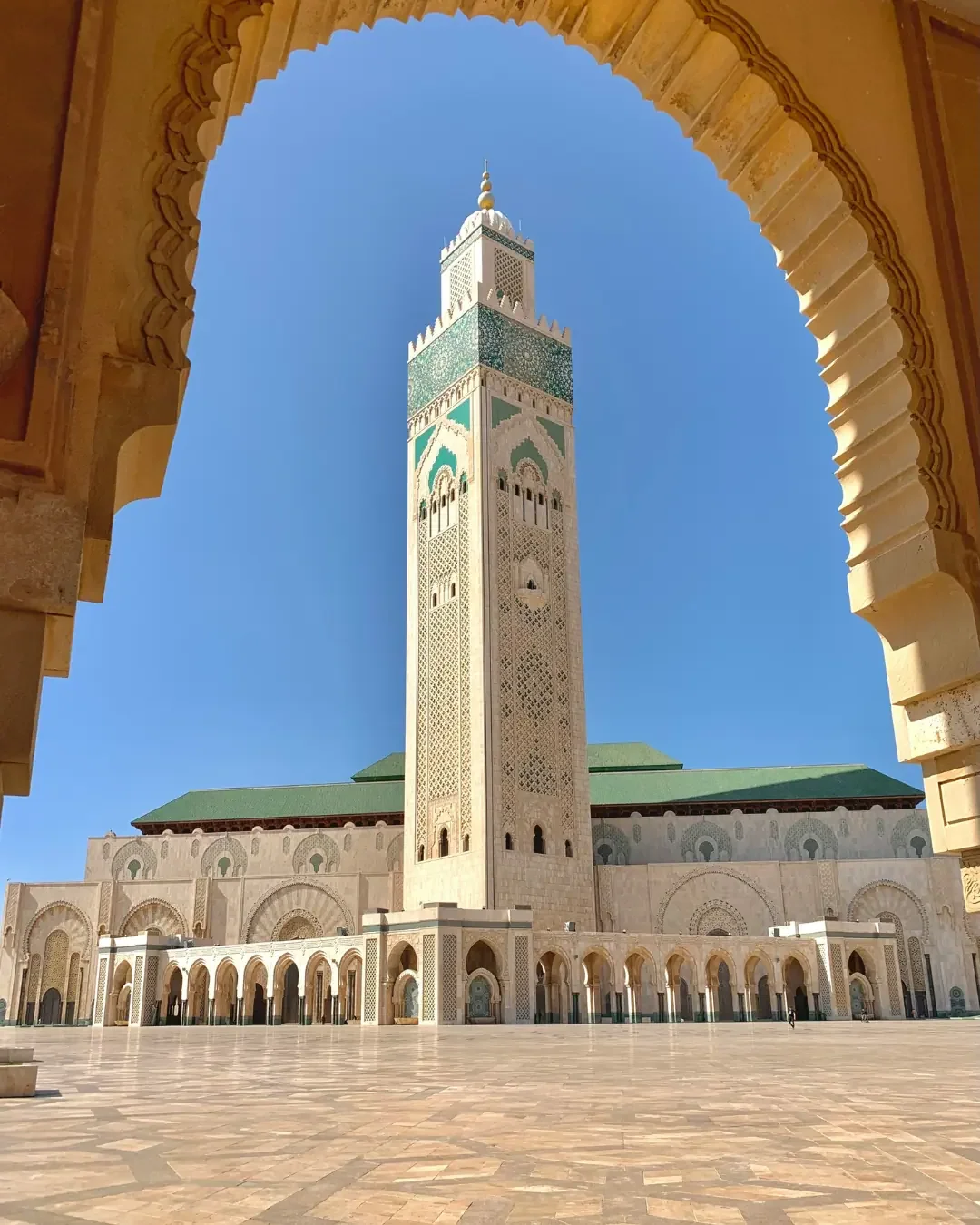
Religion in Public Space: Islam and Everyday Practices
Islam is the major religion in Morocco, and mosques, minarets, and the five daily calls to prayer all contribute to its visible and audible presence in public life. The vast majority of Moroccans are Sunni Muslims who …
Latest Dispatches.
Recent stories and cultural insights from the archive.