
Articles
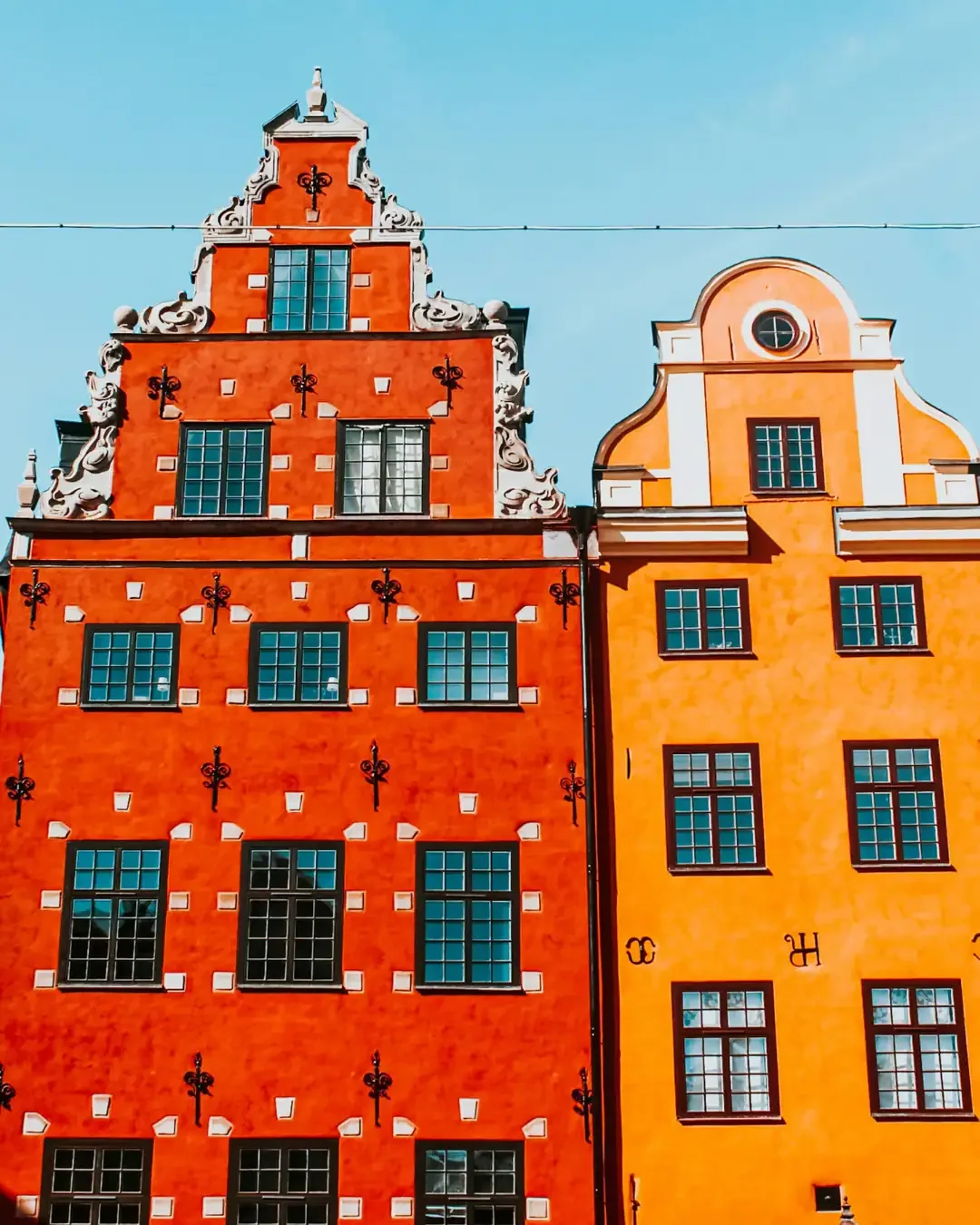
Gamla Stan: Stockholm’s Medieval Heart
Gamla Stan, Stockholm's Old Town, is a tiny island at the point where Lake Mälaren meets the Baltic Sea. It is one of Europe's best-preserved medieval cities. Stockholm's narrow, meandering cobblestone …
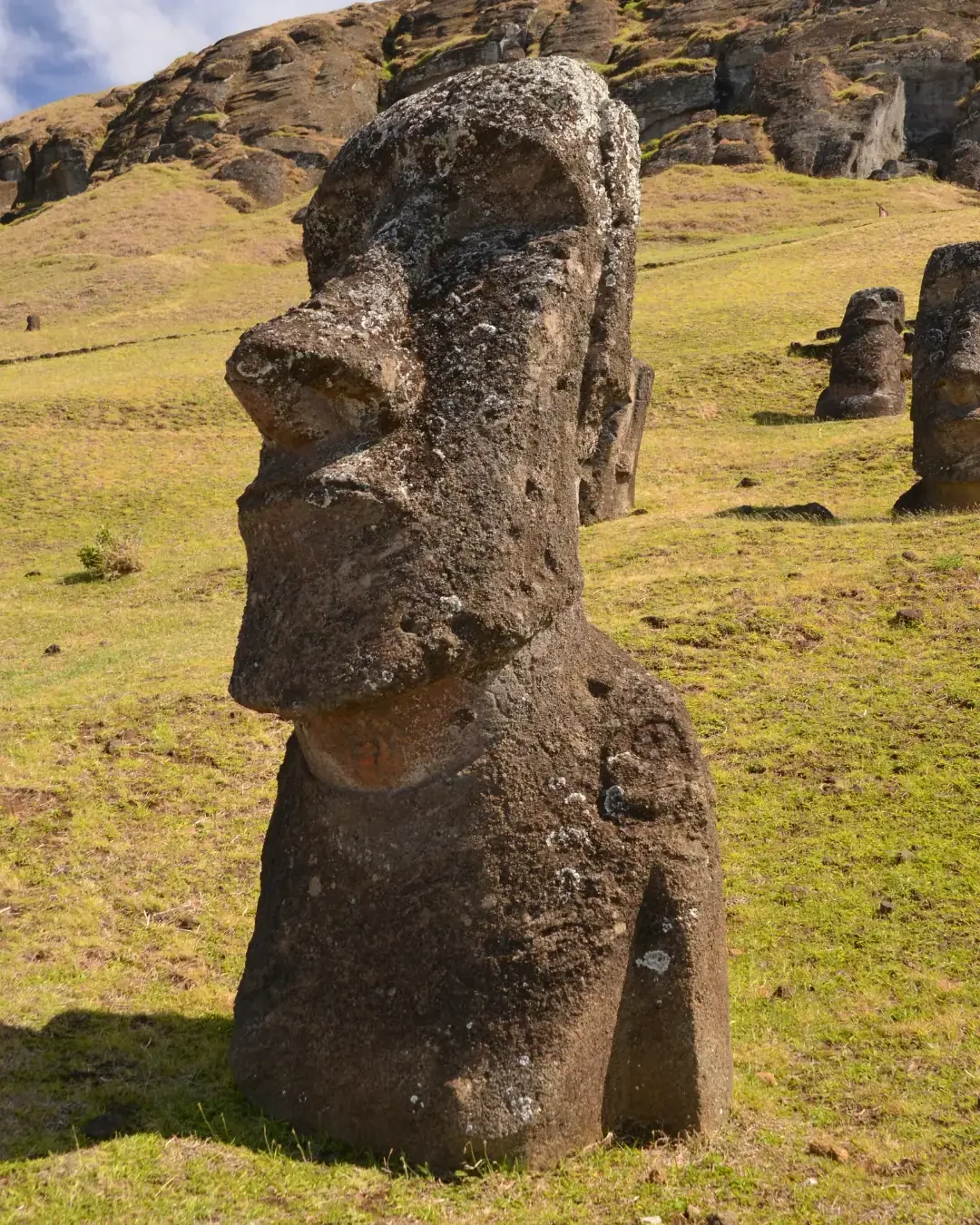
Rapa Nui (Easter Island): Moai, Landscape and Polynesian Memory
Rapa Nui, also known as Easter Island, holds a unique role in Chile's cultural geography. It is one of the world's most remote inhabited islands, located in the southeastern Pacific more than 3,500 kilometers …
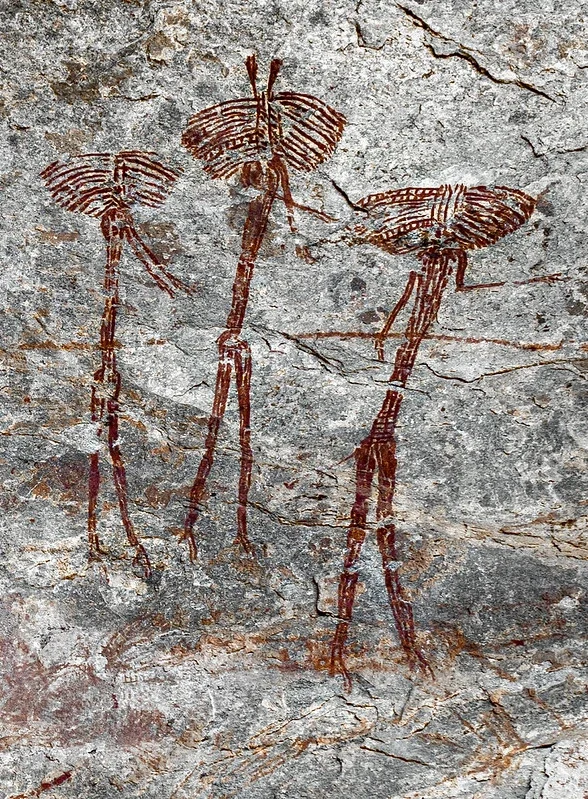
Kondoa Rock-Art Sites: Windows into Ancient East African Life
The Kondoa Rock-Art Sites, designated a UNESCO World Heritage Site in 2006, provide a unique view into the artistic expression and spiritual life of ancient East African tribes. Found in Tanzania's Dodoma region, …
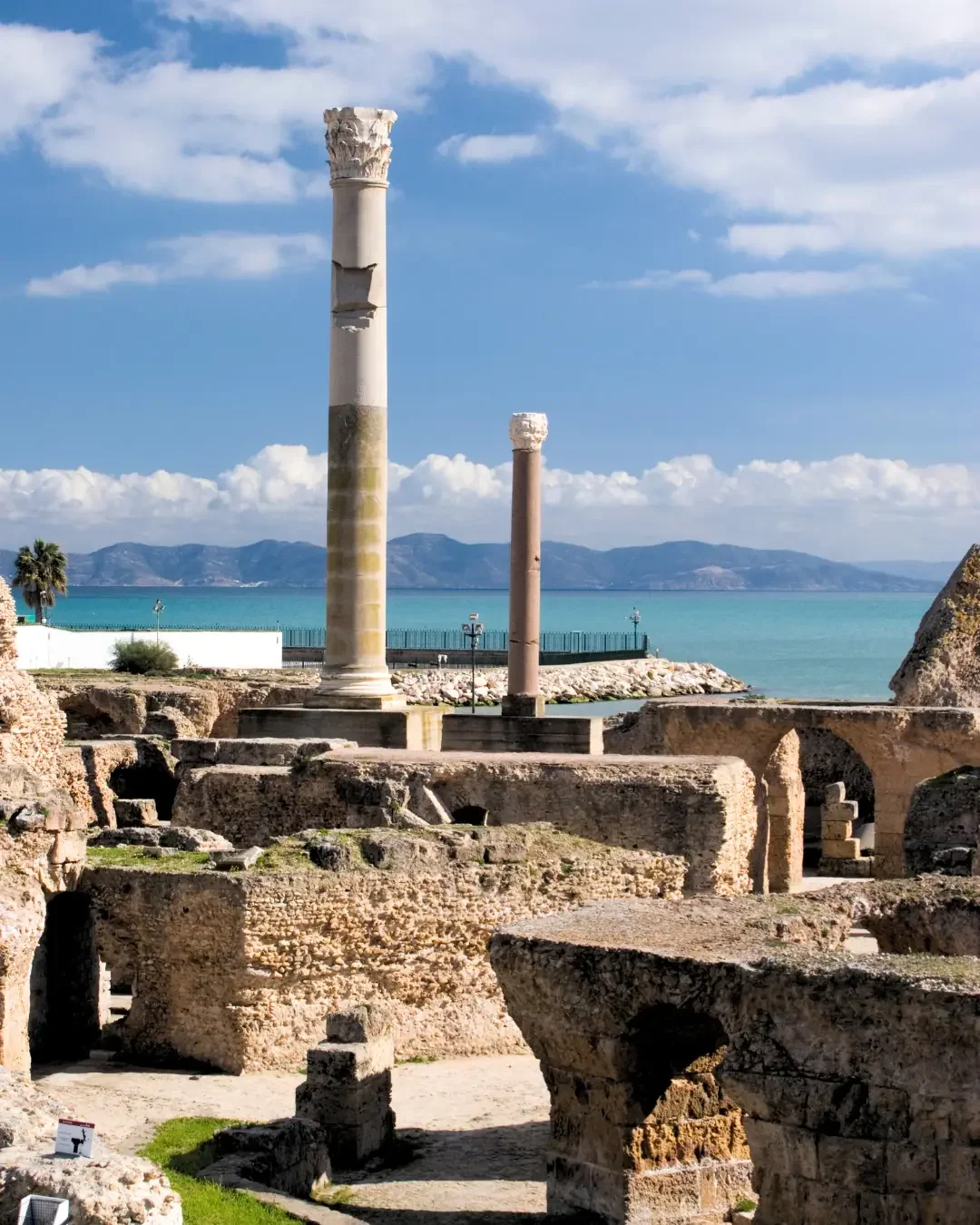
Carthage: The Ruins of an Empire That Challenged Rome
On a hill overlooking the Gulf of Tunis, just north of the contemporary capital, are the scattered but spectacular remnants of Carthage, one of the ancient world's most formidable civilizations. Founded by …
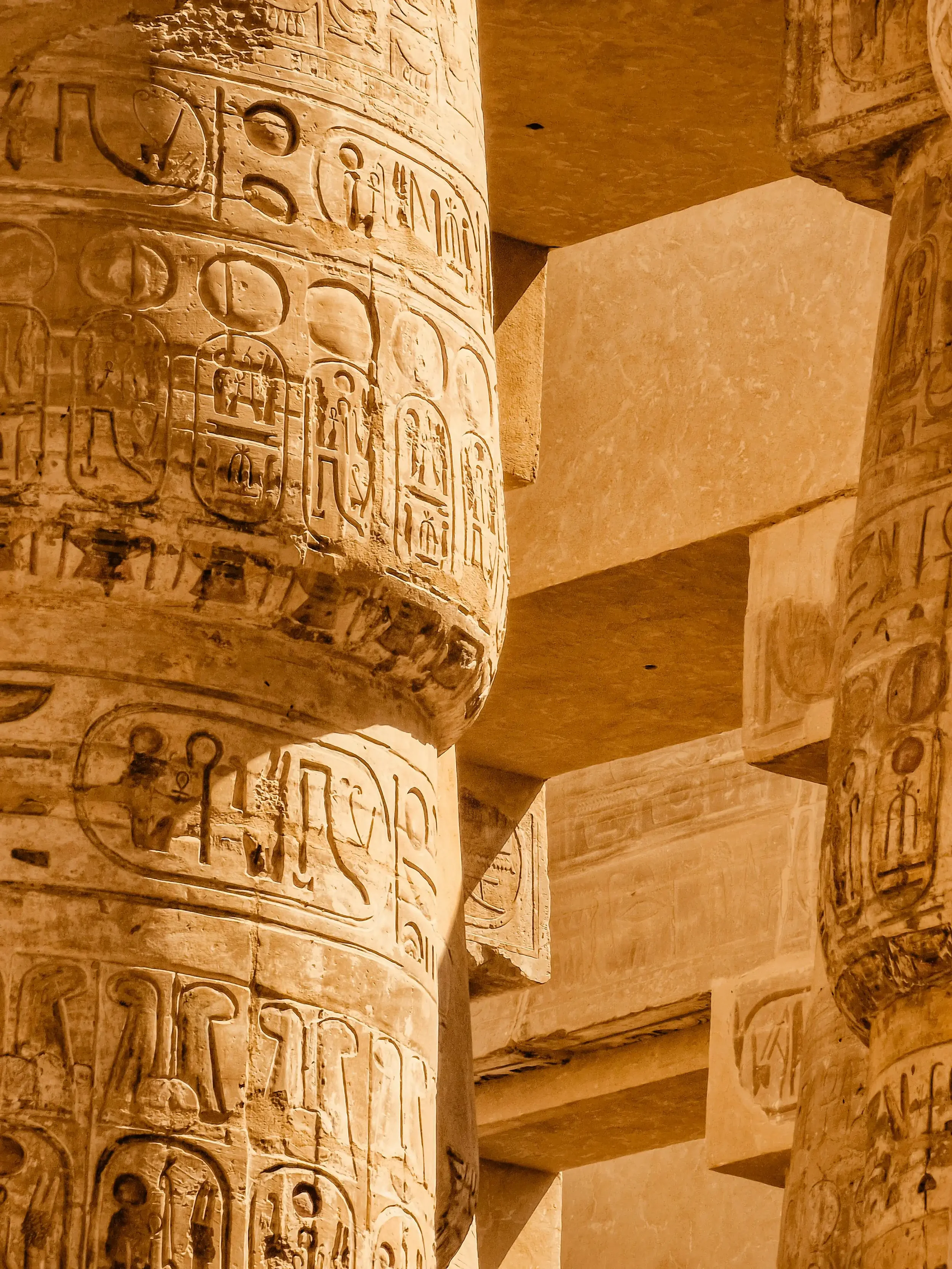
Luxor and Karnak: The World's Greatest Open-Air Museum
Luxor, built on the site of ancient Thebes, is the world's largest open-air museum, with temples, ruins, and historic sites forming the most stunning collection of ancient monuments seen anywhere in Egypt. The …
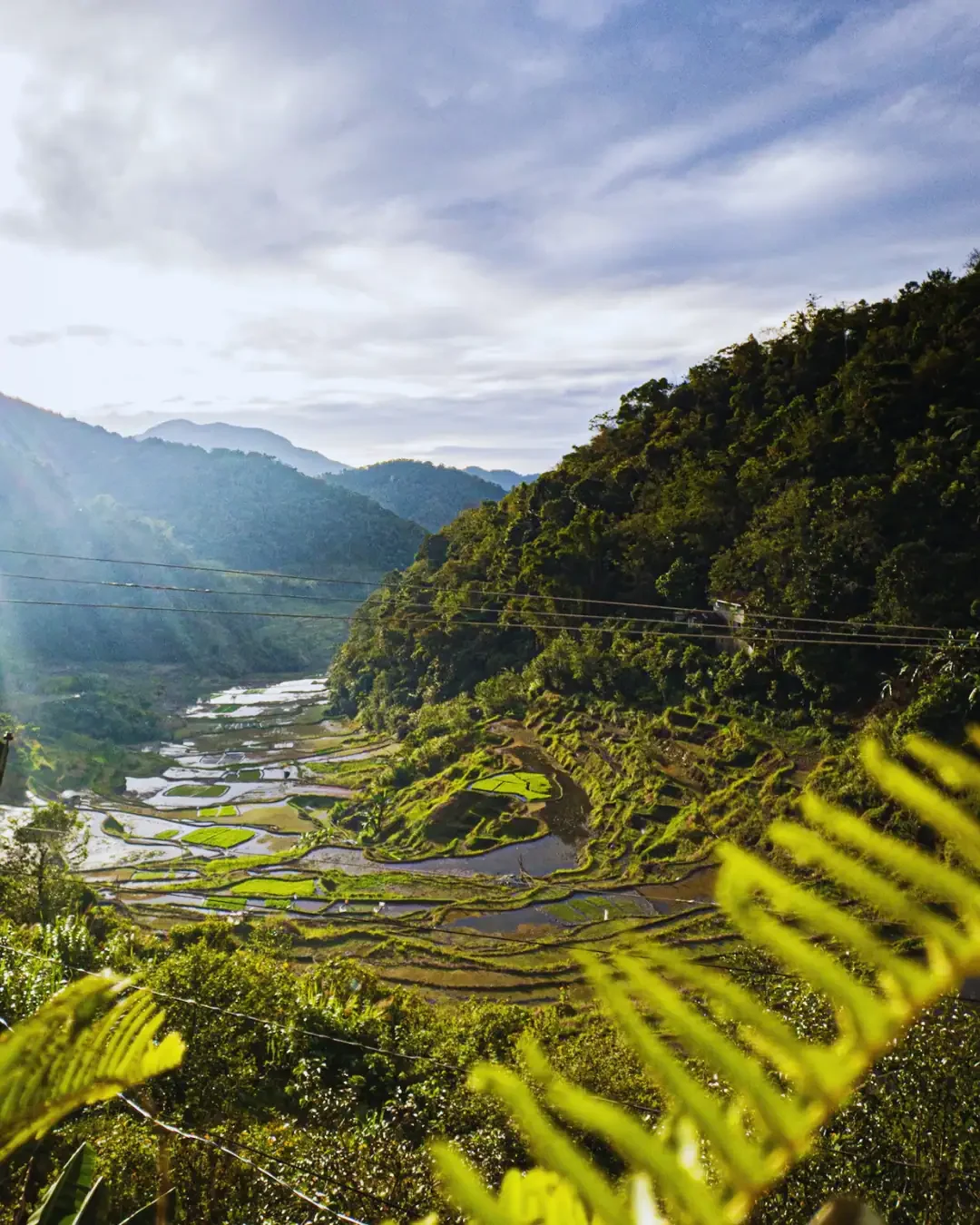
The Banaue Rice Terraces: Two Thousand Years of Living Sculpture
High in the Cordillera Mountains of northern Luzon, the Ifugao Rice Terraces represent one of the most extraordinary agricultural feats in history. Carved into near-vertical slopes approximately 1,500 meters …
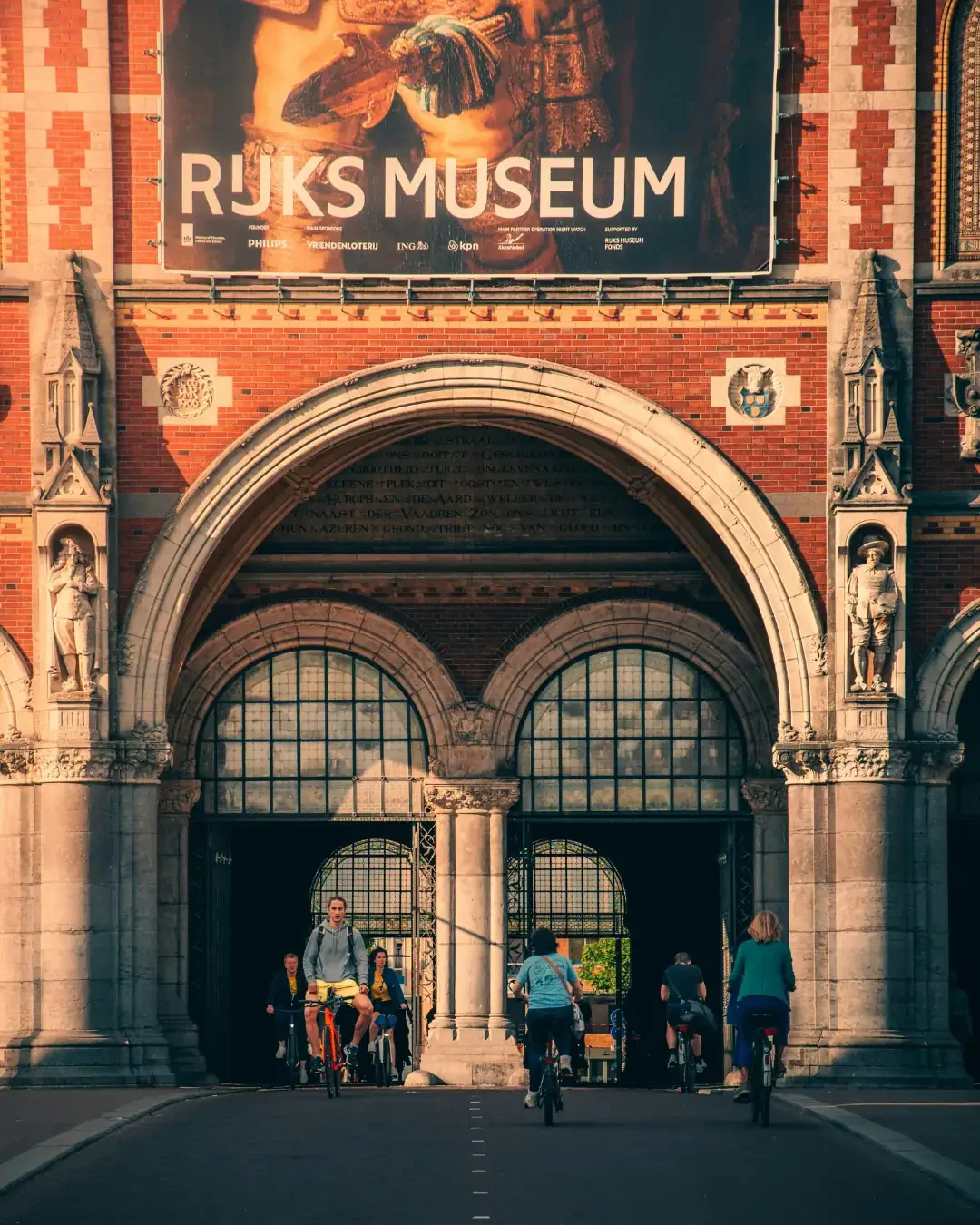
The Rijksmuseum: Dutch Golden Age in a Single Building
The Rijksmuseum is the Netherlands' flagship museum, housing the world's most extensive collection of Dutch Golden Age art and history. The 19th-century edifice, designed by architect Pierre Cuypers, combines …
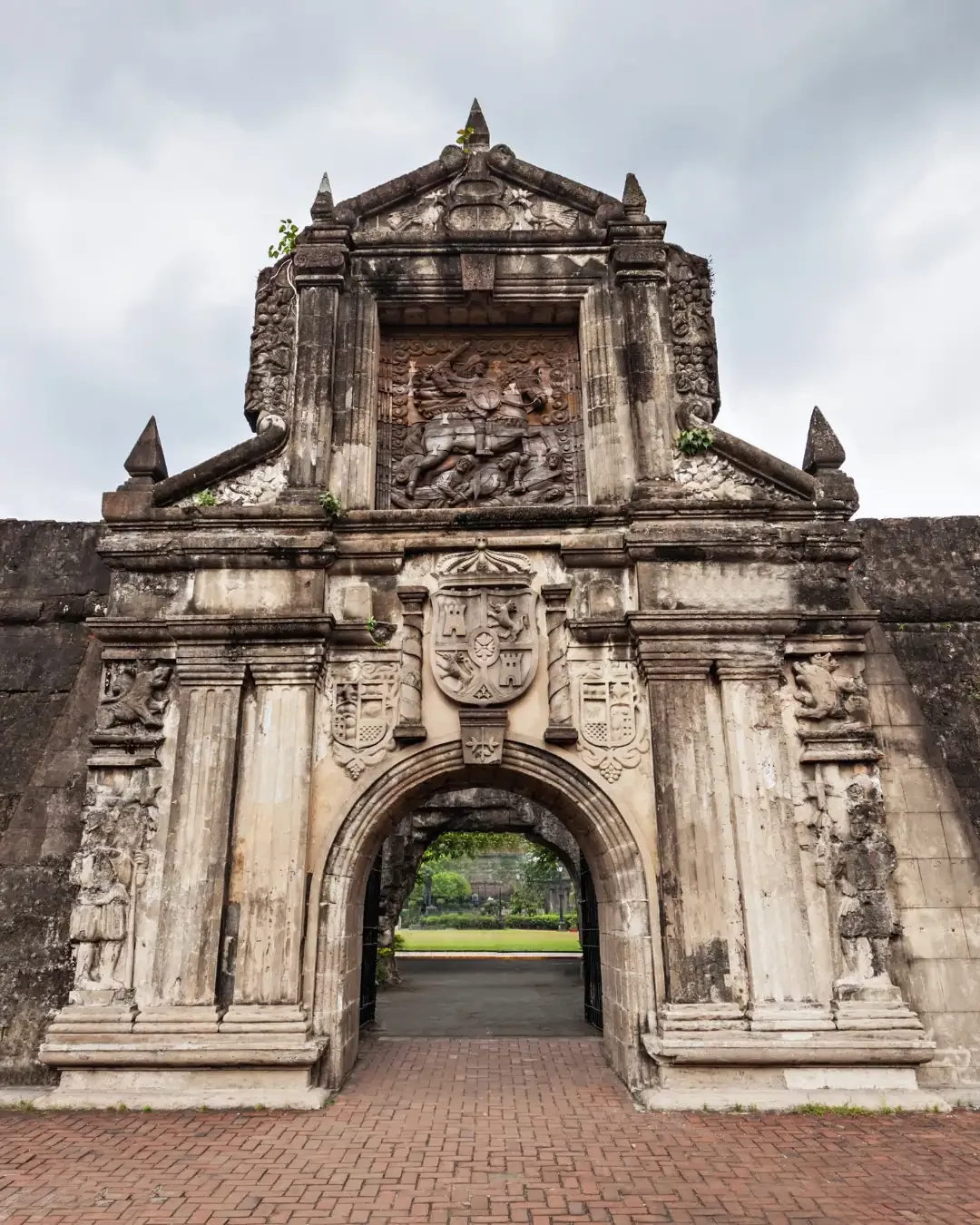
Intramuros: Manila's Walled City and the Soul of a Colonial Empire
Intramuros, meaning "within the walls," is the 59-hectare historic heart of Manila. Established in 1571 by Miguel López de Legazpi on the banks of the Pasig River, it served for over 300 years as the seat of …
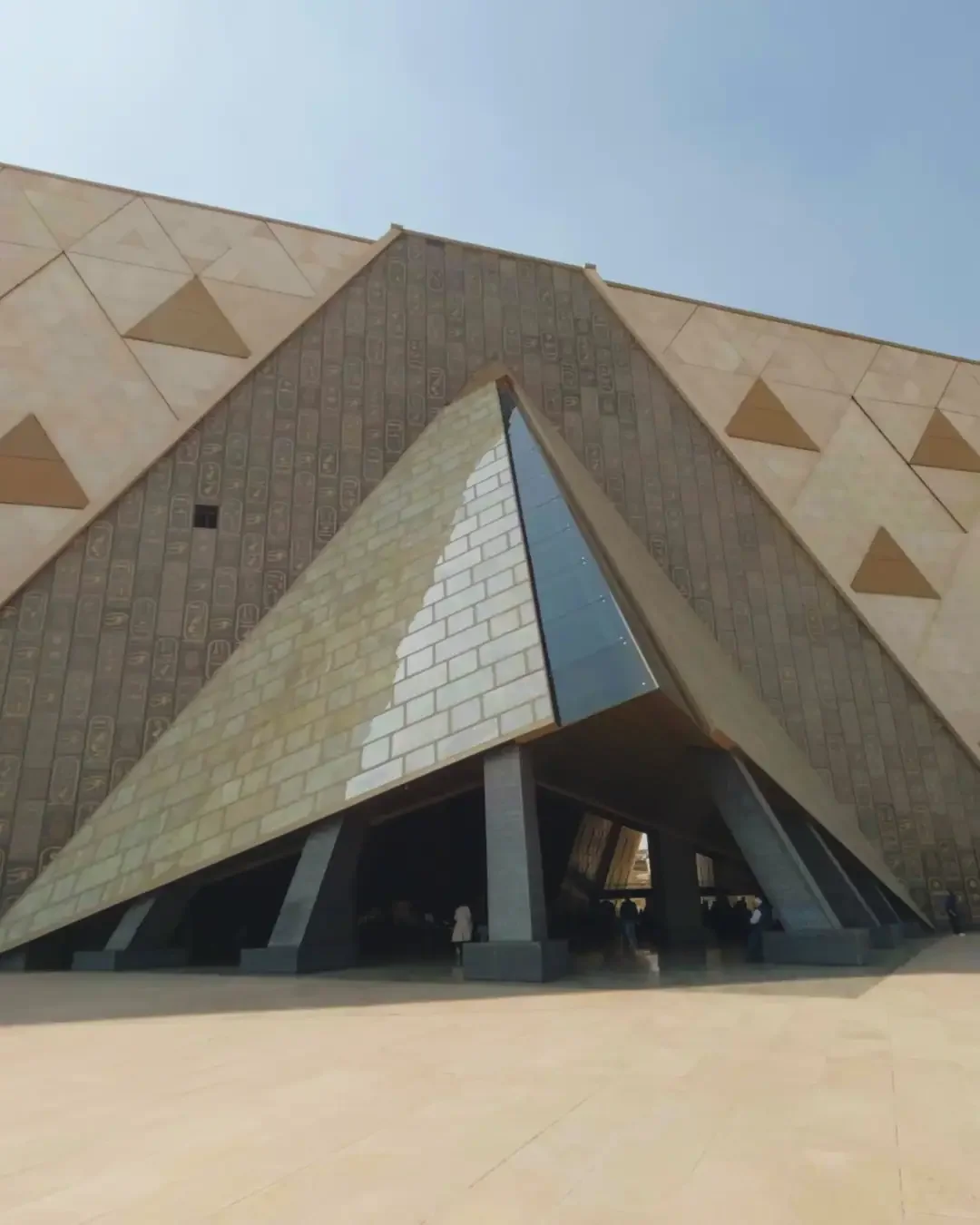
The Grand Egyptian Museum: A New Era for Ancient Treasures
The Grand Egyptian Museum (GEM), opening in 2026, is one of the world's most ambitious cultural projects, symbolizing a watershed moment in Egyptology and the preservation of global history. Located just two …
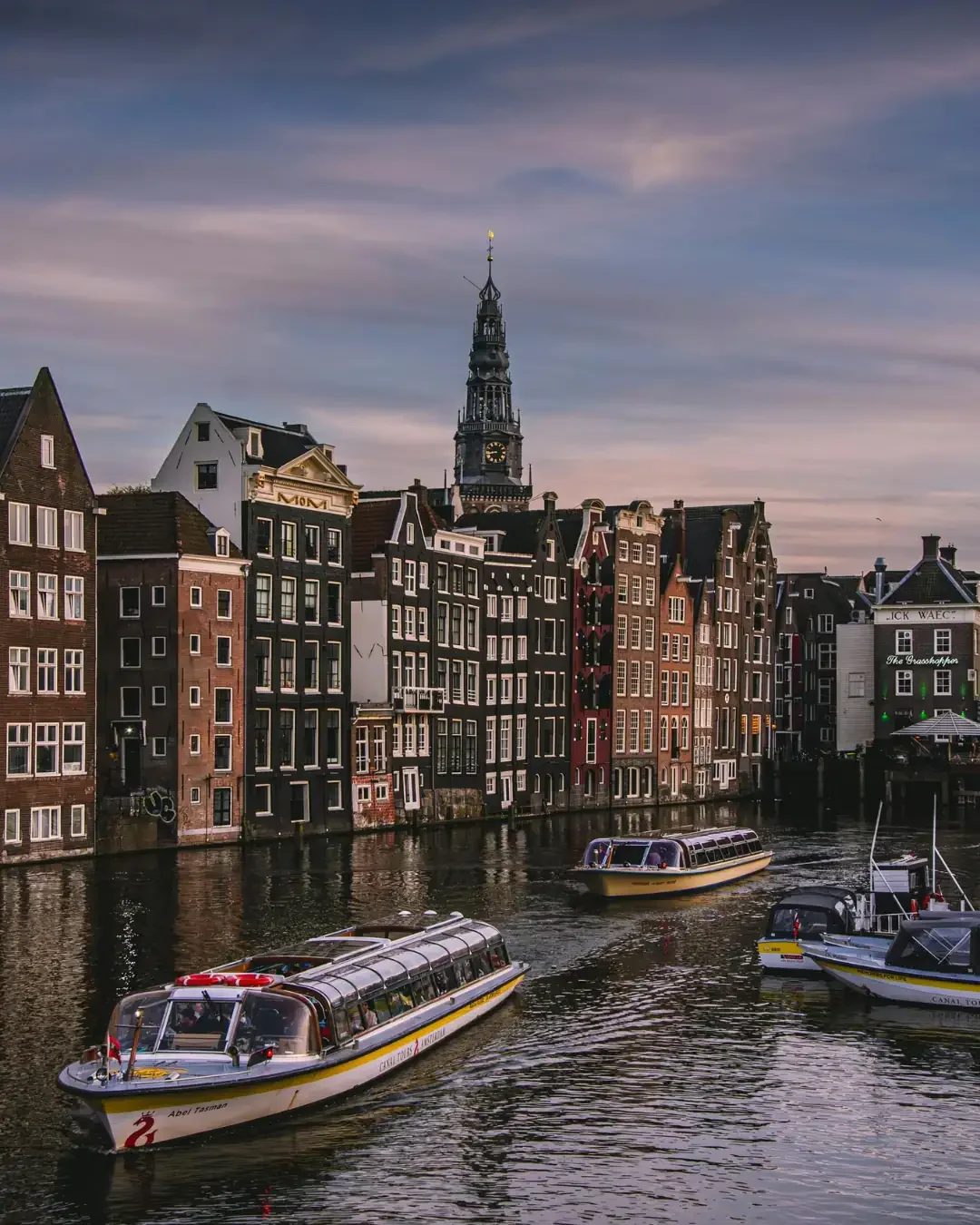
Amsterdam’s Canal Ring: Living Water Heritage
Amsterdam's canal belt, a 17th-century achievement of urban planning and hydraulic engineering, was designated a UNESCO World Heritage Site in 2010. During the Dutch Golden Age, the Grachtengordel …
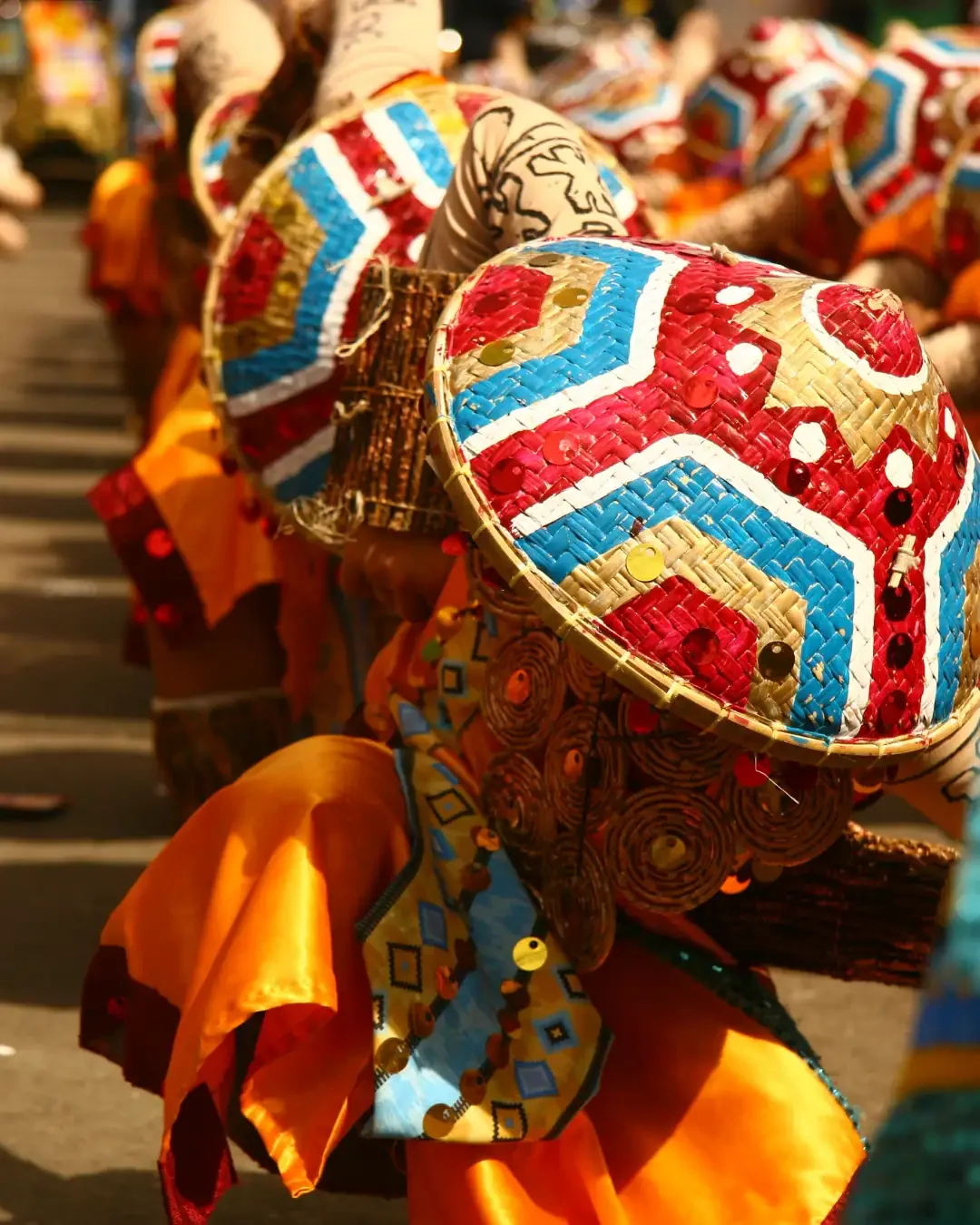
Sinulog Festival: Cebu's Dance of Faith and Fire
The Sinulog Festival, held every third Sunday of January in Cebu City, is one of Southeast Asia's most stunning celebrations. It honors the Santo Niño (the Child Jesus) through a unique marriage of Catholic …
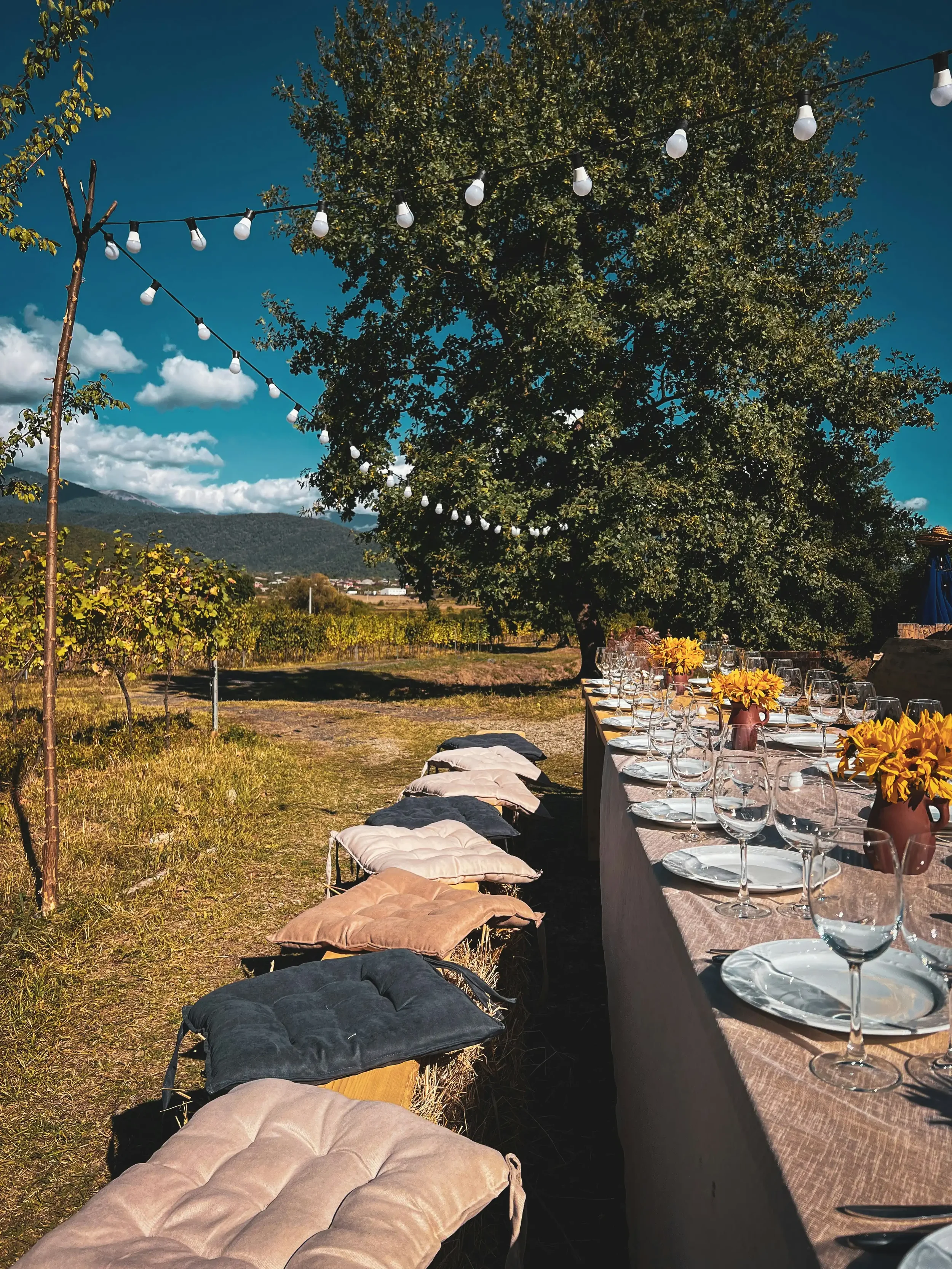
Georgian Wine Culture: Eight Thousand Years of Qvevri Tradition
Georgia has the distinction of having the world's oldest and longest-continuing wine culture, with archeological evidence dating back around 8,000 years to Neolithic villages such as Gadachrili Gora …
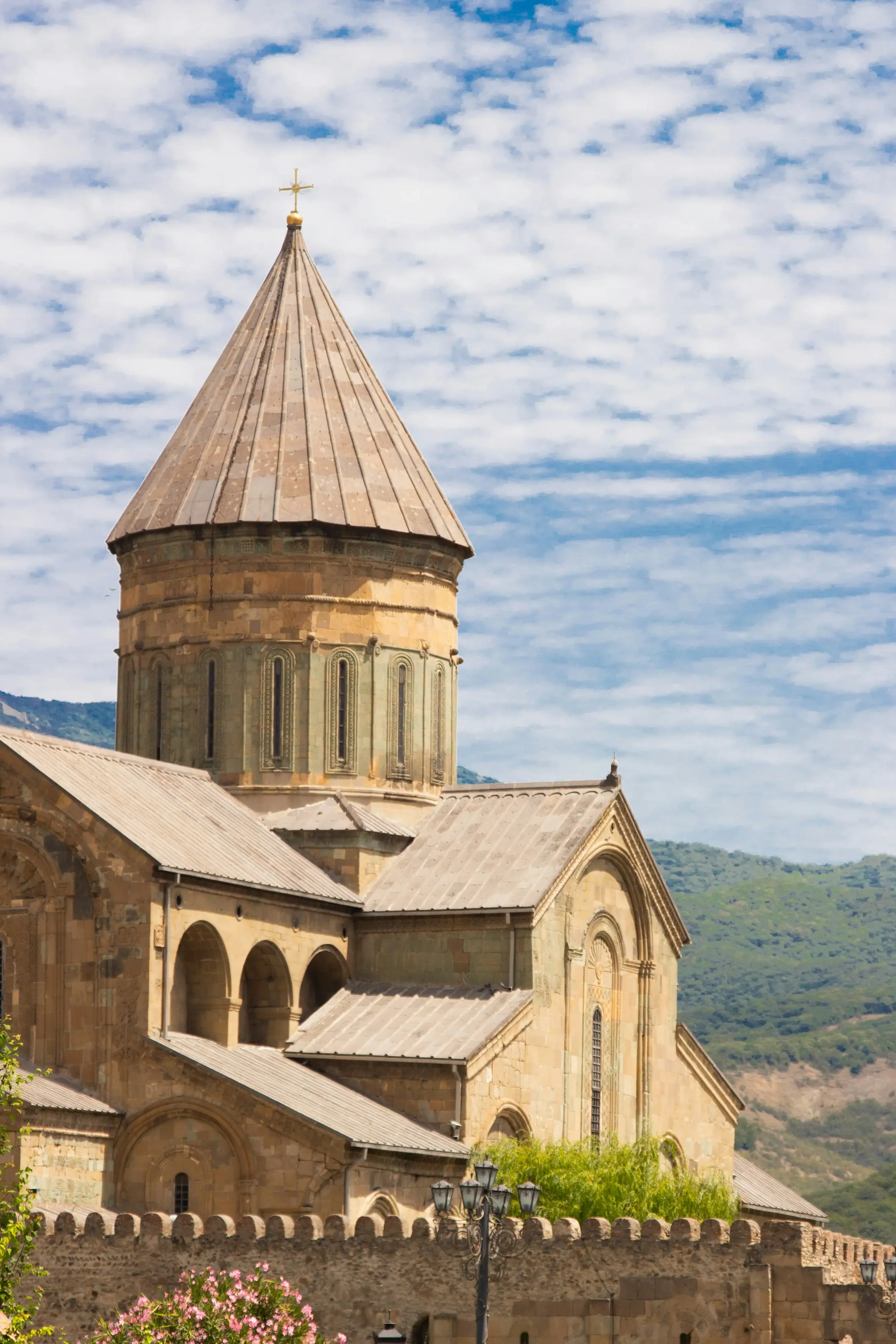
Svetitskhoveli Cathedral: The Seamless Robe and Georgia's Spiritual Heart
Svetitskhoveli Cathedral, located in Mtskheta, about 20 kilometers (12 miles) north of Tbilisi, is Georgia's most sacred religious site and one of the world's most spiritually significant Orthodox cathedrals. It is …
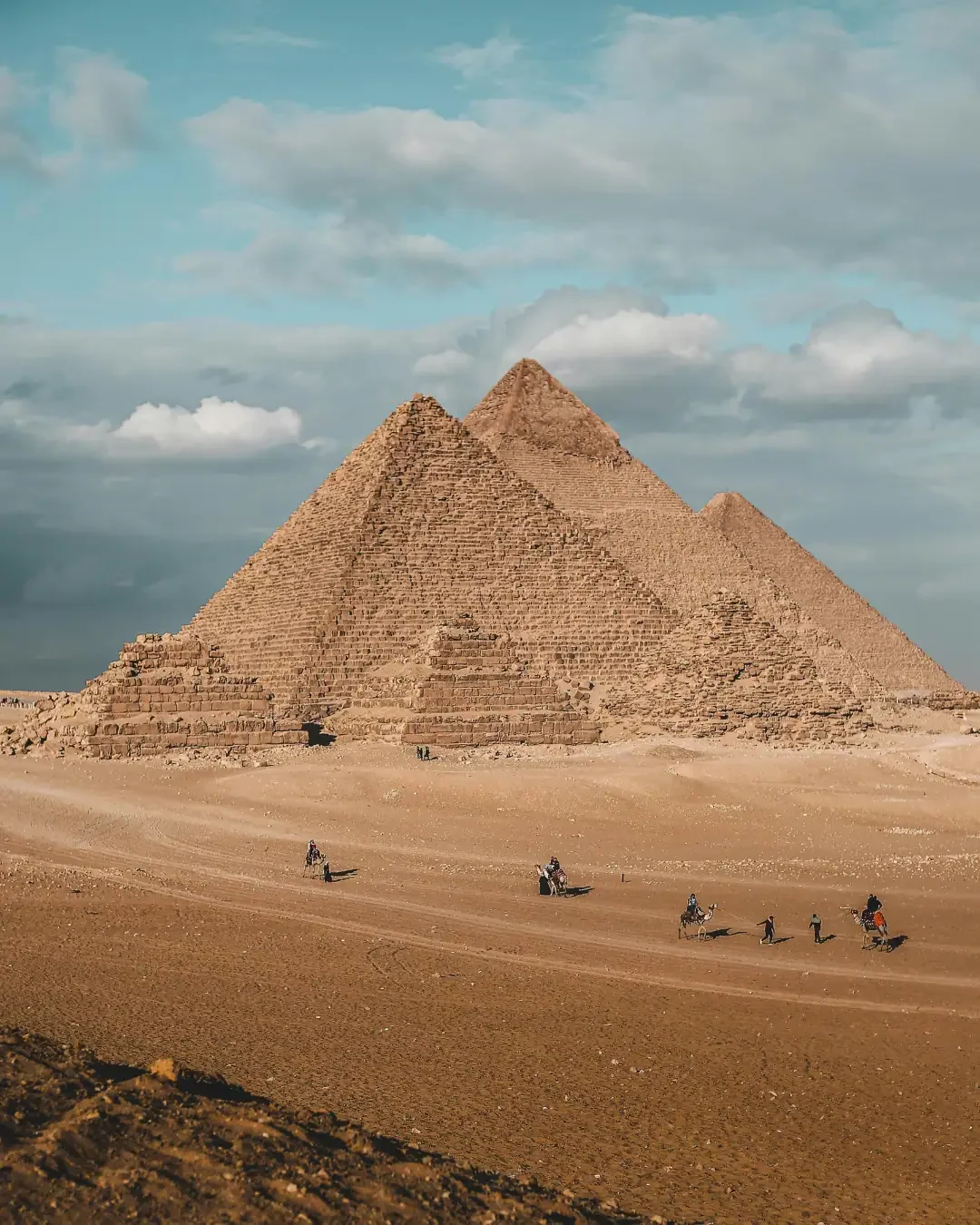
The Pyramids of Giza: Last Wonder of the Ancient World
The Pyramids of Giza are among humanity's most recognizable ancient landmarks, rising from a desert plateau barely 13 kilometers (8 miles) southwest of Cairo and symbolizing the zenith of Old Kingdom …
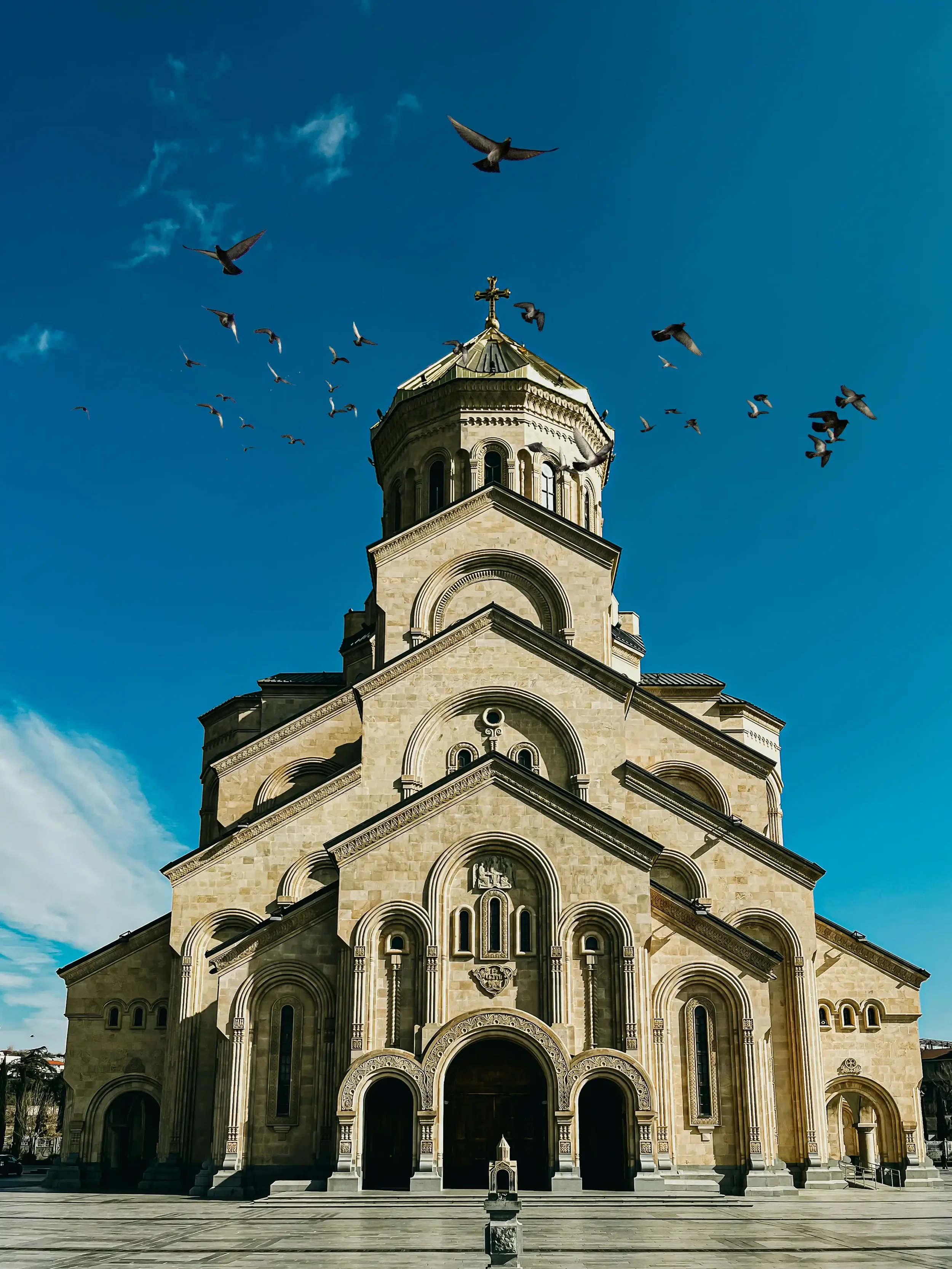
Tbilisi's Medieval Heritage: Where Ancient Stones Meet Modern Spirit
Tbilisi, Georgia's capital city, is a majestic tribute to the country's complicated history, with over 1,500 years of continuous settlement and ancient Medieval architecture that combines effortlessly with …
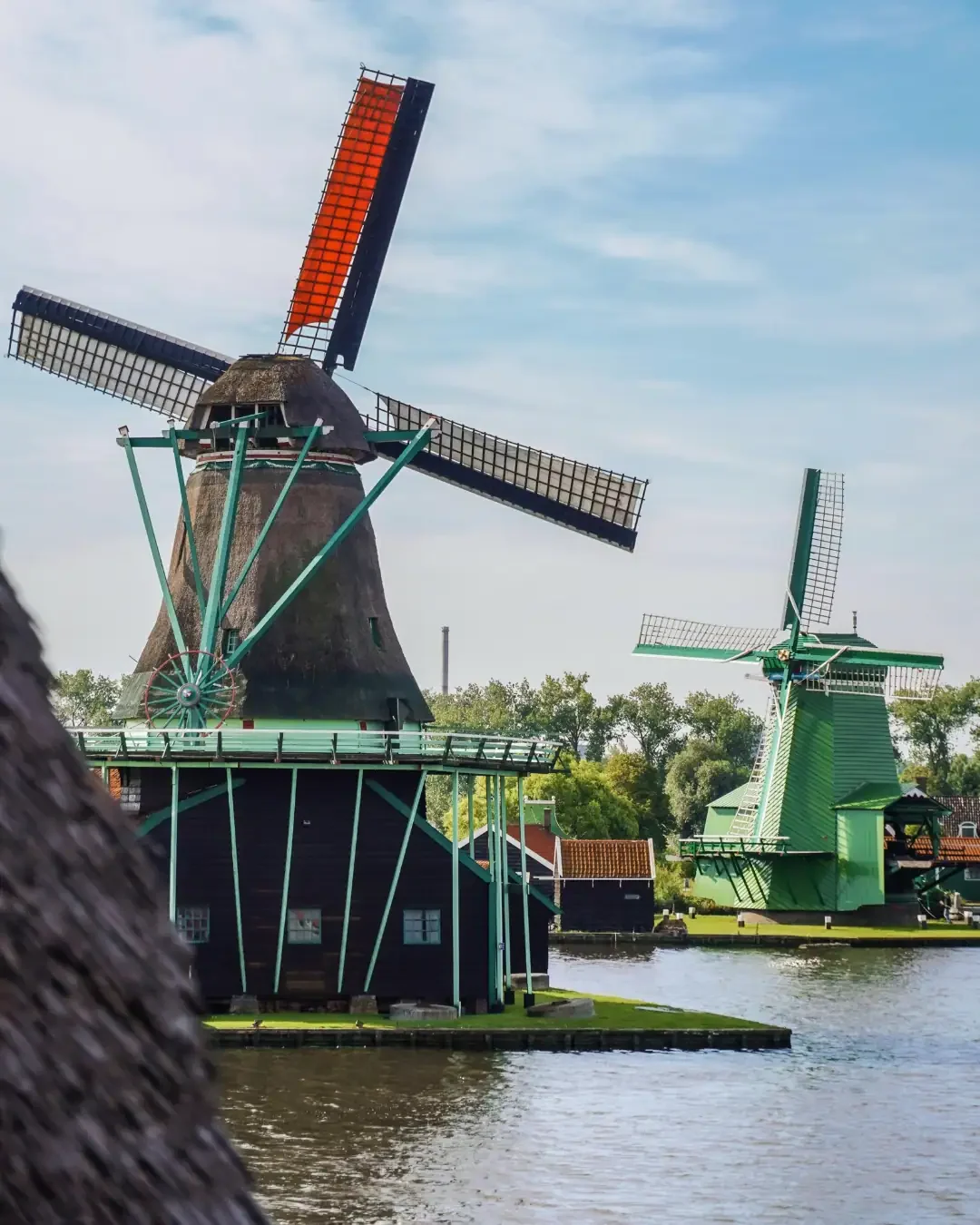
Zaanse Schans: Windmills and Old Holland Alive
Zaanse Schans, located north of Amsterdam, resembles a 17th-century painting with its windmills, green wooden cottages, and warehouses. During the Dutch Golden Age, the Zaan district was one of …
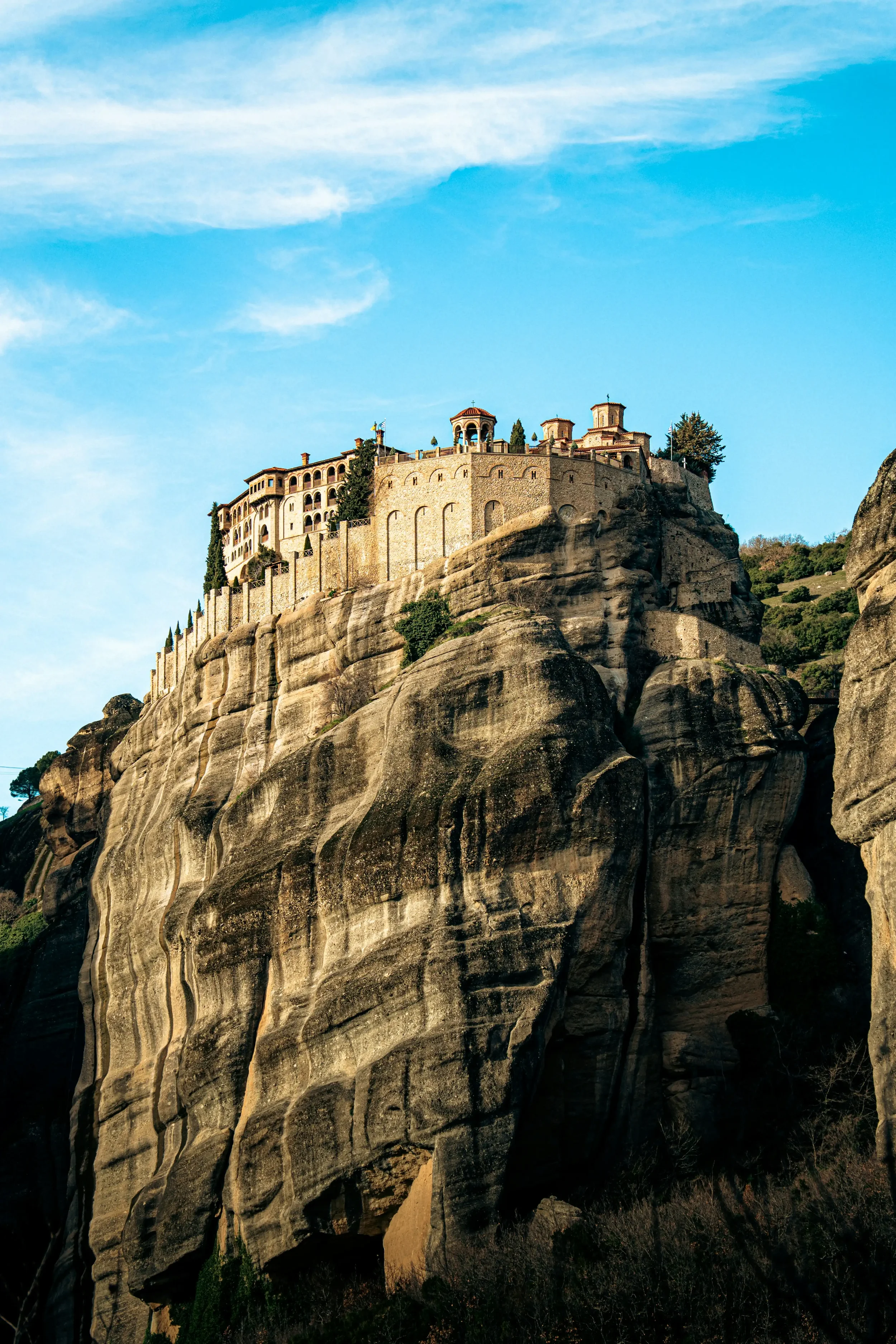
Byzantine Heritage and Greek Orthodox Tradition: Living Cultural Continuity
The Byzantine Empire’s thousand-year legacy (330–1453 CE) serves as the vital bridge between ancient and modern Greece. As the eastern extension of the Roman Empire, Byzantium swapped Latin …
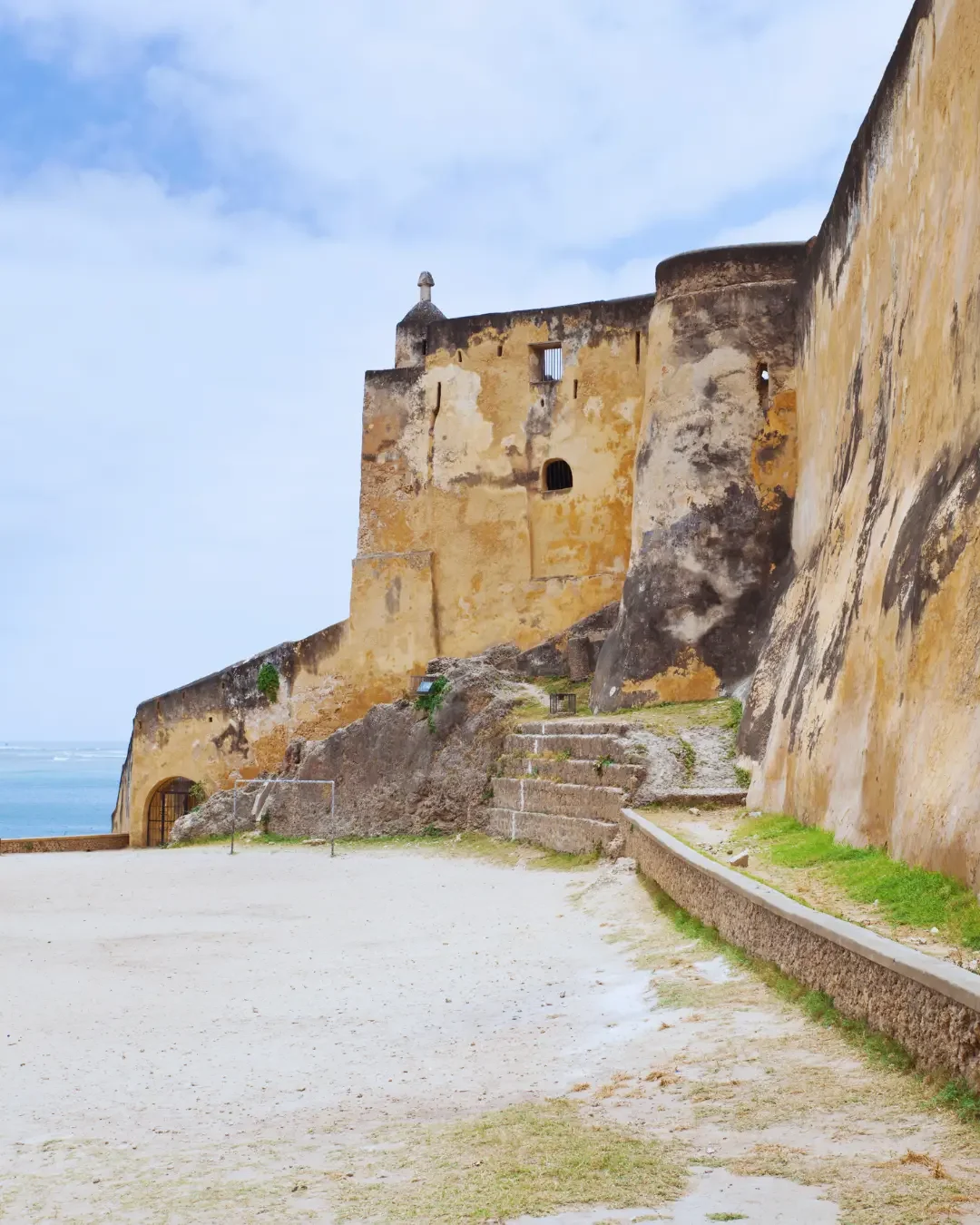
Fort Jesus: Guardian of the Indian Ocean Trade Routes
Fort Jesus has stood as a sentinel on Mombasa Island since the late 16th century, embodying an epic saga of colonial conquest and maritime trade. Built between 1593 and 1596 by order of King …
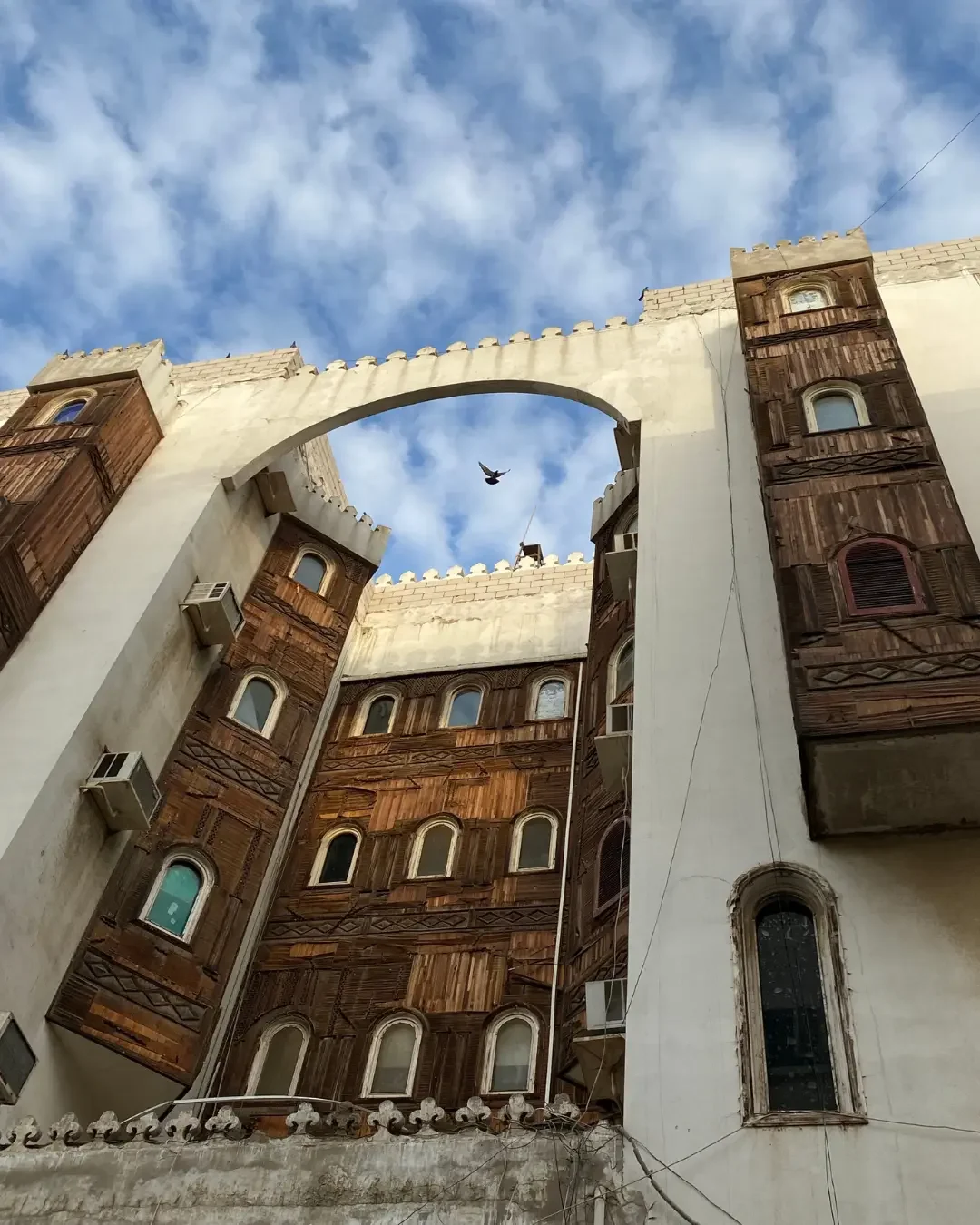
Jeddah's Al-Balad: The Gateway to Mecca and Crossroads of Cultures
Al-Balad, located on the eastern bank of the Red Sea in the center of contemporary Jeddah, is a historic district that served as the primary entrance for Muslim pilgrims heading to Mecca for over a …
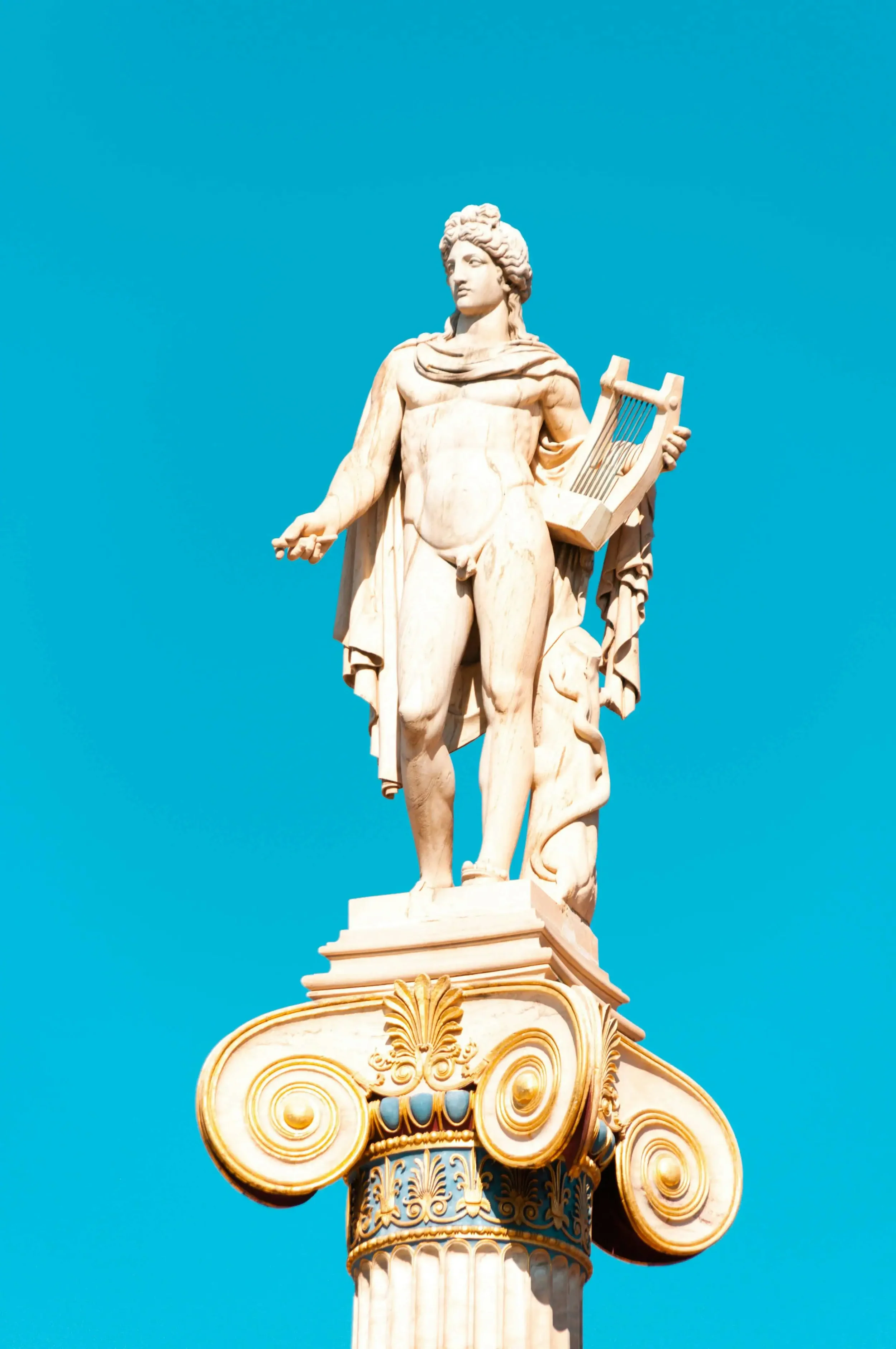
Greek Mythology: Gods, Heroes, and the Foundations of Western Culture
Greek mythology is one of the world's most significant belief systems, shaping Western art, philosophy, and psychology for millennia. The ancient Greeks worshipped a pantheon of …