
Articles
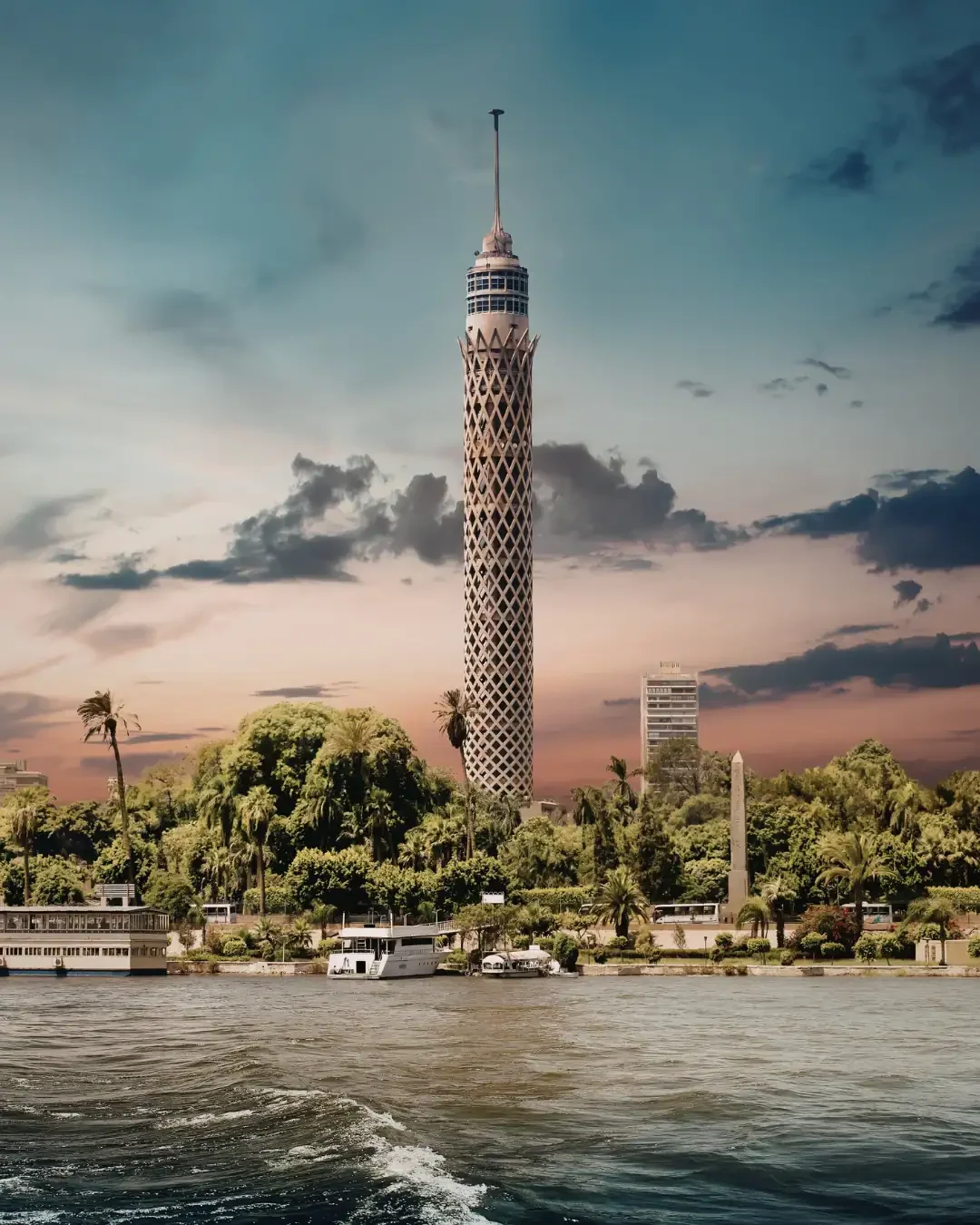
The Nile River: Lifeblood of Egyptian Civilization
The Nile River, which stretches 6,650 kilometers (4,132 miles) from its source in East Africa to the Mediterranean Sea, is the absolute foundation of Egyptian civilization. The river's two major …
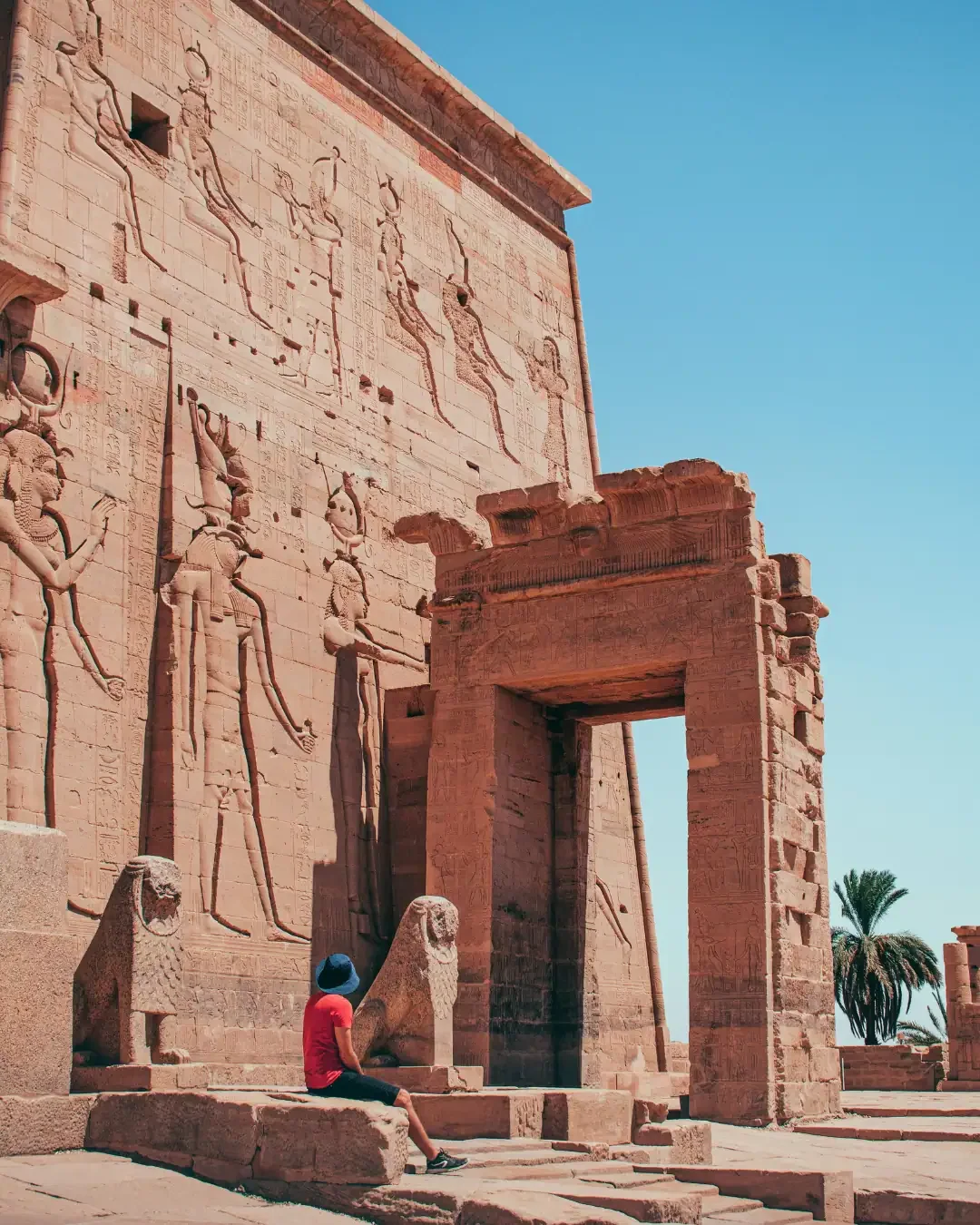
Egypt's 2025 Tourism Boom: Historic Growth and Recovery
Egypt's tourism sector performed admirably in 2025, welcoming a record-breaking 19 million international tourists—a 21% rise over 2024. This historic achievement signifies one of the world's fastest …
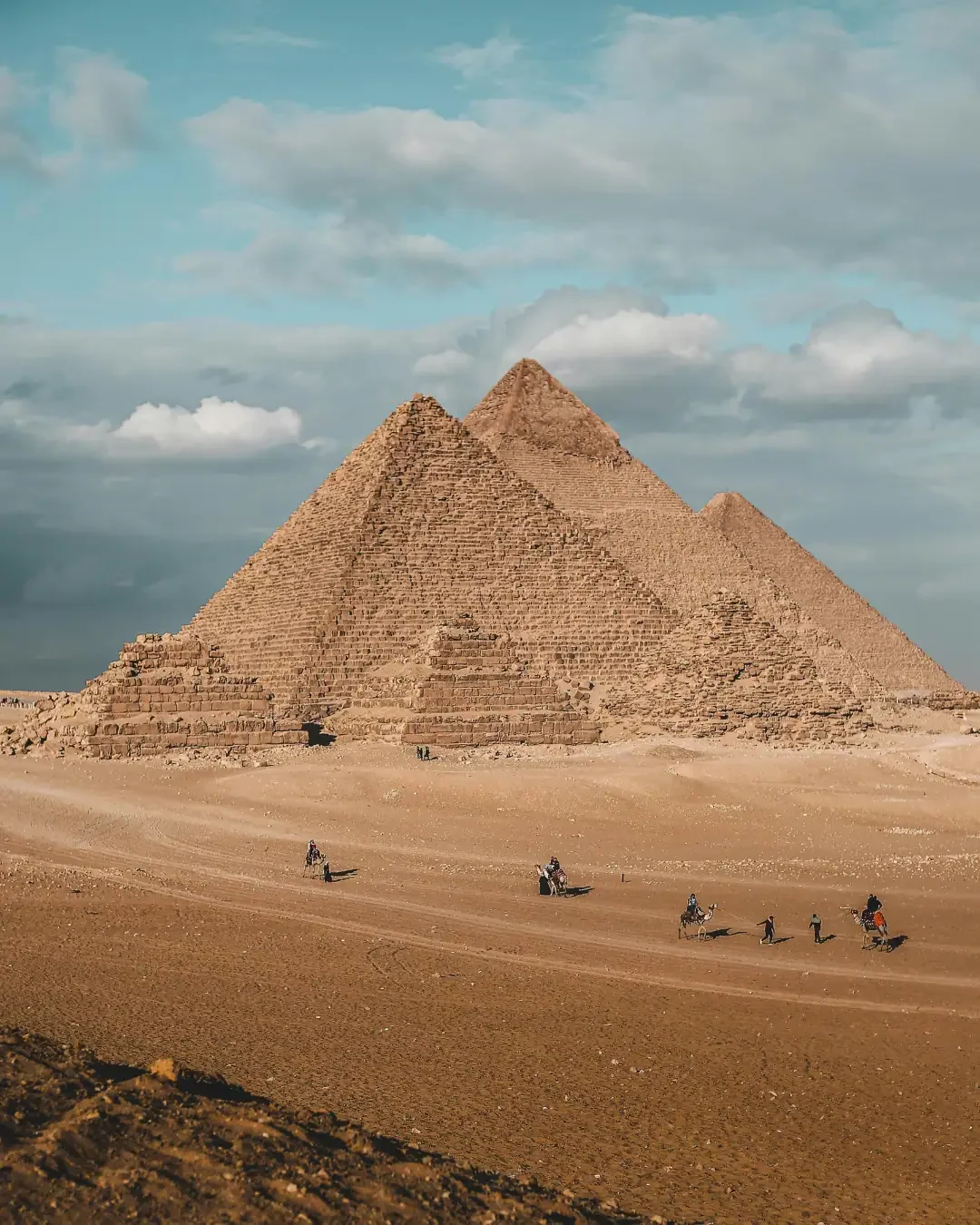
The Pyramids of Giza: Last Wonder of the Ancient World
The Pyramids of Giza are among humanity's most recognizable ancient landmarks, rising from a desert plateau barely 13 kilometers (8 miles) southwest of Cairo and symbolizing the zenith of Old Kingdom …

Women's Rights: Progress Amid Persistent Challenges
Egypt's women's rights environment paints a conflicting image: constitutional vows to gender equality and government measures to empower women combine with deeply ingrained legal …
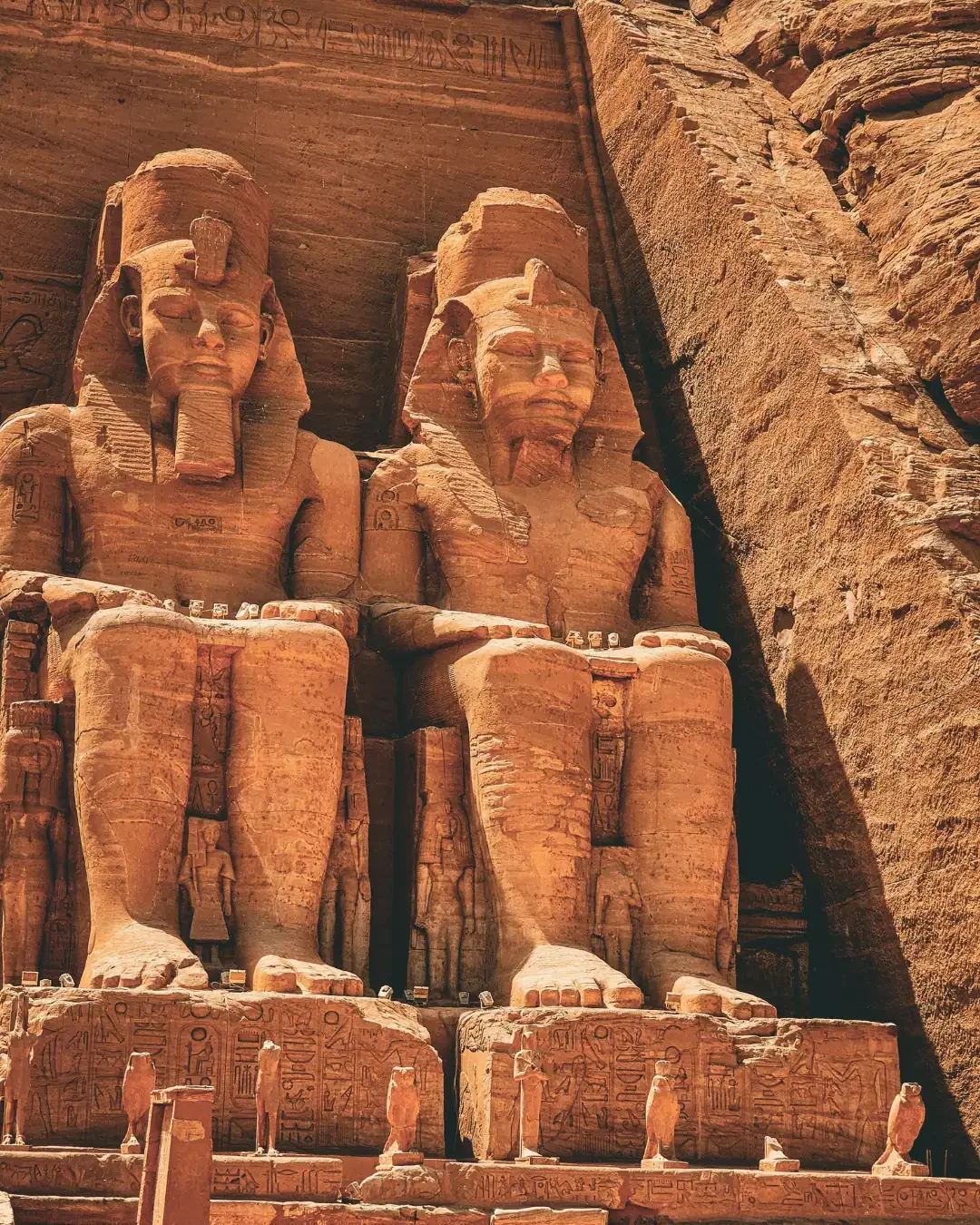
Abu Simbel Temples: Ramses II's Monument to Eternal Glory
The Abu Simbel Temples, carved into a mountainside on the west bank of Lake Nasser, are Egypt's most famous monuments after the Giza Pyramids. Built by Pharaoh Ramses II (1303–1213 BCE) in the 13th …